Cold and slippery: how to protect yourself during power and heating outages in Mykolaiv
- Iryna Olekhnovych
-
•
-
16:31, 28 January, 2026
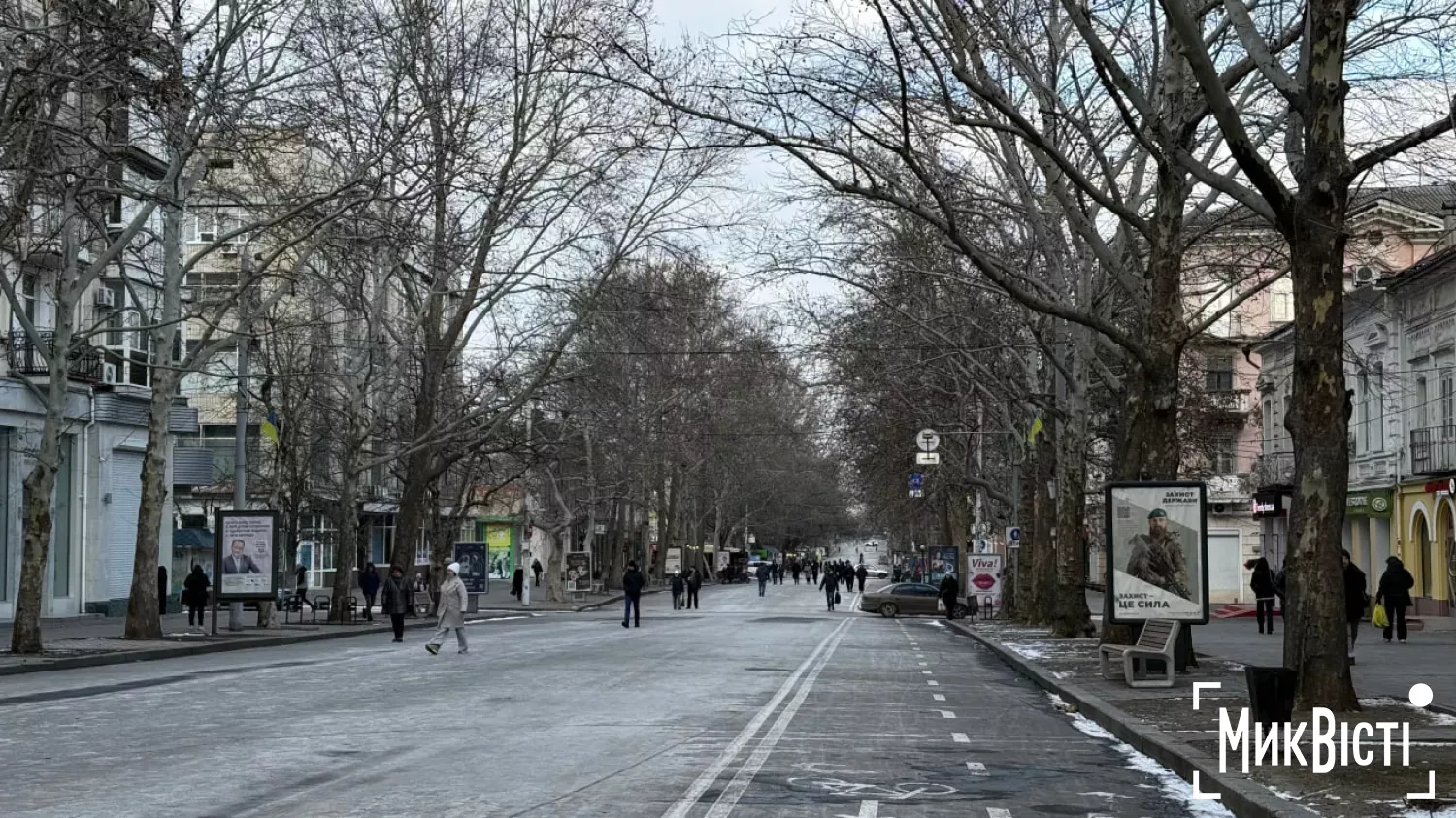 How to protect yourself during power and heating outages in Mykolaiv in winter. Photo: NikVesti
In recent years, winter in Mykolaiv has become a real challenge for most residents. The weather is becoming increasingly unpredictable: temperatures fluctuate sharply from below zero to above zero, half of the season passes without snow, and the other half with freezing rain and black ice. Roads and pavements also turn into a real obstacle course.
The situation is complicated by prolonged power outages — sometimes more than 18 hours a day — along with interruptions in heating. All this creates new challenges for Mykolaiv residents, to which they have to adapt.
NikVesti journalists learned about the main dangers of frost and ways to stay healthy both at home and outside during difficult weather conditions, as well as when Mykolaiv residents can expect warmer weather.
How often do Mykolaiv residents go to hospitals in winter?
According to Denys Kurylo, deputy head of the Mykolaiv City Council's Health Department, with the onset of cold weather, there has been a significant increase in the number of visits related to hypothermia, colds and exacerbations of chronic diseases.
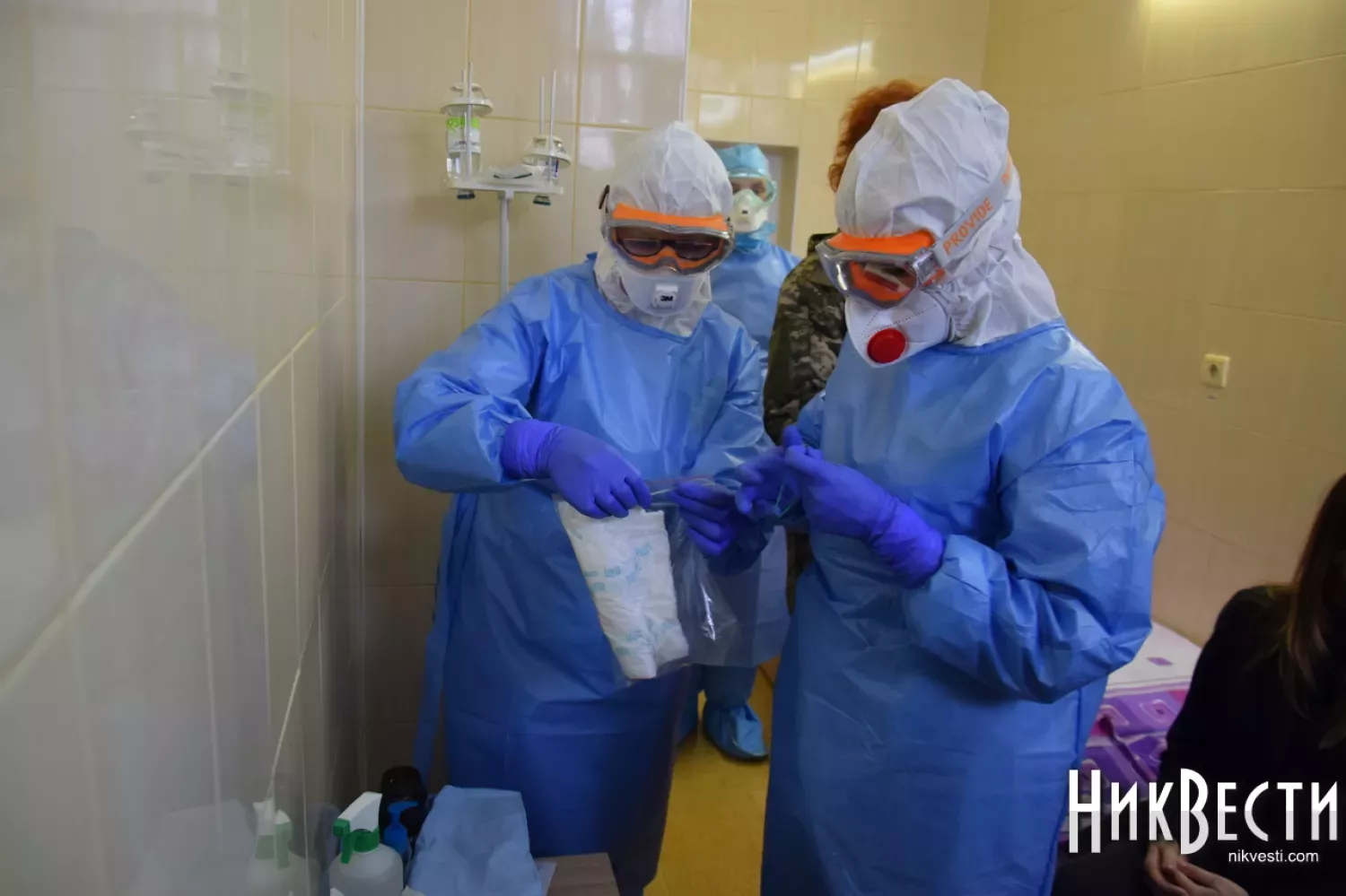 Doctors. Archive photo: NikVesti
Between 12 and 20 January alone, 13 people were hospitalised with hypothermia and frostbite. According to the Mykolaiv Regional Centre for Disease Control and Prevention, 3,913 people fell ill last week due to temperature fluctuations, including three with COVID-19. This is 15.5% more than the week before. Among children, the increase is even more significant — +28.4%.
«With the onset of cold weather and temperatures dropping below zero, there has been an increase in the number of citizens of our city seeking treatment for hypothermia. There has been an increase in reports of worsening epidemic situations with regard to acute respiratory viral infections, complications in people with chronic respiratory diseases, bronchitis, pneumonia, who were either undergoing outpatient treatment or already required hospitalisation,» said the doctor.
He explained that the problem is that prolonged cold weather acts as a systemic stress factor for the human body. It affects the most vulnerable categories of the population: people aged 65+, children and people with chronic diseases or immunodeficiency. The heart and lungs suffer the most, as blood vessels constrict in the cold to preserve heat in the internal organs.
Another threat is black ice
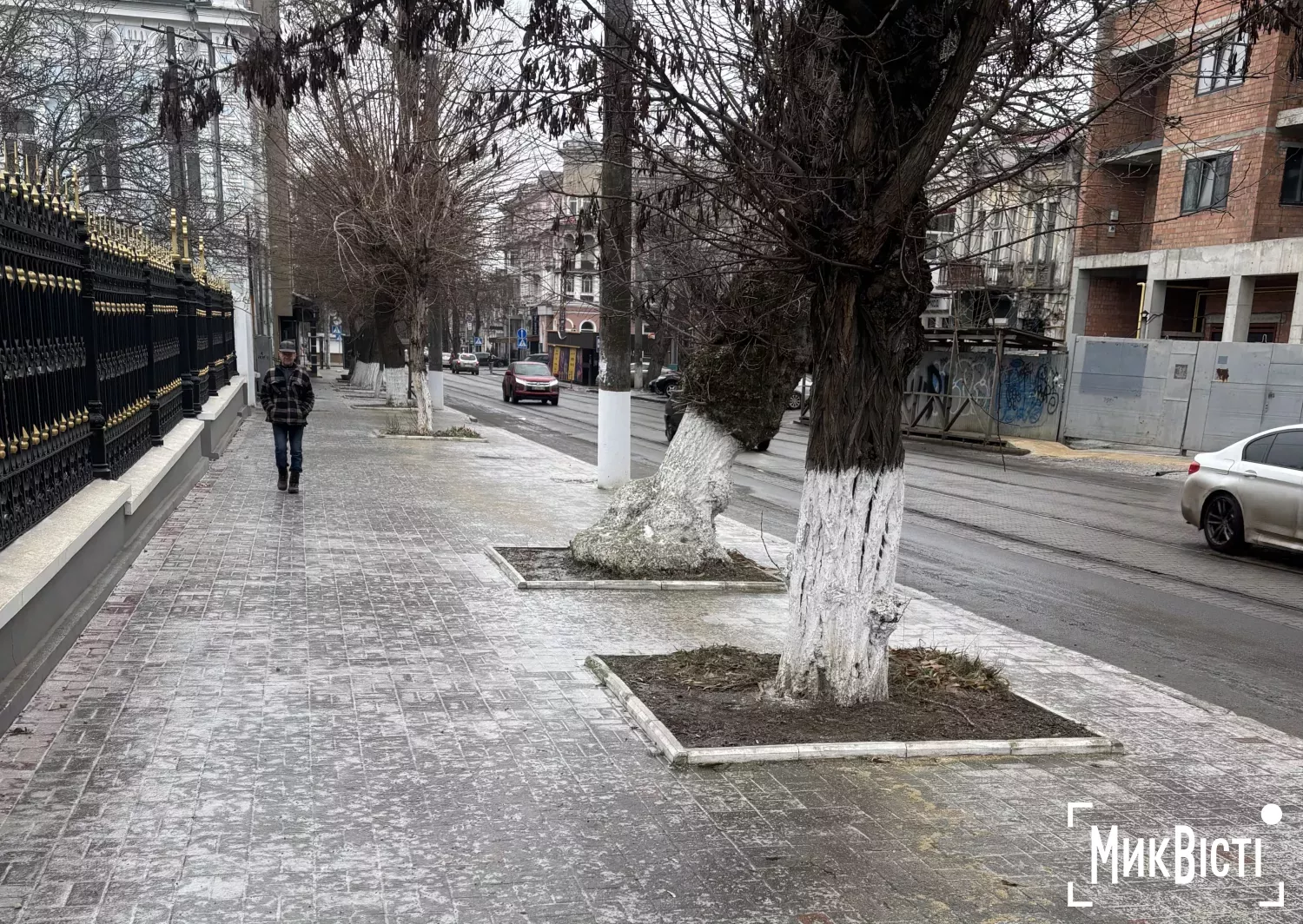 Black ice in Mykolaiv on 27 January. Photo: NikVesti
In addition to the temperature, danger also awaits Mykolaiv residents on the roads. In just a few days of slippery roads, the number of injuries has increased significantly. On 25 January, 13 people with injuries were admitted to hospital in Mykolaiv due to icy conditions. As of the morning of 27 January, the number of patients had risen to 50. In the evening of the same day, Denys Kurylo told NikVesti that 60 cases had already been reported.
In total, during the three days of icy conditions, from 25 January to the morning of 28 January, according to the Health Department of the Mykolaiv City Council, 134 people sought medical attention for injuries caused by icy conditions. Fractures were diagnosed in 98 people, and another 18 patients required surgical intervention.
How to protect yourself outdoors during bad weather
Hypothermia
The Ministry of Health emphasises that to reduce risks during bad weather, you should be careful when choosing your clothes and shoes. In frosty weather, it is important not only to dress warmly, but also to avoid overheating and sweating. Clothing should be layered, comfortable and not tight, and footwear should be warm and non-slip. Particular attention should be paid to protecting the head, hands and neck.
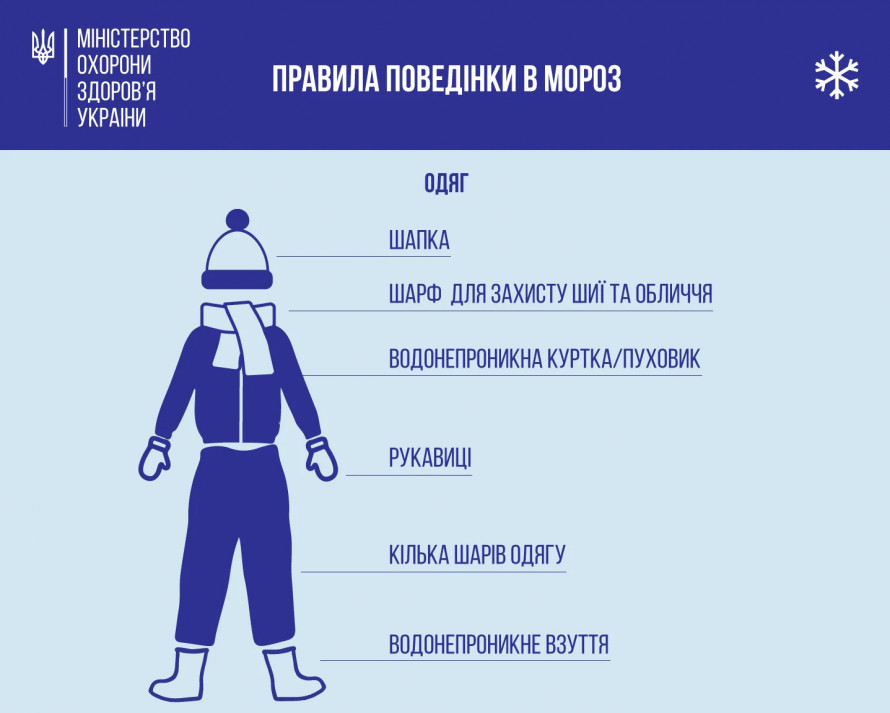 How to dress properly in winter. Illustration: recommendations from the Ministry of Health
Currently, street lighting is being turned off in Mykolaiv due to the situation with the power grid, so be sure to attach reflective strips to your clothing and have a flashlight with batteries in case your phone runs out of power.
Doctors advise to move around more, regularly go into warm rooms, avoid touching metal objects with your bare hands, and refrain from smoking in the cold.
Risk of injury due to icy conditions
During icy conditions, it is especially important to choose the right footwear. It should be non-slip, preferably with a soft or microporous sole. High heels should be put away for another season, as they increase the risk of falling by reducing the area of contact with the ground. Move slowly, without rushing, bending your knees slightly and stepping with your whole foot — this makes it easier to maintain balance.
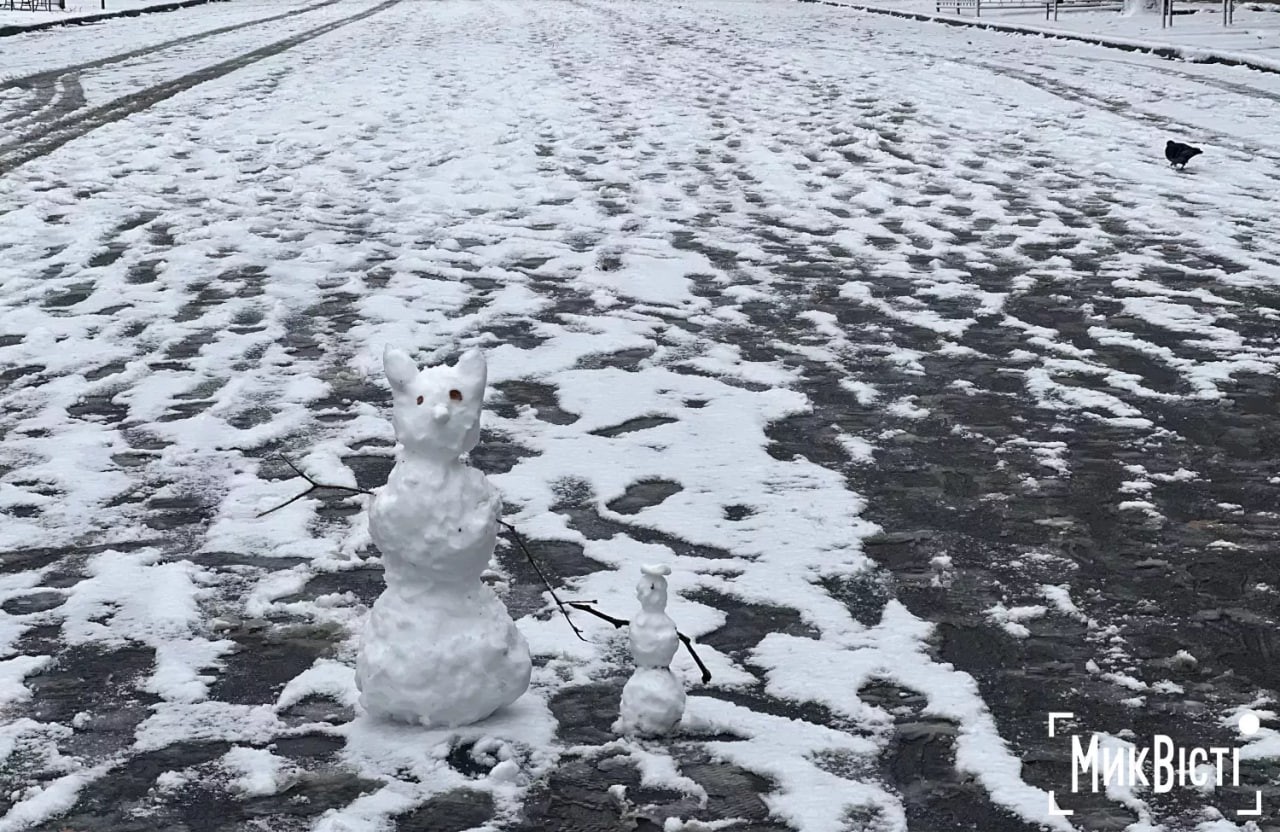 Snow-covered Mykolaiv on 15 February 2025. Photo: NikVesti
If you still feel like you are going to fall, do not tense up or try to hold on at all costs. The best option is to quickly sit down, reducing the height of the fall. If you cannot avoid falling, you should curl up and try to roll over — this will help distribute the force of the impact and reduce the risk of serious injuries, especially head injuries.
Doctors emphasise that when walking on slippery surfaces, your hands should be free, as they help you maintain your balance. Therefore, do not keep your hands in your pockets — this significantly increases the risk of serious injuries, including fractures. It is also not recommended to carry bags in your hands: it is much safer to use a backpack, which does not restrict movement, does not shift your centre of gravity and can even protect you from impact if you fall on your back.
Myth 1: Why shouldn't you drink alcohol to «warm up»?
Deputy Head of the Health Department of the Mykolaiv City Council, Denys Kurylo, emphasises that drinking alcohol in cold weather is dangerous and has nothing to do with actually warming up the body. On the contrary, alcohol only creates a false sense of warmth, while in fact accelerating hypothermia, increasing the risk of frostbite and even leading to fatal consequences.
According to the doctor, alcohol suppresses the body's natural thermoregulatory mechanisms. In particular, it reduces sensitivity to cold, causing a person to lose awareness of dangerous drops in body temperature.
«The same appearance of 'goose bumps' is a natural protective reaction, which is reduced under the influence of alcohol. Taken together, this can lead to hypothermia, which a person may not consciously feel,» the doctor explained.
Instead of alcohol, it is better to drink warm beverages such as tea, coffee or fruit compote in thermos flasks. This is much safer and healthier.
Myth 2: Why do we actually get sick more often in winter?
There is indeed a link between the cold season and an increase in the number of illnesses, but not in the way we are used to thinking. As Denys Kurylo explains, it is not the cold that causes colds, but viruses. However, it is the cold weather that creates favourable conditions for their more active spread.
Several factors contribute to this. The first is internal. In winter, the human immune system weakens, primarily due to hypothermia of the respiratory organs. That is why it is important to protect your nose and mouth with warm, dry clothing in cold weather to prevent hypothermia of the mucous membranes.
 Educational centre at Lyceum No. 38. Illustrative photo: NikVesti
The second factor is external. Viruses feel much more comfortable in cold air: their shell becomes more resistant, allowing them to survive longer outside the body and spread more easily from person to person. Our behaviour also complicates the situation — in winter, people spend more time indoors, which are rarely ventilated due to the cold. This creates a favourable environment for the concentration of infections.
That is why it is important to remember simple preventive measures: if you have symptoms of illness, wear a mask and ventilate the room regularly for several minutes, even in frosty weather. Such simple actions significantly reduce the risk of infection in winter.
How to keep warm in your flat?
Ukrainian experts note that the optimal temperature in a living space is between +18 and +21°C. If it drops below this, the body begins to lose heat quickly, and the risk of colds and hypothermia increases. Residents of Mykolaiv are familiar with this situation, as power cuts often cause heating failures, especially in houses with electric heating systems.
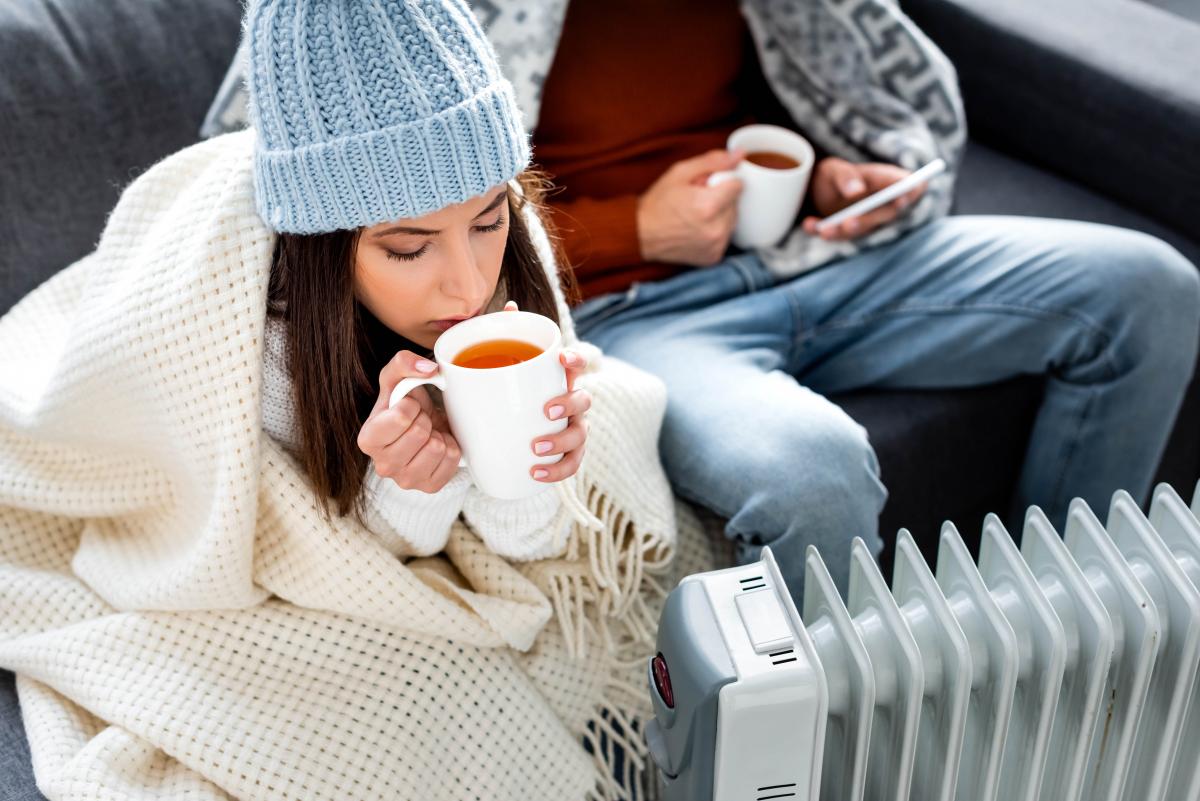 How to keep warm in winter. Photo: depositphotos.com
To keep your home warm, you should first and foremost take care of energy efficiency. You can seal gaps in windows and doors, insulate the floor with carpets, and close off cold areas in the room.
Doctors advise wearing thermal underwear in severe cold. It retains body heat and works effectively even in difficult conditions — no wonder it is used by tourists and the military. On top of thermal underwear, you should wear several layers of clothing, preferably made of synthetic or mixed fabrics, as well as warm trousers and woollen socks. The principle of layering will help you retain heat better and avoid hypothermia.
 Insulation. Photo: NikVesti
If available, you can use heating pads or electric blankets. At the same time, doctors warn against excessive use of such devices and do not recommend sleeping with heating pads to avoid overheating or even burns.
At night, it is worth covering yourself with several blankets to keep warm. It is advisable to replace your bed linen with fleece or flannel.
And, most importantly, your psychological state. Stress and constant tension lower immunity and the body's ability to resist disease. Therefore, doctors advise, as far as possible in the current conditions, to take care of your nervous system, get plenty of rest and, if necessary, consult a doctor about vitamins that will help support the body during the winter.
When can we expect warm days in Mykolaiv?
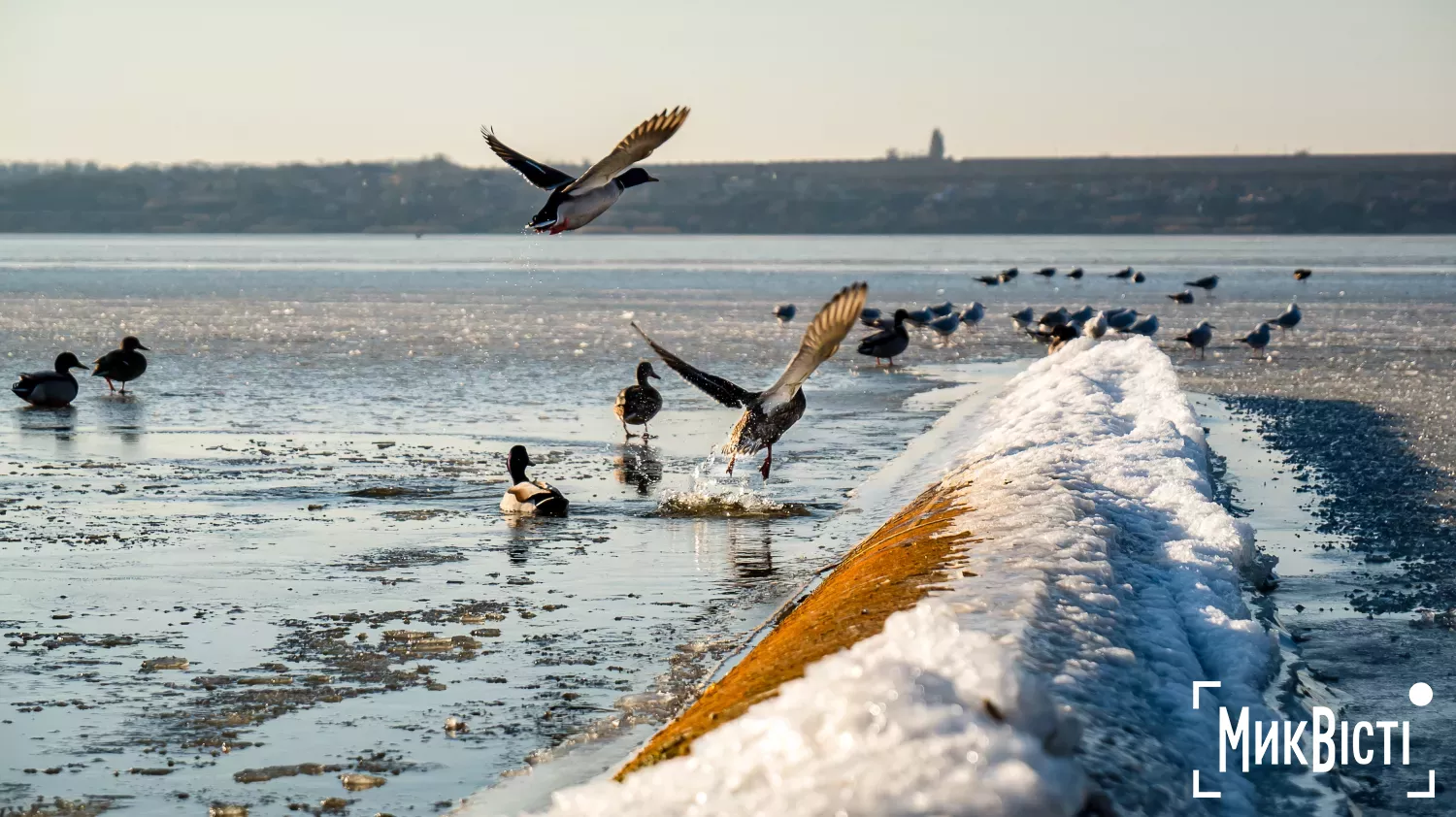 Mykolaiv, February 2025. Photo: Serhii Ovcharyshyn, NikVesti
The Mykolaiv Regional Hydrometeorological Centre told NikVesti that a slight warming is expected in the region in the coming days. In particular, on 29 January, the air temperature at night will be between 0 and +5 °C, and during the day between +4 and +9 °C. The next day, 30 January, forecasters also promise relatively mild weather — 0...+5°C at night and +3...+8°C during the day.
However, by the end of the week, temperatures will begin to drop again. On 31 January, wet snow is expected, with temperatures ranging from -4 to +1°C at night and from -2 to +3°C during the day. In the first days of February, forecasters predict periodic snowfalls and a further cold snap: at night, the temperature may drop to -4...-9°C, and during the day — to 0...-5°C.
Anzhelika Hanchuk, a meteorologist at the Ukrainian Hydrometeorological Centre, notes that February will also be characterised by sharp temperature fluctuations — from thaws to significant frosts.
«The strong anticyclone that brought the current cold spell is still holding over the region. Therefore, in February, there is a high probability of repeated waves of severe cold weather,» the forecaster explained.
UNDRR scientists emphasise that such temperature swings are a direct consequence of global climate change. Despite the widespread belief that global warming only means higher temperatures, it actually completely changes the nature of the weather. Yes, winters are getting warmer on average, but at the same time, the atmosphere is becoming more unstable, leading to sudden cold snaps, abnormal frosts and weather contrasts. That is why such phenomena are becoming increasingly common in Mykolaiv, and the city will have to adapt to them in the coming years.