There is a shortage of funds, and payments are being delayed. What is the situation with Mykolaiv’s budget?
- Alina Kvitko
-
•
-
10:10, 19 October, 2026
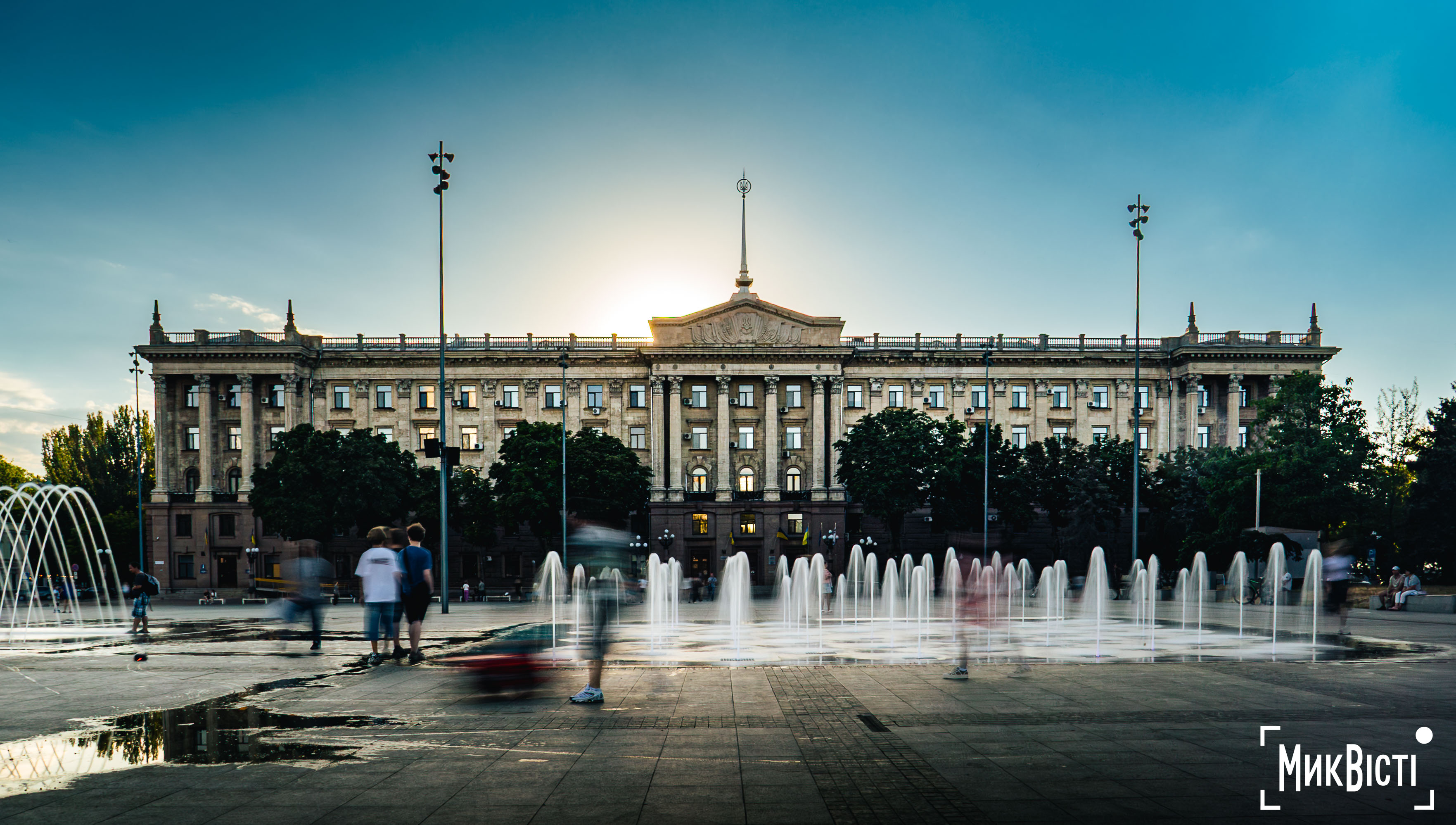 Mykolaiv has faced a shortage of budget funds and payment delays due to the Treasury. Photo: NikVesti archive
Mykolaiv recently appealed to the state for the third time for an additional 819 million hryvnias, which are needed for «priority needs» until the end of this year. At the same time, since mid-September, the Treasury has suspended some payments from the city budget, and this applies to all regions. As of 12 October, invoices totalling over 370 million hryvnias remain unpaid. Among the consequences are delays in payments for construction work that has already been completed.
NikVesti investigated why the Treasury is delaying payments from the Mykolaiv budget, how this is affecting the operations of municipal enterprises and the implementation of construction projects, and whether the city will be able to settle accounts with contractors for work already carried out by the end of the year.
Mykolaiv is short of 819 million hryvnias by the end of the year
In early October, the Mykolaiv City Council appealed for the third time to the Verkhovna Rada and the Cabinet of Ministers, requesting additional financial assistance. The city needs 819.1 million hryvnias to cover essential expenditure until the end of 2026.
The largest portion of the funds — 412.7 million hryvnias — is required for water supply and heating. A further 138.8 million is needed to cover salaries for staff at state-funded organisations, 106.3 million for utility bills and energy costs, and 96.7 million for passenger transport by electric trams. The remaining funds are required for the upkeep of facilities, subsidised transport, interest payments on loans and other expenditure.
The funding shortfall was already known at the time of the adoption of Mykolaiv’s 2026 budget. At that time, the shortfall for all the city’s needs was estimated at approximately 1.3 billion hryvnias. Throughout the year, the city authorities have cut back on and reviewed certain expenditure items. According to Mayor Oleksandr Sienkevych, this has saved around 481 million hryvnias, though it has not been possible to fully resolve the problem.
In a comment to NikVesti, the mayor of Mykolaiv stated that he had also raised the issue of additional funding during a trip to Kyiv for the Congress of Local Councils.
«We have now appealed to the Cabinet of Ministers and the Verkhovna Rada of Ukraine for the third time, requesting an additional 819 million hryvnias for Mykolaiv’s priority needs until the end of the year. These funds are essential for the stable operation of municipal services and for providing basic services to residents. I also raised this issue during my trip to Kyiv for the Congress of Local Councils. We are awaiting a response and continue to work to ensure the city receives the necessary support,» said Oleksandr Sienkevych.
Whilst the city awaits a decision from the state, its financial situation has been exacerbated by delays in budget payments. Moreover, this is not just an issue for Mykolaiv, but a problem faced by communities across Ukraine in September.
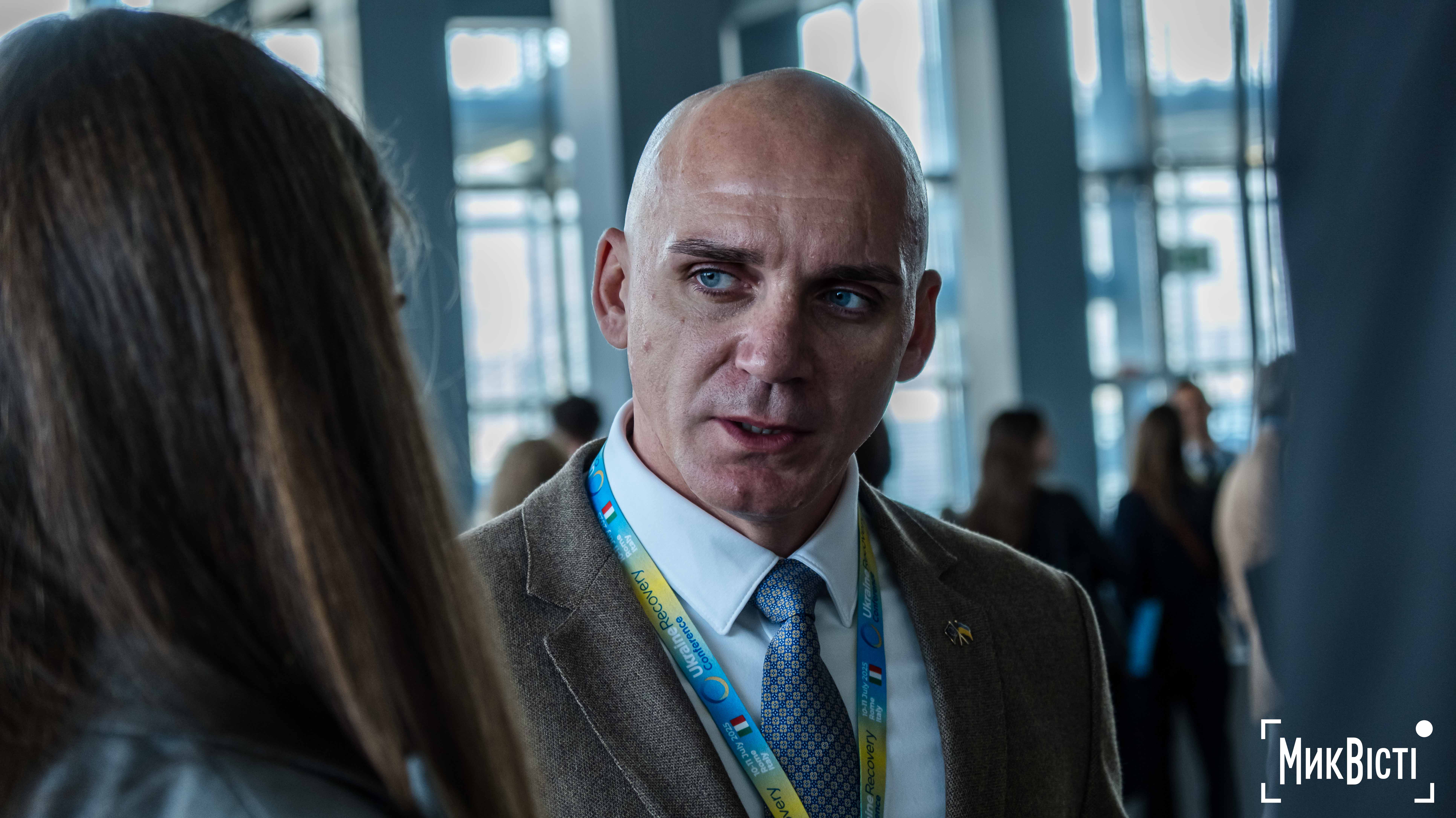 Oleksandr Sienkevych, Mayor of Mykolaiv. Photo: NikVesti archive
Since 14 September, the Treasury has suspended some of Mykolaiv’s payments
According to Oleksandr Sienkevych, the Mykolaiv office of the State Treasury Service has suspended some payments to the city budget since 14 September.
The restrictions do not apply to salaries and related deductions, payments for utilities and energy, social security, or catering in educational institutions. However, other expenditure, even where funds have been allocated, remains unpaid.
«This situation has arisen in many cities across Ukraine. The funds are allocated in the city budget, but due to restrictions imposed by the Treasury, it is currently impossible to make certain payments,» explained the mayor.
As of 12 October, the total amount of outstanding payments in Mykolaiv exceeded 370 million hryvnias.
According to the mayor, these include payments for passenger transport services by electric transport, contributions to the authorised capital of municipal enterprises providing critical infrastructure, and the settlement of arrears arising from the difference in tariffs for the production, transmission and supply of thermal energy.
Thus, even the availability of funds allocated in the budget does not guarantee that the city can pay on time for services received or work carried out. This also applies to major repairs.
Oleksii Savchuk, Head of the Capital Construction Department, explained in an interview with NikVesti how these delays are affecting specific construction projects. According to him, at the time of the interview, there were 22 certificates of completion at the Treasury totalling nearly 29 million hryvnias.
«Since 14 September, when the Treasury stopped making payments, we have accumulated nearly 30 million hryvnias in unpaid invoices. «This includes both the payments that were already with the Treasury at that time and those we submitted later,» said Oleksii Savchuk.
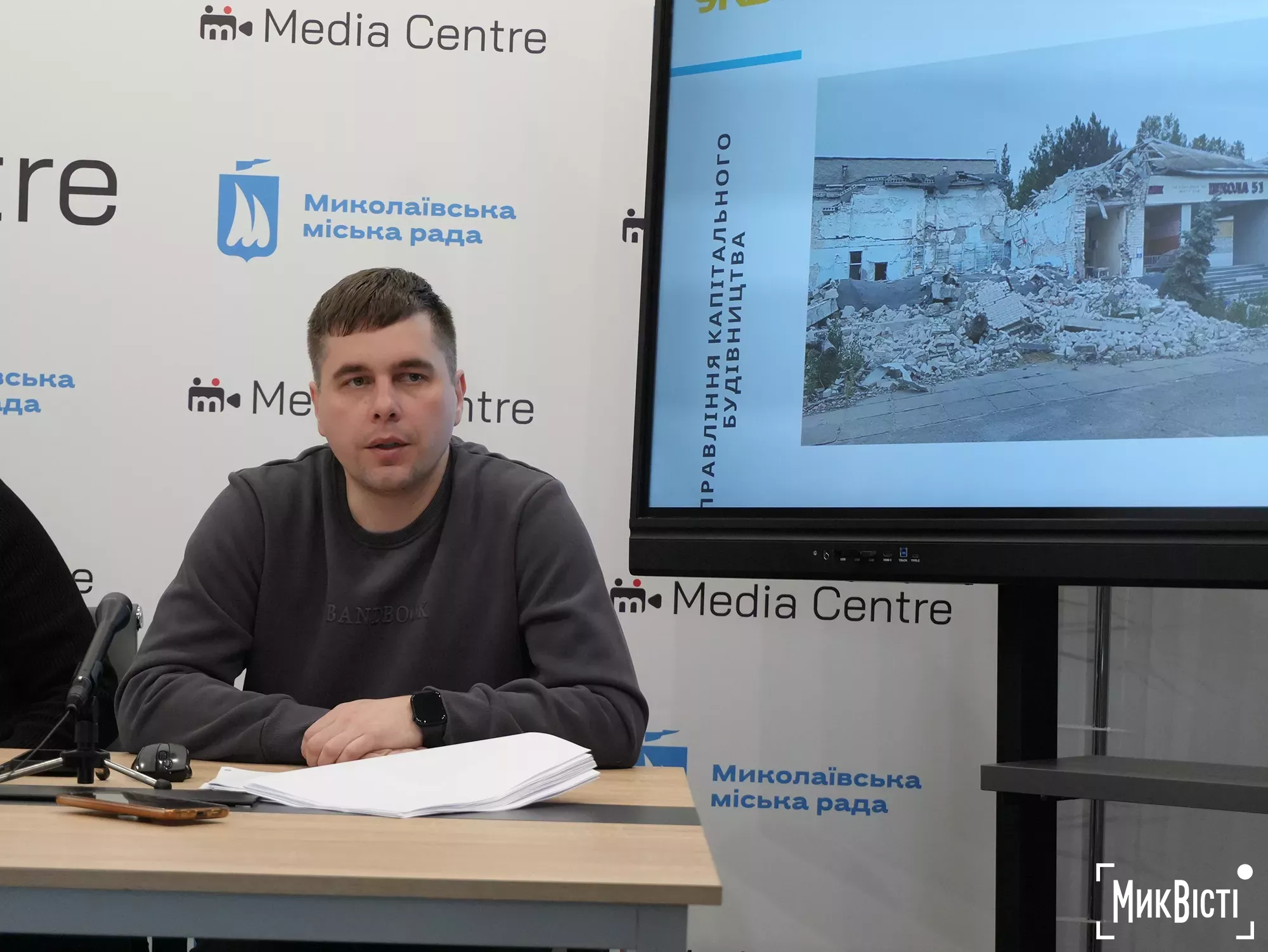 Oleksii Savchuk, Head of the Mykolaiv Capital Construction Department. Photo: NikVesti archive
In addition, the official reported that there were approximately 10 million hryvnias’ worth of invoices under review, as well as an advance payment of 9 million hryvnias for the construction of a shelter for nursery school No. 75. He did not specify whether these sums overlapped with the 29 million in unpaid payments.
«When the Treasury was not suspended, there were no problems with payments for projects funded by subventions. In fact, it took three, at most four days, for these payments to arrive. But now, unfortunately, this is no longer the case,» he noted.
Thus, the 29 million hryvnias represents the sum of specific payments to the Capital Construction Department, as reported by its director. In contrast, the figure of over 370 million hryvnias is the total amount of outstanding payments from the city budget, which covers more than just construction projects.
Where did the problem with payments arise?
During martial law, the Treasury makes budgetary payments in accordance with special rules set out in Cabinet of Ministers Resolution №590. This establishes the order of priority for expenditure, ensuring that the most vital needs of the state and local communities are funded first.
However, in September 2026, according to reports from the Association of Ukrainian Cities, local authorities began to experience delays even with payments that met the requirements of the resolution.
According to the Association, the first restrictions arose on 9 September. As early as 22 September, the Association publicly announced the suspension of payments for work related to preparations for the heating season, the protection of energy facilities, and the restoration of damaged infrastructure and housing.
On 28 September, the Cabinet of Ministers announced the adoption of an additional decision regarding the prioritisation of budgetary expenditure. The government attributed this to a shortage of financial resources: following the first eight months of 2026, inflows of external financial assistance into the state budget had fallen significantly short of the target.
According to the government’s published explanation, if the projected funds in the single treasury account, together with expected inflows, are insufficient to cover all planned expenditure, priority will be given to defence, debt servicing, pensions, wages and social benefits.
At the same time, the government noted that such restrictions are not applied automatically, but only in the event of a confirmed shortage of financial resources. The practical implementation of the new measures is scheduled to begin in October, and the relevant resolution will remain in force until the end of 2026.
For Mykolaiv, this situation arose just as the city was due to make a significant portion of its payments for capital works.
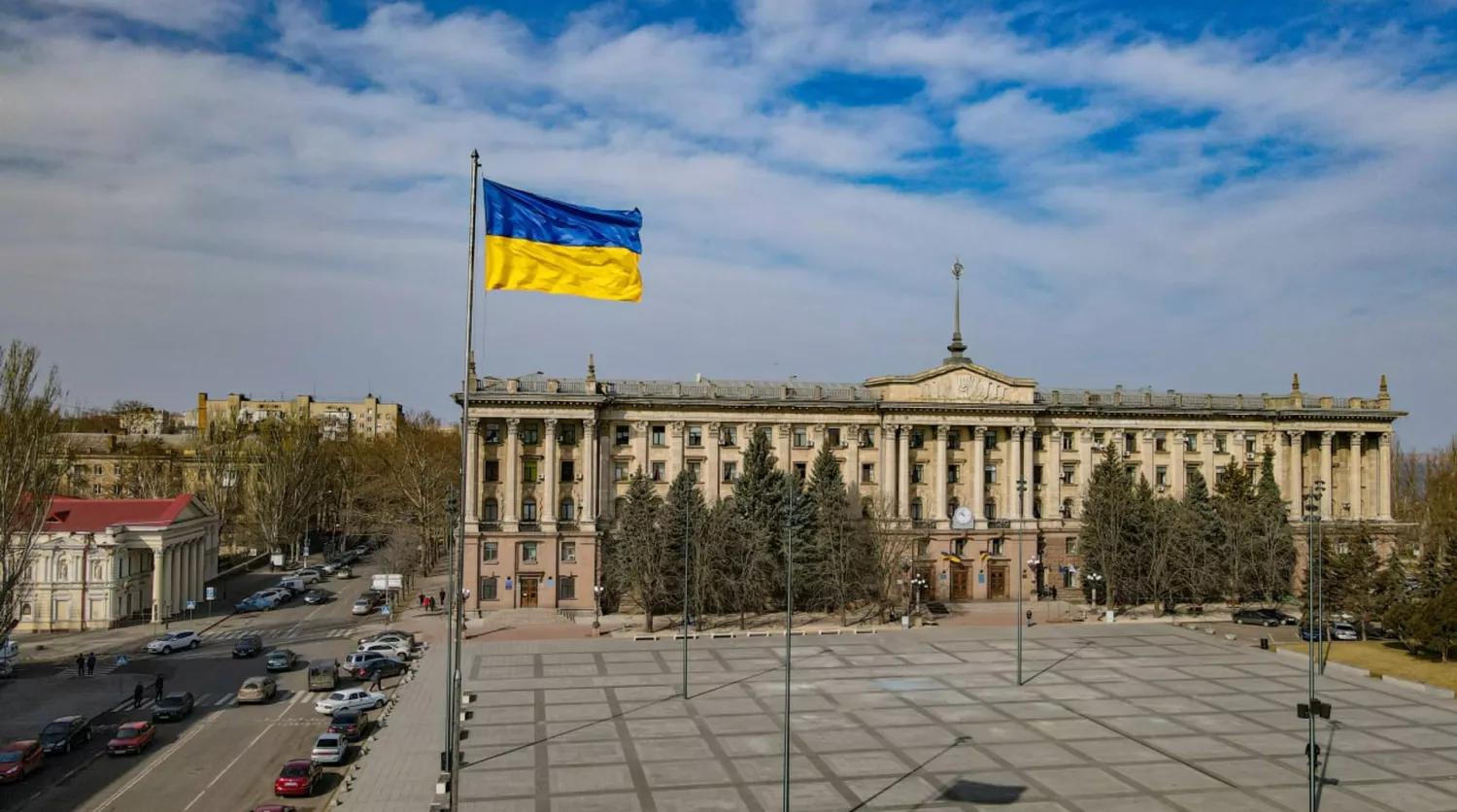 The Mykolaiv City Council building. Photo: Vladislav Kazmin
The Capital Construction Department has utilised only 10 per cent of its budget
Against the backdrop of payment delays, the work of the Mykolaiv City Council’s Capital Construction Department requires particular attention. This department has the lowest rate of expenditure plan fulfilment among the main administrators of the city budget.
According to the Director of the Capital Construction Department, Oleksii Savchuk, the department’s annual budget stands at 259.6 million hryvnias.
According to the city council’s report on the use of budget funds, the Capital Construction Department was due to spend 209.7 million hryvnias over the first nine months of 2026. In reality, however, expenditure amounted to just 28.1 million hryvnias, or 13.4 per cent of the plan. This is approximately 10 per cent of the annual plan.
The difference between the department’s planned and actual expenditure amounts to 181.6 million hryvnias.
The situation is worst when it comes to direct funding for construction projects. Of the 54.4 million hryvnias earmarked for capital construction, only 2.08 million — 3.8 per cent — were spent. 8.33 million hryvnias were spent on major repairs out of the 104.36 million allocated, or around 8 per cent. 9.55 million hryvnias were allocated for reconstruction and restoration out of the planned 38.83 million hryvnias.
However, the situation did not improve significantly in the third quarter. As previously reported by NikVesti, in the first half of the year, the CCD spent 14.5 million hryvnias out of the nearly 110 million planned. At that time, the implementation rate stood at 13.3 per cent. Over the following three months, the administration spent a further 13.6 million hryvnias, whilst the percentage of the budget utilised rose only to 13.4 per cent.
This problem has been ongoing for several years. In 2023, the CCD spent 32.4 per cent of its annual budget, and in 2024, 32 per cent. In 2025, the figure rose to 60.7 per cent; however, by the end of the year, the department’s expenditure plan had been cut by approximately 70 million hryvnias. Without this cut, the implementation rate would have stood at around 46.8 per cent.
Thus, the CCD’s low performance figures were evident long before the Treasury’s current restrictions. And although budget implementation may rise by the end of the year, over the first nine months the department utilised only a small proportion of the allocated funds.
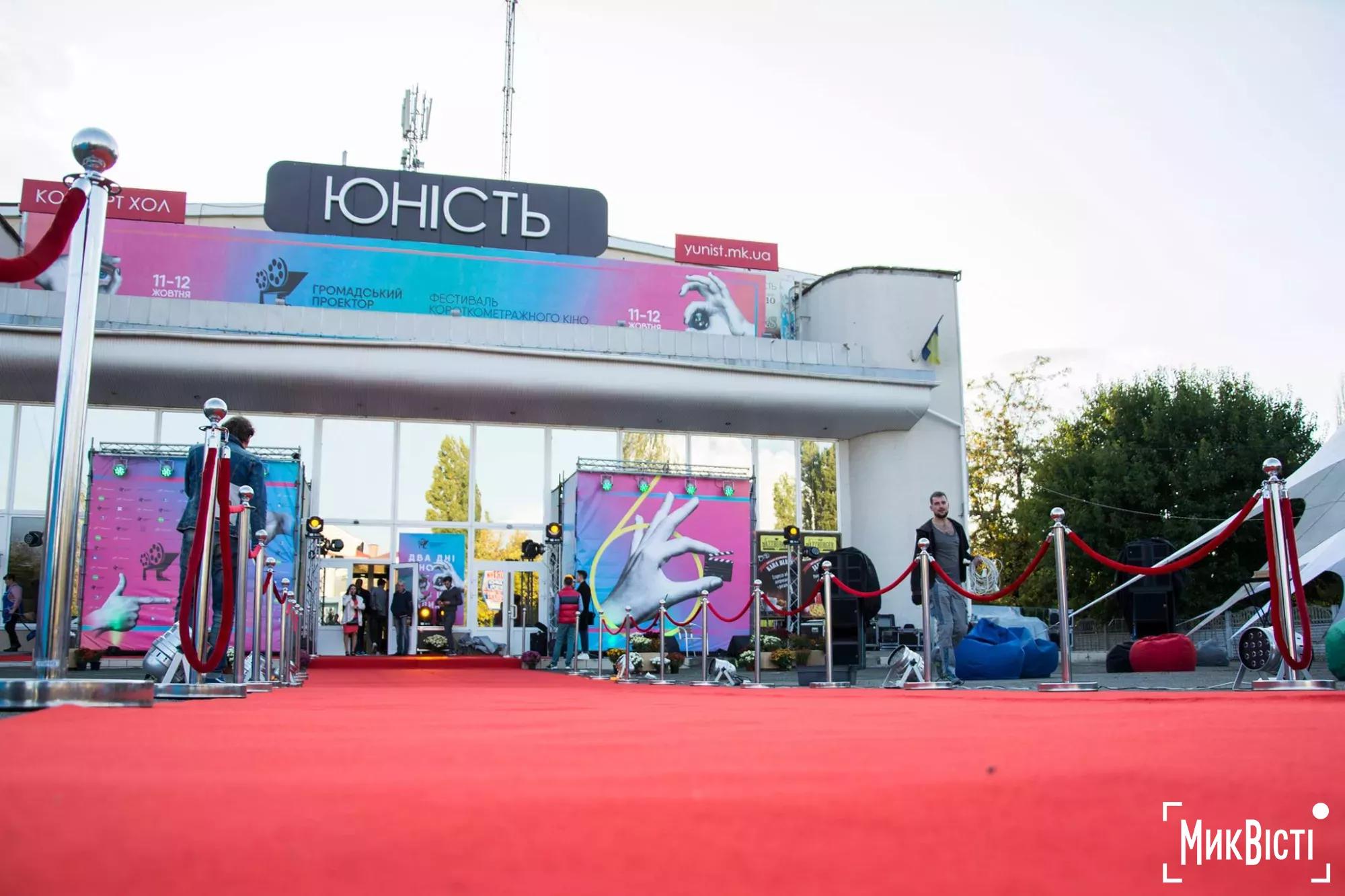 The «Yunist» Concert Hall in Mykolaiv, where the roof was being repaired. Archive photo by NikVesti, 2019
What the Capital Construction Department planned to build and why the work has been delayed
Oleksii Savchuk reported that the department had planned to complete 29 projects by 2026.
These included:
- Shelters at Lyceums №3 and №38;
- Repairs to four canteens at grammar schools №46 and №52 and lyceums №3 and №40;
- Repairs to the roofs of Gymnasium №10 and the «Yunist» concert hall;
- Construction of a sports ground at Gymnasium №31;
- Work at Outpatient Clinic №5 on Bohoiavlenskyi Avenue;
- Work at Children’s Music School N№5 on Dachna Street;
- Repairs to the ventilation system at City Hospital №1.
According to the director of the Construction Management Board, the roof repairs at «Yunist» and work on the fire alarm systems at Secondary Schools №39 and №35 have been completed.
The canteens at Gymnasiums №46 and №52 are in the final stages of completion, as is the sports ground at Gymnasium №31, where a ramp leading to the shelter still needed to be fitted. At Gymnasium №52, he estimated at the time of the conversation that around 20 per cent of the work remained to be done.
He attributes the low budget utilisation to several reasons. In particular, at some sites, following the approval of the state grant, issues were raised regarding the equipment and technologies, so it was necessary to undergo a repeat expert assessment, revise the cost estimates and await budgetary decisions. At some sites, procurement procedures had to be carried out again.
«We waited until September, then prepared all the documents, opened accounts and completed the necessary procedures at the Treasury. After that, the Treasury suspended payments. It’s a very unpleasant situation,» said Oleksii Savchuk.
As an example, he cited the roofing work at Lyceum №3: the contractor submitted invoices totalling approximately 6 million hryvnias, but did not receive payment. This is causing difficulties with the supply of equipment: according to Oleksii Savchuk, suppliers sometimes demand full payment in advance.
Why the CCD is failing to utilise the funds
In a comment to NikVesti, Mayor Oleksandr Sienkevych cited several reasons for the low budget execution rate by the department. These include late allocation of funding, protracted procurement processes, the need to amend projects, and delays on the part of contractors.
According to the mayor, funding for capital expenditure only became possible after amendments were made to the city budget on 26 March. State grants for the refurbishment of school canteens and shelters were approved in March–April, whilst co-funding for these projects from the local authority budget was allocated in early June.
«Several factors influence the implementation of the CCD’s expenditure plan. Some of these relate to the timing of funding disbursement, whilst others relate to procurement procedures and the actual execution of construction works,» explained Oleksandr Sienkevych.
According to him, the duration of the procurement process was also affected by the introduction of a price monitoring system in the construction sector. Furthermore, whilst work is being carried out on certain sites, it becomes necessary to seek additional approval for technical solutions from the owners of engineering networks, asset holders and project designers.
The mayor cited a shortage of workers in contracting organisations and delays in processing paperwork as another problem.
«Deadlines are also affected by labour shortages and mobilisation measures faced by contractors. A separate issue is the quality of the documentation: certificates of completion are submitted late and contain comments regarding the scope and cost of the work. In such cases, the Capital Construction Department returns them for revision so that payment is made in accordance with the work actually carried out,» the mayor said.
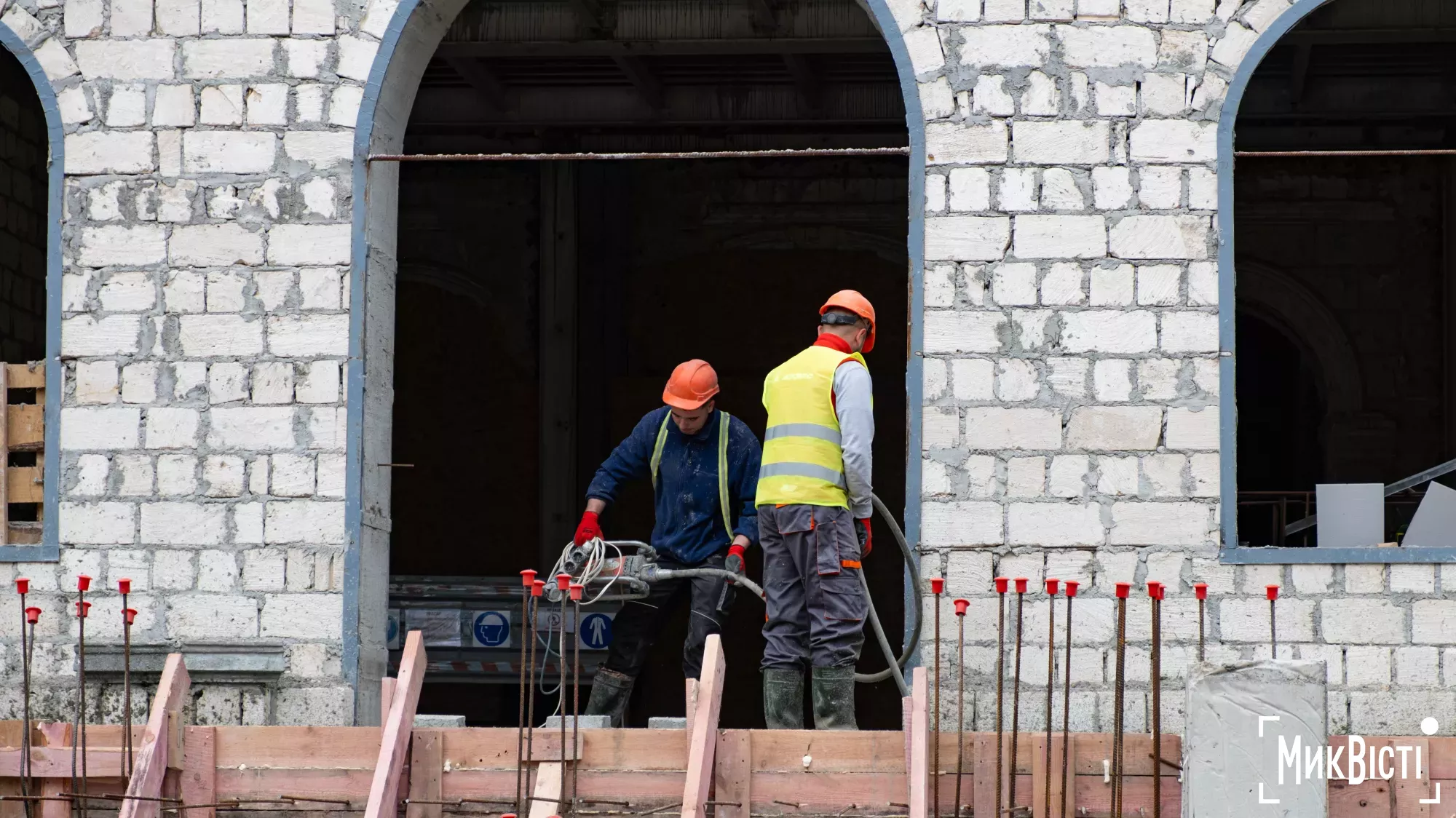 Construction work at one of the sites in Mykolaiv. Photo: NikVesti archive
Oleksii Savchuk clarified that, in his view, the problem lies not in a lack of contracting firms, but in a shortage of skilled construction workers.
«Perhaps there has been a slight misunderstanding: there are enough contractors, but not enough workers. In Mykolaiv, there are three or four electrical installation teams that move from one contractor to another. And why? Because there is no one else left to do the work,» he explained.
According to him, the companies could be working on ten sites at the same time, but due to a shortage of staff, they are only taking on five.
At the same time, Oleksandr Sienkevych believes that the department’s performance should be assessed taking into account the timing of funding, the stages of project implementation and the actual completion of works.
The mayor had previously spoken about problems with the UKB’s budget implementation. In August, he instructed his deputy, Serhii Korenev, to look into the department’s poor performance.
In response to an enquiry from the editorial team regarding the outcome of this instruction, the mayor stated that the relevant deputy, together with the head of the CCD, is visiting construction sites and holding meetings with contractors. Oleksandr Sienkevych himself is also taking part in these inspections.
«As the relevant deputy mayor, Serhii Korenev has the necessary information and is working directly on this issue. Together with the head of the Construction Management Department, he is visiting construction sites and holding working meetings with contractors. I am also monitoring the progress of the work, and we visit the sites together,» said Oleksandr Sienkevych.
According to Oleksandr Sienkevych, the CCD is responsible for monitoring the timings and quality of construction, as well as ensuring that the necessary documentation for payments to contractors is processed in a timely manner.
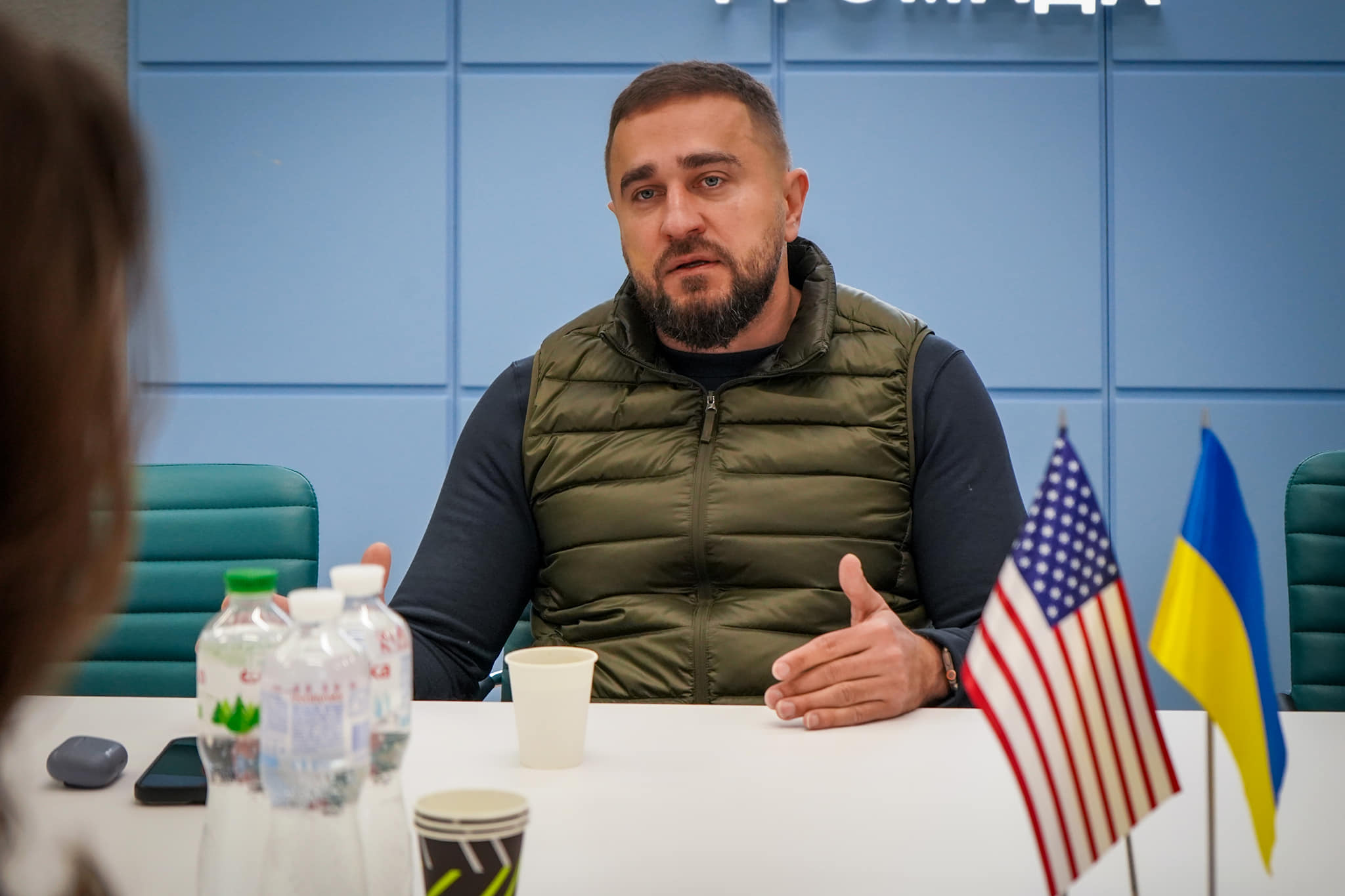 Deputy Mayor Serhii Korenev explained the reasons for the delays in construction work in Mykolaiv. Photo: Mykolaiv City Council
In Mykolaiv, there are completed works for which payment cannot be made
Deputy Mayor Serhii Korenev told NikVesti that construction work is continuing on all sites for which contracts have been signed. At the same time, delays by the State Treasury are already affecting payments to contractors.
«There is currently a problem with payments being made by the State Treasury Service. Unfortunately, payments have not been made for quite some time, and this is effectively slowing down the work,» said Serhii Korenev.
According to him, there are already several completed projects in the city for which payments cannot be made. In particular, he mentioned the canteens at Schools №46 and №52.
«There are several completed projects for which payments cannot yet be made due to delays by the Treasury. In particular, the canteens at Schools №46 and №52 have been completed. The process of commissioning them is currently underway,» said the deputy mayor.
Thus, according to the official, work on these projects has been completed, but the commissioning process is ongoing, whilst payments are being delayed.
At the same time, Serhii Korenev emphasised that problems with the implementation of construction projects are not limited to the Treasury’s work. Among other reasons, he cited the need to amend designs, a shortage of workers among contractors, and the late receipt of state funding.
«There are many problems; this is construction, after all, not buying a car or equipment. They are linked to the design phase, the need to make adjustments to the designs, and the need to recruit additional workers to replace those who have been called up for military service,» explained Serhii Korenev.
 Design of the canteen at Gymnasium №46. Illustration from the Dream platform
According to Serhii Korenev, the construction timetable is also affected by the late receipt of state grants. In particular, funding for some projects in 2026 was only received at the end of May, so it was impossible to start work any earlier.
As for why the Urban Development Department plans significant expenditure every year but fails to utilise it, the deputy mayor explained that without the allocated funding, the department cannot enter into contractual obligations.
«By law, if funding for a project is not allocated, it is effectively impossible to start construction. In such cases, a contract must be drawn up for several years, as legal obligations cannot be entered into without the allocated funding,» explained Serhii Korenev.
Furthermore, in order to implement projects funded by state grants, the city must provide its own share of the funding. According to Serhii Korenev, in some cases the state covers approximately 70 per cent of the cost of the works, whilst the remaining 30 per cent is covered by the city budget.
«If the city does not provide its 30 per cent, it will be impossible to make payments, as the funds come from two sources. For example, out of one million hryvnias, 700,000 are paid from the state subsidy, and 300,000 from the city budget,» he noted.
Why the CCD’s budget was not cut and how contractors are working without payment
Oleksii Savchuk reported that during the latest reallocation of the city budget, the department’s expenditure was not cut. He explained this by the fact that a significant portion of the allocated funds is linked to state subsidies and mandatory co-financing from the city budget.
According to him, of the CCD’s annual budget of 259.6 million hryvnias, approximately 128 million consists of state subsidies, 54 million is co-funding for subsidised projects, and a further 76 million hryvnias comes from local funds.
«For example, two nursery schools cost 60 million hryvnias. If we take four canteens, that’s already nearly 100 million hryvnias. And that brings the total to 160 million hryvnias just from these two projects,» said the director of the CCD.
He also included the shelters at Lyceums №3 and №38 among such projects. According to the official, there are few facilities funded exclusively from the city budget. Among them is the refurbishment of two sports halls at «Zoria», where military personnel will be able to undergo rehabilitation. The department consulted with specialists from the rehabilitation centre when selecting the equipment.
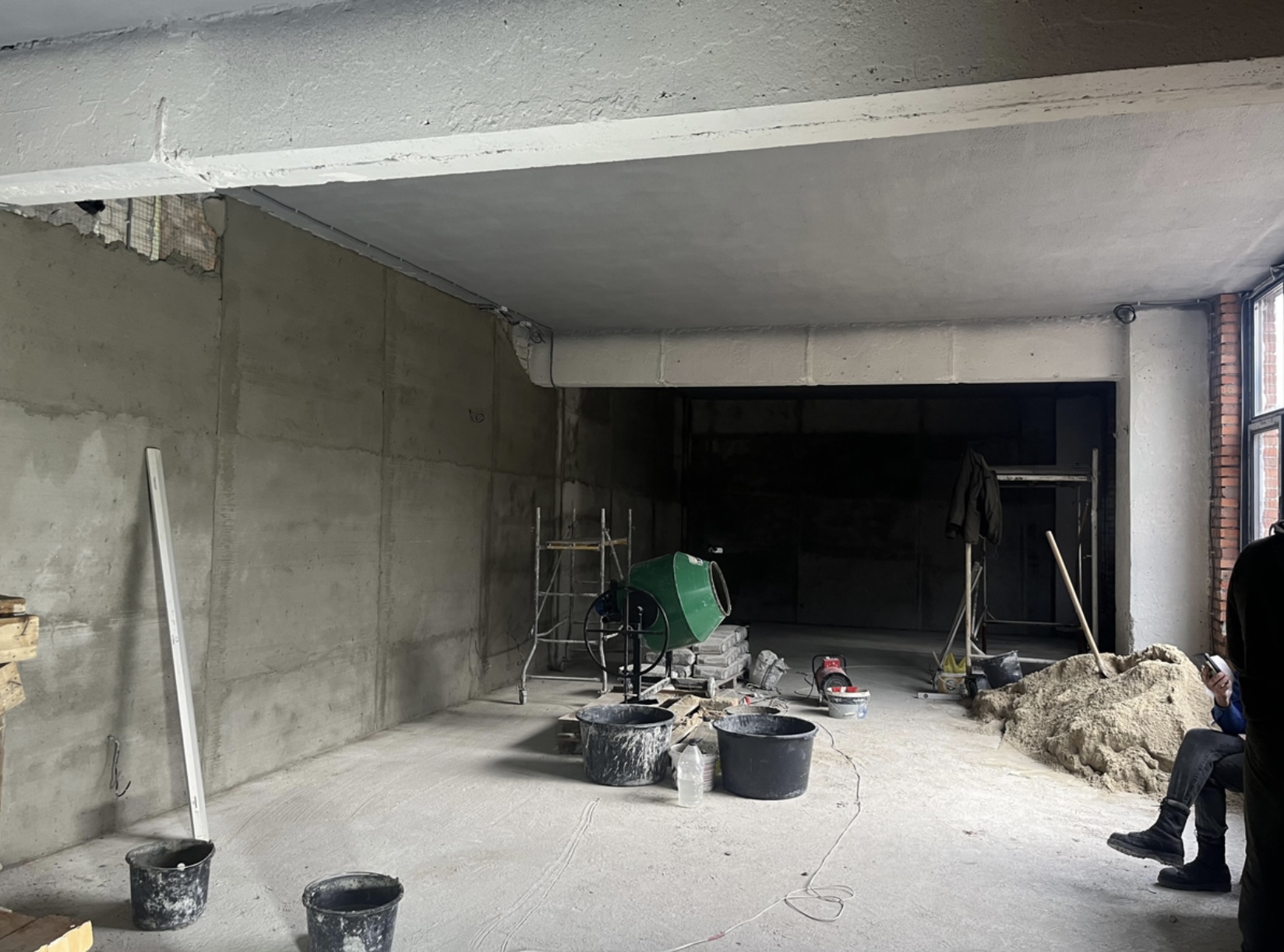 The process of renovating the sports hall at «Zoria», a screenshot from the presentation
He also explained that contractors usually carry out the work first and only receive payment afterwards. Due to delays in payment, some teams are forced to halt work, even if they are ready to continue construction.
«A team would arrive at the site, carry out the work, submit an invoice for 300,000 hryvnias and say: «You’re not paying, so we’re stopping until we receive the funds.» And that did happen,» said Oleksii Savchuk.
According to him, at some sites, payments were made only once a month or every month and a half. The CCD is now starting to make advance payments so that contractors can purchase materials at the prices stipulated in the contracts.
Oleksii Savchuk claims that the price of steel has risen by 25–30 per cent since certain contracts were signed. For work on the shelters at nursery schools №75 and №126, the plan this year was to excavate the foundations and partially concrete them, at a total cost of around 60 million hryvnias. At the same time, even the delivery of specialised machinery from another region, as he points out, can cost around 300,000 hryvnias, so contractors need assurance that they will be paid on time.
The Association of Ukrainian Cities is calling for the unblocking of payments to local authorities
The problem with budget payments has become a nationwide issue. On 1 October, the Executive Board of the Association of Ukrainian Cities appealed to Prime Minister Serhii Koretskyi, demanding the immediate resumption of payments to local budgets.
The Association stated that local authorities are unable to pay for some of the necessary works and services, even though they have funds in their accounts and the payments comply with the requirements of Resolution №590.
According to the Association of Ukrainian Cities, the restrictions have affected the procurement of fuel for emergency services vehicles, as well as payments for works and equipment for educational, medical and social institutions. Communities have also reported problems with funding preparations for the heating season, repairs to damaged infrastructure and energy facilities.
In its appeal, the Association warned that delays in payments to suppliers, utility companies and contractors could jeopardise the operation of local services.
Furthermore, the Association called on the government to resolve the issue of penalties that may arise due to local authorities’ late payments under contracts and loan obligations.
Oksana Prodan, an adviser to the chair of the Association of Ukrainian Cities, told NikVesti that following the appeal, a meeting took place between the Prime Minister and the heads of local authorities. The Mayor of Mykolaiv, Oleksandr Sienkevych, personally attended the meeting.
«We have not yet received an official response. Following the appeal, the Prime Minister of Ukraine met with the heads of local authorities — members of the Association of Ukrainian Cities — and the Mayor of Mykolaiv, Oleksandr Sienkevych, was present in person. Following the meeting, the Prime Minister of Ukraine announced on his Facebook page that he would manually unblock the payments. The mechanism for unblocking them is as yet unknown,» said Oksana Prodan.
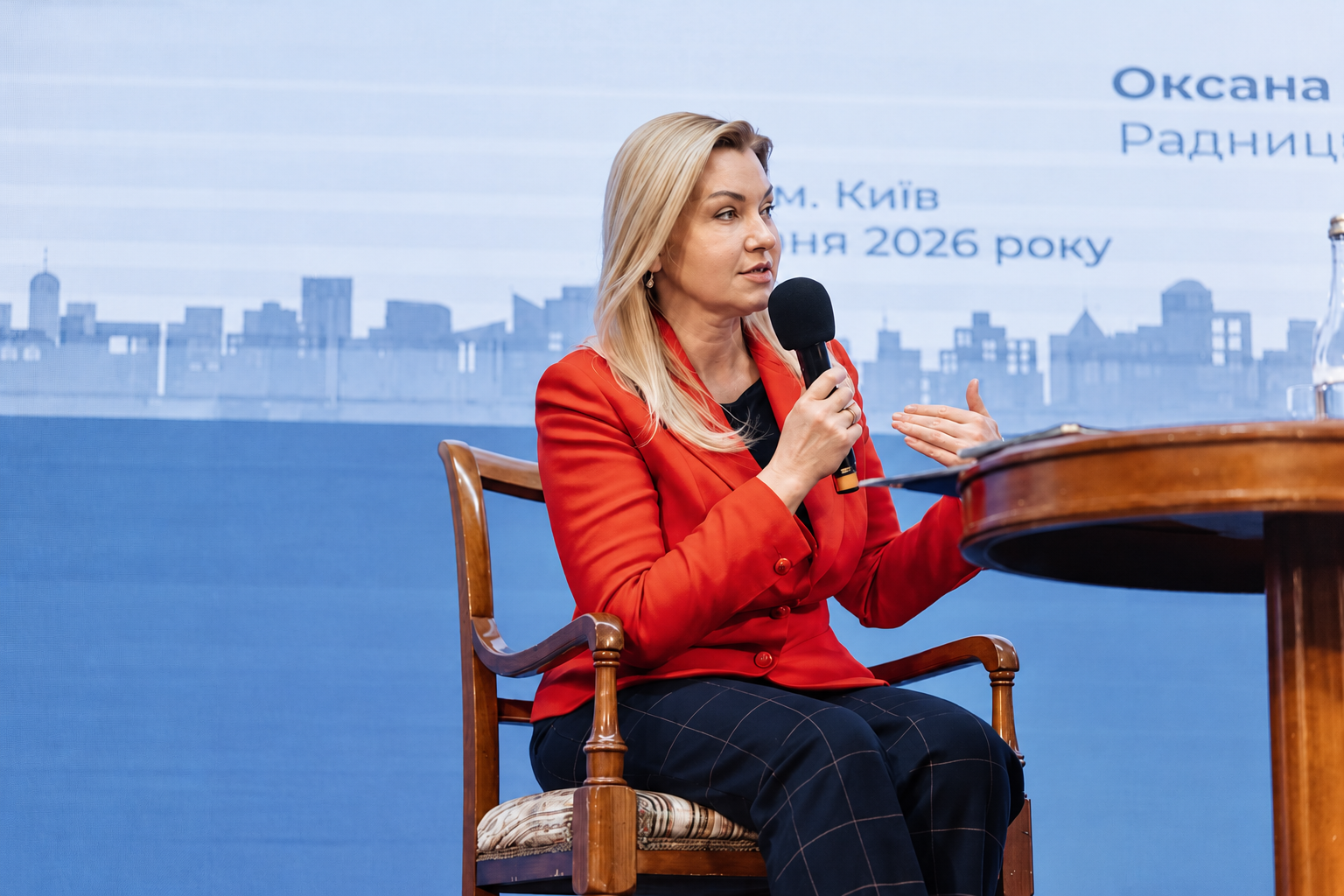 Oksana Prodan, adviser to the chair of the Association of Ukrainian Cities. Archive photo: Business Censor
According to the AUC representative, the problem lies in the fact that local authorities are unable to make payments in accordance with the order of priority set by the government.
«All payments in the second and third priority categories, as defined by Government Resolution 590, have been blocked. The payments comply with Resolution 590 but are not being processed. Without any official justification,» stated Oksana Prodan.
A particular risk, she said, lies in the potential financial consequences for local authorities. If the client fails to pay for the work within the timeframe specified in the contract, contractors may demand penalty charges.
«Yes, this situation is already occurring. Local authorities may be forced to pay interest and penalties for failing to meet their obligations. What is more, they cannot even use their own loans, yet will still have to pay interest,» explained Oksana Prodan.
On 12 October, the Association of Ukrainian Cities (AUC) once again drew attention to the problem, stating that local authorities had been unable to make full use of their own budget funds for nearly a month. Consequently, as of mid-October, the issue of resuming payments remained unresolved.
Will Mykolaiv manage to settle its accounts with contractors by the end of the year?
Previously, the city authorities explained that they were deferring some payments for capital works until the end of the year in order to prioritise essential needs. Now, however, these payments are being hampered by restrictions imposed by the Treasury.
Oleksandr Sienkevych reported that since the start of the year, the city has been operating under strict austerity measures and reviewing its expenditure.
«The possibility of settling payments for capital works by the end of the year depends on the order of priority for payments established by law and the Treasury’s ability to process them. In particular, we are taking into account the requirements of Resolution №590 of the Cabinet of Ministers of Ukraine,» the mayor noted.
According to him, the city continues to plan payments taking into account available funds; however, it is not yet possible to determine what amount will be transferred to contractors by the end of 2026.
«At present, it is difficult to forecast the final amounts of payments by the end of the year, as the situation depends on the Treasury’s future payment schedule,» said Oleksandr Sienkevych.
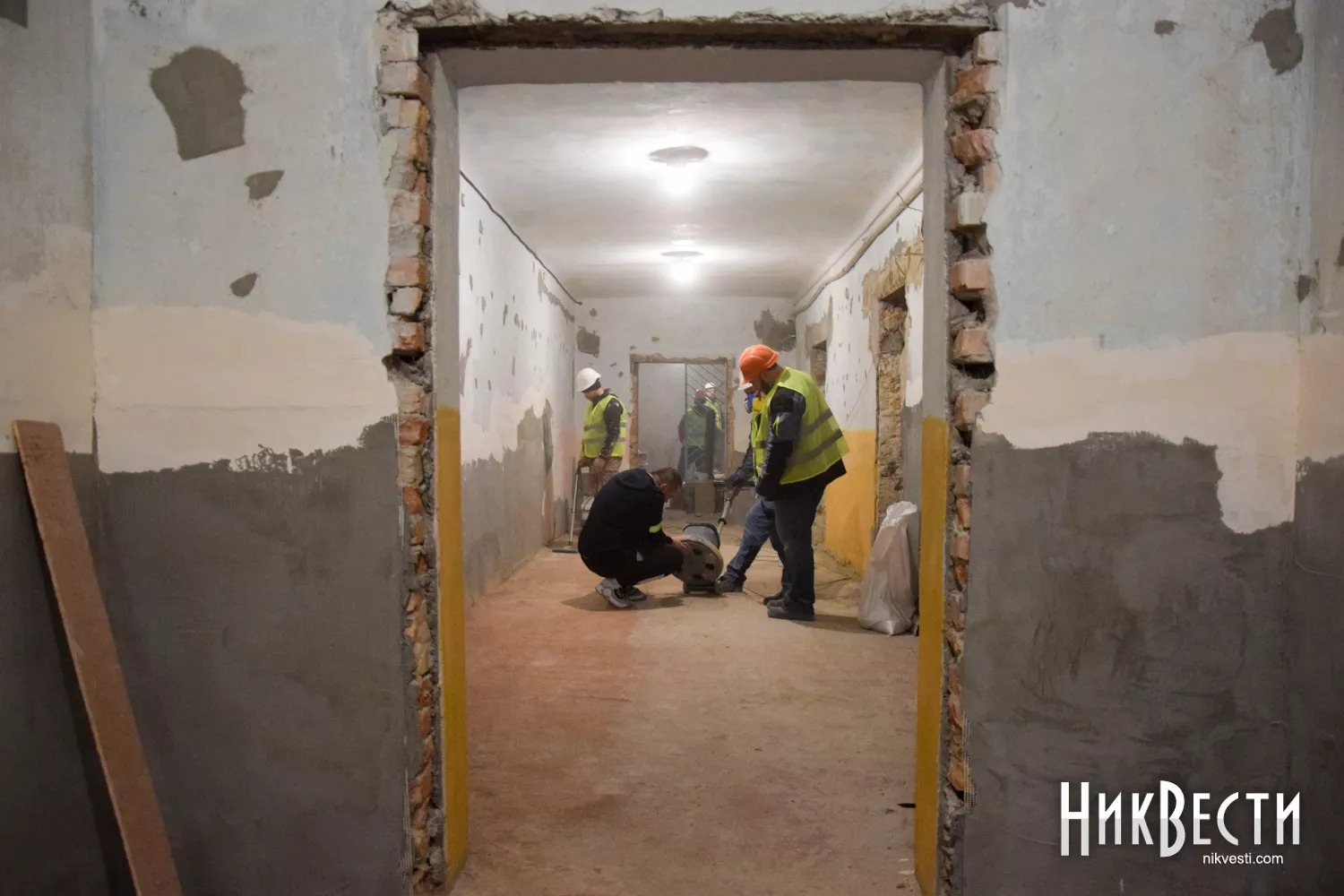 Renovation work at one of the sites in Mykolaiv. Photo: NikVesti archive
However, unused funds from the city budget do not automatically disappear after 31 December.
«According to budgetary legislation, the budget period ends on 31 December and the accounts for the current year are closed. At the same time, the local authority’s unspent funds do not disappear but are recorded as budget surpluses,» explained the mayor.
However, this does not mean that all the money earmarked for construction in 2026 can be used for the same projects next year without further decisions.
«The possibility of channelling these funds towards planned works in 2027 will depend on the designated purpose of the funds, the sources of funding and the relevant budgetary decisions. Therefore, each such situation must be considered on a case-by-case basis, in accordance with the requirements of the law,» noted Oleksandr Sienkevych.
Deputy Mayor Serhii Korenev also emphasised that the rules for using state grants vary depending on the programme and the source of funding.
«It all depends on the type of grant and the specific project. There are grants that carry over to the following year, and there are those that are first returned and then reallocated. And there are funds that cannot be used at a later date,» he explained.
According to the deputy mayor, funds for construction projects may come from various sources, including government ministries or European programmes. Therefore, the issue of further funding must be resolved on a case-by-case basis for each project.
Consequently, the possibility of using unspent funds in 2027 will depend on the source of funding and the conditions of the specific programme.
What the CCD plans to complete by the end of the year
Oleksii Savchuk expects to complete the canteens at Gymnasiums №46 and №52 by the end of 2026. He also hopes to complete work on Outpatient Clinic №5 on Bohoiavlenskyi Avenue, though he emphasises that the pace of progress depends on payments being made by the Treasury.
According to him, work on the shelters at Lyceums №3 and №38 is scheduled to be completed this year, with the facilities due to be commissioned in 2027. Work on the shelters at City Hospital №1 and the continuation of construction of new shelters at nursery schools №75 and №126 has also been postponed until next year.
As for the two sports halls at «Zoria», part of the work is expected to be completed this year, whilst the accessible shower cubicles will likely be fitted out next year.
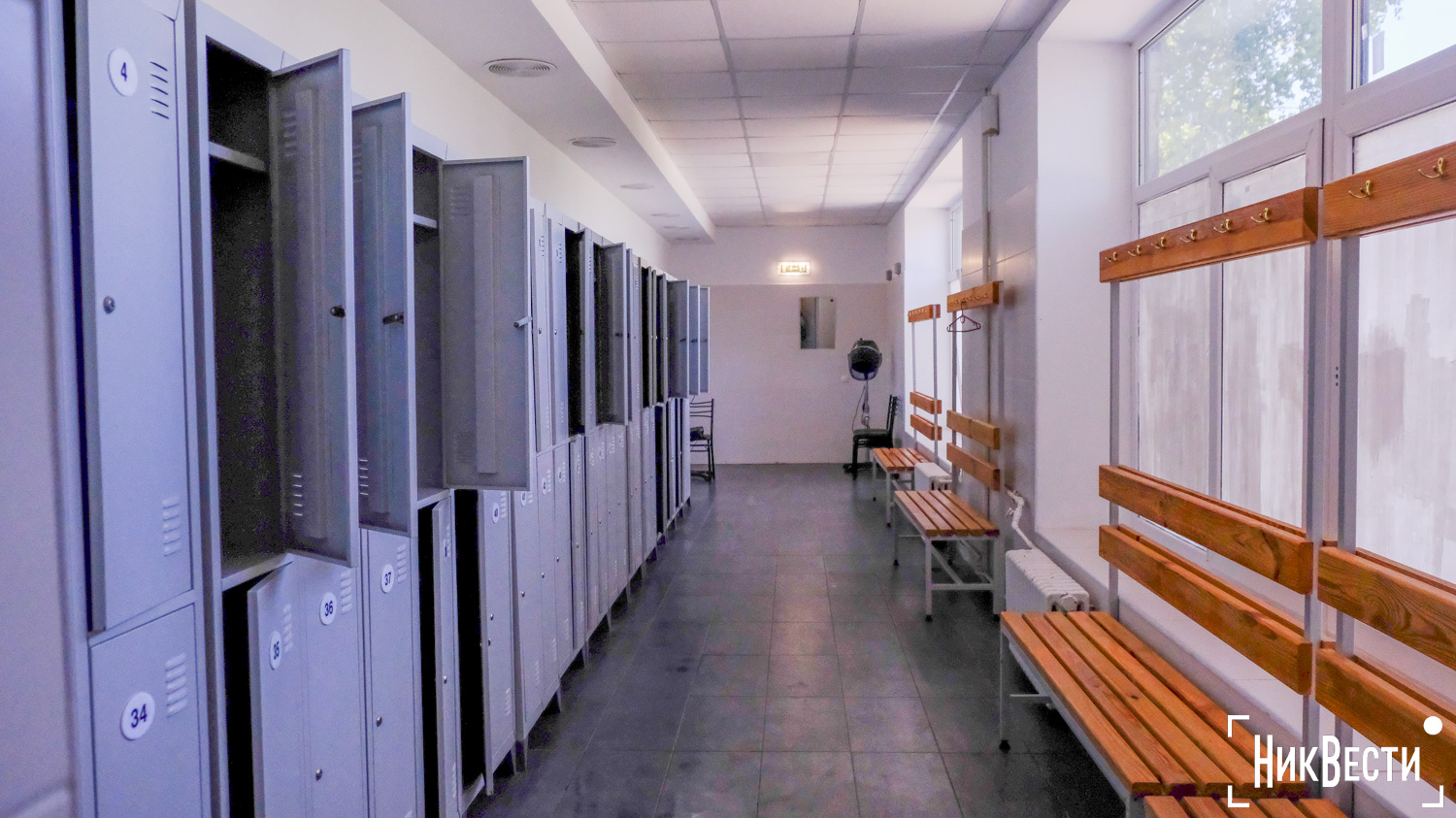 The refurbished municipal swimming pool at the «Zoria» sports complex, August 2024, photo from the NikVesti archive
Before the Treasury suspended payments, the Mykolaiv Capital Construction Department had expected to utilise around 70 per cent of the funds planned for 2026.
«Before the Treasury suspended payments, I could see that it was realistic to achieve 70 per cent of the target,» said Oleksii Savchuk, commenting on the preliminary budget implementation forecast.
The director of the Capital Construction Department is not specifying a precise figure for expenditure by the end of the year: everything will depend on when and to what extent the Treasury resumes payments. According to him, the department is focusing its efforts on projects funded by state subsidies to ensure that funding is not lost.
«When it comes to local budget funds, we understand that they will carry over to next year; they won’t just disappear. But the situation is different with state subsidies,» explained Oleksii Savchuk.
It is currently unknown whether these and other payments will be made by 31 December. According to Oleksandr Sienkevych, this will depend on the Treasury’s future actions.