Don't leave your child alone with war: how a free psychological assistance centre began operating in Mykolaiv
- Iryna Olekhnovych
-
•
-
18:06, 21 November, 2025
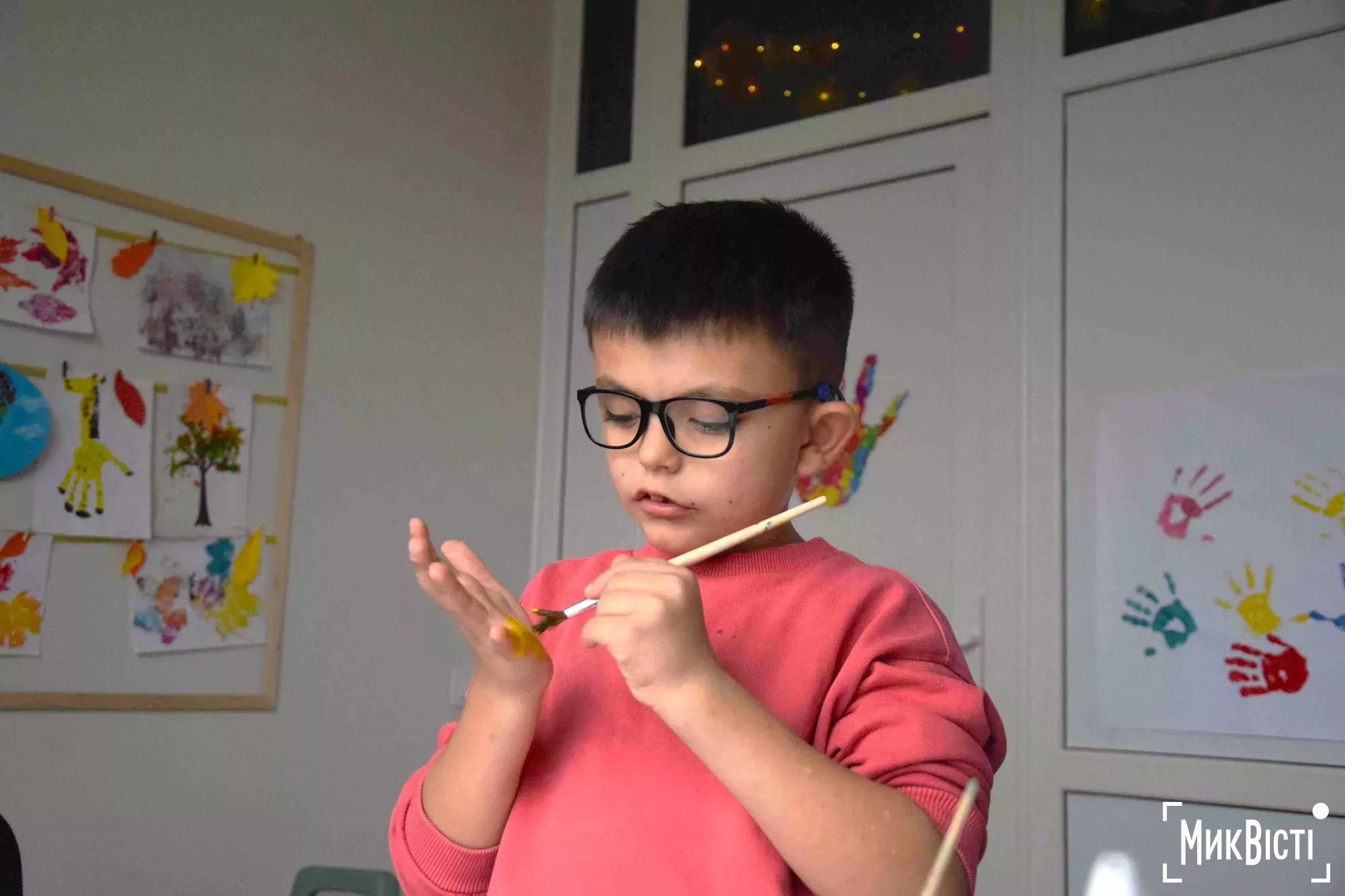 Kinder Velt Psychological Assistance Centre for Children in Mykolaiv. Photo: NikVesti
War is one of the most difficult experiences a person can go through. It not only destroys homes, but also significantly affects the psyche of everyone who is forced to live in its reality. And, unfortunately, children are no exception. Explosions, forced relocations, separation from loved ones, a constant sense of threat and traumatic experiences — all this has become a normal part of everyday life for the young people of Mykolaiv.
And it is adults who are responsible today for protecting future generations and giving them the chance to have a happy, dignified childhood, even in the face of war. After all, time does not stand still, and every moment a child is left alone with fear can have consequences for the rest of their life.
In this article, NikVesti will tell you more about the Kinder Velt charity centre, one of the places that helps children every day to regain their trust in the world, restore their joy and give them back that lost sense of security that should be the foundation of healthy and happy development.
The history of the Kinder Velt charity centre
The first Kinder Velt centre was opened in 2020 in Odesa as a charity project that provided free psychological support to children with autism spectrum disorders, says Anna Kostenko, manager of the Mykolaiv branch. Later, in 2022, after the start of the full-scale invasion, it began to provide assistance to children suffering from the effects of war.
The founder of the network is David Roitman, an Israeli of Ukrainian origin, Israeli special forces officer and philanthropist. This is where the name of the centre, Kinder Velt, comes from: translated from Yiddish, it «children's world», because each branch creates a space where children, regardless of their experiences, can receive professional help and support.
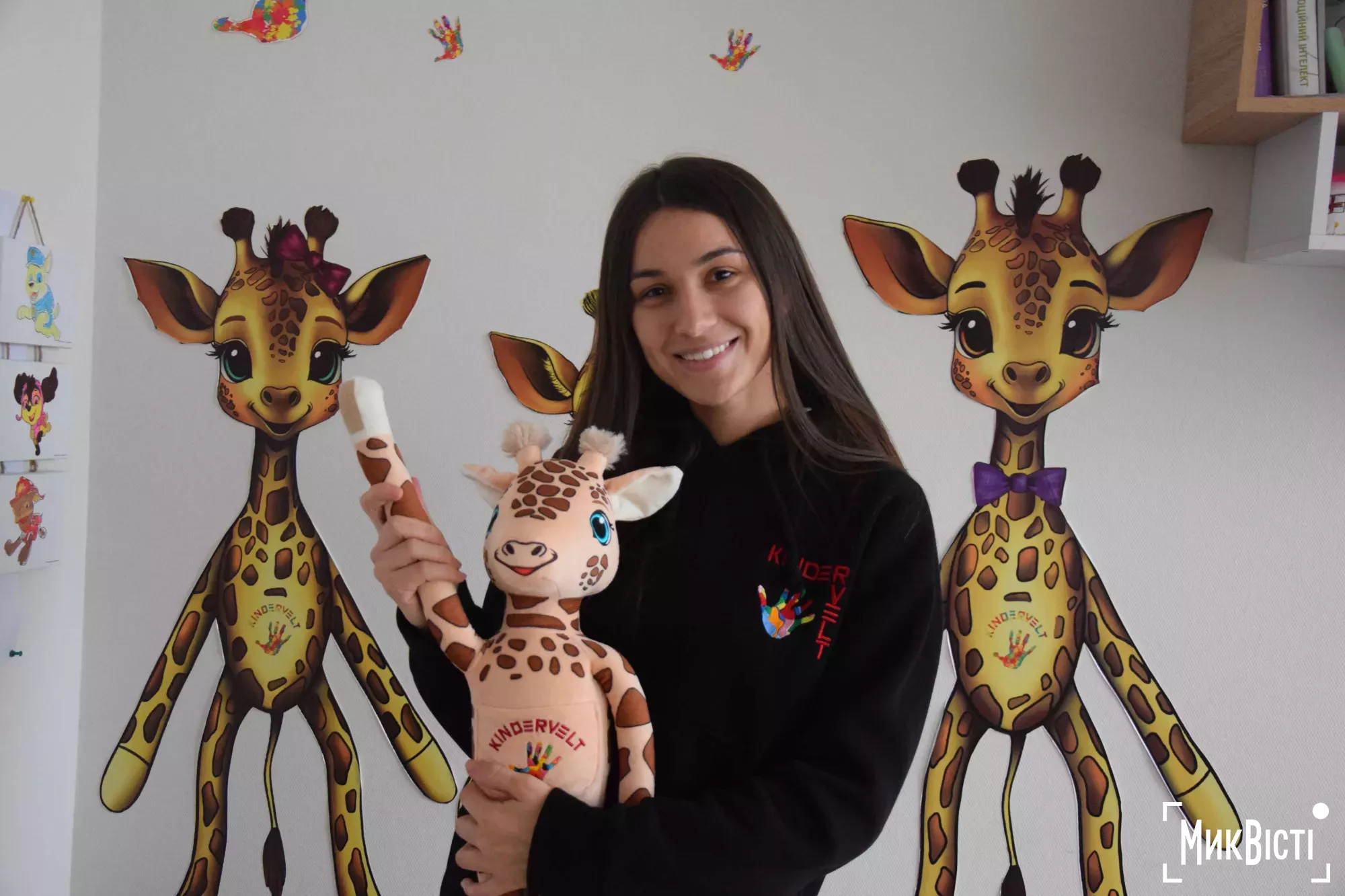 Hanna Kostenko, manager of the centre's Mykolaiv branch. Photo: NikVesti
Today, there are already four branches: in Kyiv, Kharkiv, Odesa and Mykolaiv. The Mykolaiv centre began its work in April 2025 to help children aged 3 to 18 find support, cope with their experiences and at least partially distract themselves from the realities of war.
«We believe that Mykolaiv is a hero city, a city that has been and continues to be under fire, a city that has come a long way. This year, when we first opened, not all schools and kindergartens were operating. The children were just sitting at home. Under these constant sirens. And then the blackouts began. There was a demand. On the very first day, we already had six children. In two weeks, we had a total of 13 children. And now they are still coming, and coming. We even have a reserve of children,» shared Hanna Kostenko.
In eight months of operation, the centre has released 14 children who have completed the full range of programmes. Some of the children continue to receive assistance outside the main programme. Currently, 63 children are enrolled in the centre on a permanent basis.
What do children in the Mykolaiv region most often face?
Practical psychologist Aliona Savenko said that children most often come to the centre with fears related to explosions and air raid sirens. At the same time, she said, ordinary everyday difficulties have not disappeared — the war has only exacerbated them.
«There are also cases where a child's traumatic experience occurs in the school environment. Or, as I have seen, there is a tendency towards bullying or misunderstandings with teachers,» she explained.
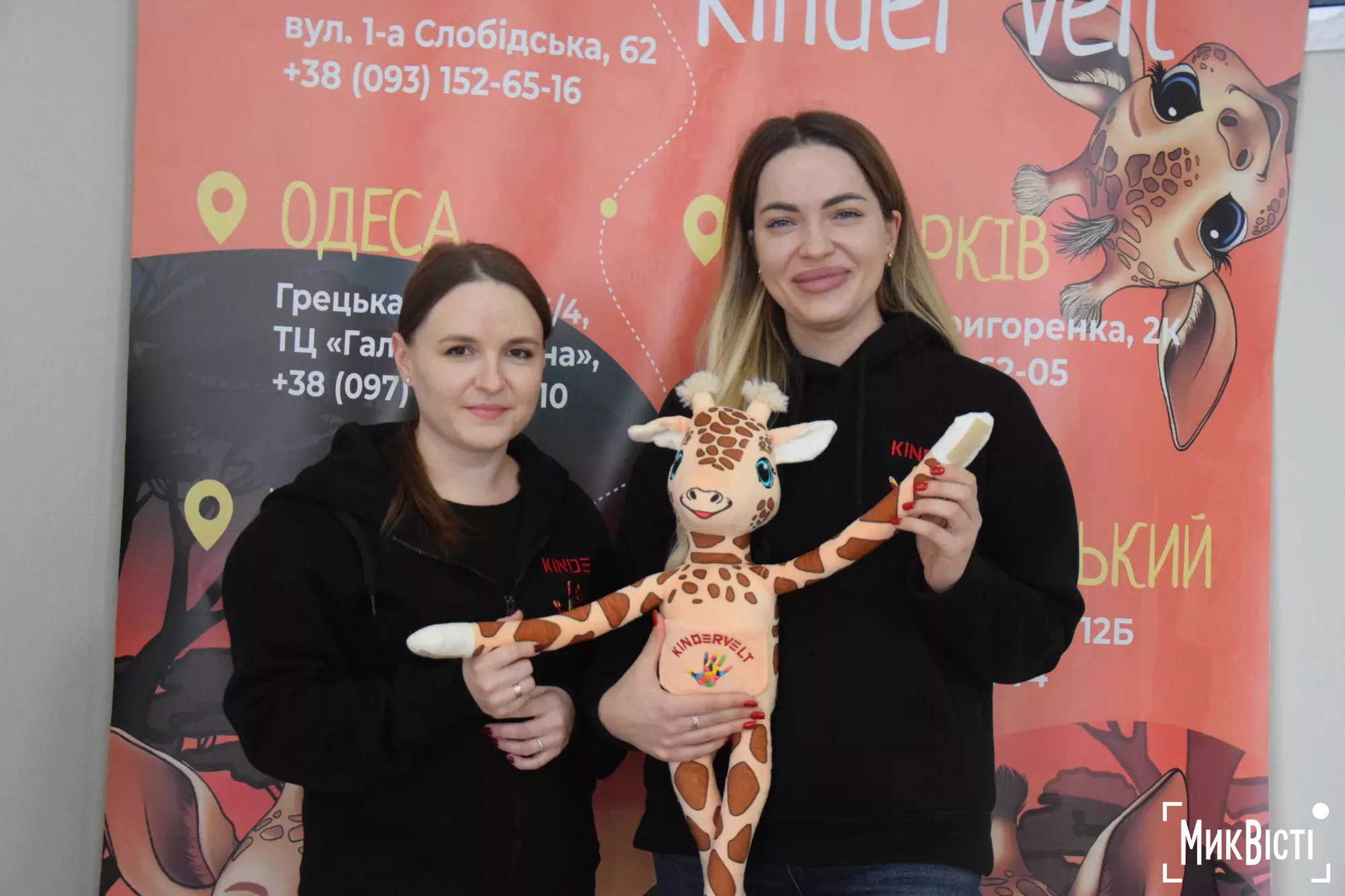 Psychologists Olena and Aliona from the Mykolaiv branch of Kinder Velt. Photo: NikVesti
Another practical psychologist at the centre, Olena Bondarenko, noted that children perceive the war and its consequences in different ways. Even with similar requests, they may be concerned about completely different aspects, and each child experiences this in their own way.
«The first layer that children come with is problems caused by the war: fears, scares, explosions, sirens. That's the basis. But no one has cancelled out the usual problems. Whereas psychologists used to deal with children's fears, now they have to deal with war and war-related problems as well. And then there are the usual childhood problems on top of that. For example, I have little kids, 4–5 years old. And there is a 4-year-old girl who is afraid of "shahids" and explosions and talks about it all the time. And there are children who may not have heard about explosions. They simply have the usual childhood problems: they are afraid of the dark, of being without their mother. These issues do not trigger them very much,» the psychologist shared.
She also emphasised that the impact of war on children is not limited to fears of the sounds of explosions or sirens.
«Family problems are also related to the war. For example, (a child suffers, — note) not from the fear of explosions itself, but because their father is fighting in the war. And for them, this is, of course, stressful and triggering. Some feel anger, some feel fear, some feel loneliness and insecurity. Many have moved — we have many children who have come from other communities, such as Kherson and Chornobaivka. The fear of losing one's home is difficult for a child to cope with,» said Olena Bondarenko.
Working with children requires an individual and sensitive approach
Kinder Velt says that each programme is tailored individually and adapted to the specific needs of the child. The basic course includes five to ten sessions and three consultations, but if necessary, children can continue to visit the centre's psychologists after its completion. As the specialists explain, there is no universal duration: some people need only a few sessions to stabilise their emotional state, while others need months of psychological support.
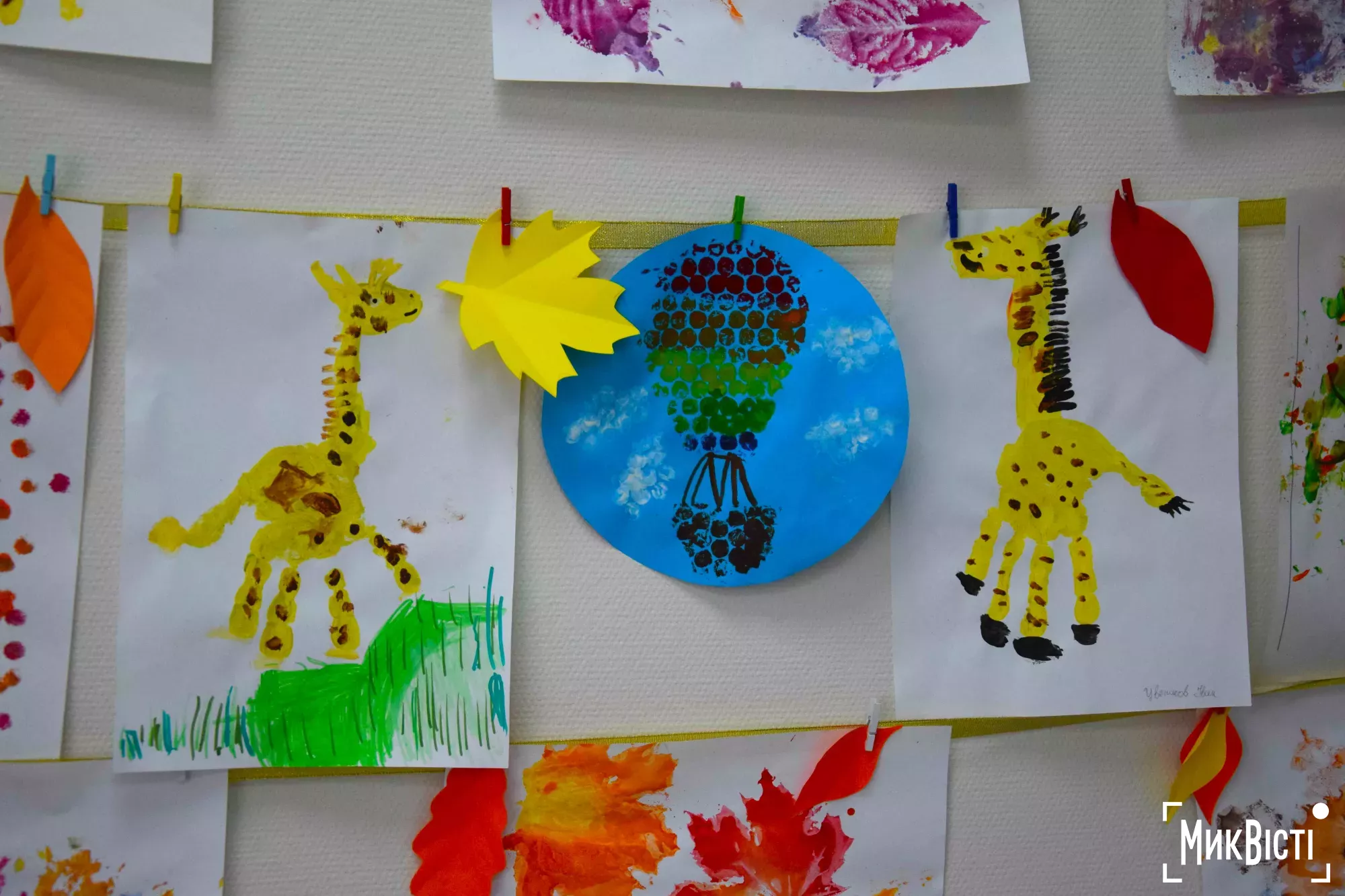 The Kinder Velt psychological assistance centre for children operates in Mykolaiv. Photo: NikVesti
Psychologists consider the first consultation to be crucial. It is at this stage that the model for further work is determined and trust between the child and the specialist begins to form. During the meeting, the specialist talks to the parents and gets to know the child. Psychologists find out when and under what circumstances the problem arose, whether it was related to a traumatic event, and whether similar reactions were observed before the war began.
«That is, during the first consultation, we determine the cause — and this is always done together with the parents. If necessary, we take a medical history, but this is very rare. Then, after we consult, we gradually choose which methods to work with. This is because, for example, even though there is one and the same request — fear of explosions — the same method is not always suitable for all children. This is normal. For some, the Rafa-Giraffe programme is suitable right away, we can feel it, and it works immediately. Others need a little more time to get used to it,» the centre explained.
Creativity as a way of self-healing
Art therapy is one of the most effective methods of working with children who have experienced stress or traumatic events, explain the centre's specialists. It helps to gently process experiences, allows children to express without words what is sometimes so difficult to put into words, and helps to restore inner balance.
Olena Bondarenko says that art therapy is the centre's main method — and at the same time one of the most effective:
«In general, the main method we work with, and the one that is most suitable for working with children, is art therapy. It is therapy through creativity. It includes many different sub-methods: drawing, modelling with plasticine, possibly modelling with clay, sand therapy, fairy tale therapy, puppet therapy, music therapy,» she explains.
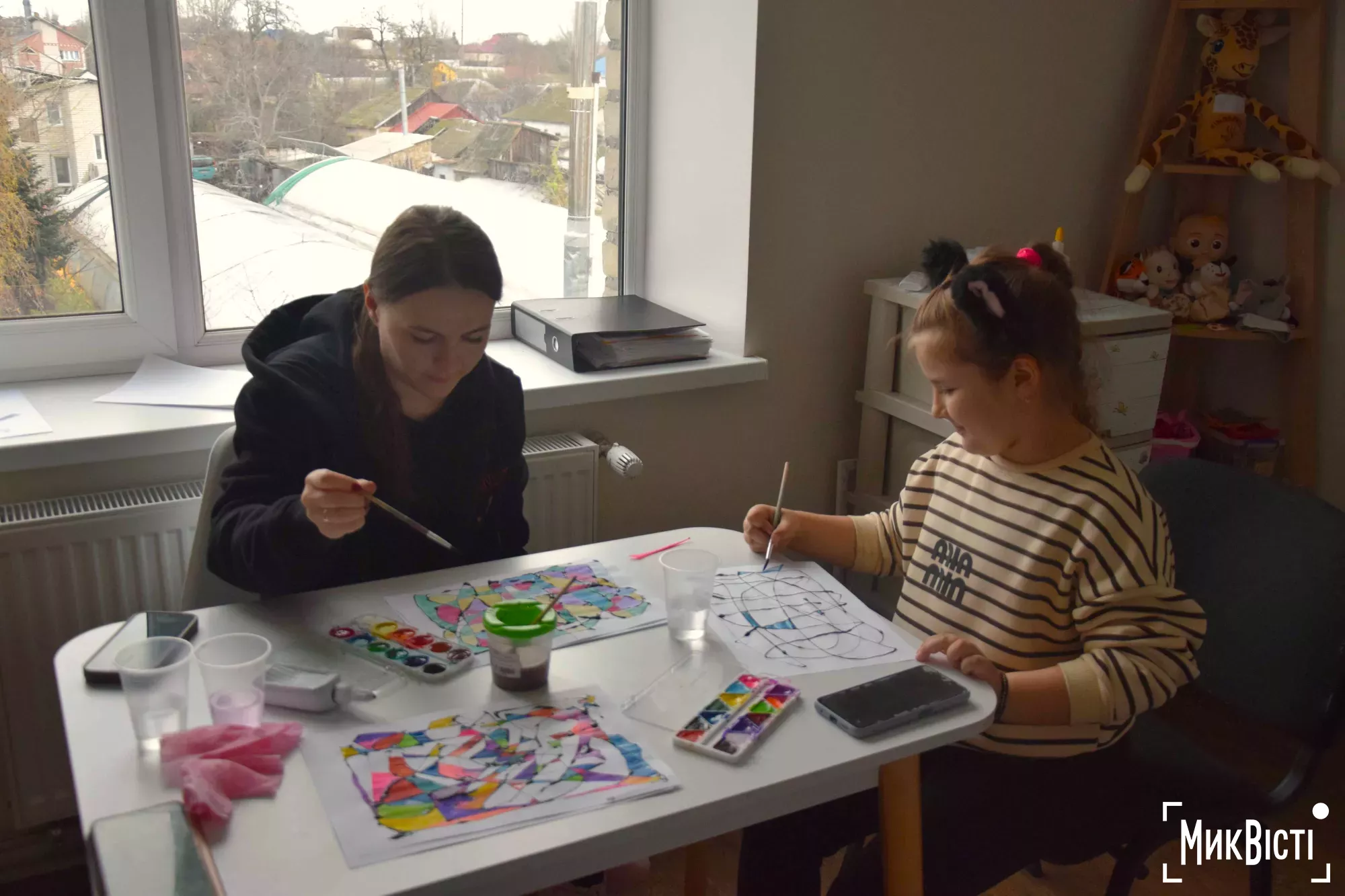 Children during art therapy classes. Photo: NikVesti
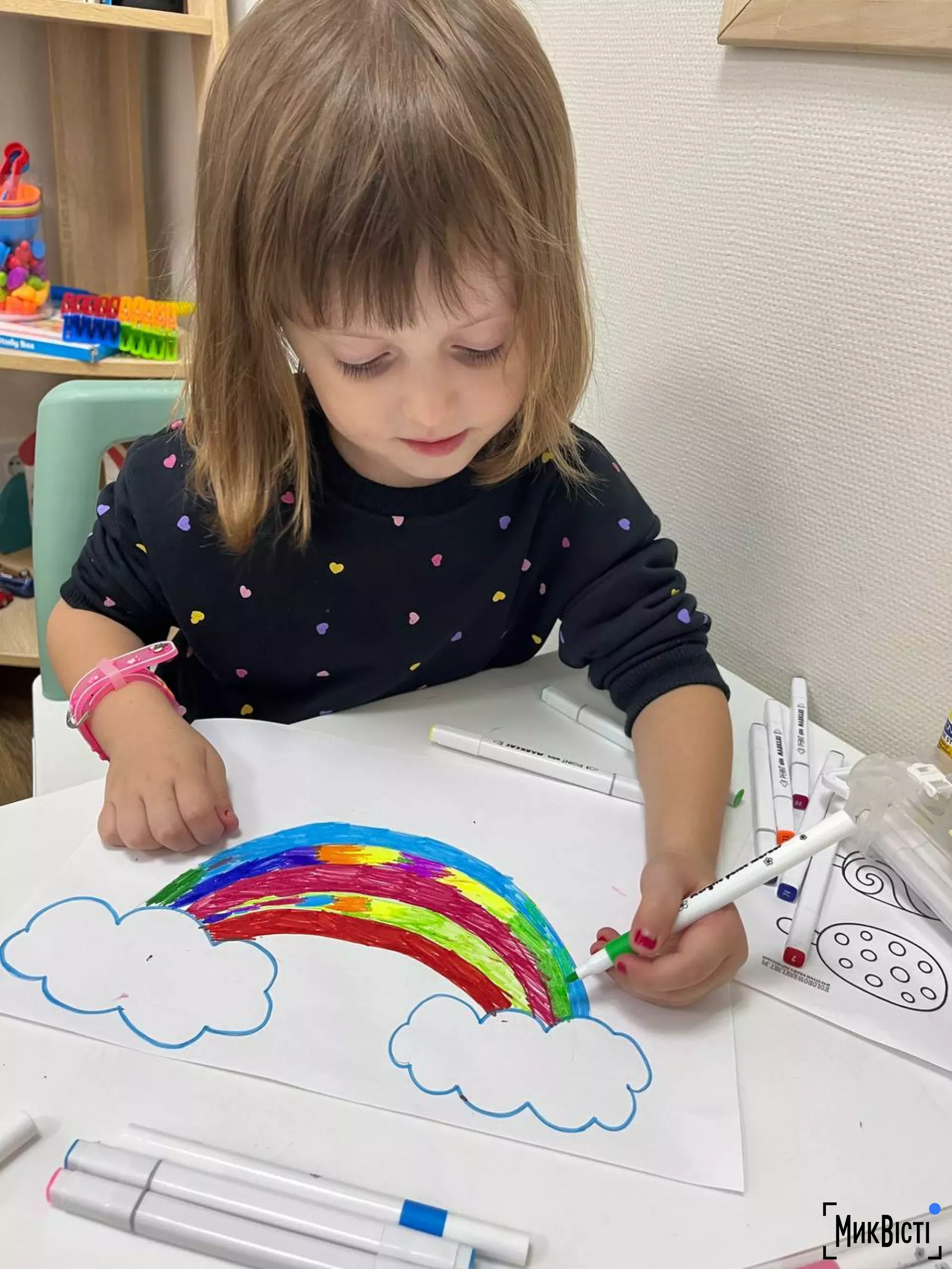 Children during art therapy classes. Photo: Kinder Velt
In addition to creativity, children can engage in play therapy, in particular through working with metaphorical associative cards.
«I have a very powerful deck called 'Best Friend'. It consists entirely of cards with dogs on them. Children sometimes ask me, 'Why dogs?'. It's because they are 'best friends'. For example, I had a child who had problems communicating with peers. Thanks to these cards, we identified the problem and taught her to set boundaries. It's a very powerful tool,» emphasised Alona Savenko.
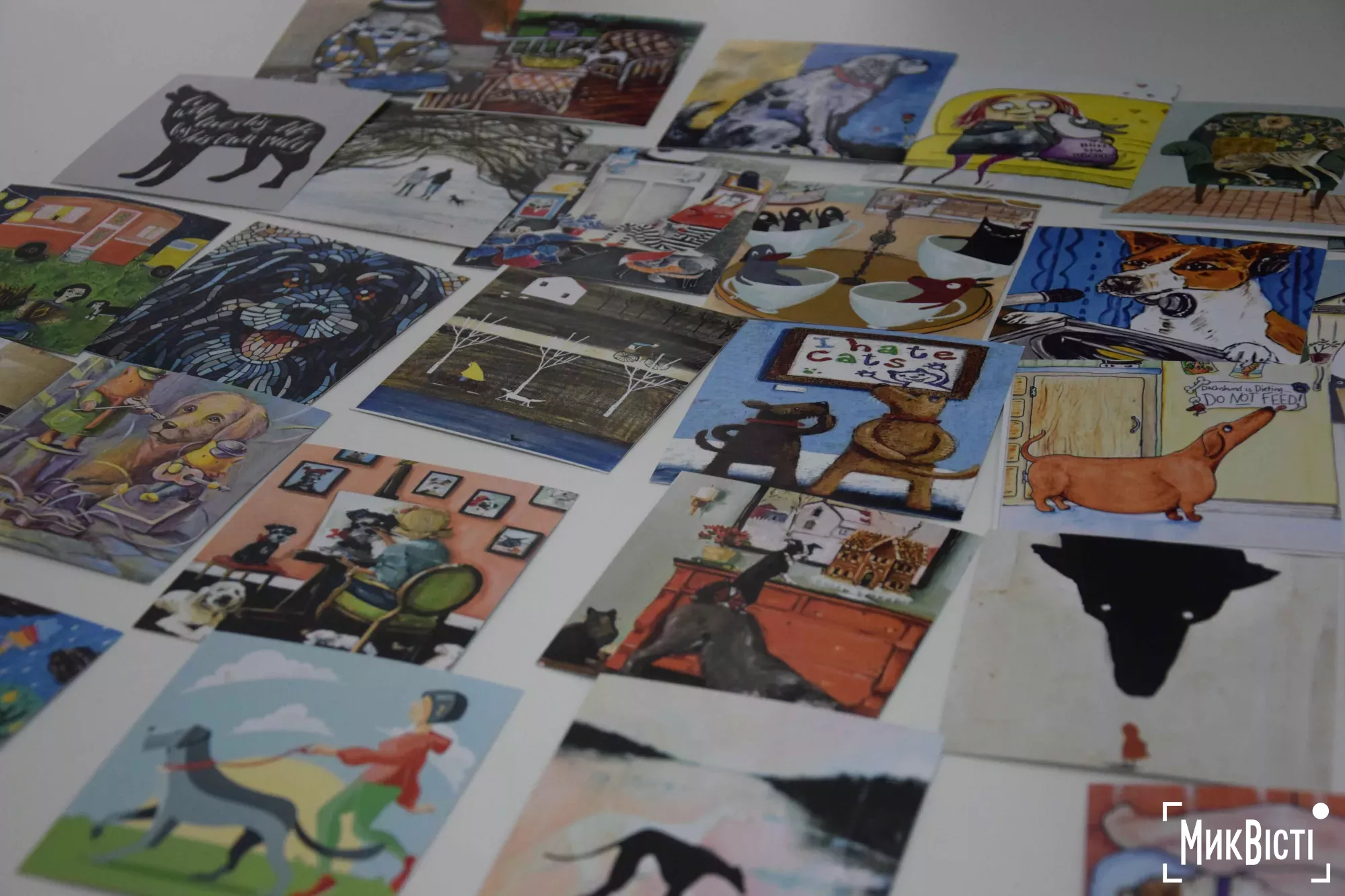 Cards used during therapy. Photo: NikVesti
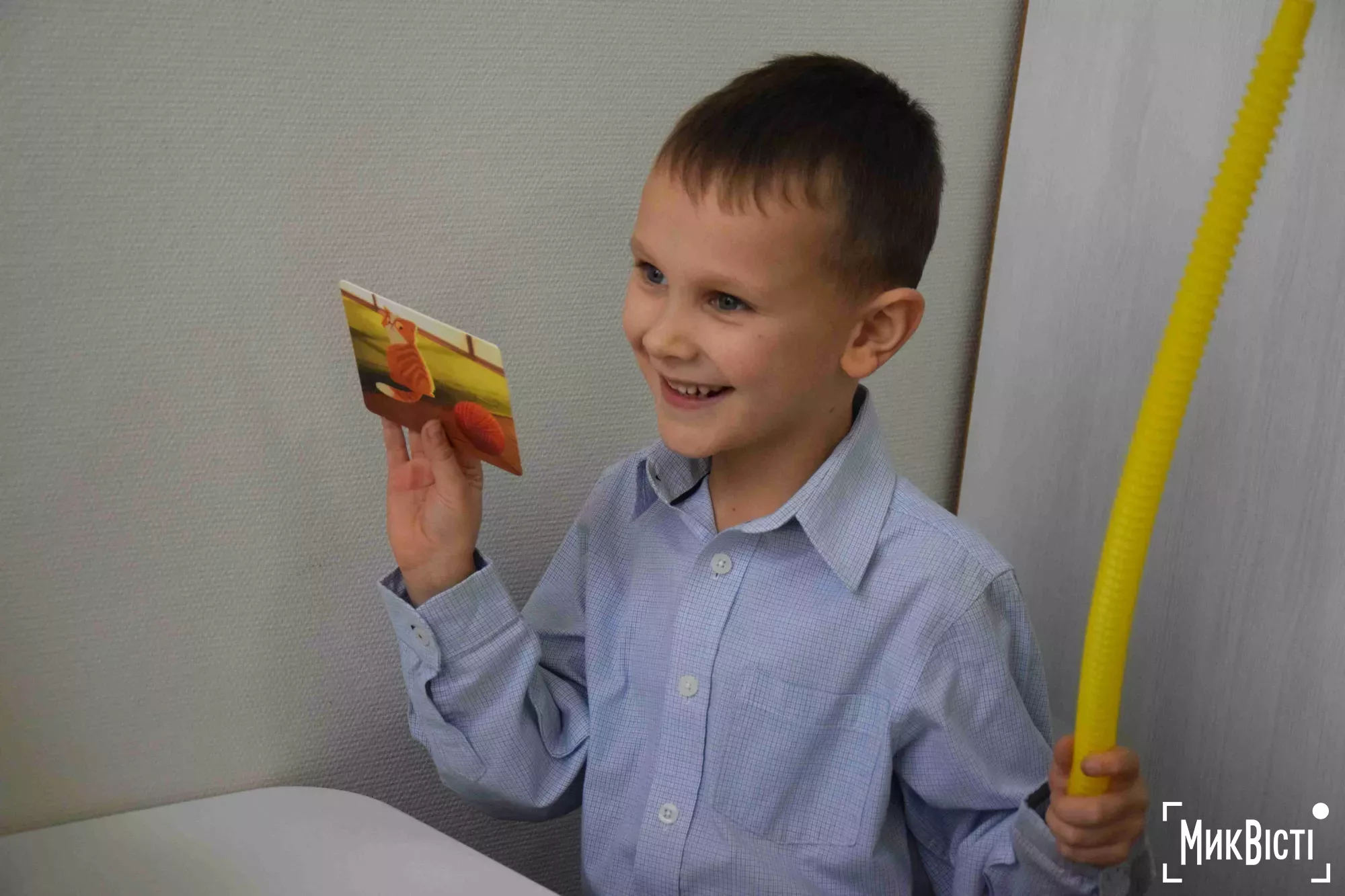 During MAC therapy. Photo: NikVesti
Experts emphasise that the main thing is not to limit the child's creative space. After all, it is through creativity that they best express emotions that they cannot or do not know how to put into words.
«When children come, they are not like adults — they cannot immediately say what is bothering them. They often do not understand or know how to name it themselves. But when they draw, play, work with plasticine or sand, they open up. They may begin to talk about or show their experiences simply in the process,» say the centre's specialists.
If they wish, children can take their work home with them, which becomes an additional source of support and pride in their own achievements.
What is the Rafa-Giraffe programme, or peace through hugs
One of the charity centre's main original developments is the Rafa the Giraffe programme. It was created by Ukrainian specialists in collaboration with the network's psychologists in 2024 as a simple, understandable and safe tool to help children.
 The Rafa-Giraffe toy. Photo: Kinder Velt
At first glance, Rafa the Giraffe is an ordinary soft toy. But, as the specialists explain, its appearance hides a whole system of psychological support.
«If you look at the legs, they have special balls that help the child relieve tension. And the main secret is the pocket on the giraffe's chest. There, the child can hide their little secrets or things that are difficult for them to talk about,» says Aliona Savenko.
The name and image of the giraffe also have symbolic meaning. There is a perception of the giraffe as a pure animal with a big heart. It is this big heart that has become the key symbol of the therapy: during the session, the child not only receives support but also learns to show care, which helps them to restore their own resources.
The toy also serves another important function: children can transfer their emotions and experiences onto it.
«Sometimes a child cannot directly express their fear or anxiety. Then we ask: what is the giraffe feeling? And the child begins to speak on its behalf. Through the toy, they talk about themselves — it's easier and safer that way. Often, what the giraffe is 'experiencing' is very similar to the child's own feelings,» explains the psychologist.
The role of parents in the recovery and support process
Feedback with the family is an essential part of rehabilitation at Kinder Velt. After each session, psychologists provide brief feedback: they explain what changes they have noticed and give advice on what to do at home. In addition, three separate scheduled consultations are held for families — at the beginning, in the middle, and at the end of the course.
«In fact, after each session, we hold a short consultation for the mother. And then there are three main consultations: at the start, in the middle, and at the end,» says Olena Bondarenko.
She emphasises that the environment in which a child lives has a huge impact on the effectiveness of the classes. Therefore, it is not only the child who must change — the adults around them must adapt, learn and become more attentive to their needs.
The centre's specialist admits that psychologists are now facing new challenges. Whereas previously they worked mainly with children's fears and anxieties related to fantasy or everyday situations, today they are dealing with the direct consequences of military action. And although every child experiences war in their own way, it is often parents who unconsciously increase stress by discussing the details of shelling, watching the news with their child or simply commenting on events in their presence.
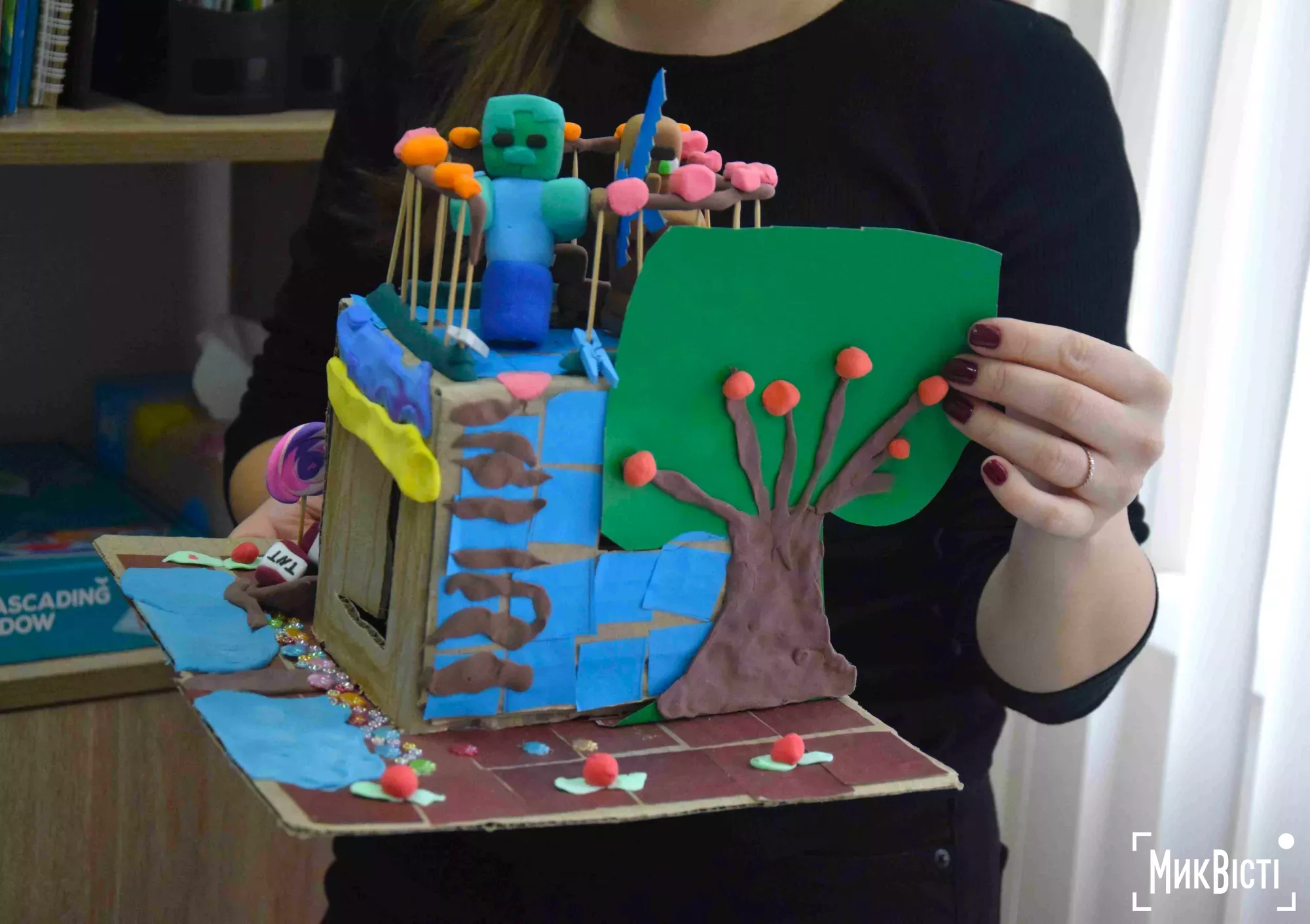 The Kinder Velt psychological assistance centre for children operates in Mykolaiv. Photo: NikVesti
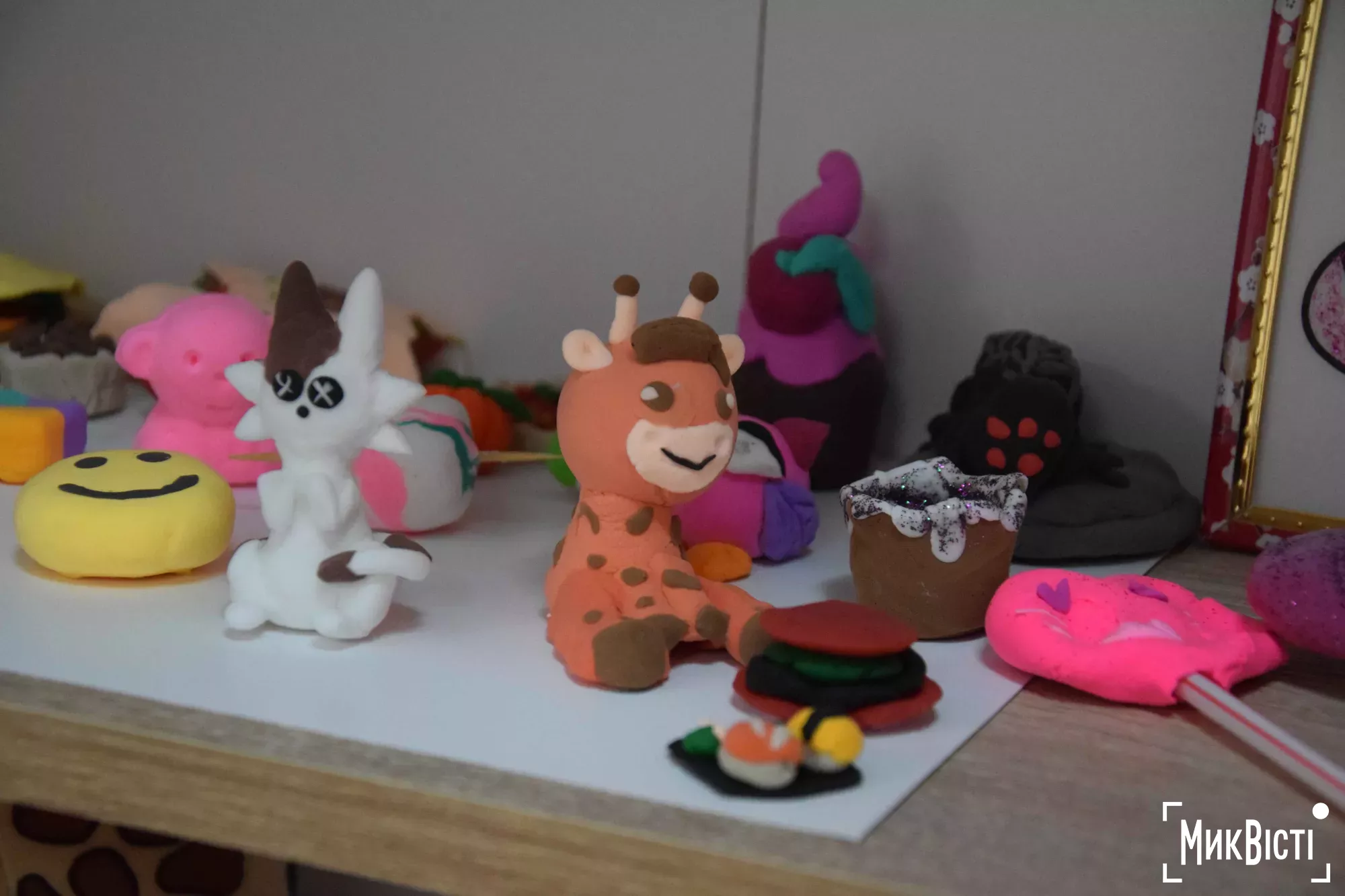 The Kinder Velt psychological assistance centre for children operates in Mykolaiv. Photo: NikVesti
Psychologists joke that sometimes the space becomes therapeutic for the mothers themselves — while the children are in class, the adults can talk to each other or to the manager, share their experiences and take a little break.
Light in the darkness of war
Constant shelling and power cuts have inevitably affected the work of the charity centre. But despite all the challenges, Kinder Velt is not only adapting, but also trying to find the positive in this extremely difficult reality. The centre's premises are secure. The building has autonomous heating, so even during blackouts, it is always warm and optimal conditions for classes are maintained. A shelter has been set up on the premises: in the event of an air raid alarm, with the consent of the parents, the children are taken to a safe place.
According to the centre's practical psychologist Olena Bondarenko, even power cuts have been turned into a game here — «Shadow Theatre». Under the light of a portable lamp or a mobile phone torch, children invent stories, create shadow figures and learn to find the best even in difficult times.
 Shadow theatre. Photo: Kinder Velt
 Shadow theatre. Photo: Kinder Velt
The charity centre emphasised that they will continue to develop and do everything possible to ensure that every child can receive help, warmth and a chance for recovery. You can contact Kinder Velt at 1 Slobidska Street, 62, 3rd floor, room 314. The charity centre is open from 9 a.m. to 6 p.m. on weekdays.