“The situation in the Black Sea near Sulina is becoming critical,” says Yugekotop co-founder Kozyr
The current state of shipping in the Black Sea in the area of the Sulina Canal, as well as off the coasts of Bulgaria and Romania, is characterised by a steady increase in risks for civilian cargo vessels. This is a cause for concern, said Borys Kozyr, co-founder of Yugekotop.
He noted that over recent weeks, drones have been regularly attacking merchant vessels travelling to or from Danube ports. These are no longer isolated incidents, but a systemic threat that has spread to the territorial waters and exclusive economic zones of neighbouring countries.
 Izmail Commercial Seaport. Photo: Yuriy Kvach / Wikimedia Commons (CC BY-SA 4.0)
Kozyr also noted that since the beginning of October, more than a dozen merchant vessels involved in transport from Ukraine or via the Danube corridor have been damaged or sunk in or near Romanian and Bulgarian waters. The Romanian Hydrographic Service has already declared the stretch of sea near Sulina unsafe for navigation. Shipowners are increasingly refusing to enter this area or are sharply raising insurance and freight rates.
— Our company, Yugekotop, completely restructured its operations to focus on the Danube route back in the summer and autumn of 2026. The entire volume — both agricultural exports and imported goods — now passes through Izmail and neighbouring facilities. The Danube is no longer a fallback option but has become a viable operational route, to which we have adapted our processes. The experience we have gained allows us to adapt and fulfil contracts, even when the sea routes of Greater Odesa have come to a standstill. However, if ships stop using this route — as happened with the ports of Greater Odesa — Ukrainian agricultural exports will face another collapse, notes Borys Kozyr.
Without the Sulina Canal and safe access to the Black Sea, this corridor will rapidly lose its effectiveness, and shipowners will simply leave.
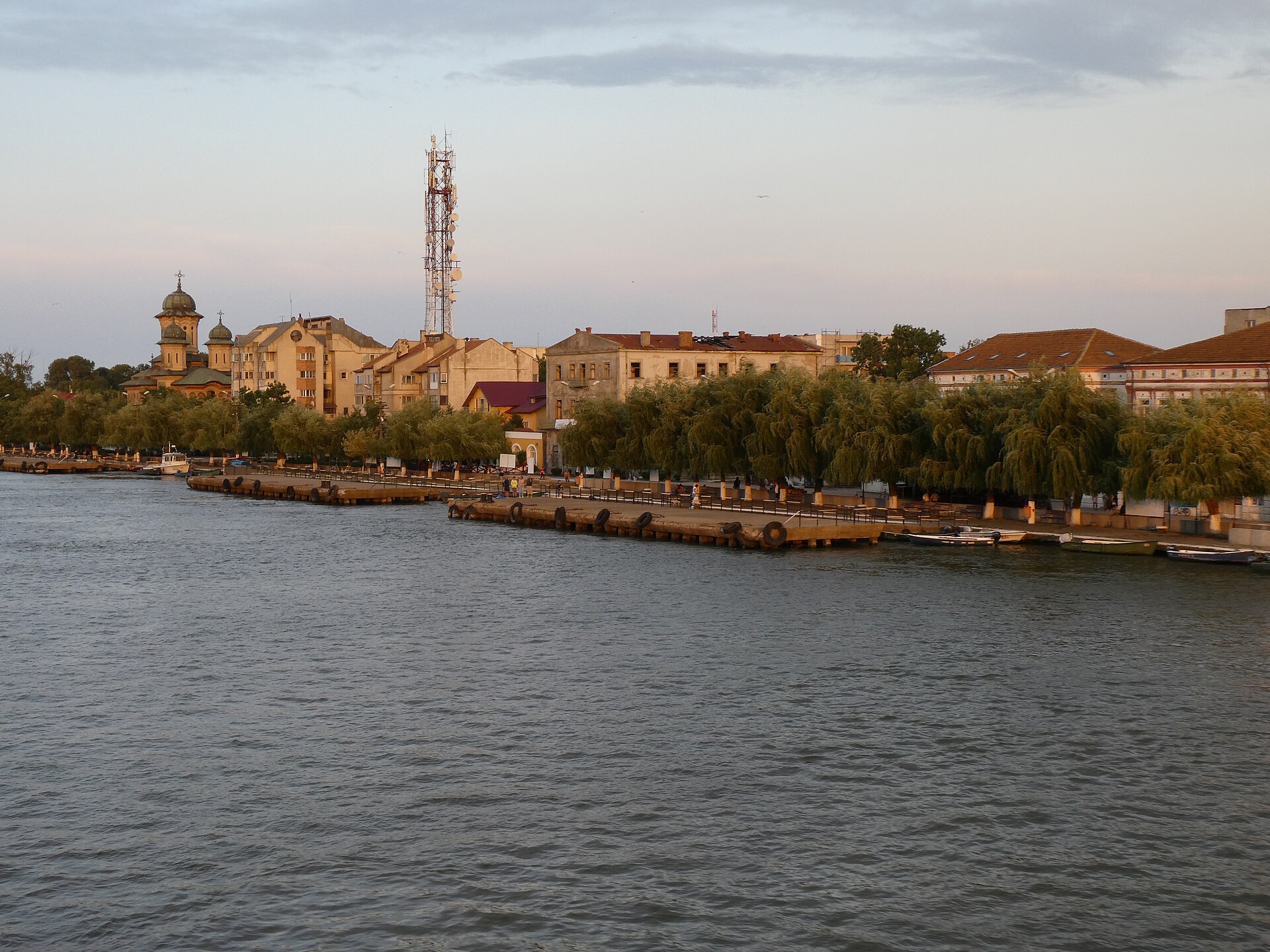 The Sulina branch of the Danube near the town of Sulina. Photo: Analogo / Wikimedia Commons (CC BY-SA 4.0)
The co-founder of Yugekotop notes that alternatives do exist, but they are subject to strict limitations. The main ones are rail and road crossings at the western border towards the Baltic ports or European terminals, as well as transit through Moldova. But even there, a number of problems arise, such as bottlenecks at the borders, issues with warehousing and the risk of new trade restrictions from neighbouring countries.
Ukrainian exports are already feeling the impact. Since the start of the 2026/27 marketing year, around 7.1 million tonnes of cereals and pulses have been exported — a third less than at the same time last year. Wheat exports have fallen by almost 40 per cent, and barley by over 50 per cent. The Ministry of Agrarian Policy notes that alternative routes have “hit a ceiling”.
Kozyr believes that if access to the Danube also becomes unavailable, volumes could fall even further. This would mean a build-up of grain within the country, a collapse in domestic prices, losses for farmers, a reduction in foreign exchange earnings, and pressure on the exchange rate and the budget.
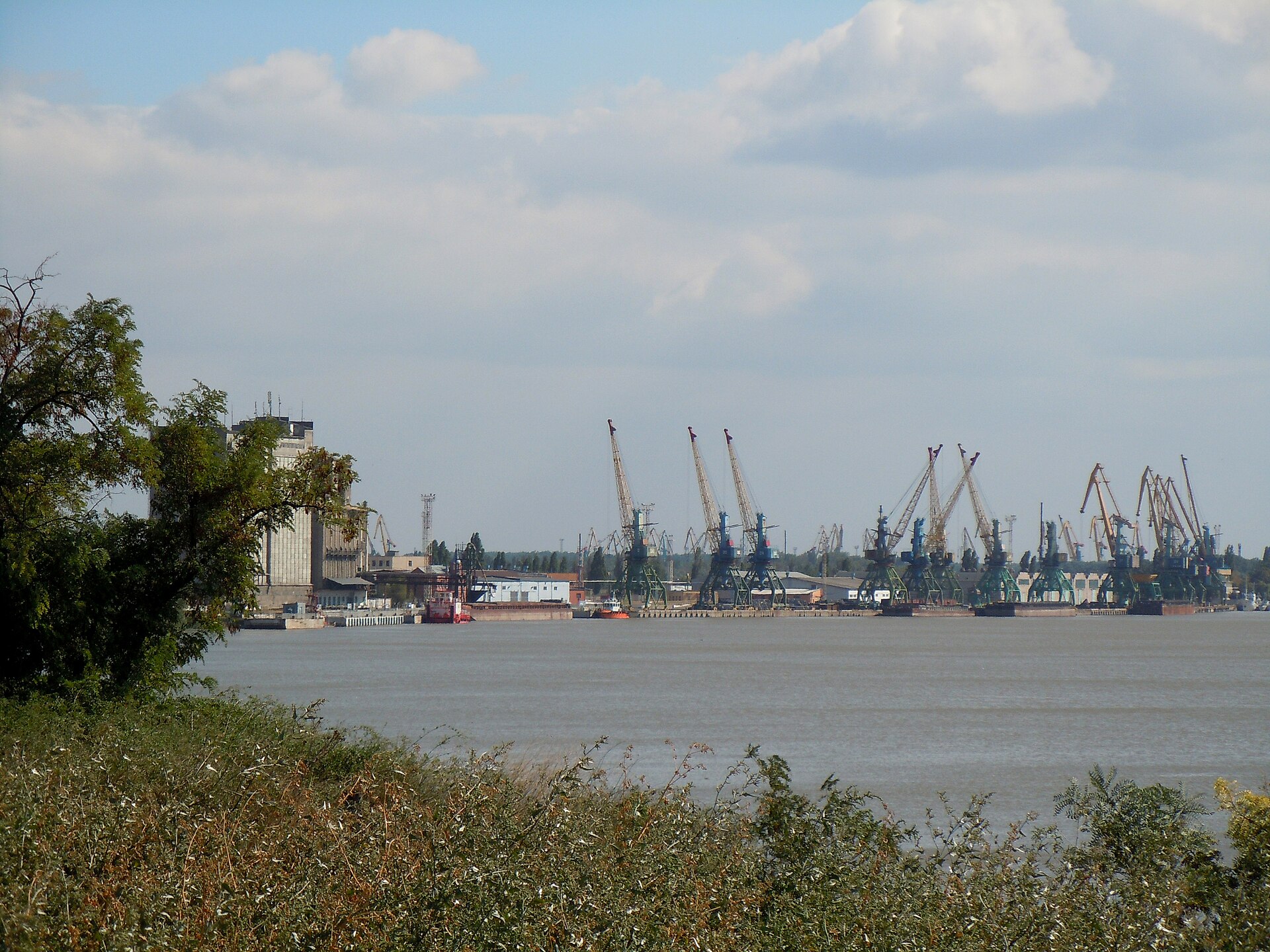 Izmail Commercial Seaport, view from the fortress. Photo: Yuriy Kvach / Wikimedia Commons (CC BY-SA 4.0)
— For companies like ours, this means we need even greater flexibility, but everything is already operating at the limits of our infrastructure and the economy as a whole. Without ensuring safe navigation — at least in the Danube corridor — Ukrainian agricultural exports will be unable to return to the volumes that ensure the sector’s stability and contribute to global food security. The situation requires not only business adaptation but also systemic solutions at the level of the state and its allies, concluded Borys Kozyr.
As a reminder, at the end of October, Borys Kozyr cited the capacity of the Sulina Canal as the main constraint on cargo flows through Ukraine’s Danube ports. Back in August, Yugekotop redirected its export and import cargo flows to the Danube following shipowners’ refusal to call at Ukrainian seaports.
Export restrictions are already hitting farmers hard: in the Mykolaiv region, grain prices have fallen by more than 40 per cent in two to three weeks.
In accordance with the Laws of Ukraine "On Media" and "On Advertising", this material was published either as advertising or in partnership with PE "NikVesti Production" and an official public authority, local self-government body, civil society organization, enterprise, institution, or business entity engaged in economic activity, a private or legal entity acting as a partner within the framework of informational cooperation, or through an authorized person or business entity that on a contractual basis publish materials on the NikVesti online media outlet (registration number R-40-00984).
The content of the material is the sole responsibility of the author, represented by: Borys Kozyr