
Schoolchildren in Mykolaiv have taken young trees under their wing and are studying how they adapt to the heat
-

- Alona KokhanchukReporter
-
 2000 +
This content has already been viewed by over 2,000 visitors
2000 +
This content has already been viewed by over 2,000 visitors
-
 Prefer on Google
-
2K
This content has already been viewed by over 2,000 visitors
-
Prefer on Google
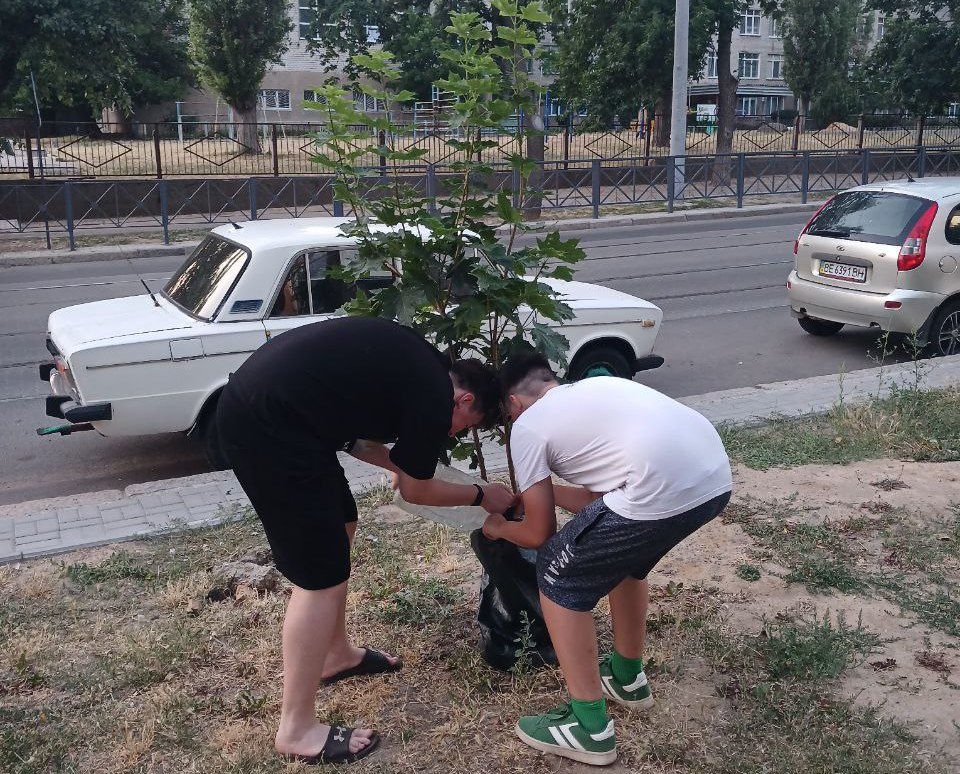 Schoolchildren in Mykolaiv have taken young trees under their wing. Photo: Inna Tymchenko
Members of the «Young Ecologists» club in Mykolaiv have taken over 30 young trees under their care on 3rd Slobidska Street, which are growing in areas with heavy traffic. The children are not only looking after the saplings, but are also researching how to help the city’s green spaces adapt to climate change.
Inna Tymchenko, a Candidate of Technical Sciences, deputy head of the Mykolaiv branch of the National Ecological Centre of Ukraine and leader of the club, told NikVesti about this.
According to her, the trees particularly need care during prolonged summer heatwaves, which is why the children have taken it upon themselves to look after them. At the same time, they are learning new things and carrying out experiments.
«It’s been two years since we took these trees under our wing and have been looking after them: watering them, mulching them, and protecting them from mowers — we haven’t put mower guards on all the trees, but we have installed them on some. We put them up when the grass is being mown. The children also write projects and carry out research. Overall, we’re trying to introduce various European practices,» she explains.
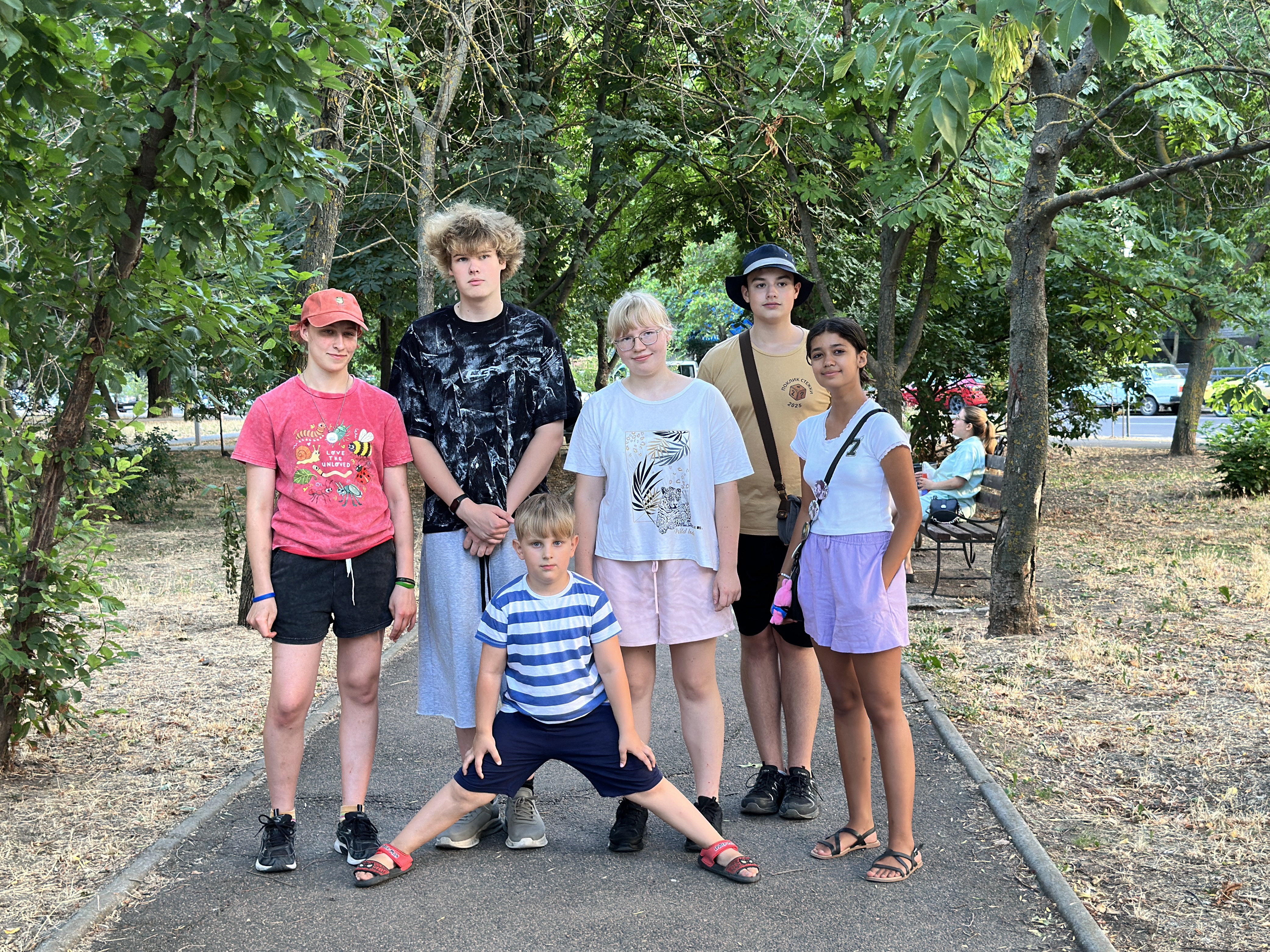 Schoolchildren in Mykolaiv have taken young trees under their wing. Photo: Inna Tymchenko
Inna Tymchenko notes that as part of their research, the schoolchildren are studying the condition of the soil around the young trees during the dry season — from May to September. They measure the soil’s moisture content, acidity, alkalinity and salinity to identify areas where the trees need extra care.
«We’ve produced three videos in collaboration with the «Kinburn» community organisation to introduce more people to tree-care practices. They may seem simple, but they’re useful. Take a simple example like watering: you don’t need to water every day. That’s not right either. Because trees need to gradually get used to our climatic conditions. Trees need to be acclimatised gradually, as they can go without rain for up to three months. At the moment, the roots are drawing nutrients from the surface, and the tree can be supported by watering, but it will grow and seek water deeper down,» she explains.
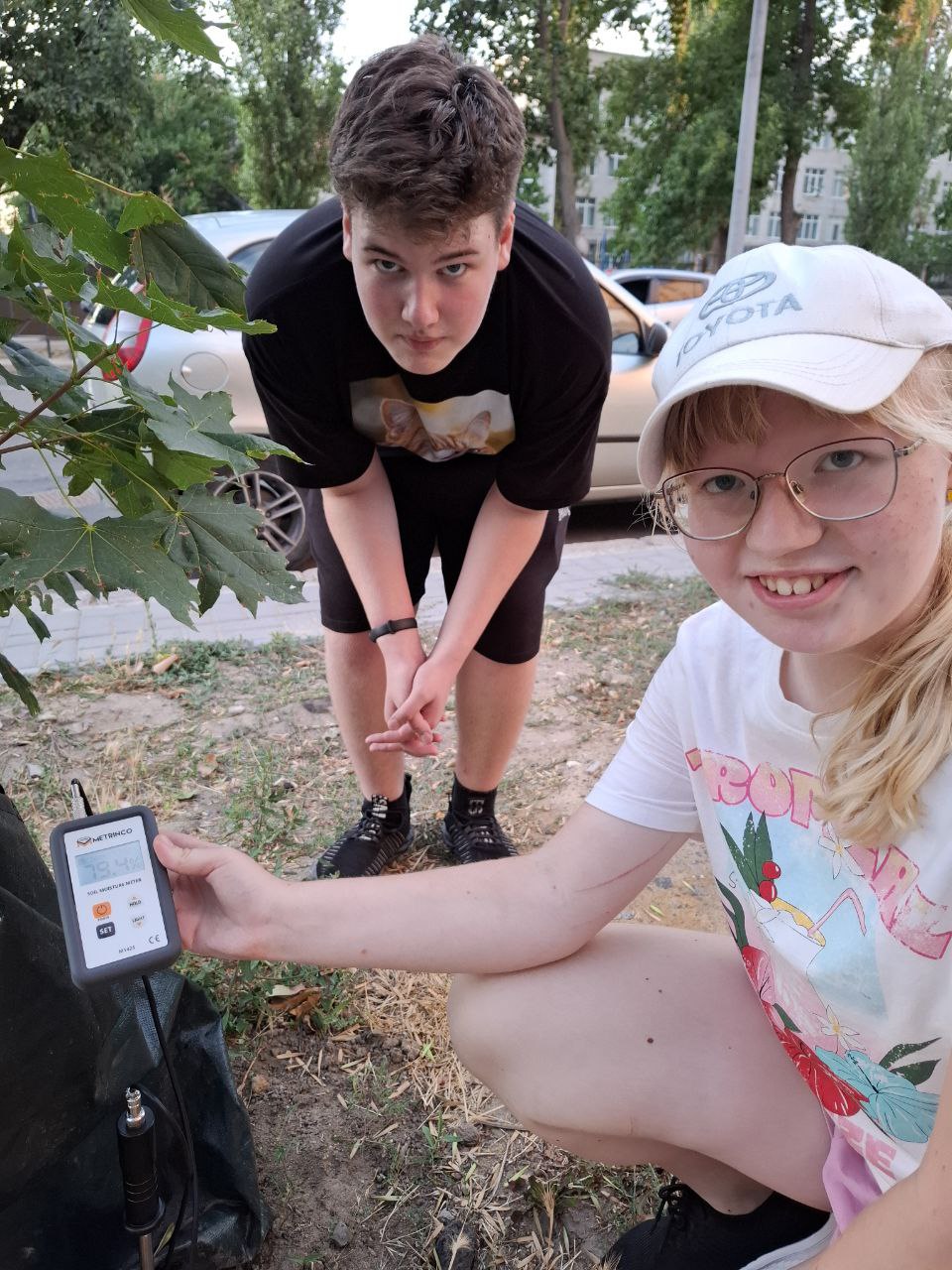 Schoolchildren in Mykolaiv have taken young trees under their wing. Photo: Inna Tymchenko
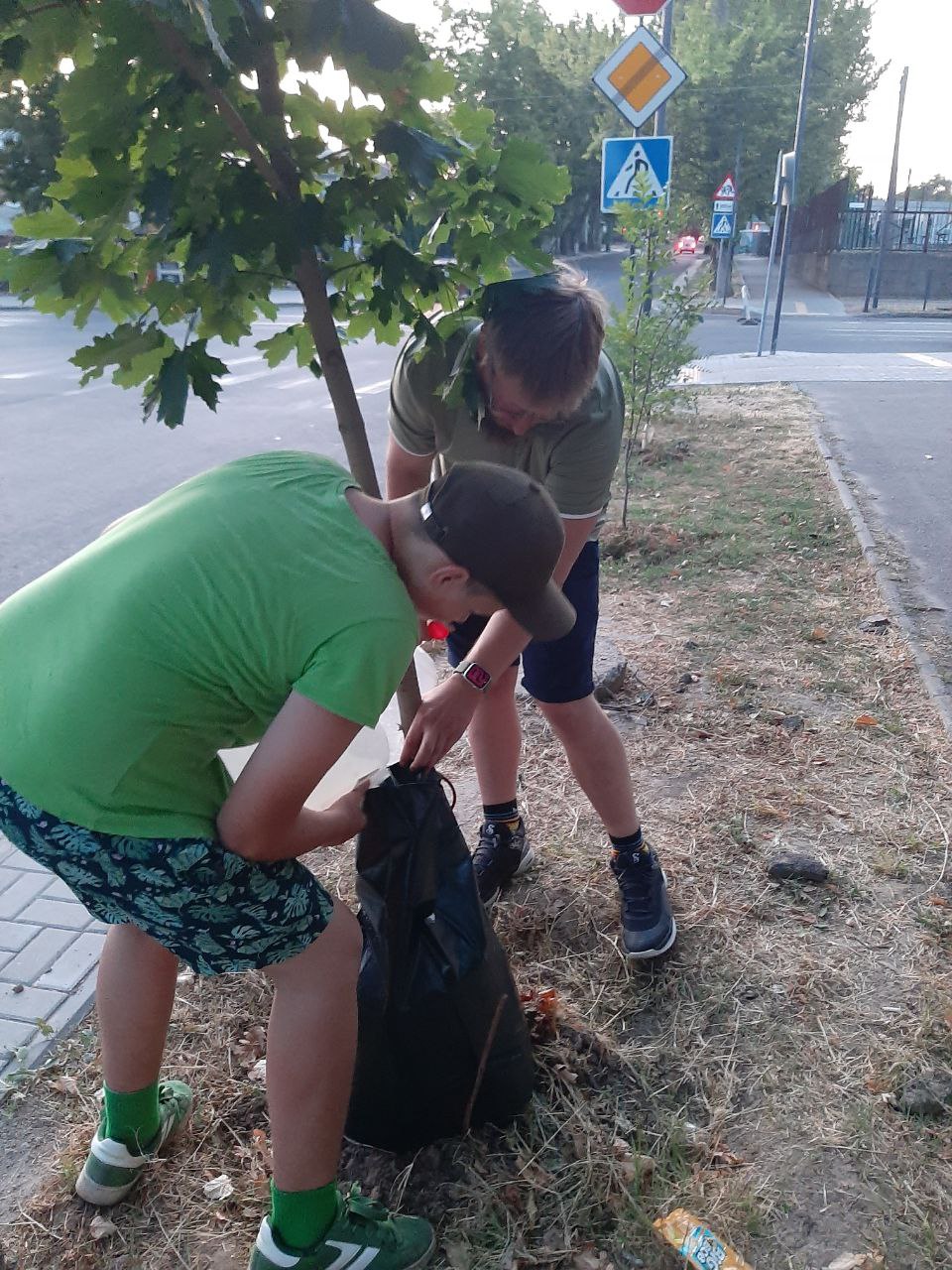 Schoolchildren in Mykolaiv have taken young trees under their wing. Photo: Inna Tymchenko
That is why the young ecologists are devising an individual watering regime for each tree. The schoolchildren are testing special bags for drip irrigation and determining whether the trees fare better with or without them.
«We’re treating this as an experiment and observing how the trees are doing, how they fare with different watering methods and at different intervals between waterings. We’ll be able to tell all this from the leaves,» explains Inna Tymchenko.
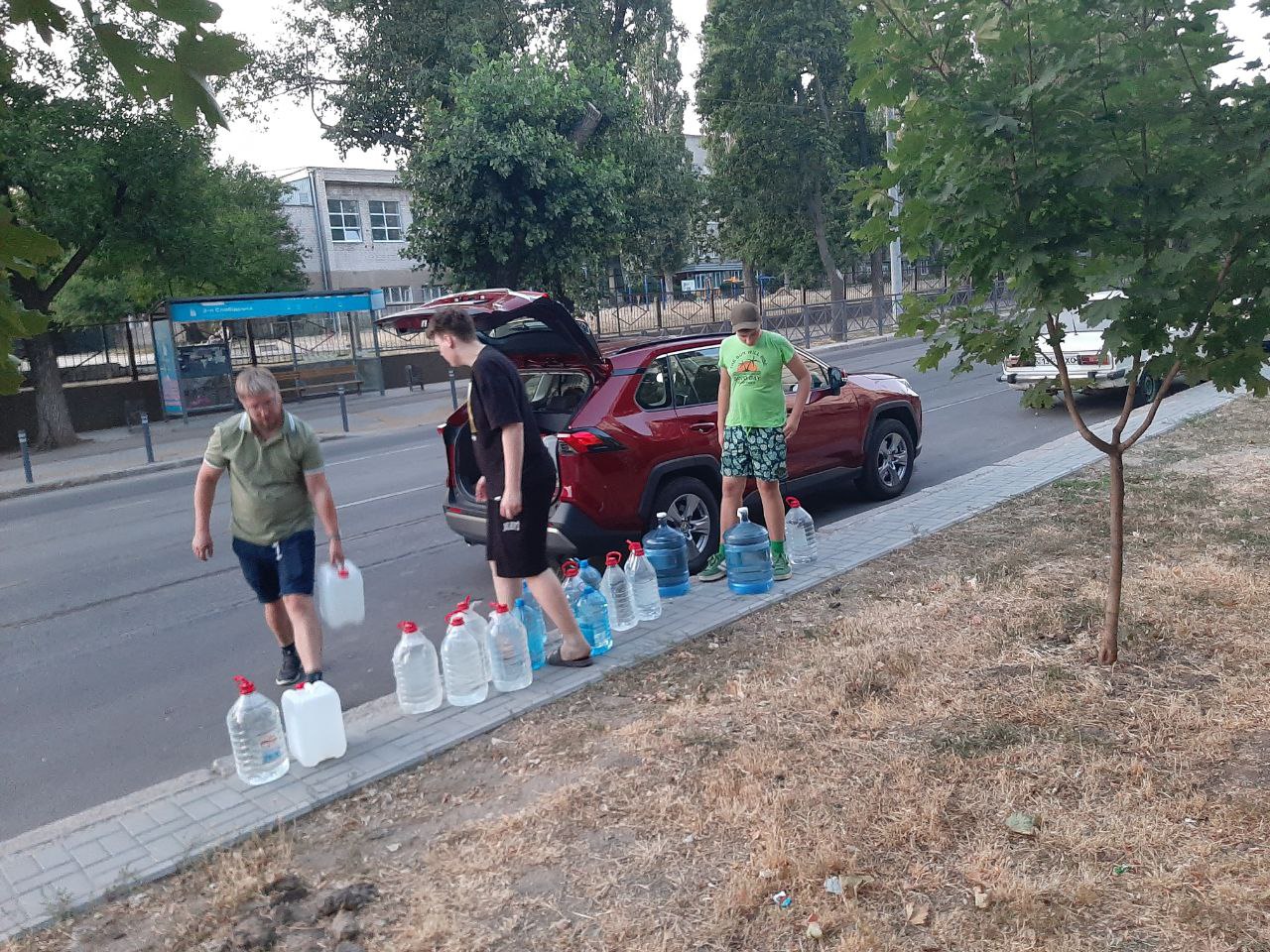 Schoolchildren in Mykolaiv have taken young trees under their wing. Photo: Inna Tymchenko
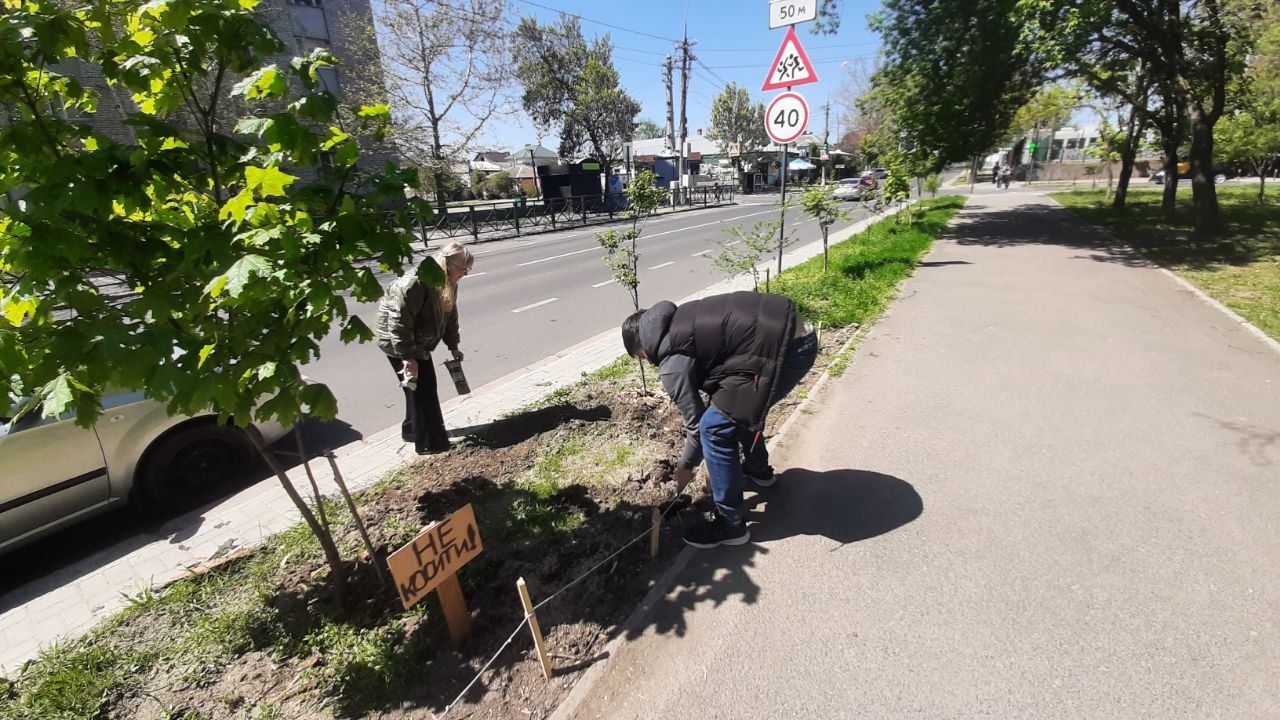 Schoolchildren in Mykolaiv have taken young trees under their wing. Photo: Inna Tymchenko
The schoolchildren have also created an experimental plot with a variety of grasses alongside the trees. They have planted steppe plants, cornflowers and phacelia there to test which species best withstand the heat, water shortages and urban conditions.
As Inna Tymchenko previously told NikVesti, for the experiment the plot was divided into several zones and different plants were planted. Some of the steppe species were transplanted from natural areas in the Mykolaiv region, whilst other seeds were purchased.
«We wanted to see which species would take root best. We really wanted these to be our own steppe plants. We also planted phacelia — it’s beneficial for the soil, helps to loosen it and suppresses unwanted weeds. The cornflowers have already bloomed,» said Inna Tymchenko.
As a reminder, in July 2026, the mayor of Mykolaiv, Oleksandr Sienkevych, criticised the work of the municipal enterprise «Mykolaiv Parks» due to the tall grass and thistles in the city’s green spaces, demanding that the organisation speed up the mowing.
Earlier, in June 2026, the executive committee of the Mykolaiv City Council approved the expansion of the housing and communal services development programme so that district administrations could independently commission and finance the pruning and felling of dangerous trees, grass mowing and the greening of inner-block areas.
Prior to that, in May 2026, residents of the Lisky neighbourhood had asked the municipal services to mow the grass in the park near the blocks of flats on Sportyvna Street.
 NikVesti
· post about this story
Schoolchildren in Mykolaiv have taken young trees under their wing and are studying how they adapt to the heat.
Schoolchildren in Mykolaiv are tending to and studying young…
NikVesti
· post about this story
Schoolchildren in Mykolaiv have taken young trees under their wing and are studying how they adapt to the heat.
Schoolchildren in Mykolaiv are tending to and studying young…


This material was produced within the REACH – Media Partnerships for Accountability and Trust project, implemented by International Media Support (IMS) and supported by the Ministry of Foreign Affairs of Denmark. The content reflects the views of the authors and not necessarily those of the Danish government. Denmark’s support strengthens civil society and independent media in Ukraine, including in Mykolaiv.

