Between reconstruction and air raid alarms: life in Snihurivka today
- Anna Hakman
-
•
-
15:34, 21 April, 2026
Snihurivka is a small town in the Mykolaiv region, approximately 25 kilometres from the front line. In March 2022, the town came under Russian occupation and remained under the control of Russian forces until November 2022. Following its liberation, the community faced new challenges: destroyed infrastructure, mined fields, constant shelling, and in the summer of 2023, flooding following the destruction of the Kakhovka hydroelectric power station.
Today, Snigurivka lives amidst air raid alarms, roof repairs, queues at the Administrative Services Centre, new public spaces, and people’s desire to stay at home.
Reporters from NikVesti visited Snihurivka to find out what life is like in the town now. Spoiler: the town doesn’t look fully rebuilt, but it certainly doesn’t look broken.
Housing, water and roads: what has been restored in Snihurivka
The Snihurivka Municipal Administration says that after the liberation, many processes had to be restarted virtually from scratch. Some buildings were destroyed, utility systems damaged, and some people had left.
As of now, over 70% of the damaged housing in the community has been restored or partially repaired — that’s 555 houses and flats. A further seven high-rise blocks have been restored with the help of charitable organisations. A state compensation scheme for destroyed housing is also in operation. 152 housing certificates have already been used, with a further 248 issued, totalling over 192 million hryvnias.
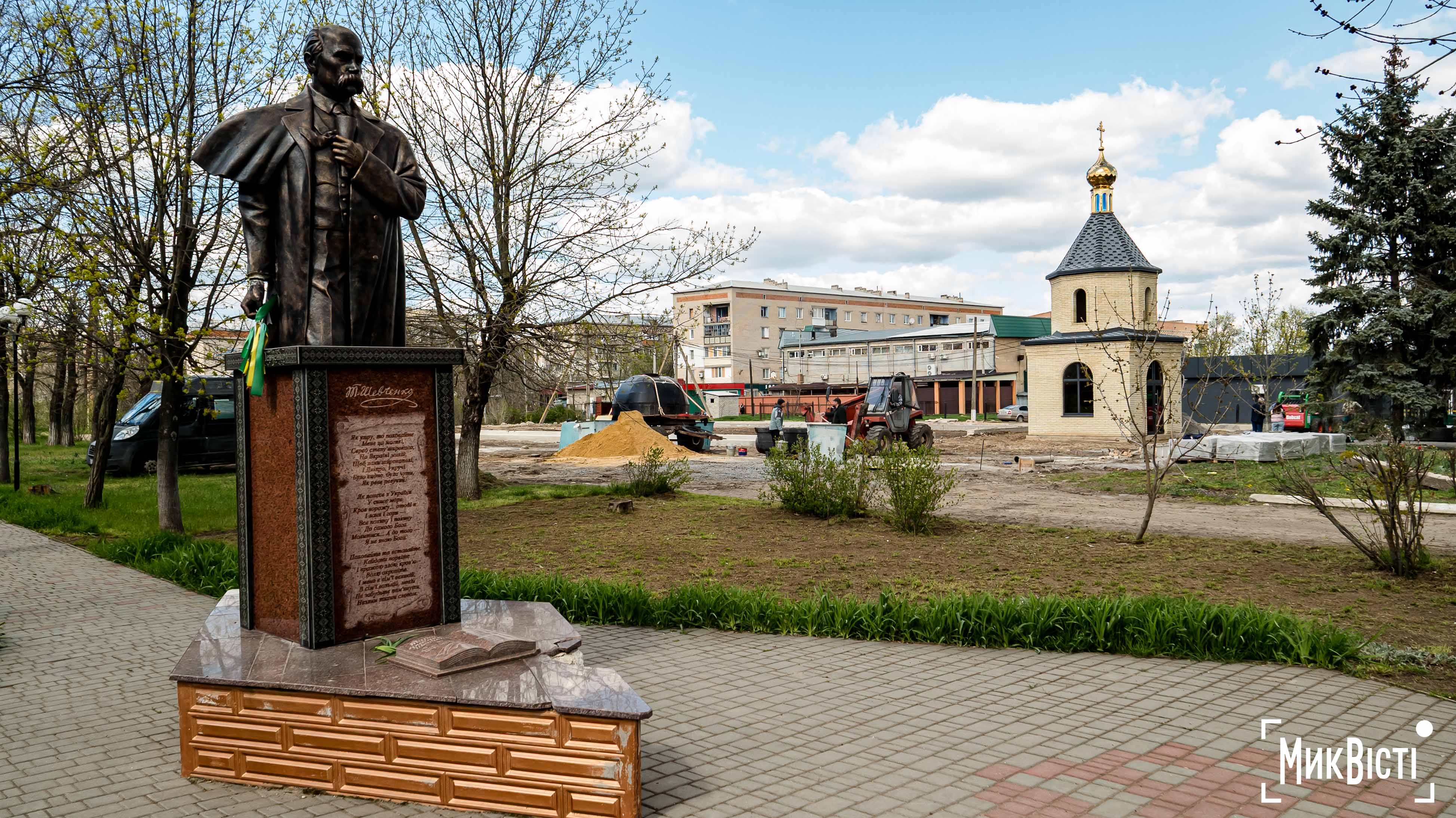 The restoration of Snihurivka. Photo: Serhii Ovcharyshyn / NikVesti
Electricity, water and basic utilities have also been fully restored in the community. Some social facilities, roads and bridges have been rebuilt.
«All nine destroyed bridges in the Snihurivka community have been rebuilt, and we now have new, modern bridges. This is something the community could not even have dreamed of before the full-scale invasion began. Previously, there were only plans to restore old or pontoon crossings. Over two years, we have managed to restore nine bridges — this is quite a large-scale undertaking,» Ivan Kukhta, head of the Snihurivka City Military Administration, told us in a comment.
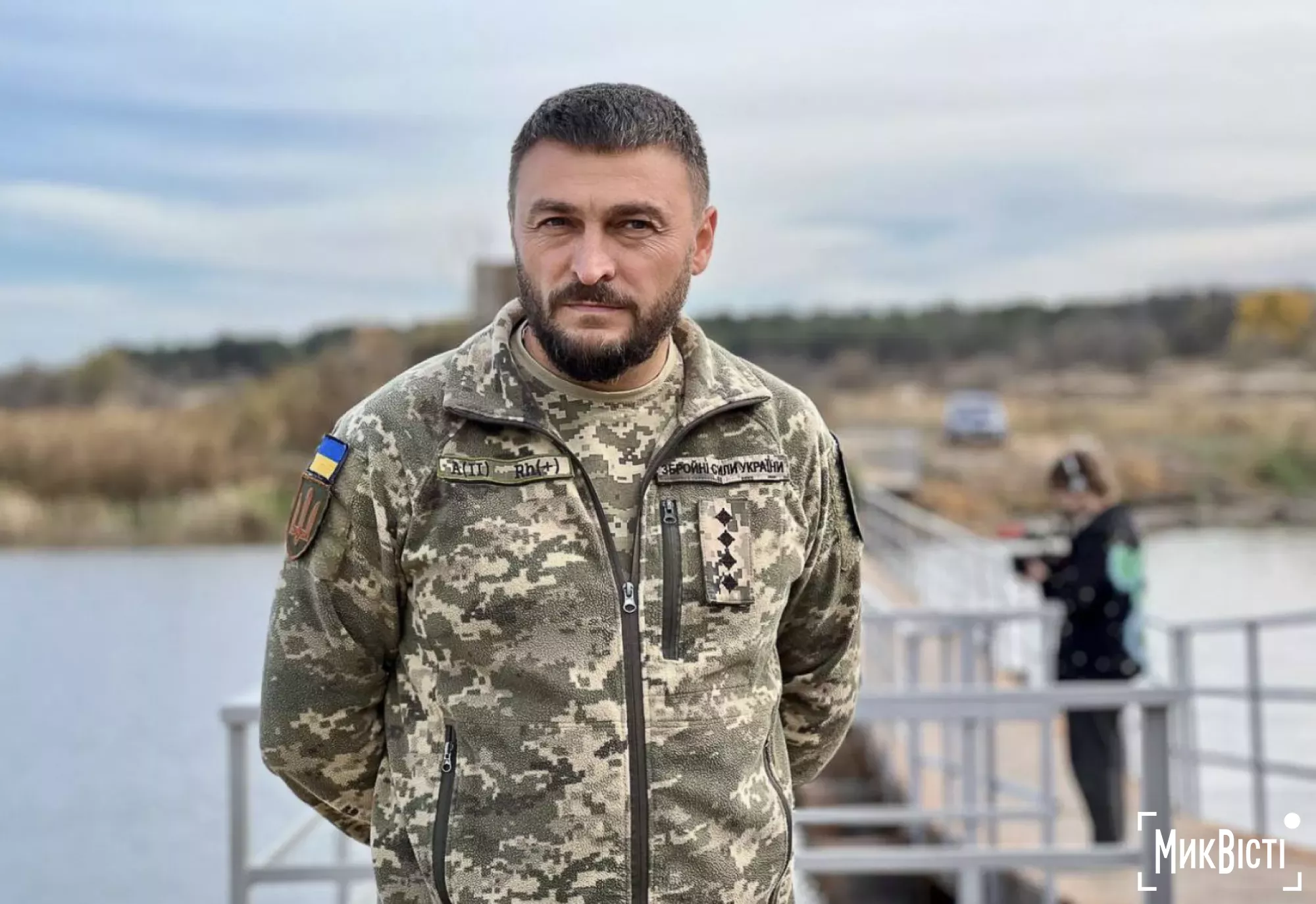 Ivan Kukhta, Head of the Snihurivka City Military Administration, photo: NikVesti
The water supply is also fully operational: all wells are working, and uninterruptible power supply systems have been installed.
«Previously, water was supplied on a schedule. Now, over 80% of the wells are equipped with solar panels and operate autonomously during blackouts. During the recent large-scale power cuts in winter, when there was no electricity for two days, water was still supplied. The only thing was that at night, roughly from 10 pm to 6 am, the supply was temporarily halted to save electricity, as consumption is minimal then. People were warned about this. Now the water supply in the community is effectively round-the-clock and uninterrupted,» said Ivan Kukhta.
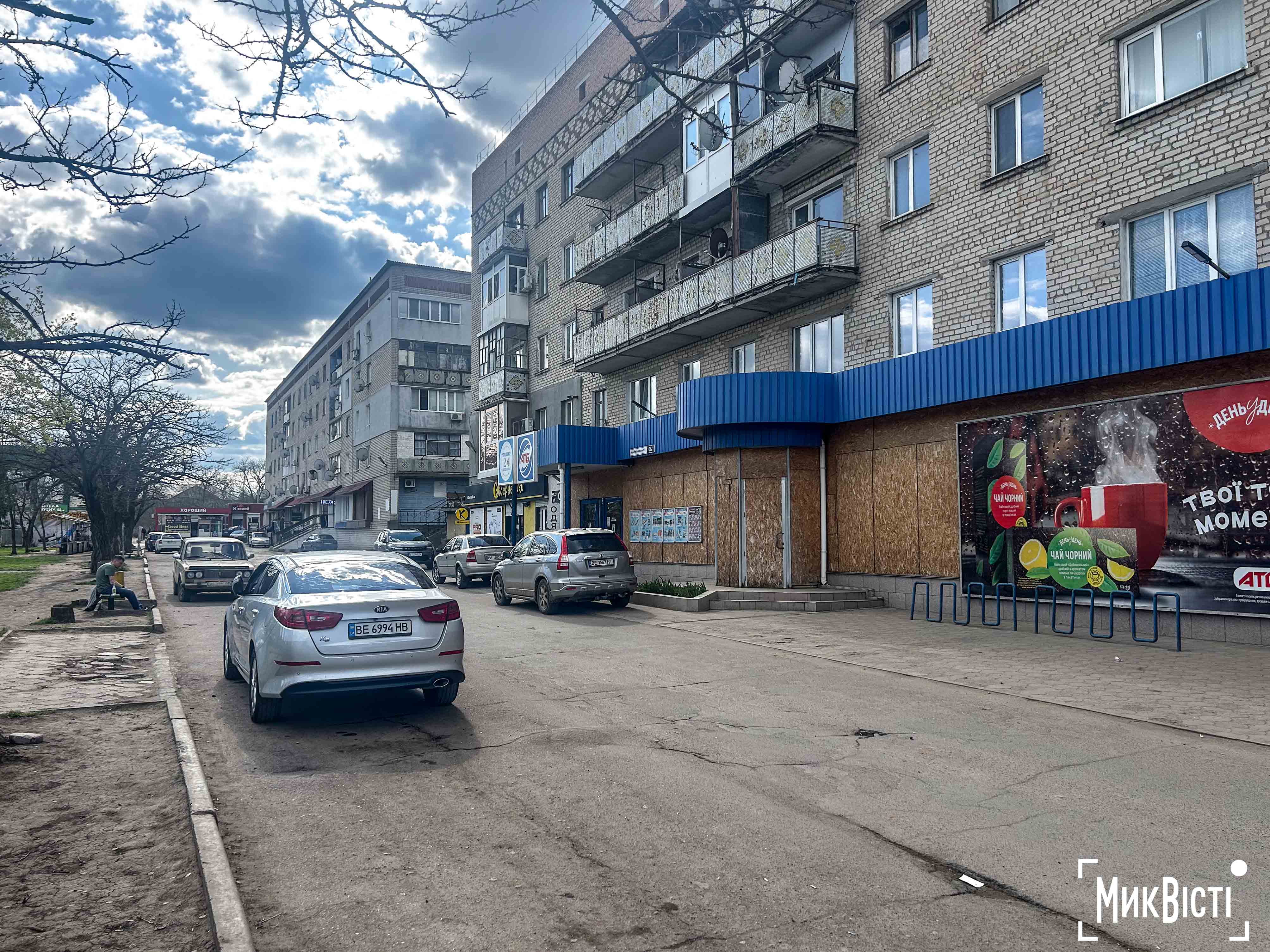 A high-rise building in Snihurivka, damaged by shelling. Photo: NikVesti
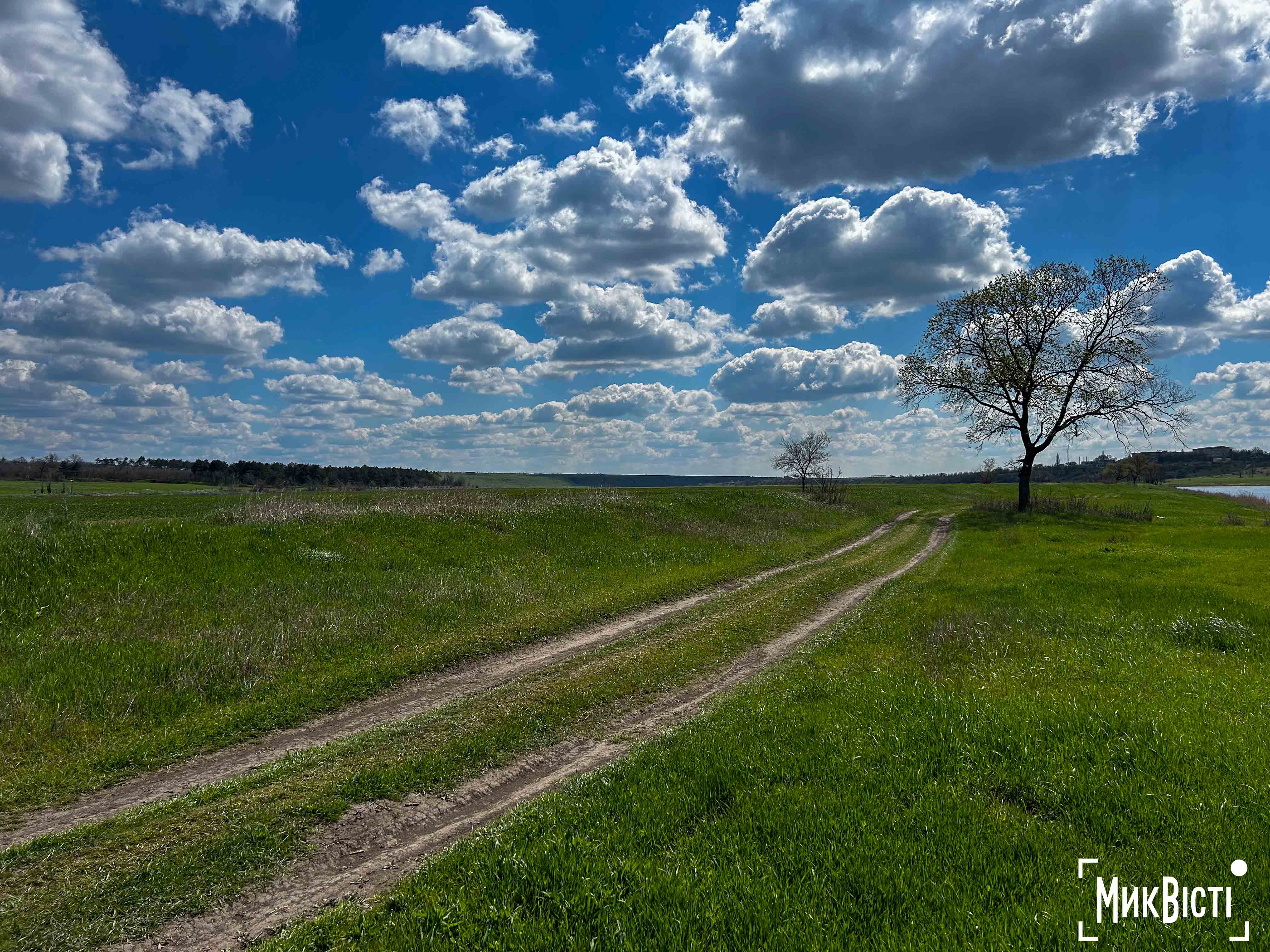 Snihurivka in spring. Photo: NikVesti
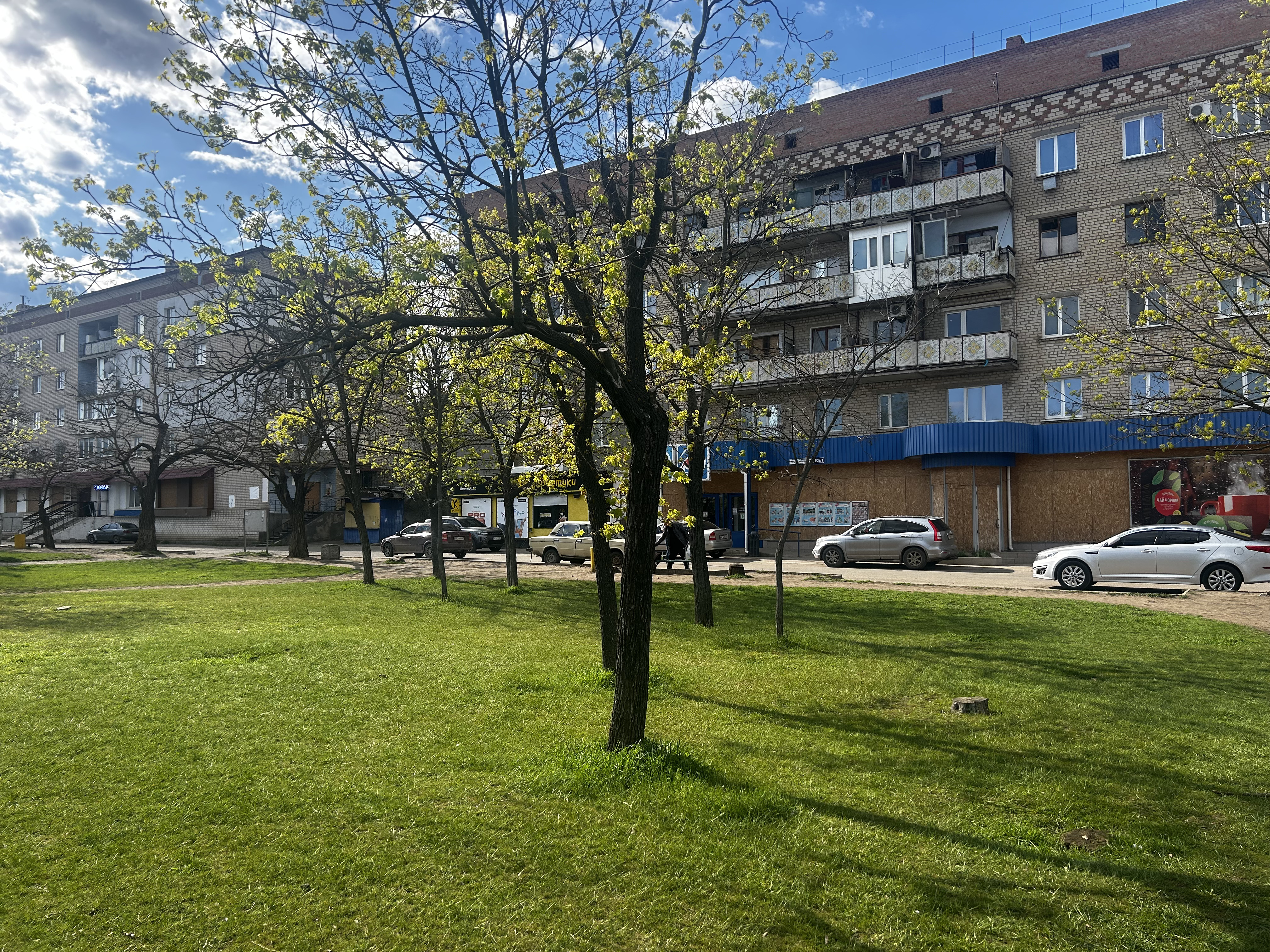 A high-rise building in Snihurivka, damaged by shelling. Photo: NikVesti
Ivan Kukhta adds that the main task after the liberation was to restore a sense of normal life for the people.
«We were among the first in the region to complete all the necessary tasks so that people could receive compensation for damaged homes and certificates to purchase new ones more quickly if their homes had been destroyed. In the Snihurivka community, we managed to organise this work efficiently and swiftly,» says Ivan Kukhta.
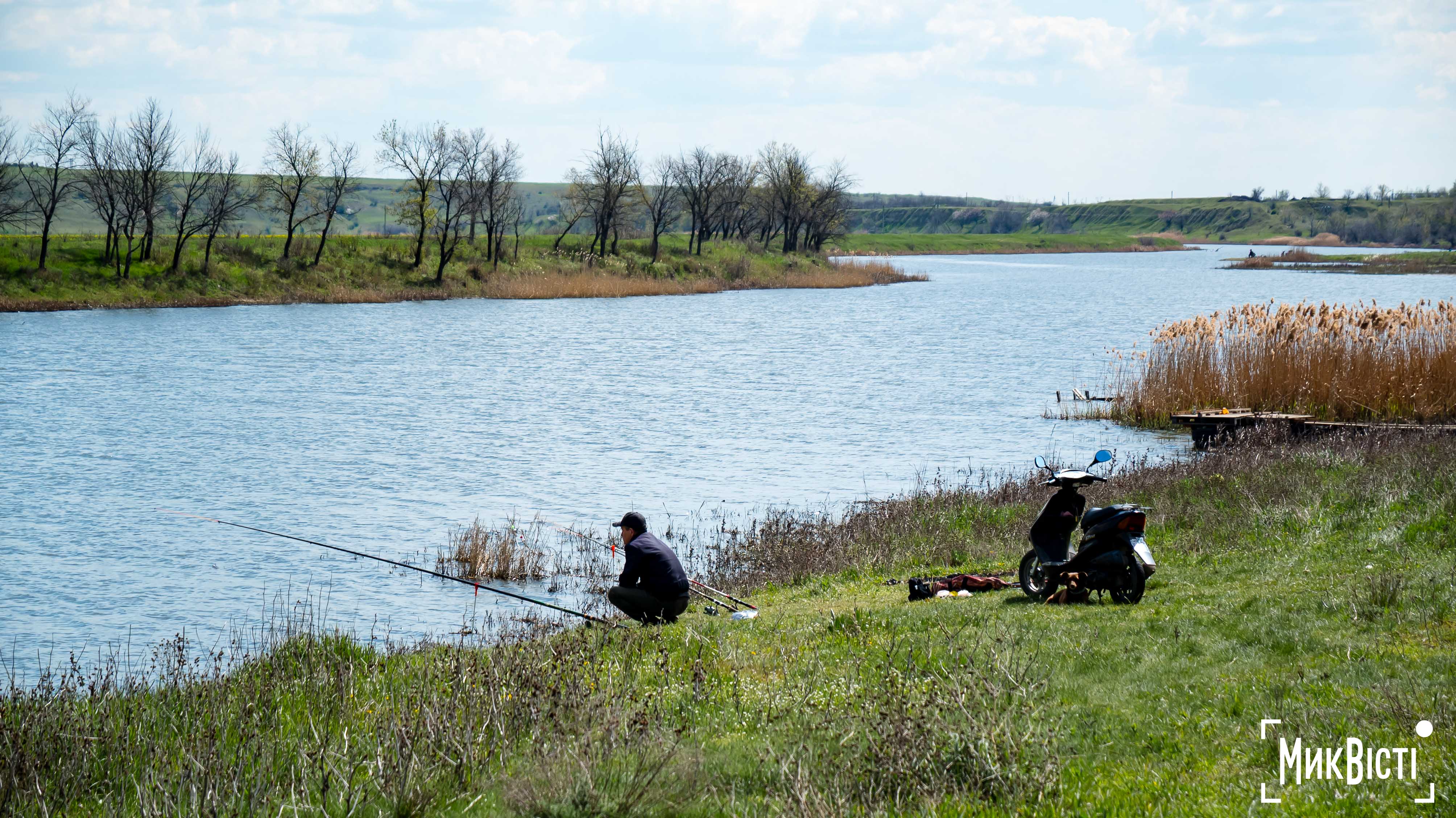 Snihurivka in spring. Photo: NikVesti
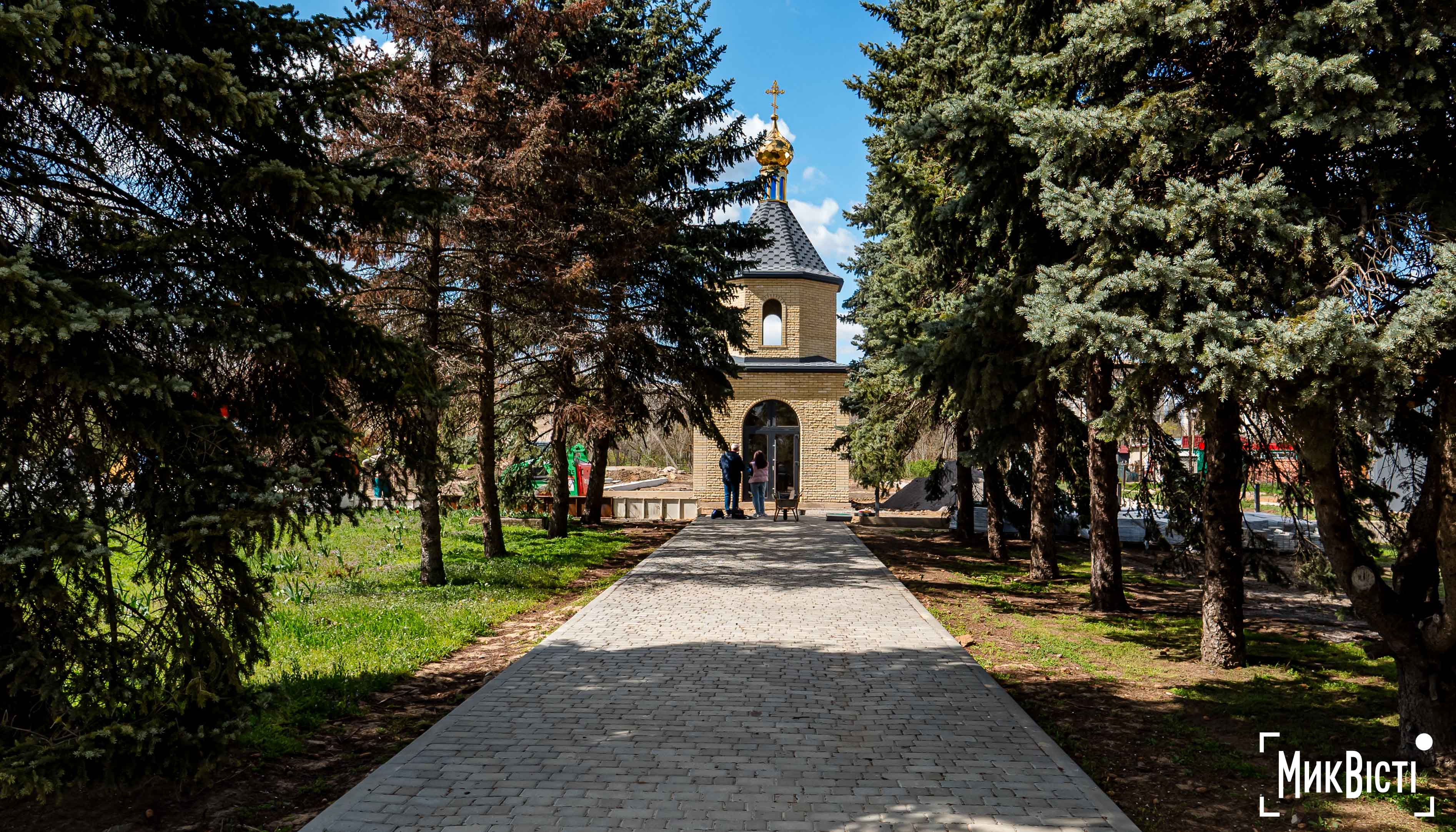 The reconstruction of Snihurivka. Photo: NikVesti
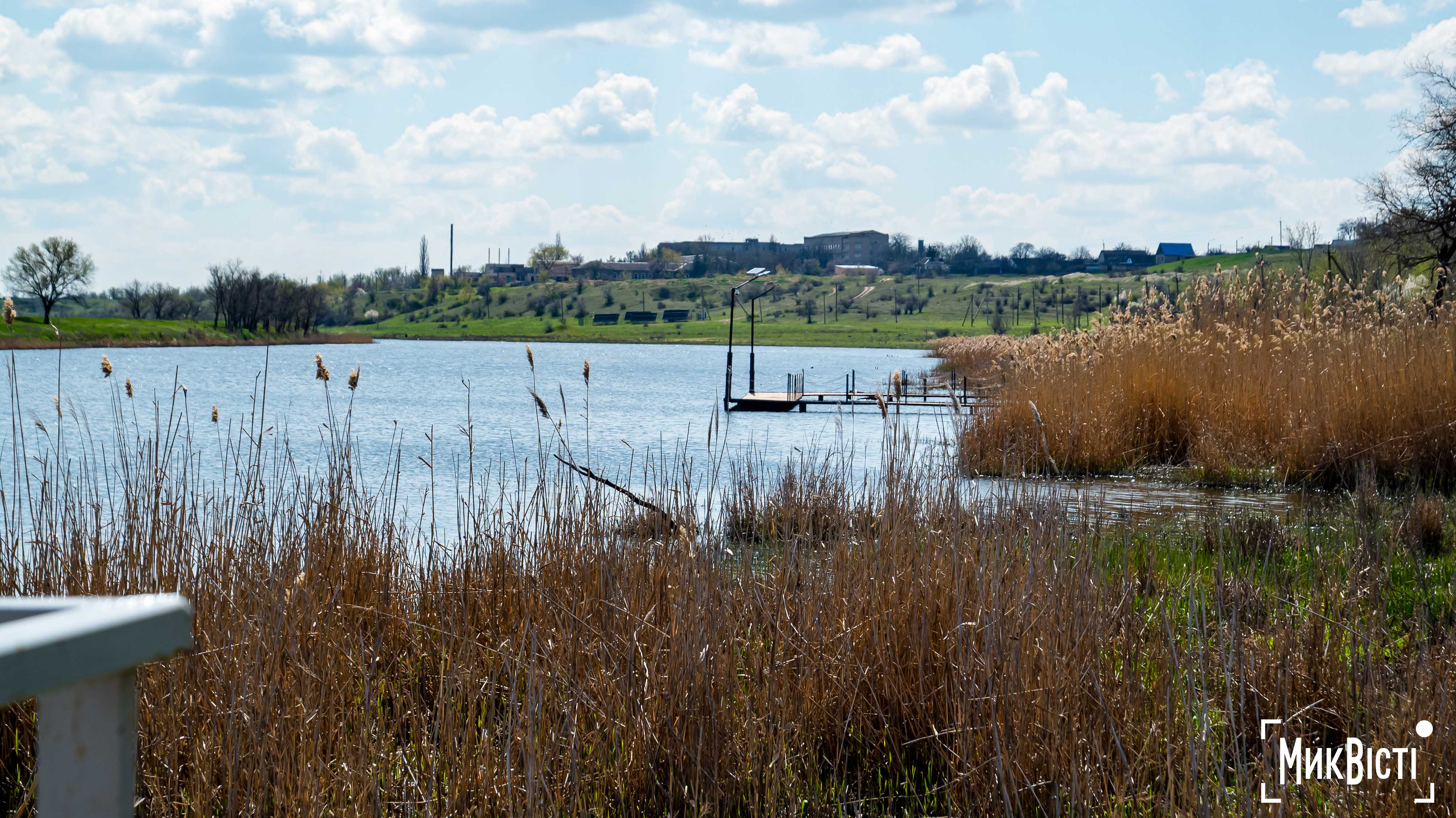 Snigurivka in spring. Photo: NikVesti
The population has shrunk, but people are returning
Before the full-scale war, over 21,000 people lived in the community. After liberation, around 8–9,000 residents remained. Currently, there are approximately 15,800 people in the community. Of these, 2,646 are children and 959 are internally displaced persons.
In other words, approximately 60–70% of the pre-war population has returned. At the same time, the situation remains unstable: some people are returning, while others are leaving again, particularly young people.
«The vast majority of people who wanted to return have already done so. Given that the community is about 18 kilometres from the front line, and Snihurivka itself is approximately 30 kilometres away, this is quite a good figure. I am grateful to the people for returning to their homes, restoring their dwellings and rebuilding their lives,» says Ivan Kukhta.
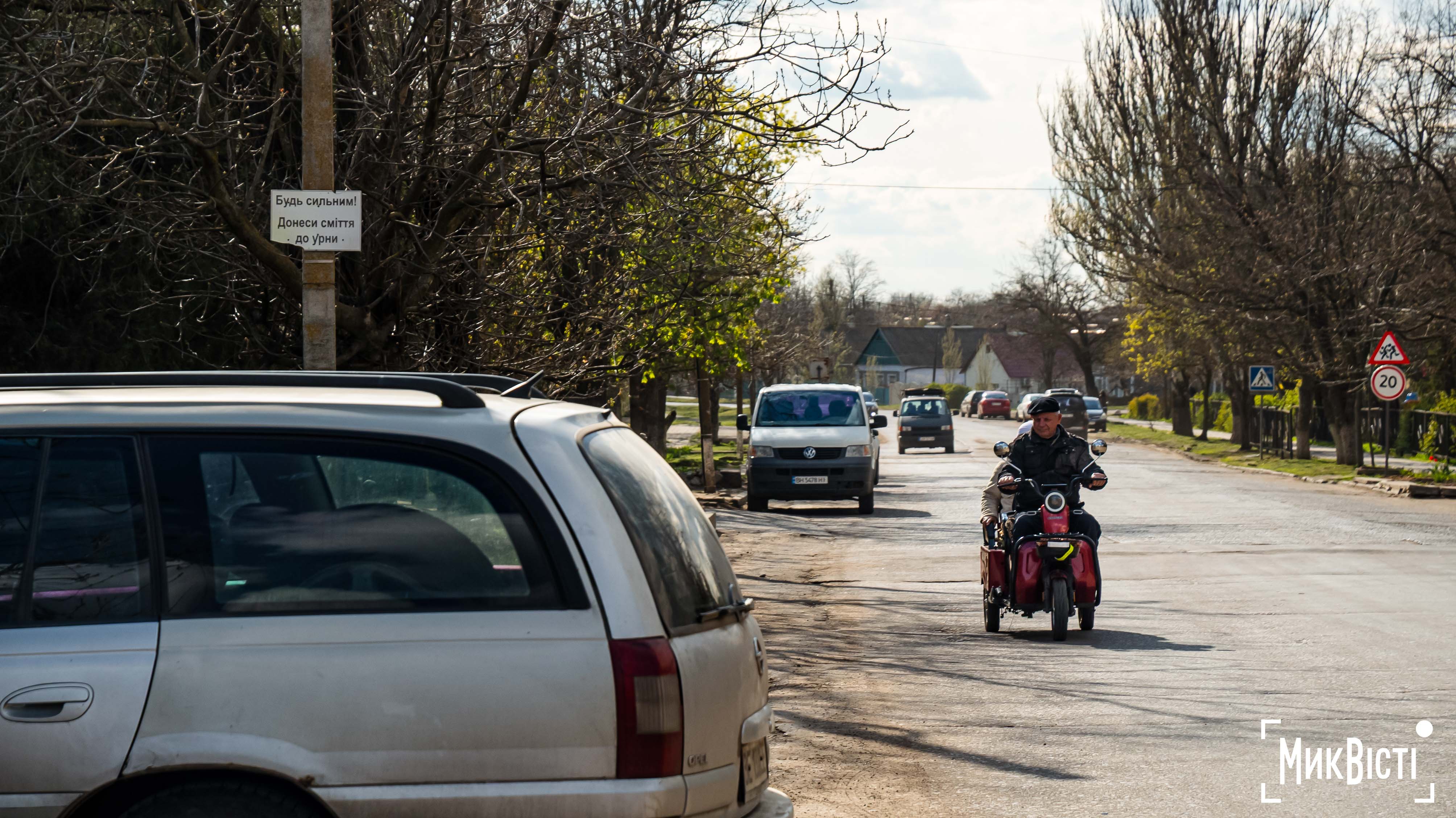 Around 16,000 people live in the Snihurivka community. Photo: NikVesti
Education: there were four schools before the war; now there are two
Until 2022, there were four schools operating in Snihurivka. Today, some of the buildings have been damaged by shelling, whilst others have simply become redundant due to a decline in the number of children. The biggest problem is the main school, which suffered serious damage following a Russian missile strike.
«One of the S-300 missiles hit the school directly. It is partially destroyed,» says Ivan Kukhta.
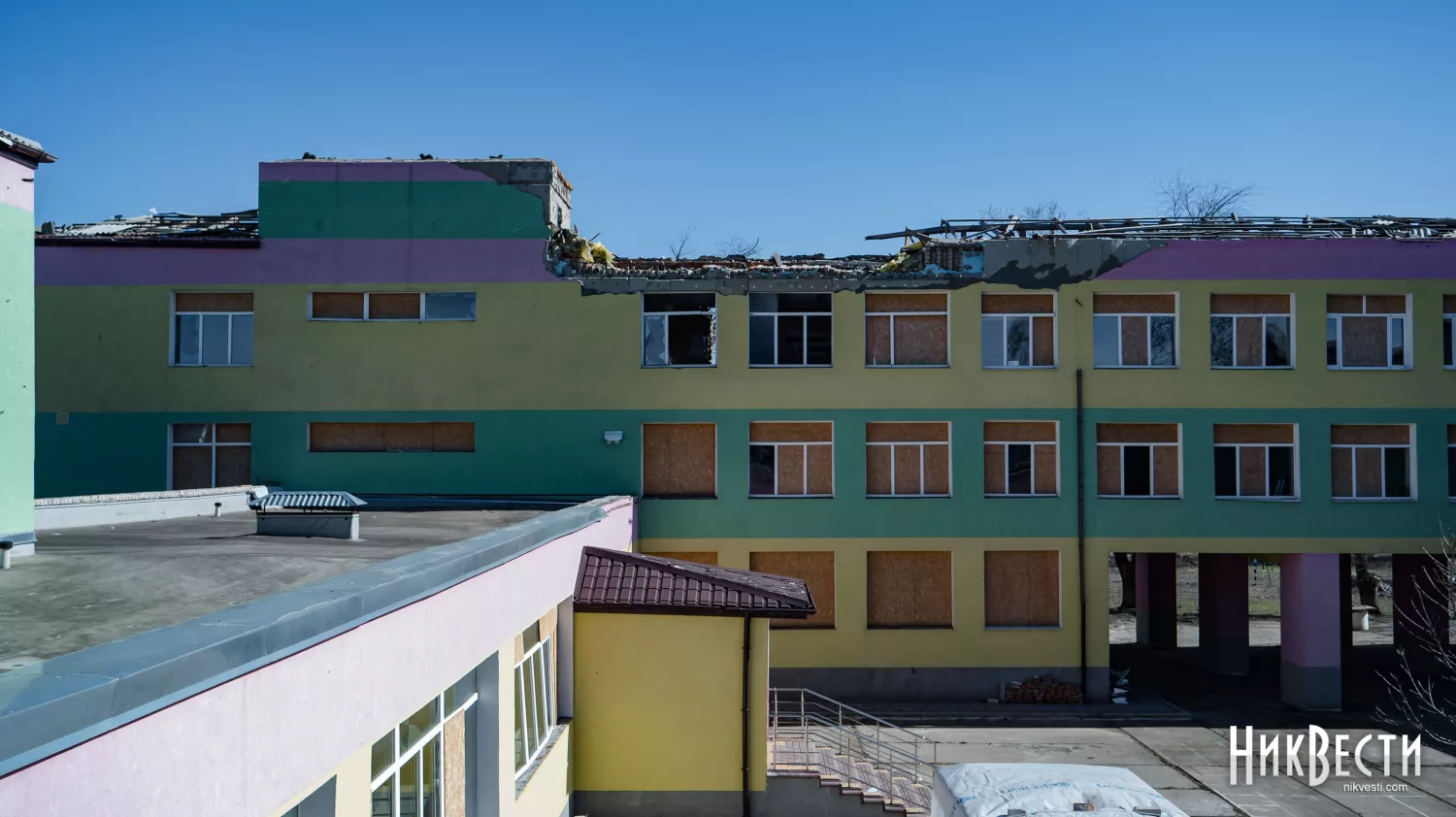 Snihurivka central school, archive photo: NikVesti
The community currently has two schools: the central school and Lyceum №3. Construction of a shelter at Lyceum №3 is nearing completion, after which the children will be able to return to in-person learning. Plans are in place to restore the central school with support from the Danish government.
«We have an agreement that the school will open on 1 January 2028. It will be a modern school with good shelter facilities,» says Ivan Kukhta.
For now, some of the children are studying online or in a blended format.
Safety Centre: fires, cameras and response
One of the city’s new institutions is the Security Centre. It was established in 2025. The centre brings together in a single space community police officers, medical staff, the fire brigade, State Emergency Service personnel and deminers from the company «Ukrainian Demining Services».
The centre’s head, Oleksandr Koroshchenko, told NikVesti that last year the unit was called out to fires almost every day.
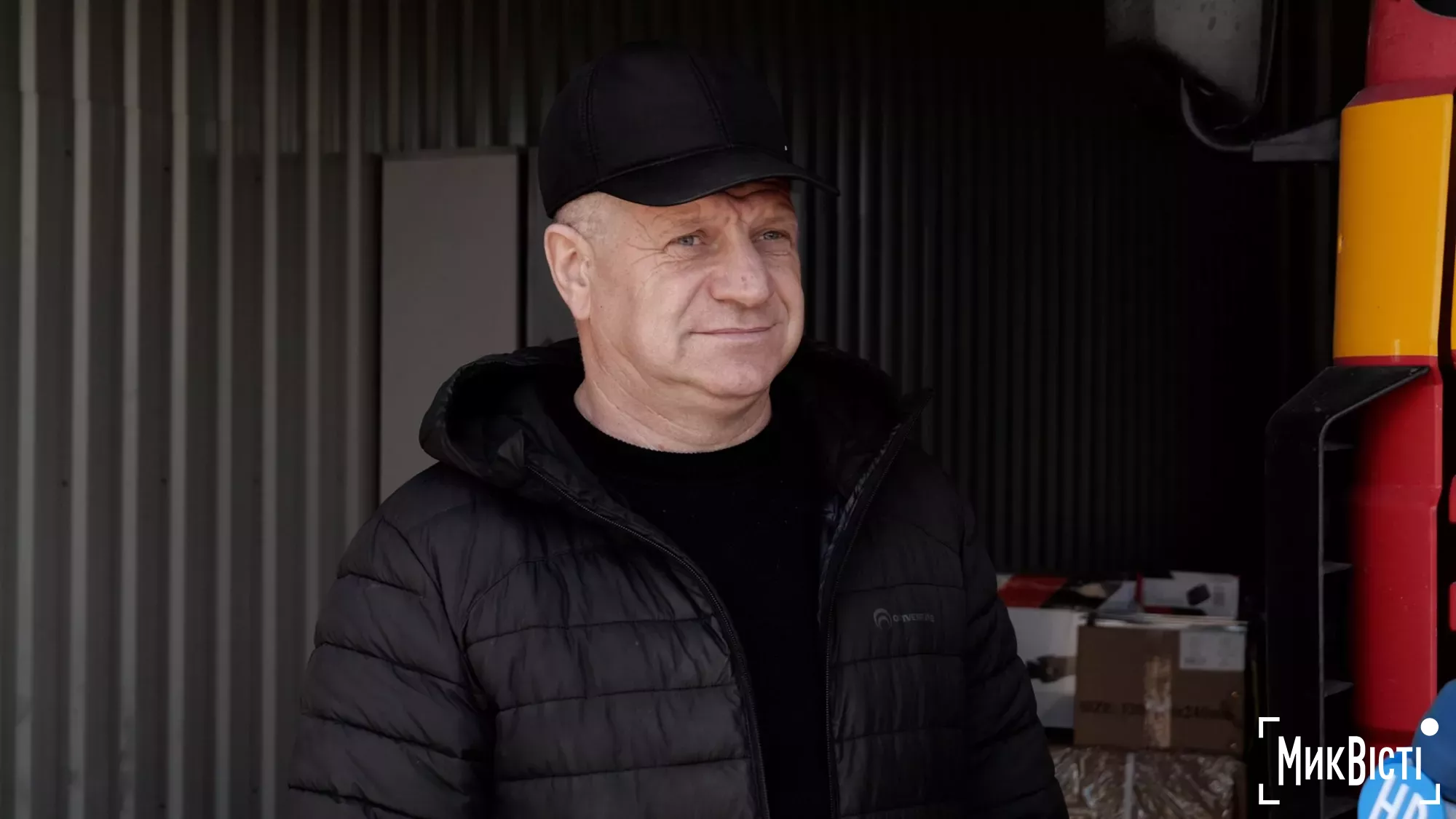 Head of the Security Centre Oleksandr Koroshchenko. Photo: NikVesti
«2025 was a very difficult year; there were many fires. From May onwards, we were called out to fires across the community almost every day. We also provided assistance to neighbouring communities, particularly Shyrokyvka. Many fires broke out in open areas, so we had to respond constantly. We have four drivers and three firefighters on duty who respond to calls,» Oleksandr Koroshchenko told us.
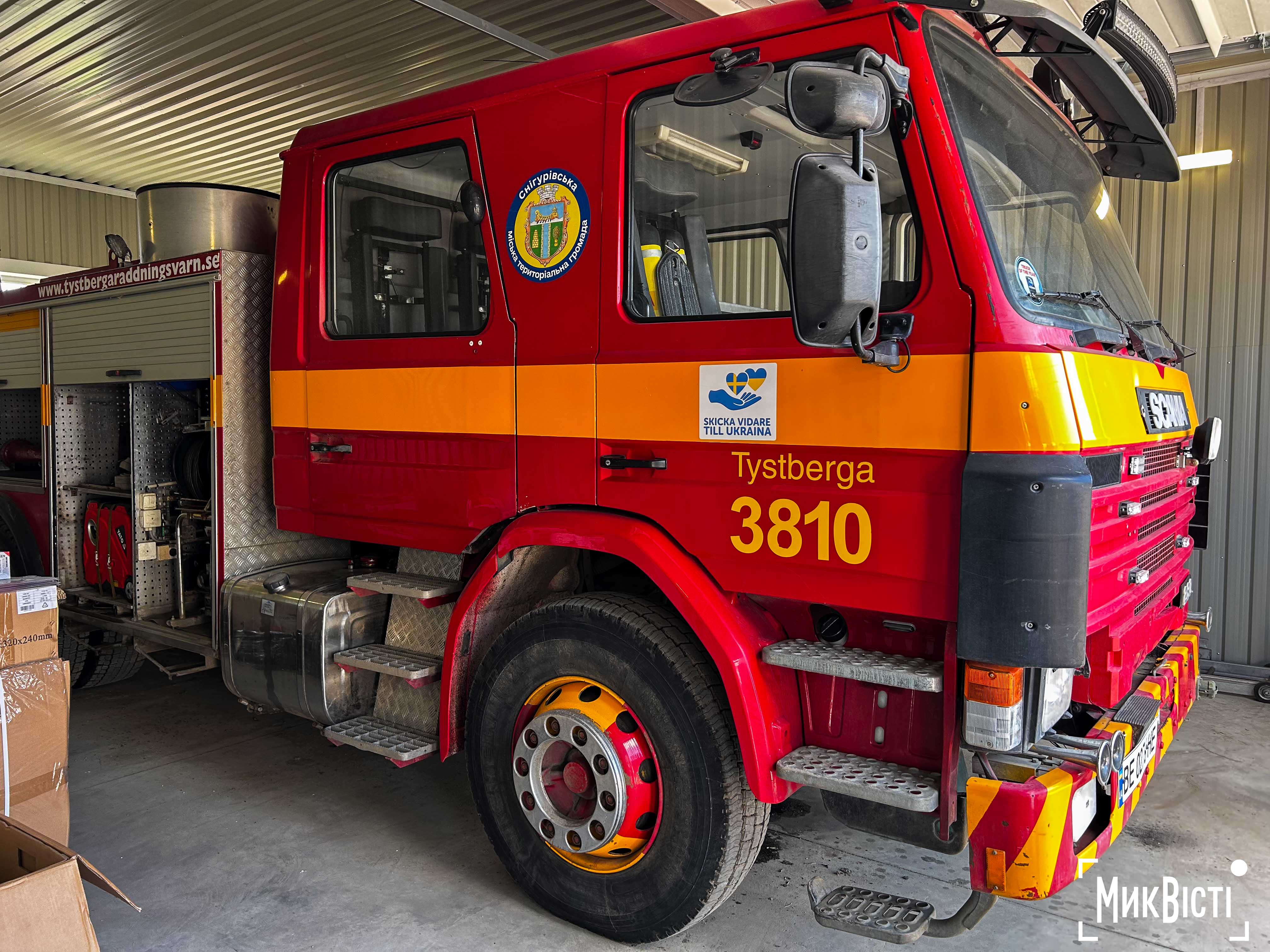 The Safety Centre in the Snihurivka community. Photo: NikVesti
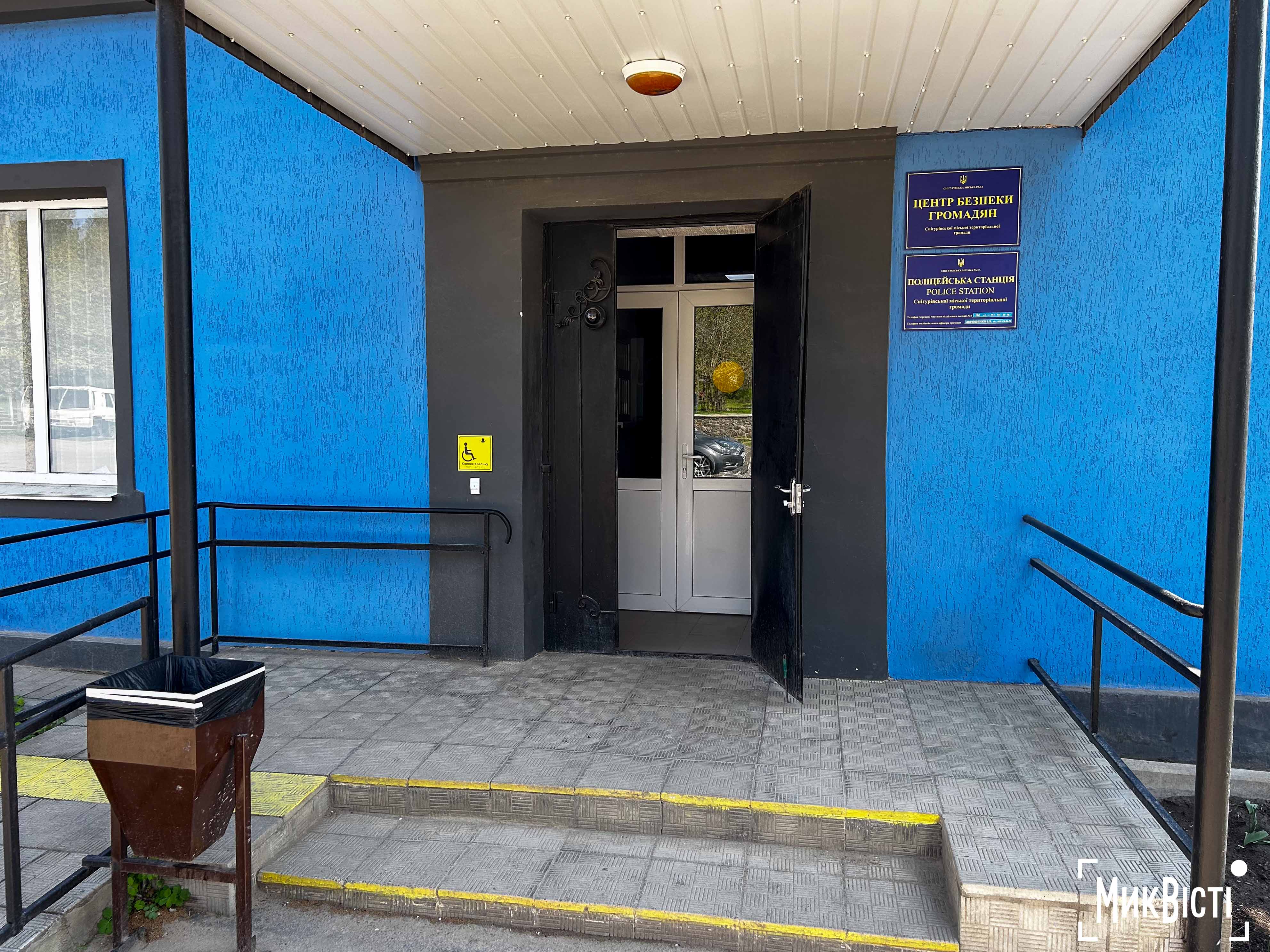 Security centre in the Snihurivka community. Photo: NikVesti
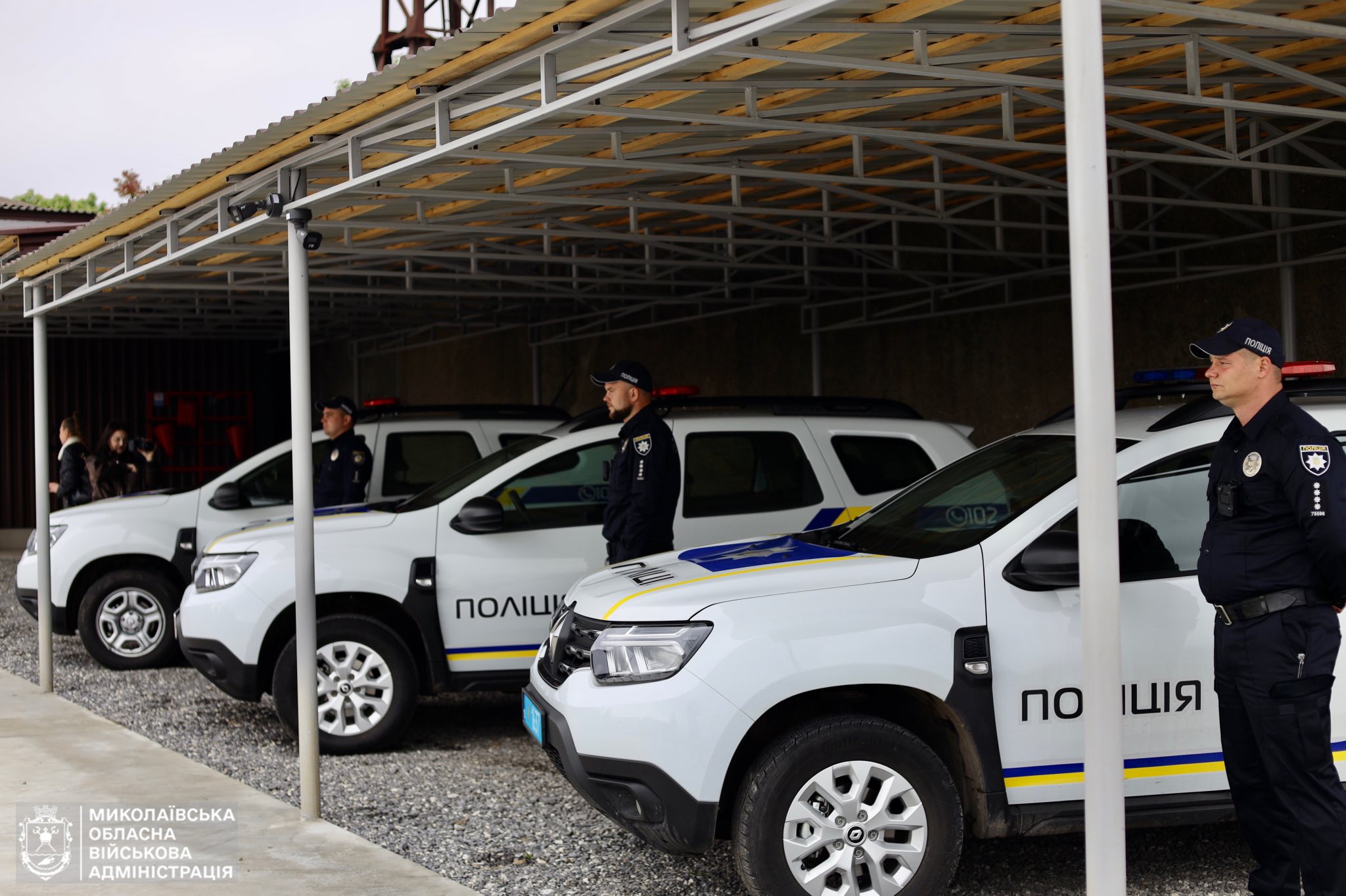 Security centre in the Snihurivka community. Photo: Mykolaiv Regional State Administration
As Ivan Kukhta explained, the city plans to install around 100 CCTV cameras.
The Inhulets River as a recreational area
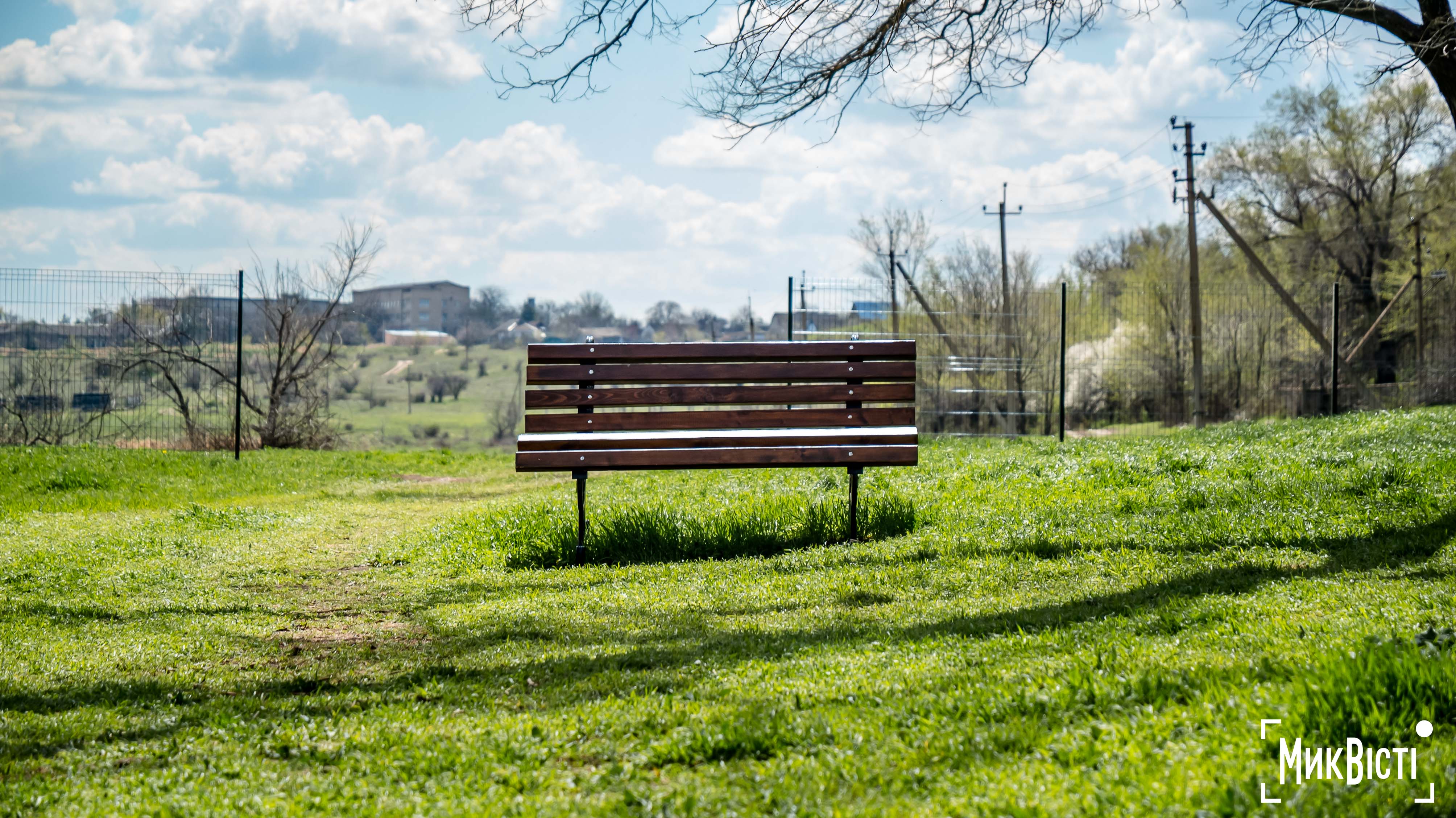
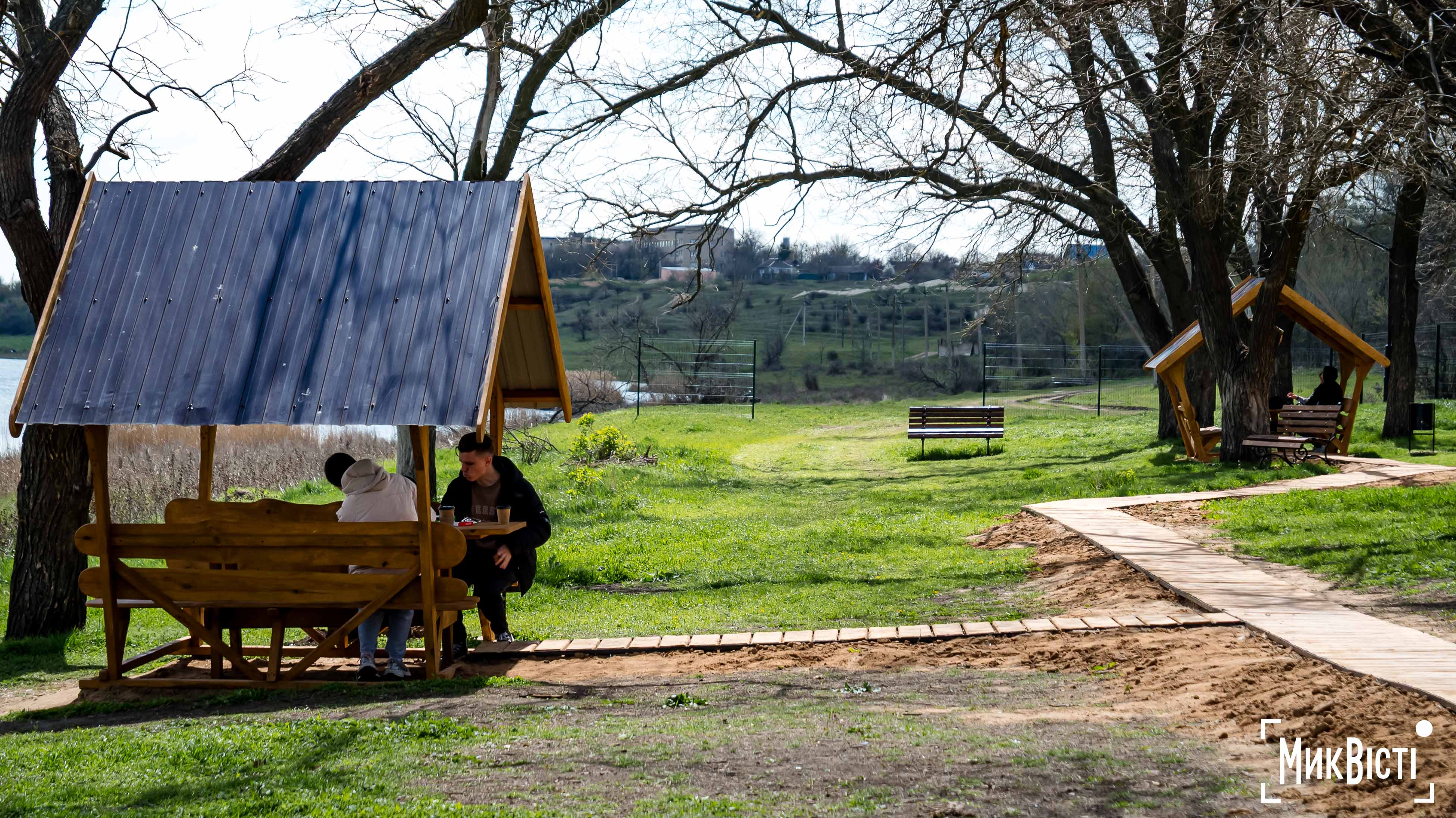
A recreational area with gazebos, benches, paths and a jetty has been created on the banks of the Inhulets River in Snihurivka. As Oleksandr Kovryha, deputy head of the Snihurivka City Military Administration, told us, this place used to be neglected, although people still came here to relax. The project was implemented using grant funds from ADRA Ukraine as part of a programme funded by the Danish Ministry of Foreign Affairs. The initiative was submitted by the civil society organisation «Renaissance of the South».
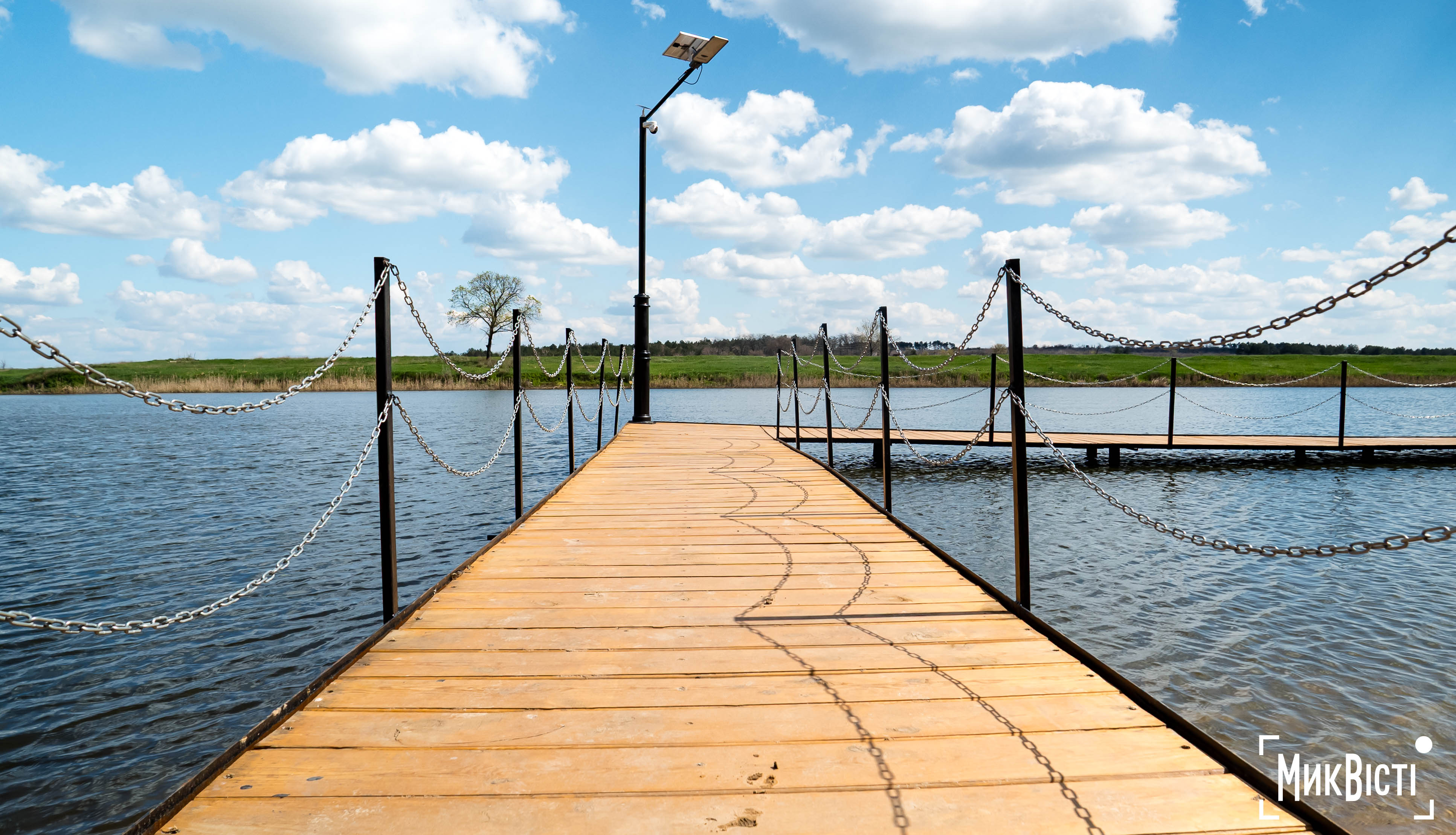 Recreation area. Photo: NikVesti
Iryna Vlasenko, a community initiative support facilitator at ADRA Ukraine, says the main idea was simply to tidy up the space and make it more comfortable for residents.
«It was an undeveloped area. People used to relax here, but it was all rather haphazard. We wanted to tidy the place up and make it accessible to everyone,» she says.
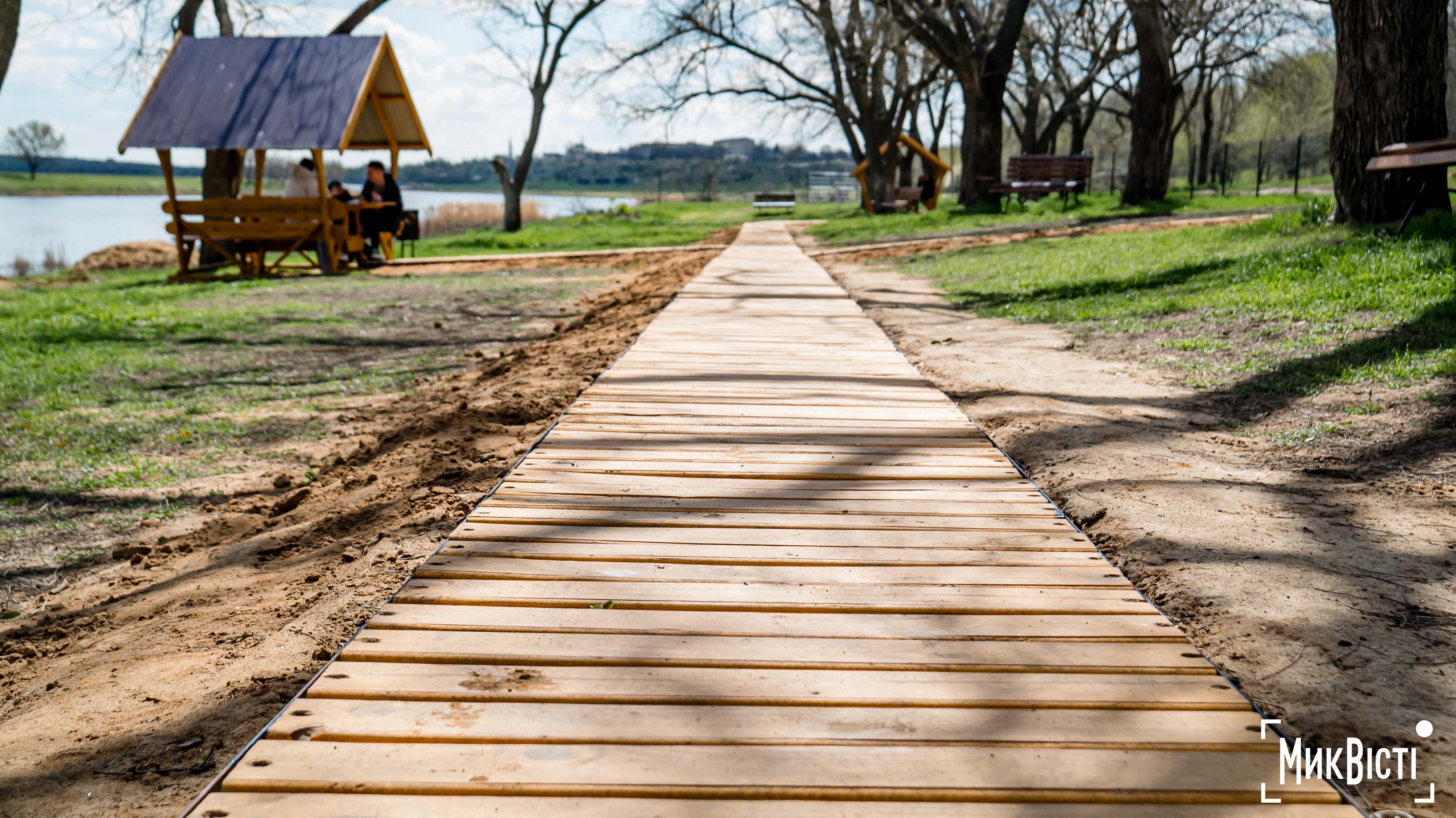 Recreation area. Photo: NikVesti
 Recreation area. Photo: NikVesti
 Recreation area. Photo: NikVesti
During the works, local residents joined in the community clean-ups, helping to tidy up the area and carry out some of the work. As a result, six gazebos were installed here, along with paths, benches and a jetty. Later, a fence and CCTV cameras were also installed.
«There had been incidents of vandalism, so we decided to install additional cameras,» explains Iryna Vlasenko.
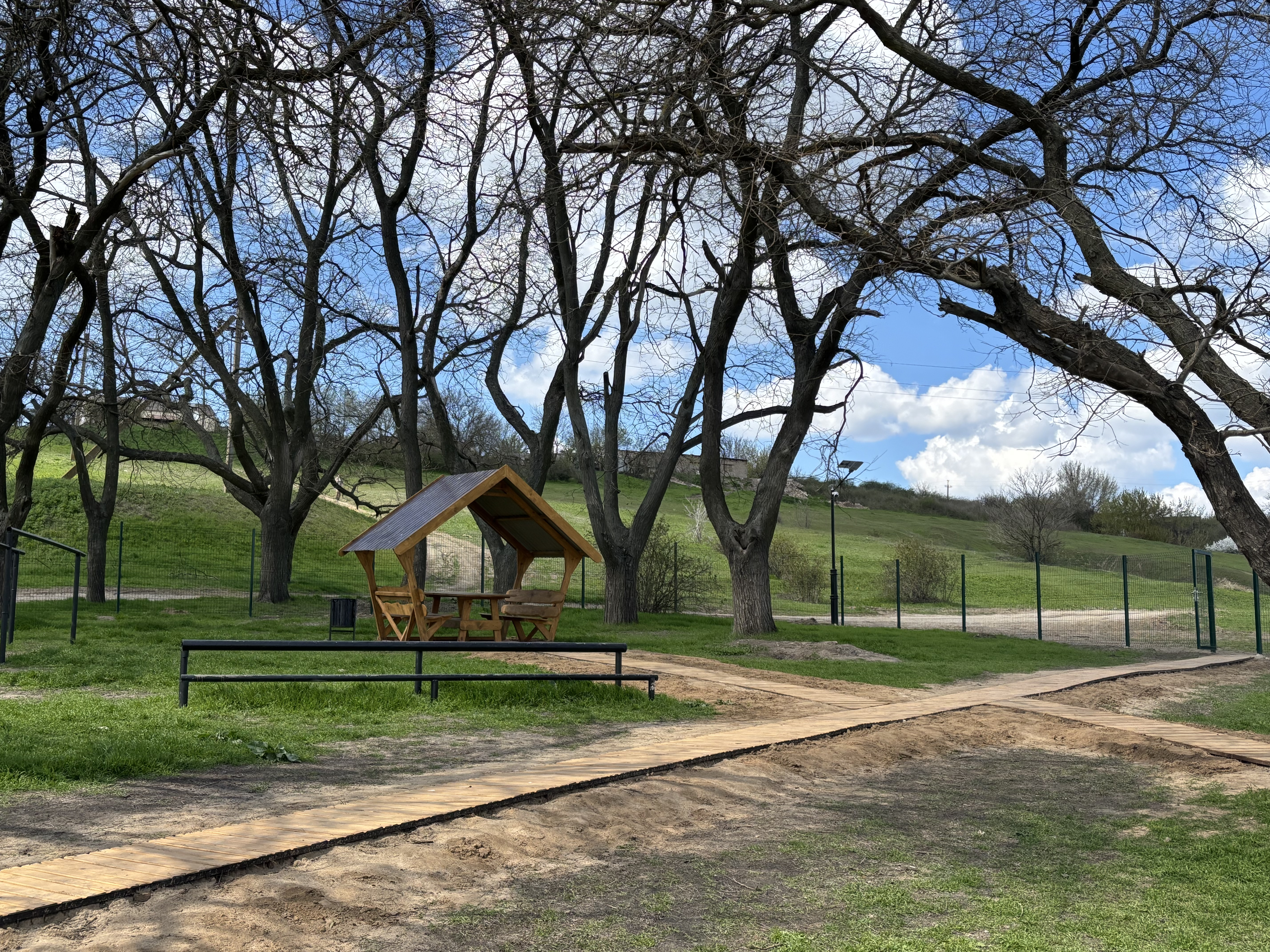 Recreation area. Photo: NikVesti
 CCTV camera in the recreation area. Photo: NikVesti
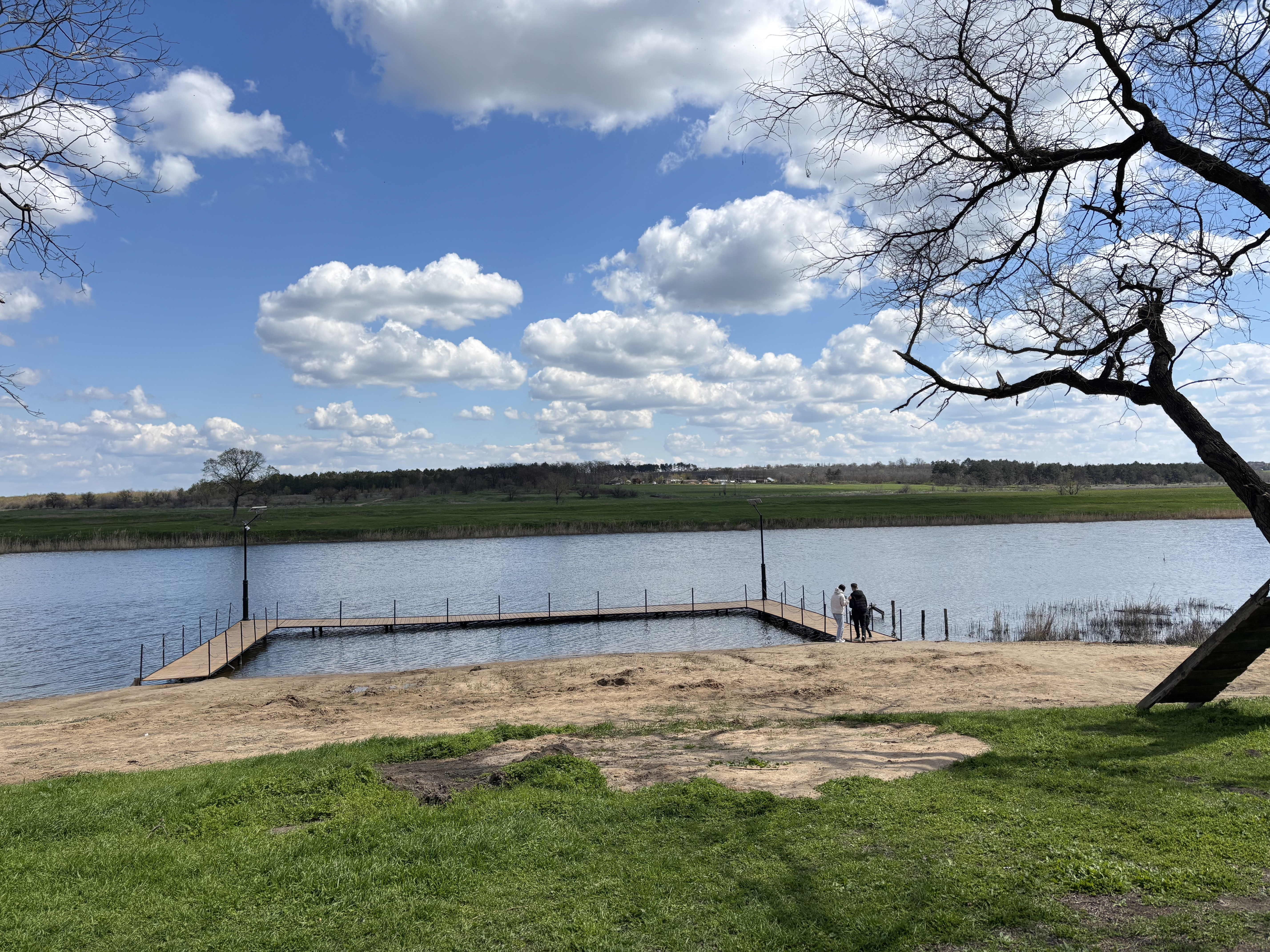 Recreation area. Photo: NikVesti
Around 600,000 hryvnias in grant funding was allocated to the project. Part of the work was carried out with the support of the community and municipal services. The recreation area is now already in high demand. According to Iryna Vlasenko, local residents come here, as do people from the surrounding villages.
«We’ve even seen on weekdays that all the gazebos are occupied,» she adds.
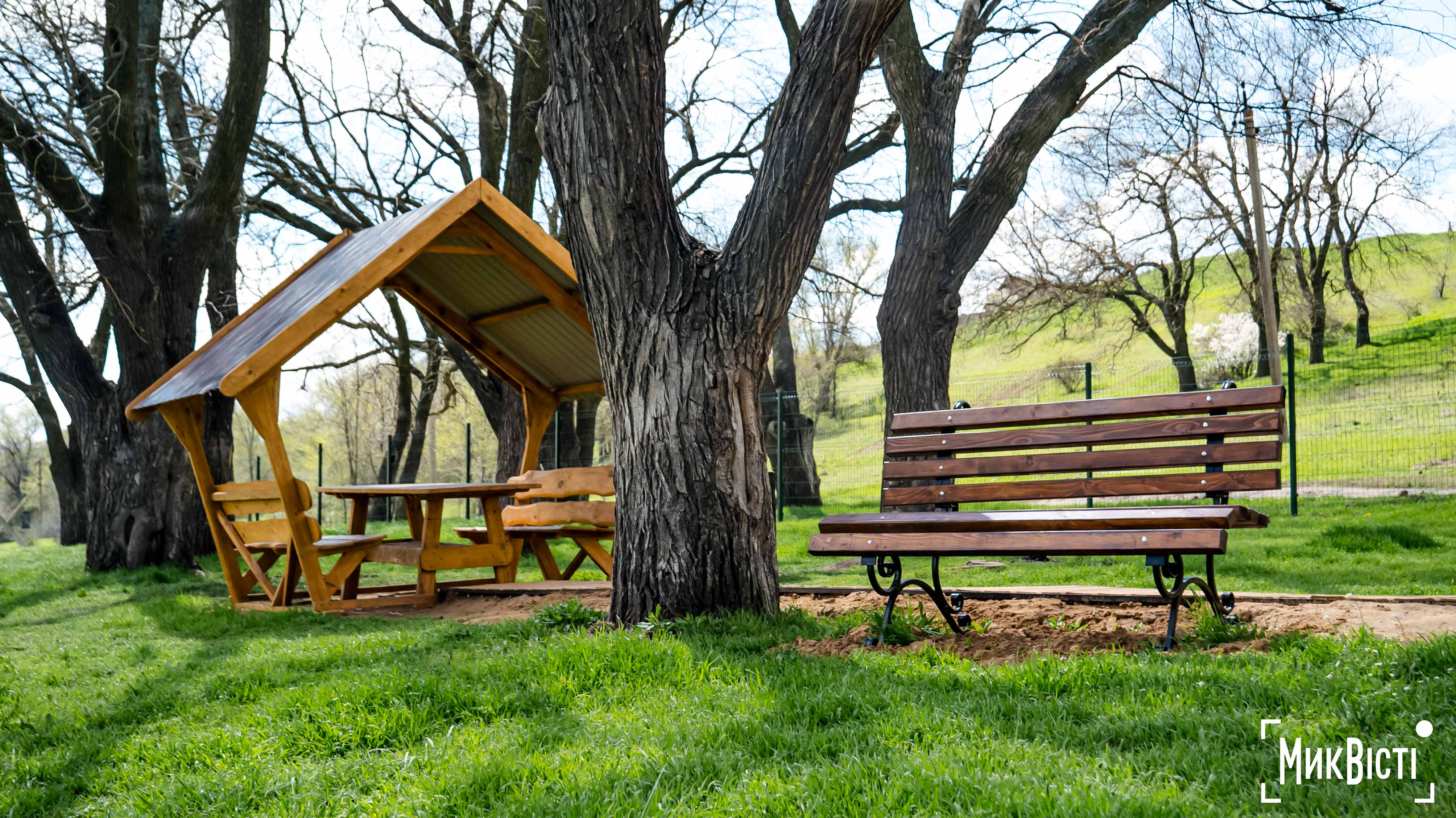 Recreation area. Photo: NikVesti
Services for several communities: how the new Administrative Services Centre in Snihurivka works
The previous premises of the Administrative Services Centre in Snihurivka were destroyed during the Russian occupation. The new ASC opened in May 2025 with the support of the Danish government. Four administrators, three property rights registrars and one registrar for legal entities and sole traders currently work here.
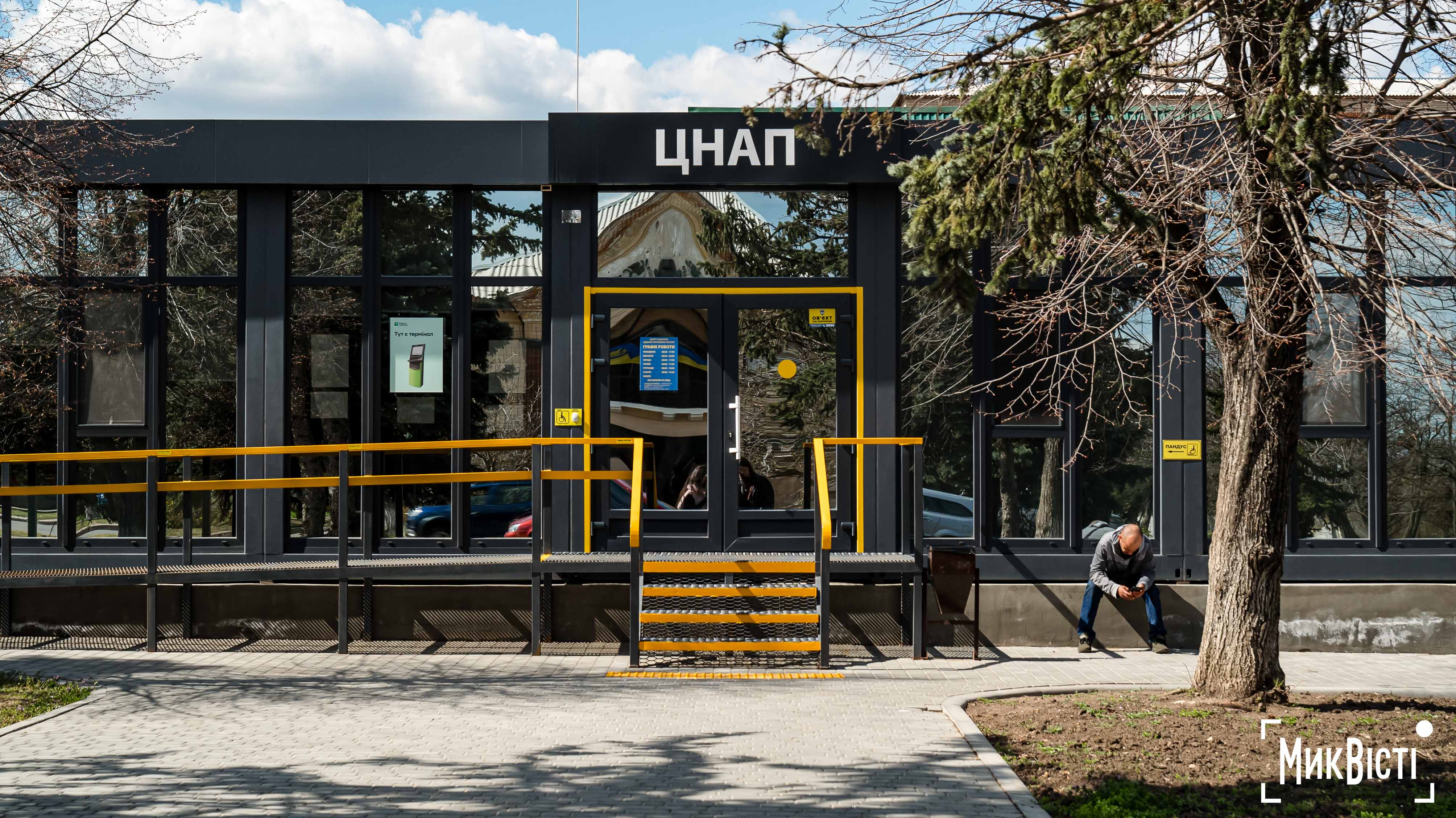 The new Administrative Services Centre opened in May 2025 with the support of the Danish government. Photo: NikVesti
Inna Pelekh, head of the Administrative Service Centre in the Snihurivka community, says that the centre serves over a thousand people every month.
According to her, for many residents, this is the nearest centre where such services can be obtained. Therefore, it is not only residents of Snihurivka who come here, but also people from the surrounding areas.
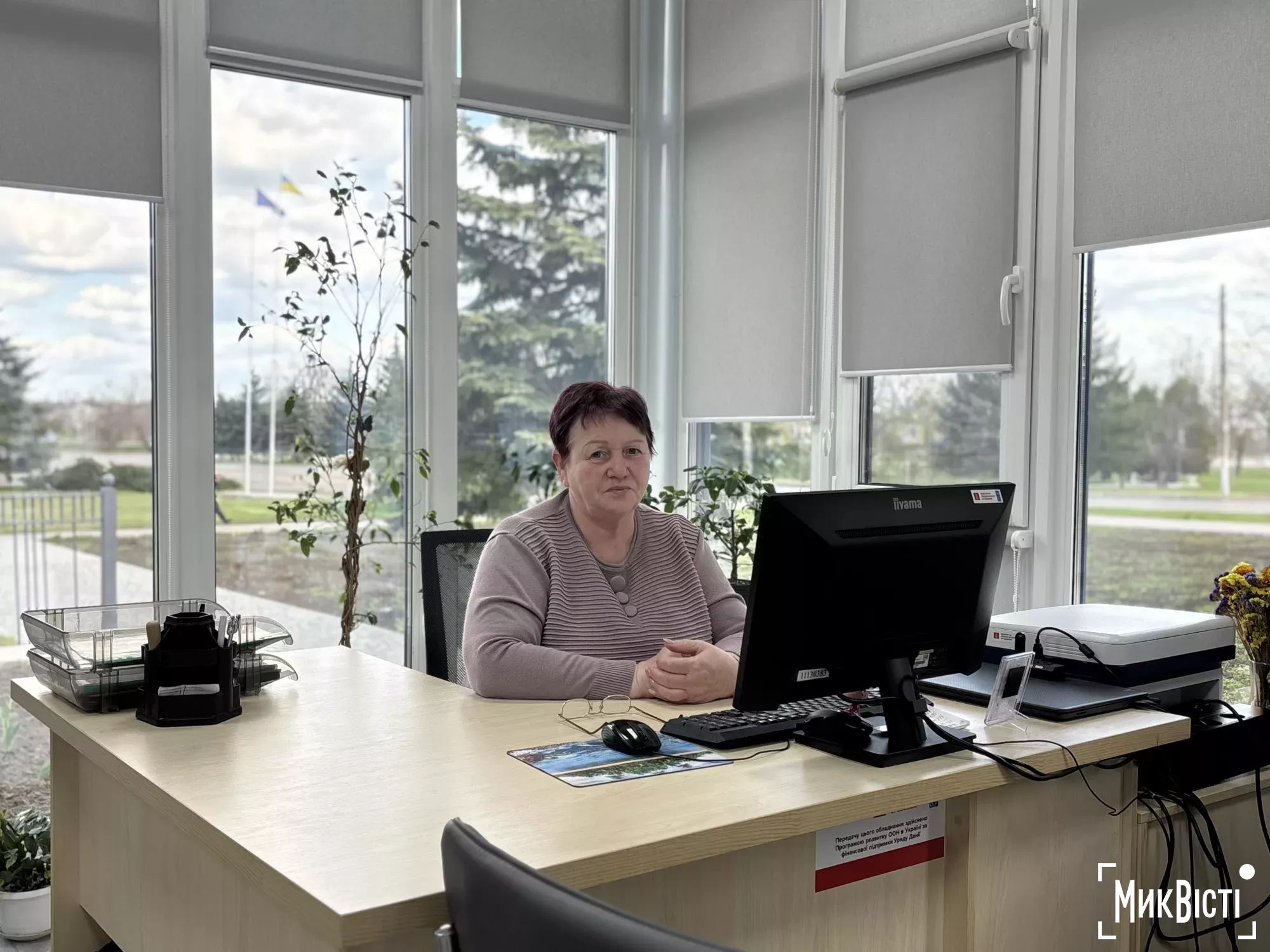 The new ASC opened in May 2025 with the support of the Danish government. Photo: NikVesti
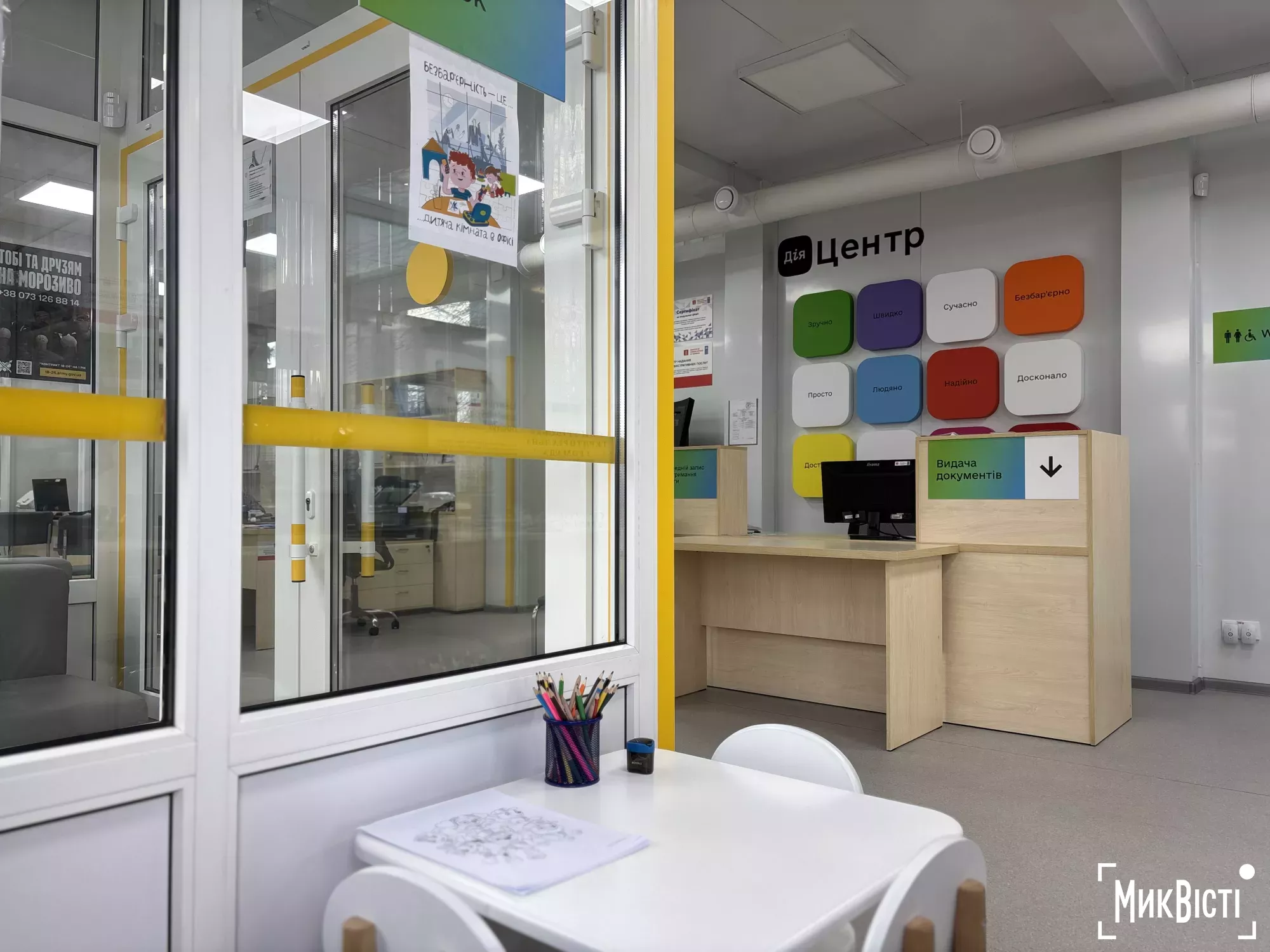 The new Administrative Service Centre opened in May 2025 with the support of the Danish government. Photo: NikVesti
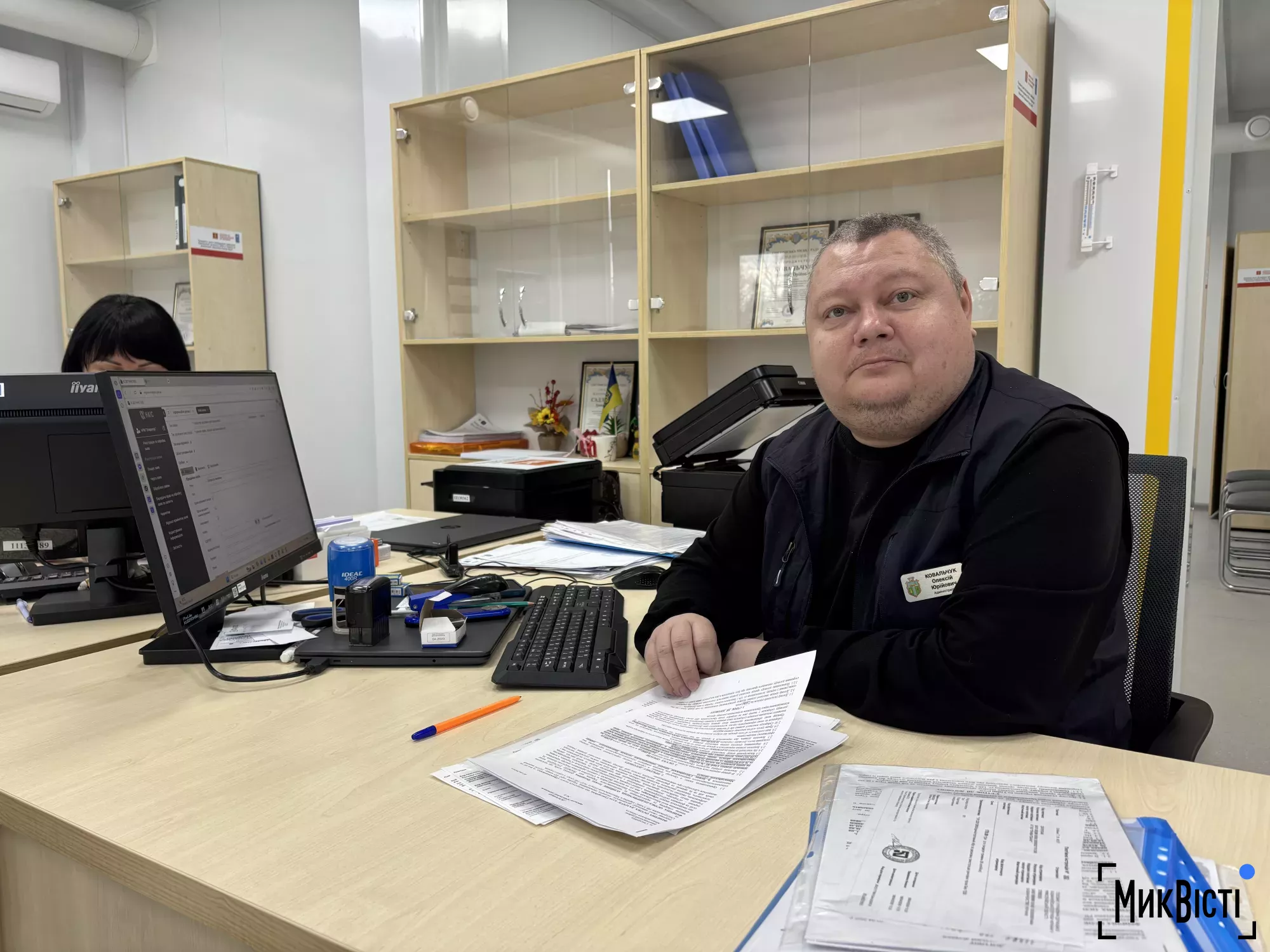 The new ASC opened in May 2025 with the support of the Danish government. Photo: NikVesti
«People come to us from the Horokhivka community, the Shyroke community, and also from the Kherson region. Many people are processing documents relating to damaged property,» she says.
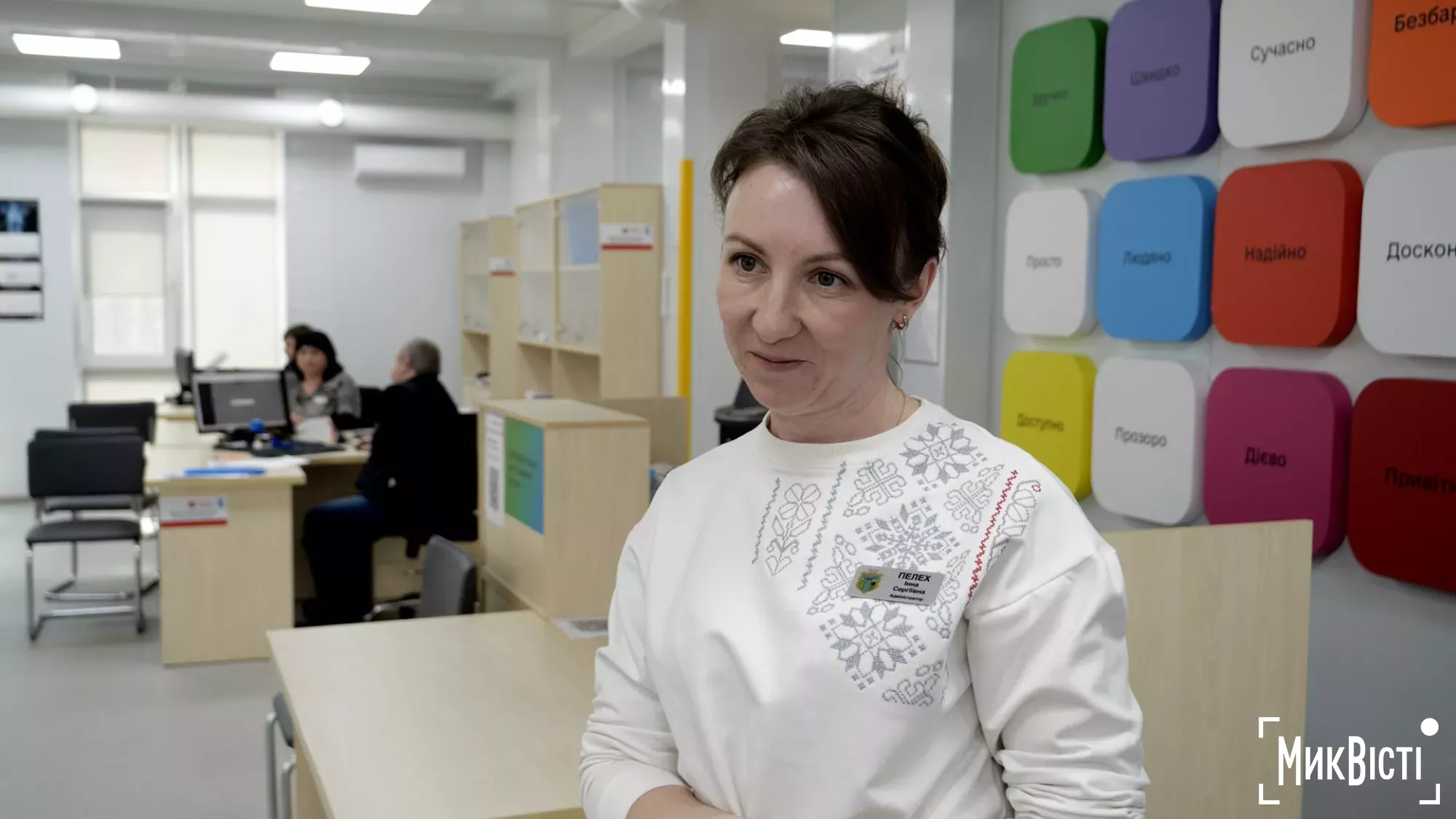 Inna Pelekh, head of the Administrative Service Centre in the Snihurivka community. Photo: NikVesti
In Snihurivka, preparations are underway for the opening of a new hub offering free courses
In Snihurivka, work is being completed on a new community space, which is set to become a venue for learning, consultations and meetings for local residents. The hub is being created in collaboration between Snihurivka Town Council and the «Rokada» Charitable Foundation.
As Iryna Vlasenko, project manager’s assistant at the Rokada Foundation, explained, the city council is funding the construction work, whilst the foundation is providing the facility with materials and equipment.
«This is a joint project. The city council is paying for the construction, and we are providing the materials. In future, the hub will be used for various community needs,» she says.
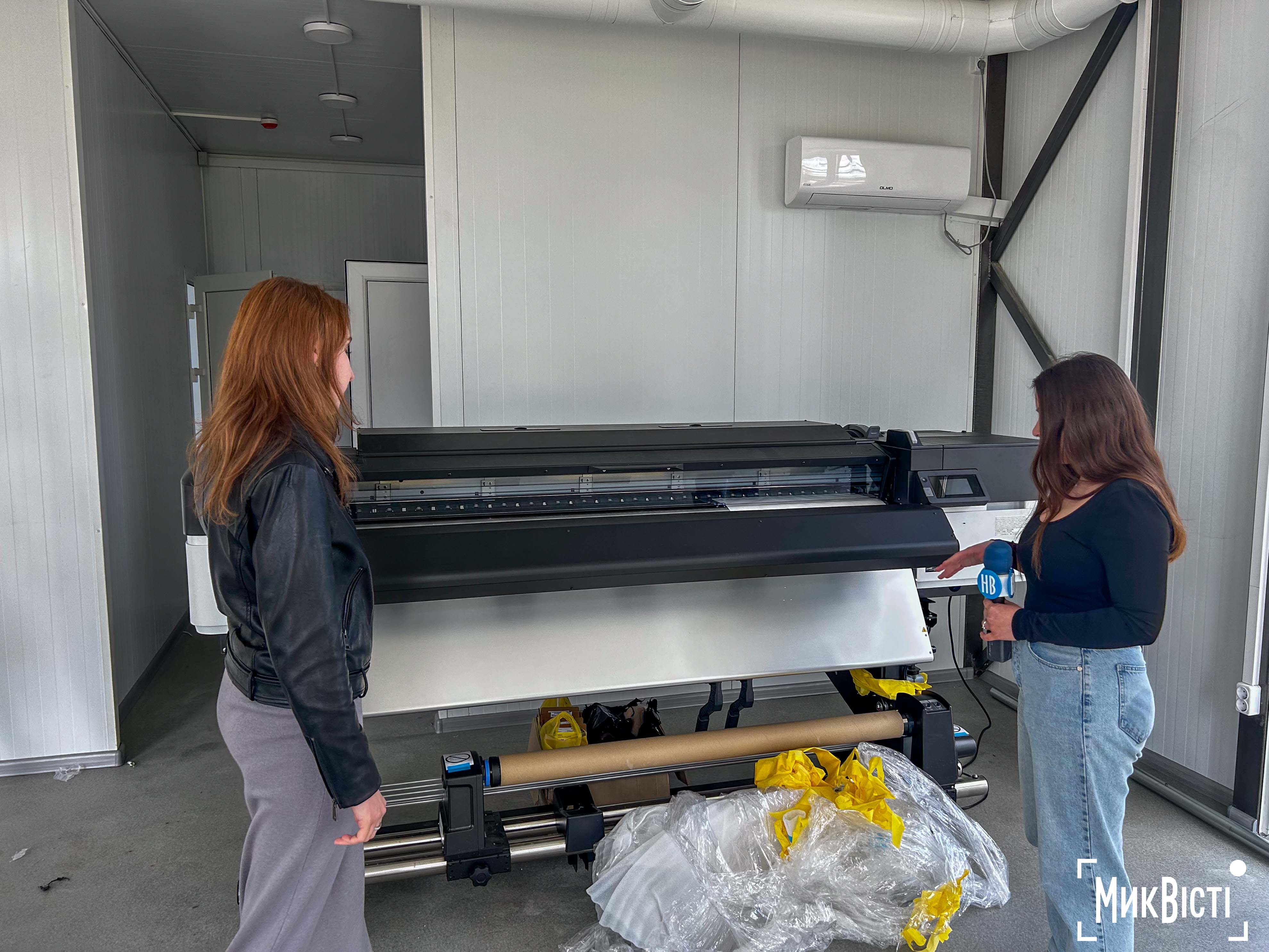 Preparations are underway for the opening of a new hub in Snihurivka. Photo: NikVesti
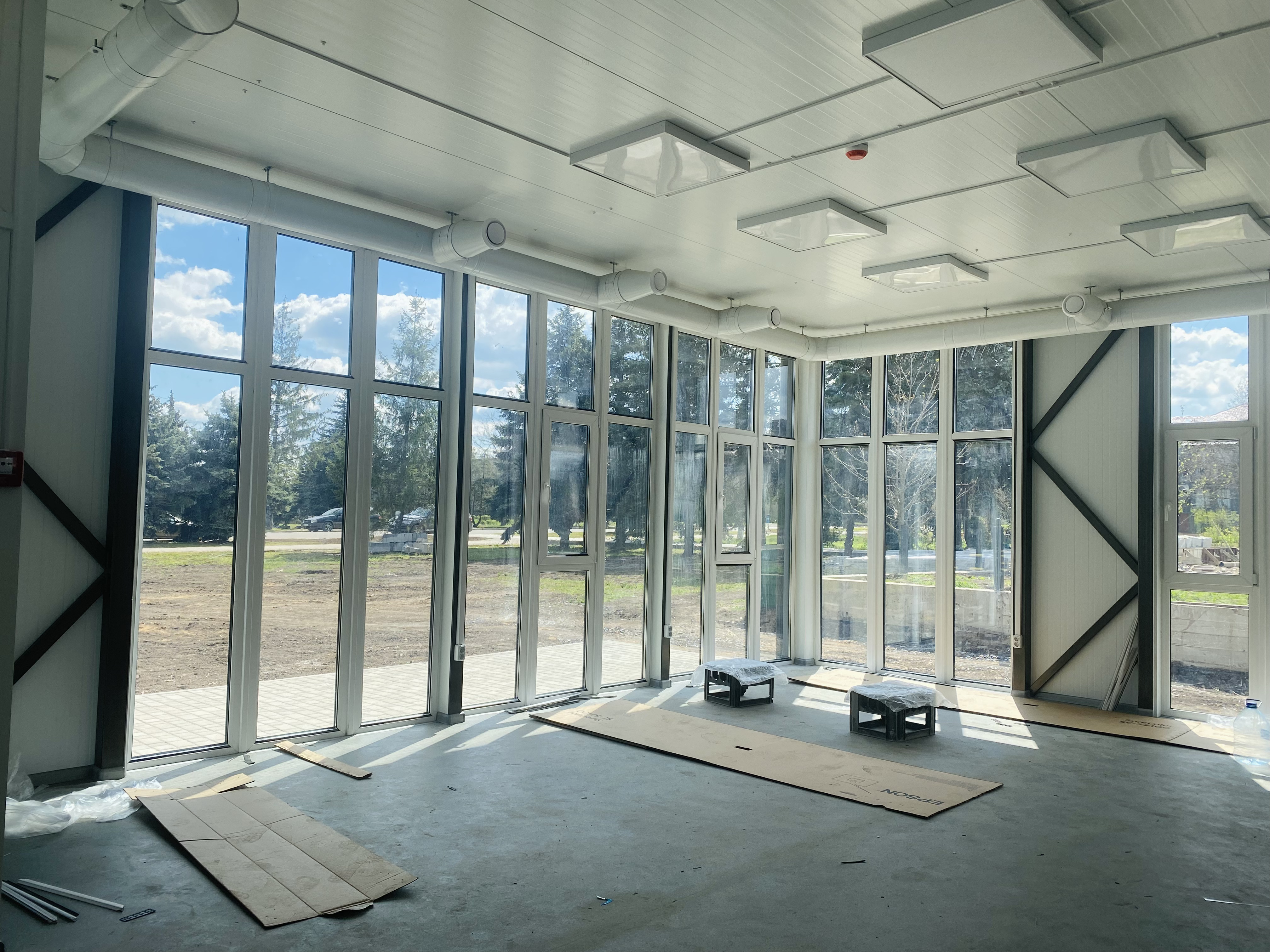 Preparations are underway for the opening of a new hub in Snihurivka. Photo: NikVesti
 Preparations are underway for the opening of a new hub in Snihurivka. Photo: NikVesti
The premises are intended to host residents’ meetings, events organised by international organisations, consultations with lawyers and psychologists, as well as appointments with a specialist on veterans’ issues.
One of the main areas of focus will be free vocational courses for local residents — further training or retraining. Some of the equipment has already been purchased.
«We want people to be able to acquire new skills, change careers or find additional job opportunities. The courses will be free,» says Iryna Vlasenko.
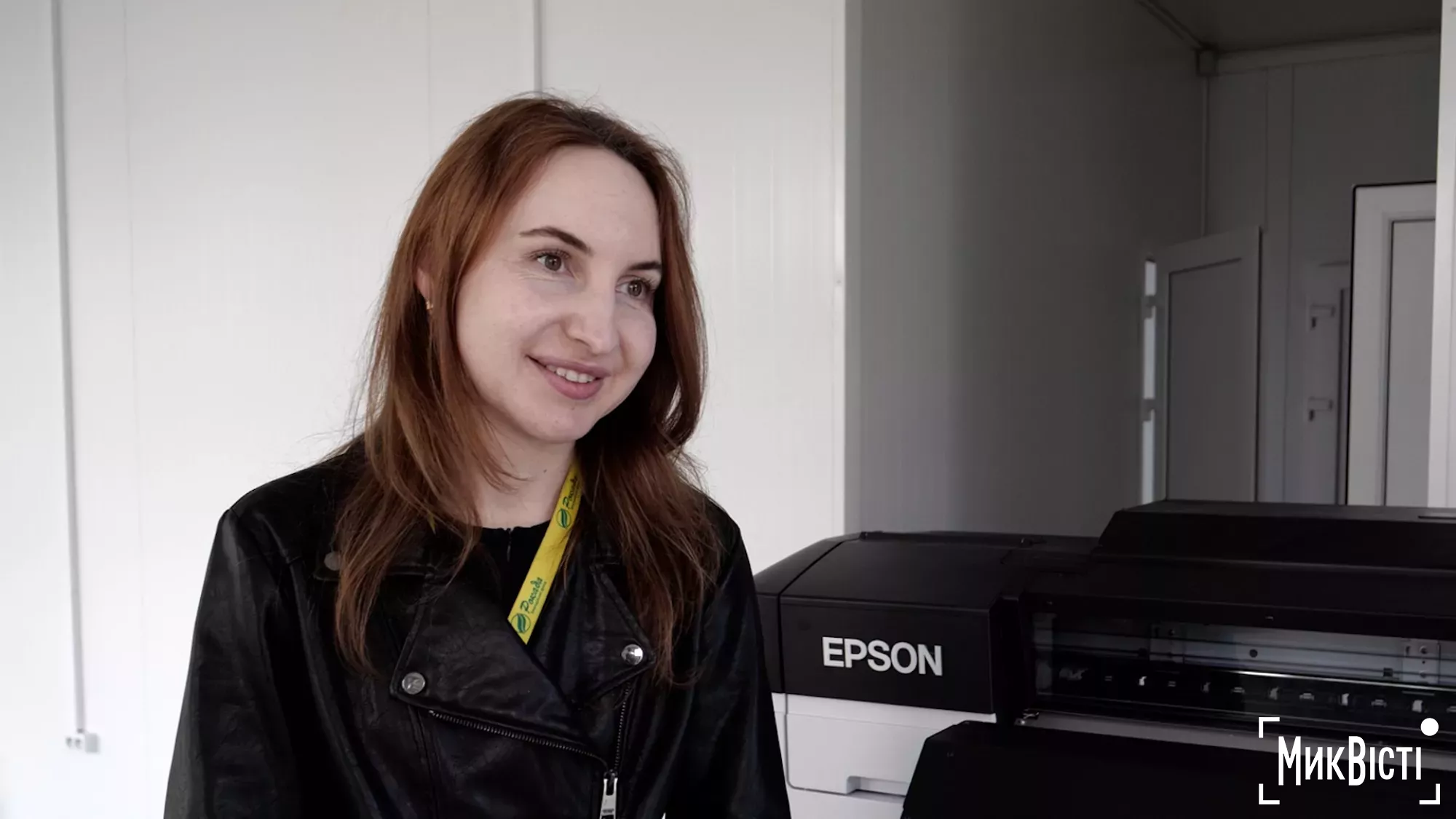 Iryna Vlasenko, assistant to the project manager at the Rokada Foundation. Photo: NikVesti
The premises are being made accessible for people with disabilities: a ramp, an inclusive toilet and a barrier-free space are being installed. A children’s room has also been planned so that parents can attend training sessions with their children. The timetable, course subjects and group selection are still being finalised. Before the launch, the organisers plan to survey local residents to understand which subjects and teaching formats are most in demand.
Walk of Fame
A separate project in the town is the Walk of Fame, which is currently being developed at the community’s expense. It will honour the fallen defenders from the Snihurivka district since 2014.
Oleksandr Katkov, chief specialist at the Snihurivka Municipal Administration, explains that the idea to create a memorial space arose following requests from the families of fallen soldiers. The plan is for the complex to take the shape of a trident, with a chapel and a space for memorial plaques being built nearby.
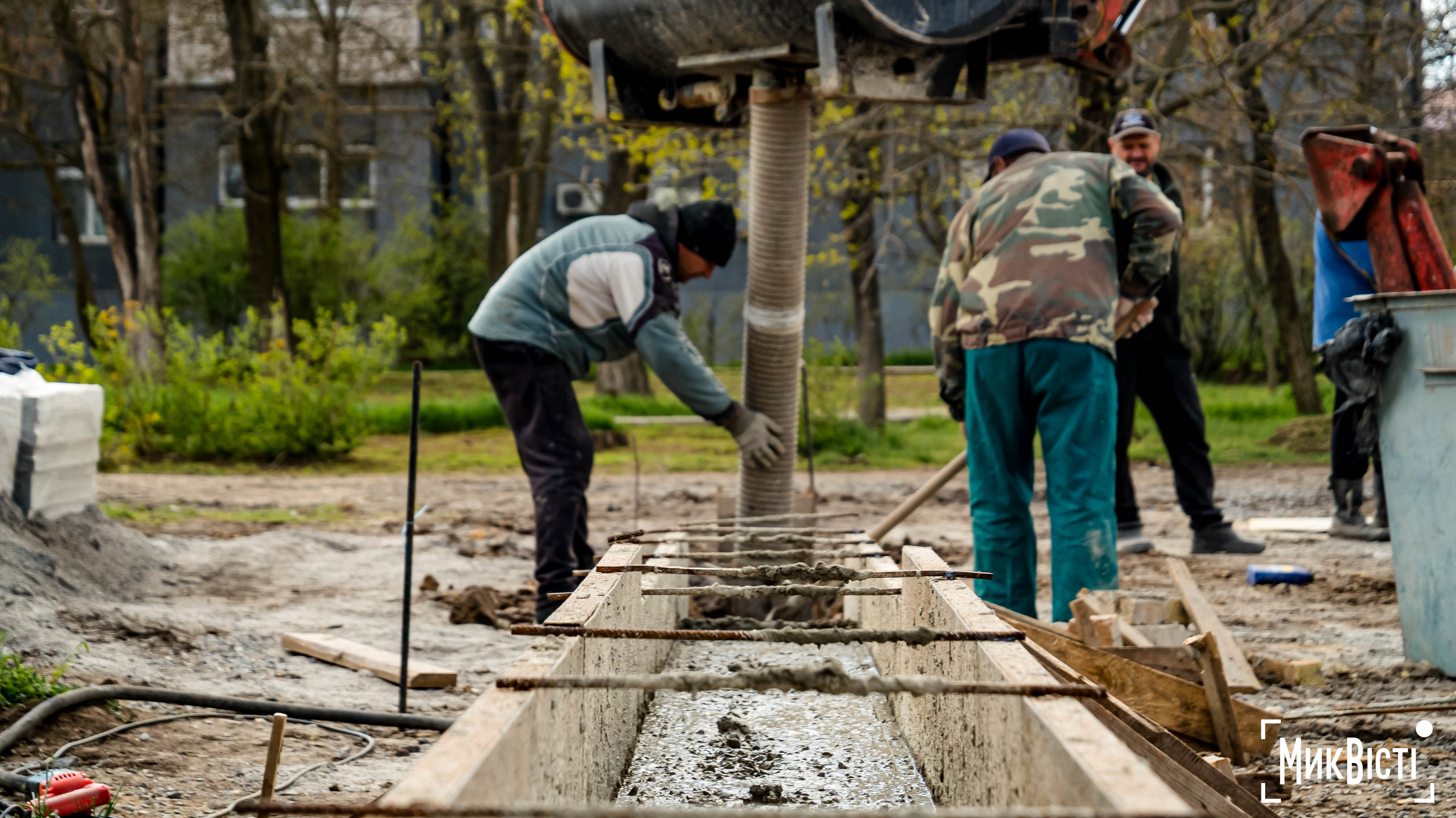 Construction of the Walk of Fame has been underway for a year. Photo: NikVesti
«Unfortunately, there is a need for such facilities. There will be over a hundred monuments here to our defenders who have died since 2014 and up to the present day,» Oleksandr Katkov told us in a comment.
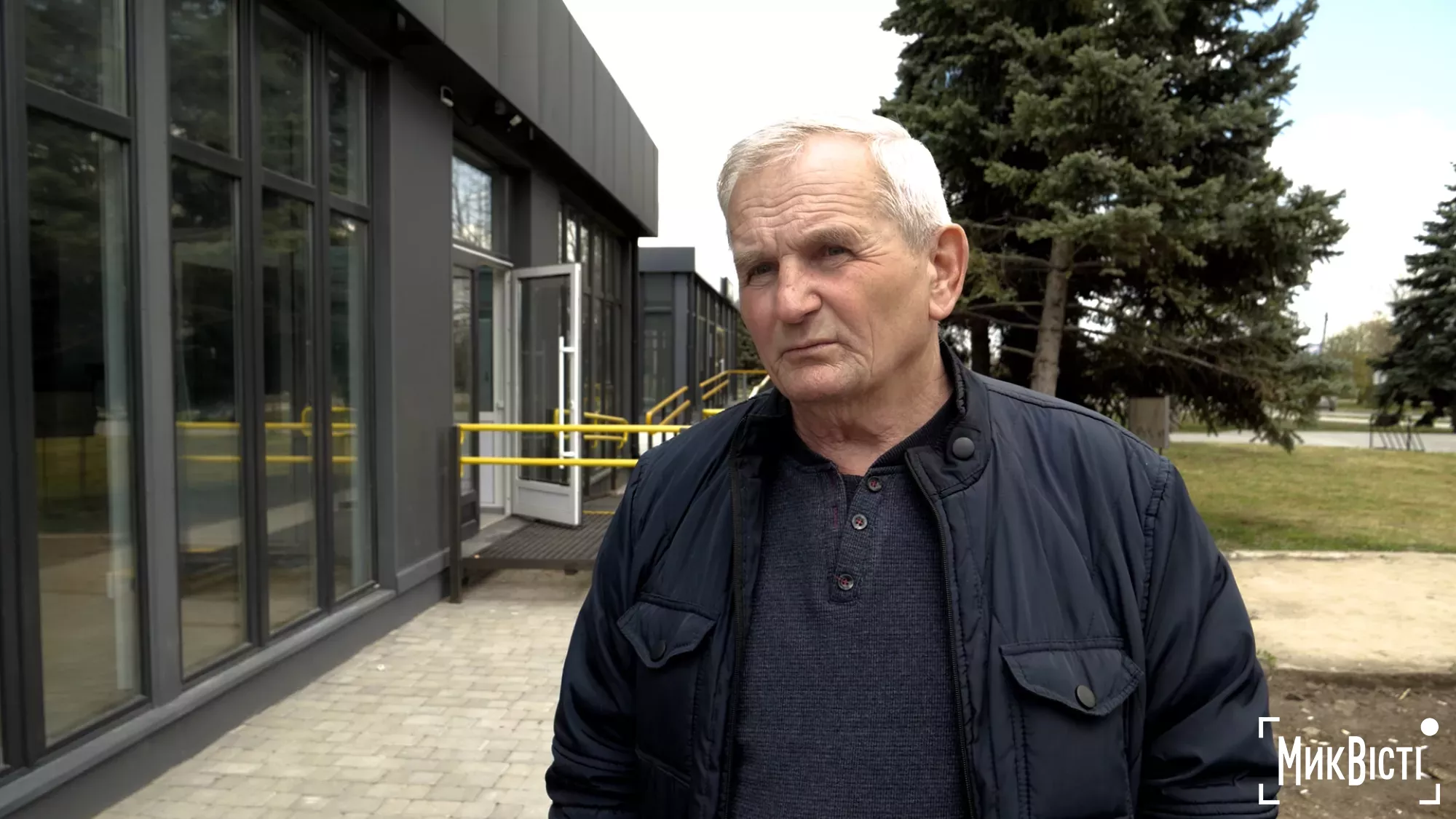 Oleksandr Katkov. Photo: NikVesti
Construction has been underway for almost a year. Work was suspended in winter due to the weather, and the project is scheduled for completion in the autumn. According to the official, the production of the memorials alone will cost around 4.6 million hryvnias. Of this, 1,178,000 hryvnias were allocated from the budget of the Horokhivka territorial community, and 3,441,000 hryvnias from the budget of the Snihurivka urban territorial community.
The memorial plaques are to be made of glass, featuring inscriptions and images commemorating the fallen defenders of Ukraine.
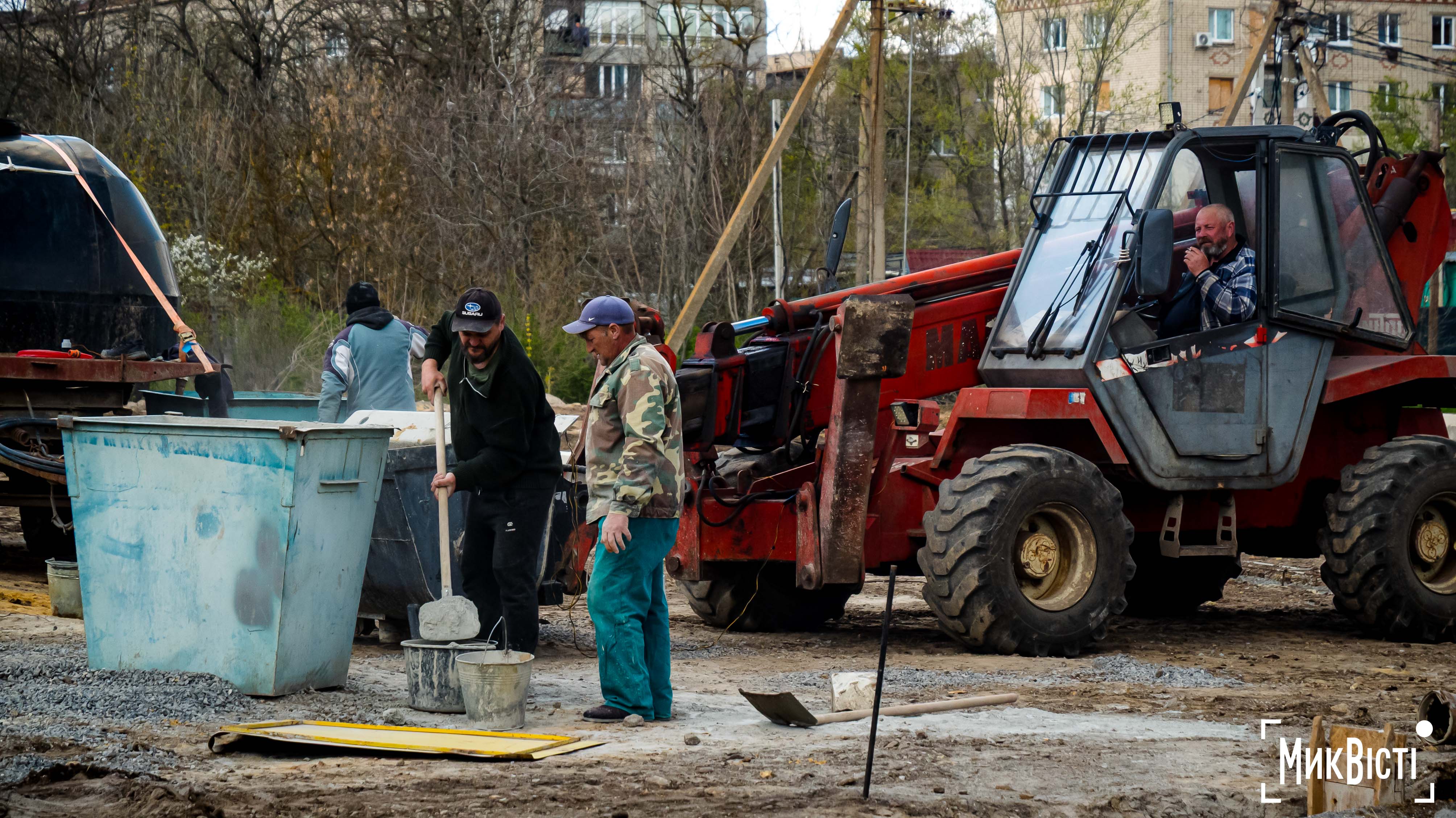 Construction of the Walk of Fame has been ongoing for a year. Photo: NikVesti
Oleksandr Katkov says that in recent years the town has changed noticeably, primarily thanks to the people returning home.
«People are determined to rebuild Snihurivka. Grant programmes have helped, particularly with the water supply. They are now fitting wells with solar panels, replacing water pipes and upgrading the streets. We are doing everything we can,» he says.
What the residents say
Journalists from NikVesti spoke to residents of Snihurivka about what life is like in the town now.
Local resident Lidiia Hlushchenko says that life in Snihurivka has improved: not radically, but «it’s become easier since the liberation».
«Life in Snihurivka has improved a little. I wouldn’t say drastically, but it’s become easier since the liberation. There’s some help from the administration; they’re doing things bit by bit. We get by ourselves too—a bit of trading, a bit of earning—because you can’t live on a single pension. Of course, we’d like the war to end. Because one thing or another happened — we hadn’t managed to repair the roof, and another shell hit it. But they’re trying, they’re doing something. We thank them for that. We got through the winter, the power wasn’t cut off — that’s already good. I’d like the young people to stay and for there to be more work. And for the war to end already,» says the woman.
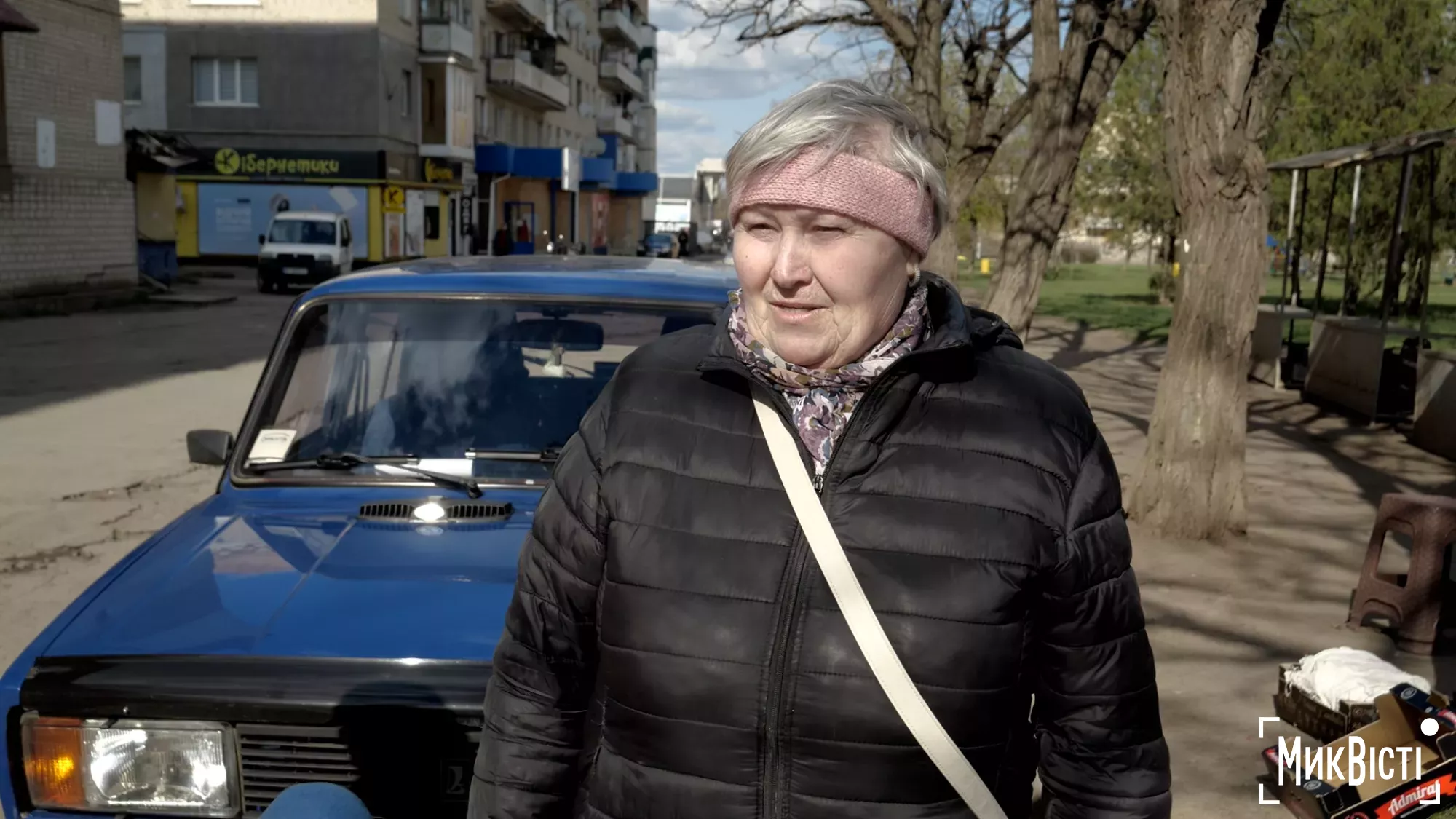 Local resident Lidiia Hlushchenko. Photo: NikVesti
Her husband, Hennadii Hluschenko, adds:
«There have been changes: they’re paying out benefits, and providing assistance bit by bit, not all at once. Things are getting done gradually; they’re rebuilding in stages. That’s how we live. In Snihurivka, some houses are connected to the gas network, others aren’t, so many people use electricity. They’ve made concessions so that people can heat their homes and not freeze. I think everything will sort itself out and be rebuilt. The main thing is for young people to work and come back here. That’s the most important thing. And for children to be born here,» says the man.
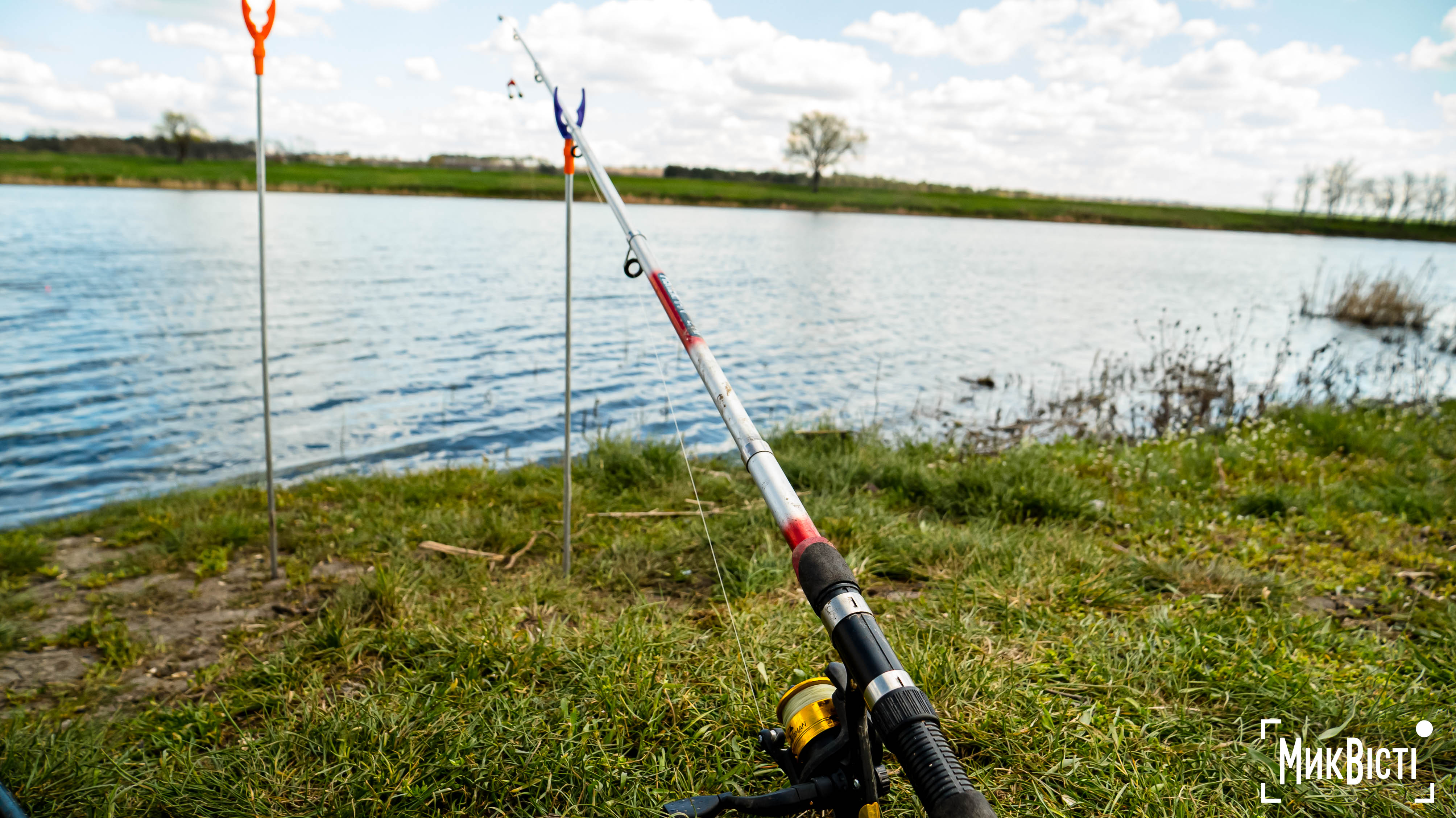 Snihurivka in spring. Photo: NikVesti
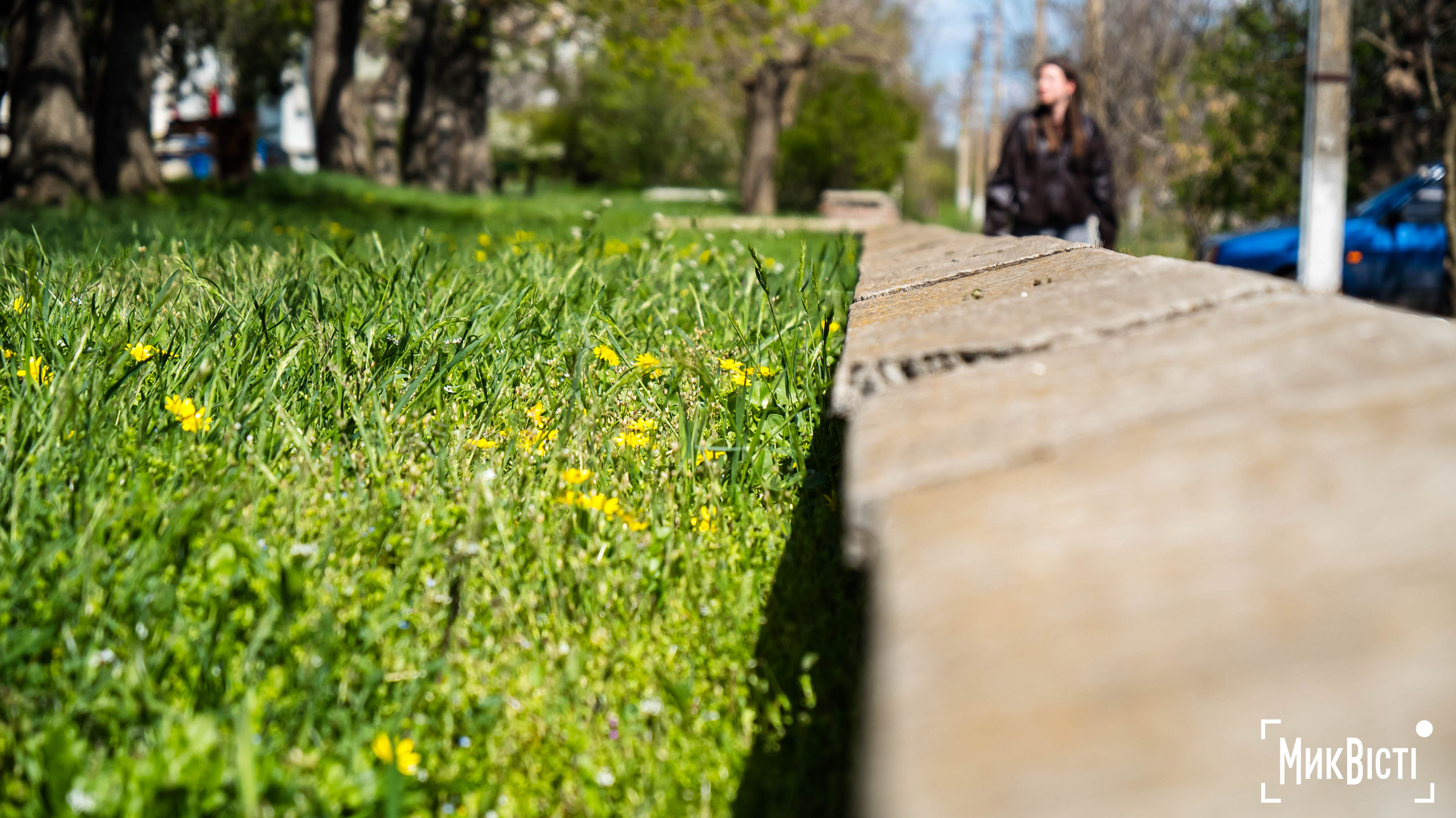 Snihurivka in spring. Photo: NikVesti
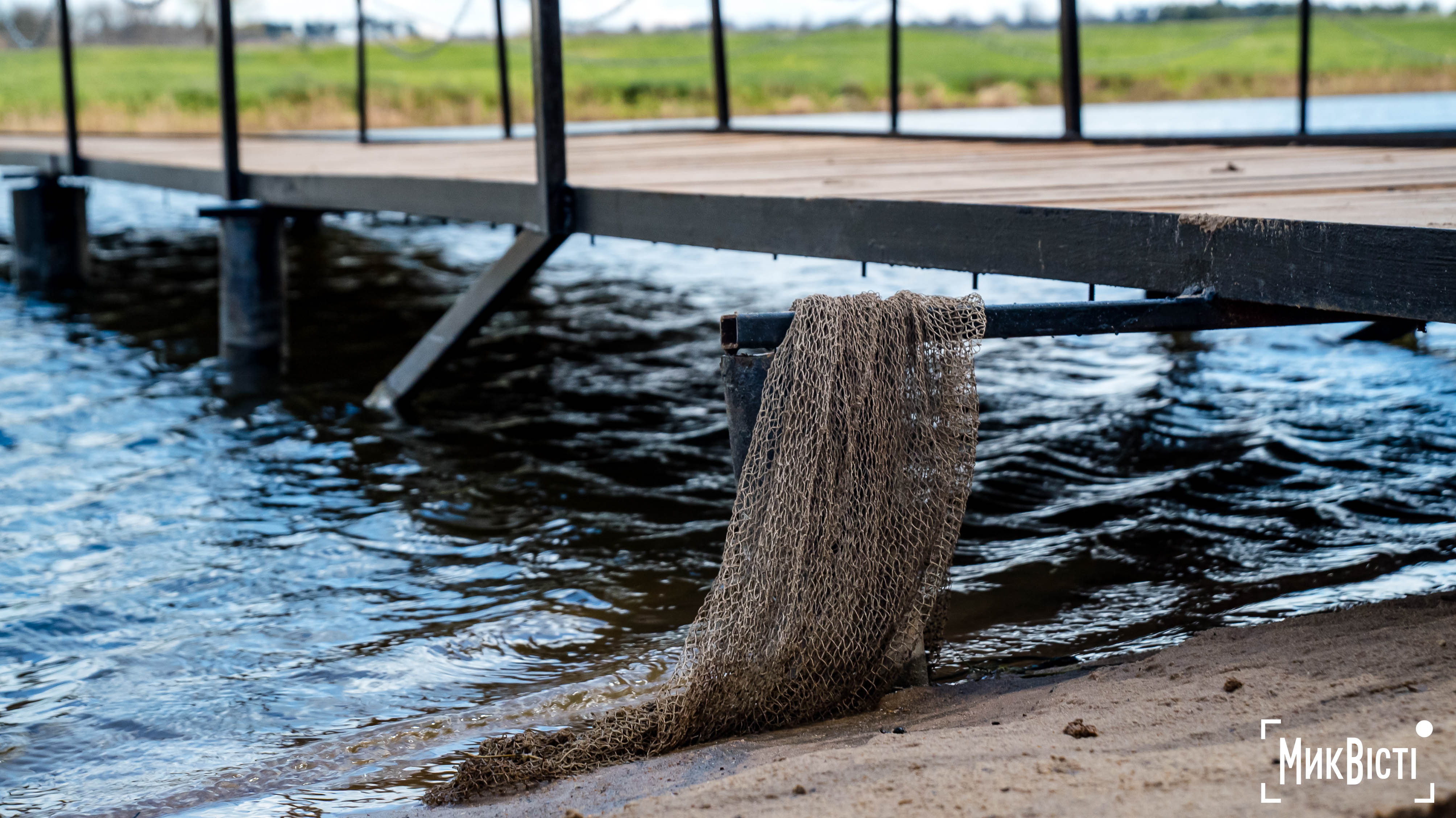 Snihurivka in spring. Photo: NikVesti
Uliana Rodyuk, a local resident, says:
«New places are appearing, things are being built, clubs are opening, there’s a buzz».
Veronika Kobara adds:
«They’ve opened the Administrative Services Centre, built a lovely playground by the river, and are carrying out repairs at the hospital. The town is slowly coming back to life».
So, Snihurivka is gradually returning to normal life, but it is certainly not a quick process. Here, infrastructure is being restored, new services are being launched, and places for recreation are appearing — all whilst the town lives under the constant threat of war. Almost four years after de-occupation, the community has restored most of the housing, brought back basic utilities, the Administrative Services Centre, and public spaces.
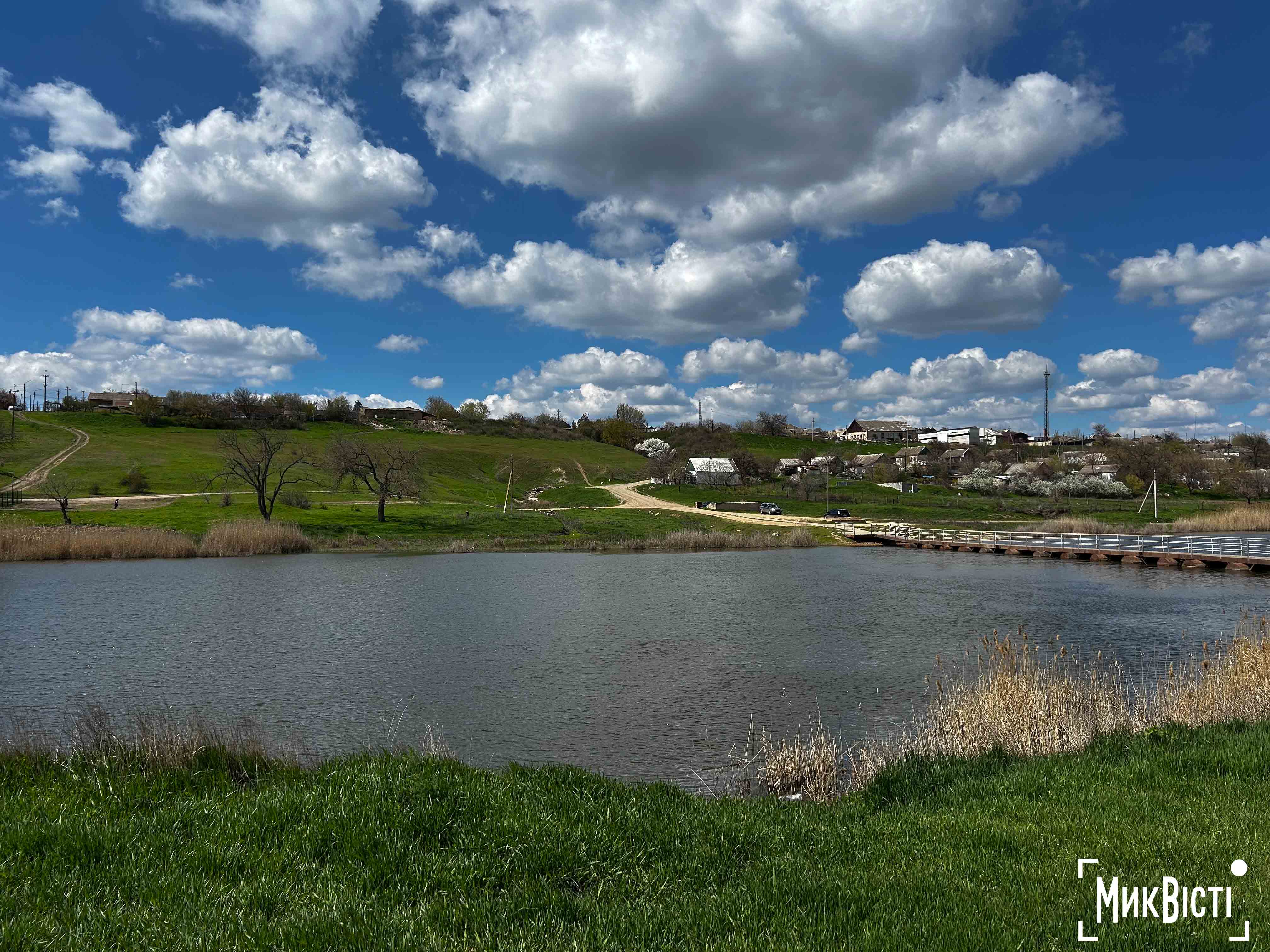 Snihurivka in spring. Photo: NikVesti
As a reminder, the Snihurivka community has officially become a partner of the Danish municipality of Gentofte. A declaration of cooperation was signed by representatives of the community and a delegation from Denmark led by Mayor Michael Fenger.