The director of Mykolaivvodokanal explained from whom the collectors will be demanding payment of debts
- Julia Lukyanenko
-
•
-
07:53, 02 July, 2026
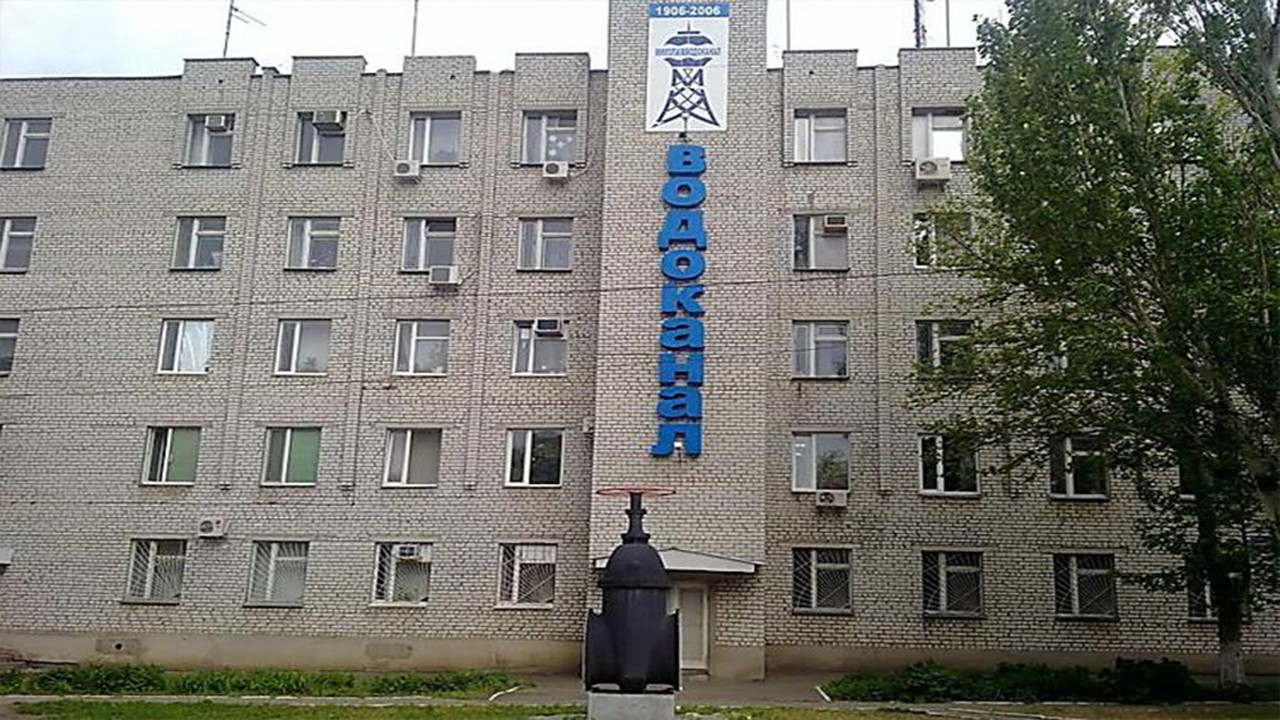 Mykolaivvodokanal has revealed which debtors the debt collectors will be targeting. Photo from open sources
Mykolaivvodokanal plans to use debt collection agencies to recover debts that are more than three years old. As they cannot write these off, they want to recover the money from the debtors.
This came to light during a meeting of the Mykolaiv City Council’s Housing and Utilities Committee, according to NikVesti.
The director of the water utility was asked what percentage of residents are currently paying their water bills. According to Hennadii Iziumov, the figure is around 80 per cent.
«Outstanding debts (debts owed to the water utility, — note) stood at 254 million hryvnias as of May. Around 80 per cent of the population are paying,» said the director of the water utility.
Hennadii Iziumov was also asked about the tender for sewerage services: who it would apply to.
«Yes, there is such a tender. Debts that are more than three years old and the corresponding amounts will be put forward. We do have such debts. There are many that should already be written off, but we cannot write them off. Therefore, we must try to recover something from them,» replied the director of the water utility.
As a reminder, the municipal enterprise «Mykolaivvodokanal» has announced a tender for the services of debt collection agencies to work with debtors. The estimated cost of the work is 1.24 million hryvnias. The aim is to recover over 6 million hryvnias in debts.
At the city council session on 30 June, the chair of the supervisory board stated that «Mykolaivvodokanal» loses around 500 million hryvnias annually due to water leaks, and the company’s losses have already reached almost 700 million hryvnias. In addition to financial problems, systemic shortcomings have been identified at the company in the areas of management, cost control, the use of donor aid and the organisation of work within individual departments.