Kim: It will take 15 years of consistent policy to revive the economy of the Mykolaiv region, following the example of the «Asian Tigers»
- Anna Hakman
-
•
-
14:21, 02 April, 2026
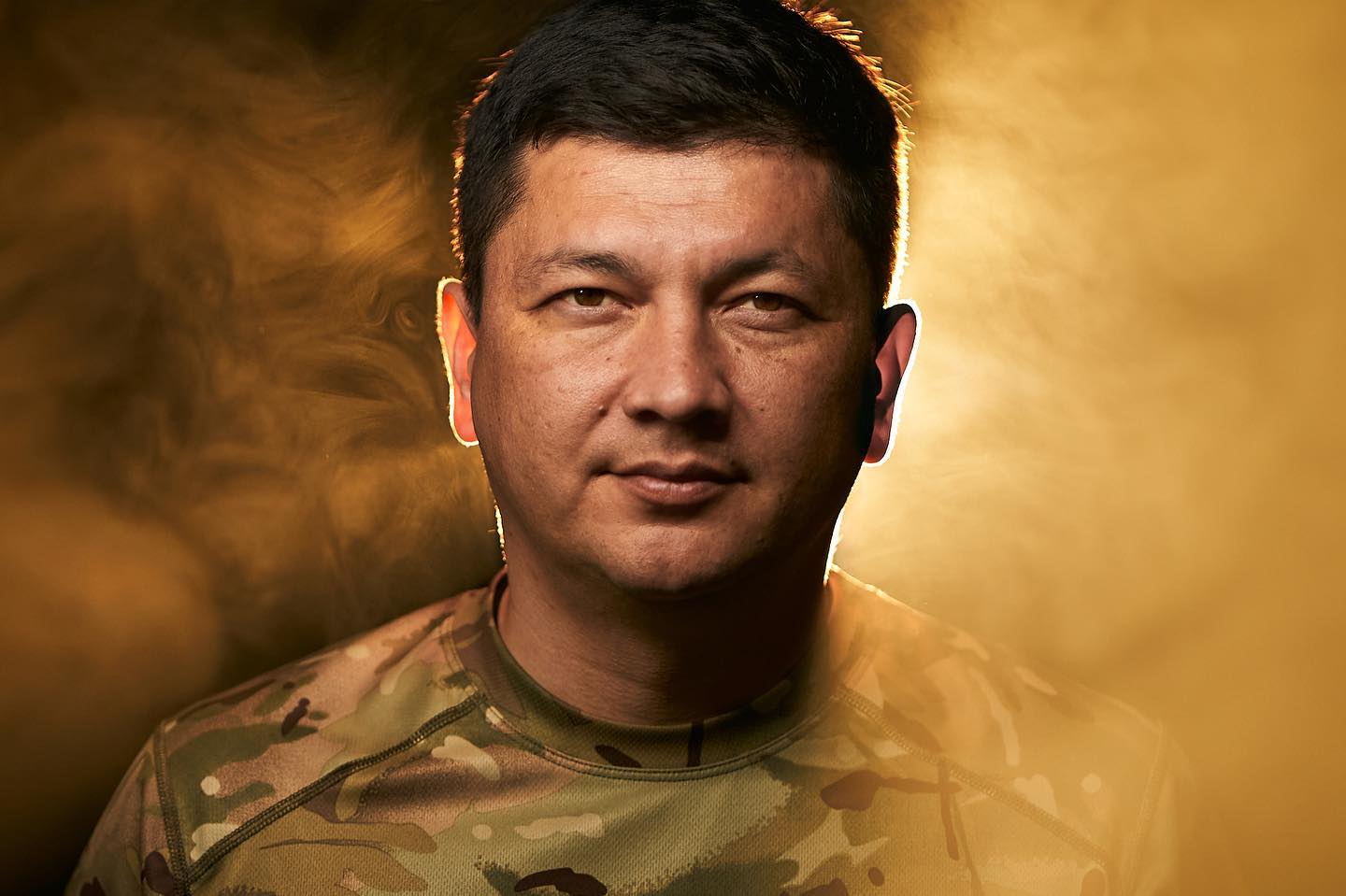 Vitaliy Kim believes that the economic development of the Mykolaiv region requires a policy modelled on the ‘Asian Tigers’. Photo: Kostyantyn and Vlada Liberov
Vitaliy Kim, head of the Mykolaiv Regional Military Administration, believes that the region’s economic recovery and development require a consistent policy spanning at least 15 years, modelled on the «Asian Tigers».
He spoke about this on the «Economic Truth» podcast.
He noted that he had studied the experience of other countries, in particular the «Asian Tigers» and South American nations, which had managed to achieve industrialisation and an economic breakthrough.
«A Chinese delegation once visited us and asked whether our governors serve for less than 15 years. We replied that we have elections. They asked what could be achieved in such a short time. Their development strategy is designed for 15 years, not limited to five-year electoral cycles. Unfortunately, I can see that recovery will require around 15 years of consistent policy in the region. I can see how this can be done, and I have studied the experience of other countries to see what can be adopted from various nations. In particular, from the Asian ‘tigers’ and the countries of South America. We are talking about the industrialisation of rebuilding what we lost after 1991. At that time, many industries declined: metallurgy, aluminium production, dairies, wineries and so on,» said Vitalii Kim.
 Vitalii Kim. Screenshot from the ‘Economic Truth’ YouTube channel
Also, he said, the region has retained its main resource – its people – as well as its system of vocational and higher education.
«At the same time, we have the most important thing: people who know how to work, a system of vocational education and universities where foreigners study. In particular, there are around 12,000 students at Mykolaiv National University of Shipbuilding, 2,500 of whom are foreigners. There are fewer of them now because of the war, but many are studying remotely. They gain knowledge here about shipbuilding, logistics and other fields, and then return home. But we are not making full use of this potential. Therefore, the only way forward is industrialisation, as successful countries have managed to achieve over 10–15 years. My task is to set this process in motion. I don’t plan to work for that many years, but if I start it, I hope someone will carry it on,» said Vitalii Kim.
He added that Mykolaiv is a city of character, home to people who «know how to work and endure».
«Mykolaiv is a city of character. From the shipbuilders, we have inherited disused factories and character. The people are quite tough: they know how to work hard, endure a great deal and stand up for what is theirs. Mykolaiv truly has character,» believes Vitalii Kim.
Note:
The Asian Tigers’are the new industrial economies of East Asia, which typically include Singapore, Hong Kong, the Republic of Korea and Taiwan. These countries and territories have demonstrated high rates of economic growth, particularly since the second half of the 20th century.
Over the course of several decades, the Asian Tigers managed to transform themselves from relatively underdeveloped economies into some of the most developed in the world. This was facilitated, in particular, by strict economic policies, an export-oriented focus and support from developed countries.
It should be noted that Vitalii Kim, head of the Mykolaiv Regional Military Administration, stated that the number of children in the region is now lower than it was before the start of the full-scale war. He also added that the reform to reduce the number of schools is ongoing. According to Vitalii Kim, educational reform is underway in the region, but its implementation on the ground is being hampered by infrastructure problems and limited funding.