The war will end when “it gets very, very, very difficult”, says Kim, who predicted peace in 2026
- Alina Kvitko
-
•
-
13:00, 17 November, 2026
Vitalii Kim, Minister for Veterans’ Affairs and former head of the Mykolaiv Regional Military Administration, who at the start of the year predicted the war would end in 2026, is now refraining from naming any timeframes. According to him, the war will only end after a particularly difficult period, and the current situation does not yet constitute such a period when compared to what Mykolaiv, Kherson and Kharkiv have endured.
Vitalii Kim spoke about this in an interview with RBC-Ukraine, published on 16 November.
When asked by the journalist when, in his opinion, the war might end, the minister replied that it would happen after a particularly difficult period.
— I can recall everything that has gone before. It will end after it gets very, very, very difficult, — said Vitalii Kim.
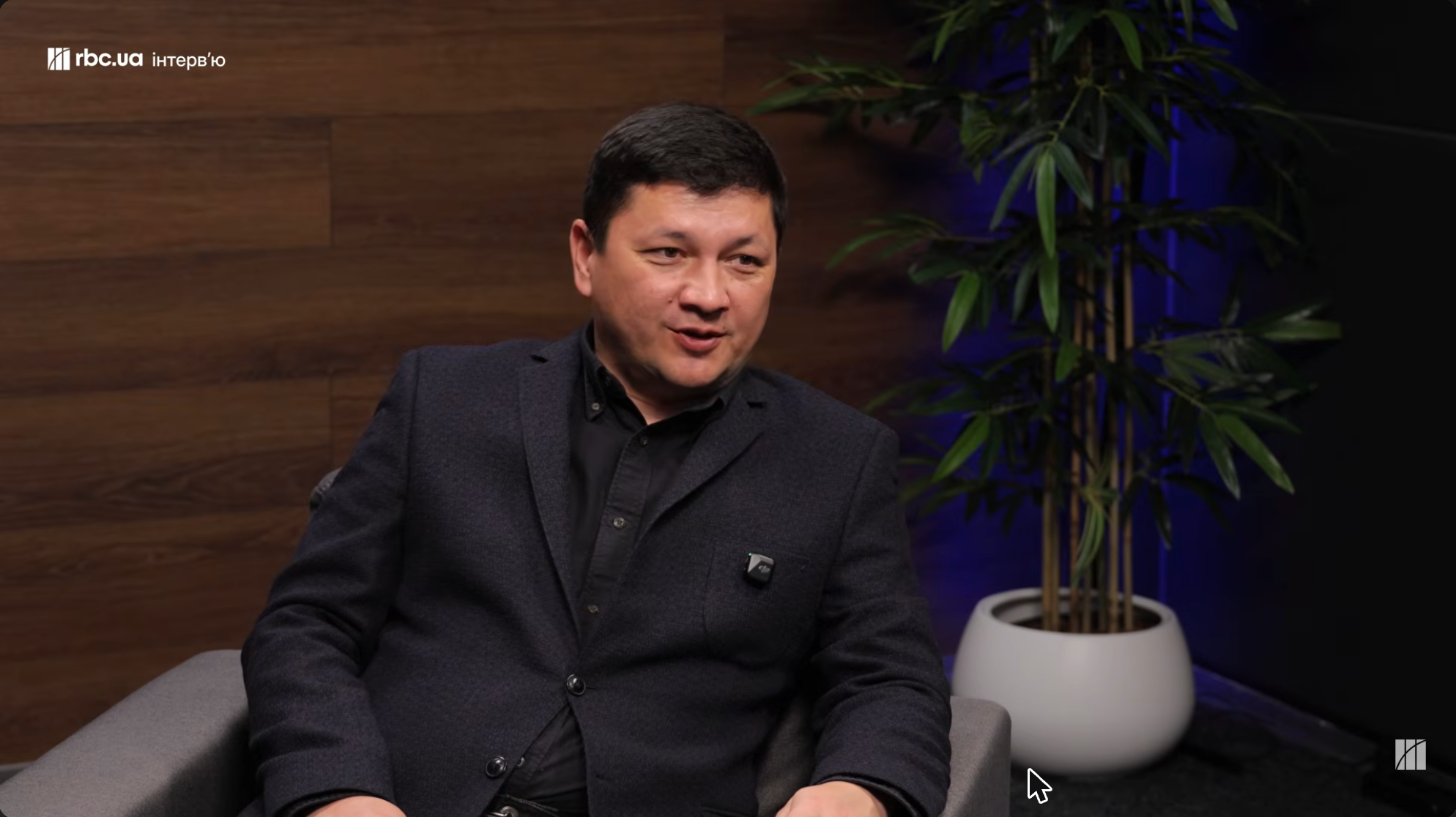 Vitalii Kim during an interview with RBC-Ukraine. Screenshot from the video
The journalist asked whether the current situation was not already difficult enough for Ukrainians. In response, the minister mentioned Mykolaiv, Kherson and Kharkiv, which continue to suffer from Russian attacks.
— Compared to what? Compared to Mykolaiv — no. Compared to Kherson and Kharkiv — no. Not at all, — he replied.
In the video version of the interview, Kim clarified that he was referring to a major escalation. When asked whether a decisive battle would have to take place for this to happen, the minister replied that it was not necessarily the case: circumstances or the economy could bring the war to an end.
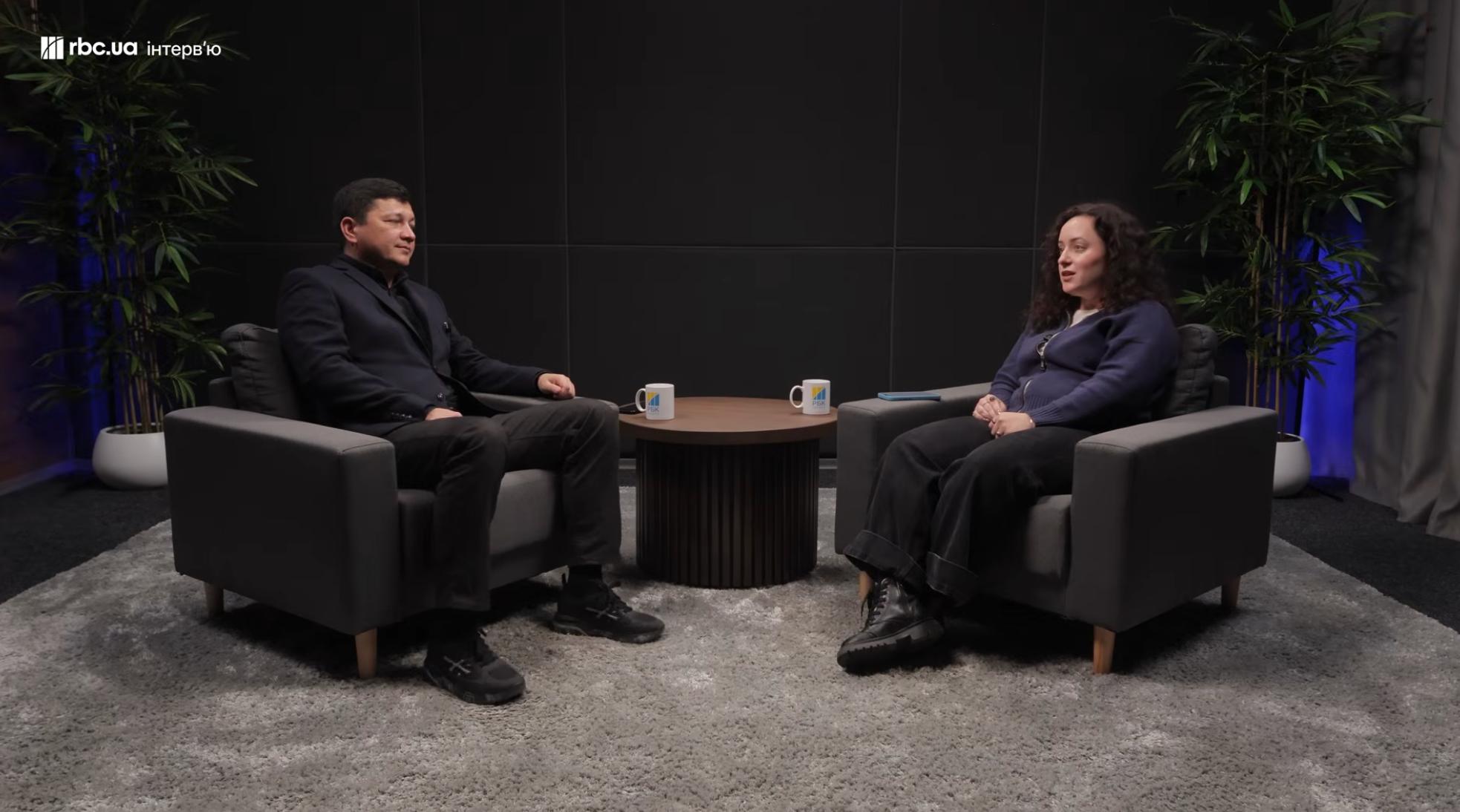 Vitalii Kim during an interview with RBC-Ukraine. Screenshot from the video
According to Kim, Russia already sees the threat of an economic crisis but agrees to end the war only on its own terms.
— The katsaps [a derogatory Ukrainian term for Russians] now see that an economic crisis threatens them in the future, and they have started to get jittery. They are still far from agreeing. They are willing, but on their own terms. As far as I understand, that does not suit our side. So the negotiation process will run in parallel with both sides piling up problems for each other, — said Vitalii Kim.
However, he did not specify any particular dates or possible timeframes for the end of the war.
Kim also acknowledged that Ukraine is not prepared for the return of large numbers of military personnel once the war ends.
— No, nobody was ready. After the Second World War, demobilisation lasted from 1945 to 1952. This is an unpopular answer, because everyone promises that everything will be fine immediately after the war ends. I don't think so, — said Vitalii Kim.
According to him, the economy must be ready for the return of veterans; otherwise, some of them will leave the country.
— Let’s be frank: if we open the borders, people will leave. A veteran needs somewhere to return to, a job and the means to support themselves, — added the minister.
Vitalii Kim headed the Mykolaiv Regional State Administration from November 2020 and, after the full-scale invasion began, the Mykolaiv Regional Military Administration. On 16 July 2026, the Verkhovna Rada appointed him Minister for Veterans' Affairs.
Kim has made predictions regarding the end of the war on several occasions:
- in March 2022, he suggested that the war might end by May, attributing this to sanctions against Russia;
- in January 2025, in an interview with TSN, he advised against harbouring expectations of a swift end to hostilities;
- in October 2025, in an interview with «Glavkom», he suggested that the war could end through diplomatic means within a period ranging from two months to a year;
- in early 2026, he stated that he expected the war to end within a year, but that the price of halting hostilities would be a heavy one;
- in February 2026, he believed that US economic pressure on Russia could bring peace closer, whilst the Russian economy would hold out for another two years or so.
This text was machine-translated and has not yet been reviewed by our editors. The original is in Ukrainian. Learn more