Heating bills will be recalculated for those affected by shelling of their homes in Mykolaiv
- Alona Kokhanchuk
-
•
-
10:46, 26 February, 2026
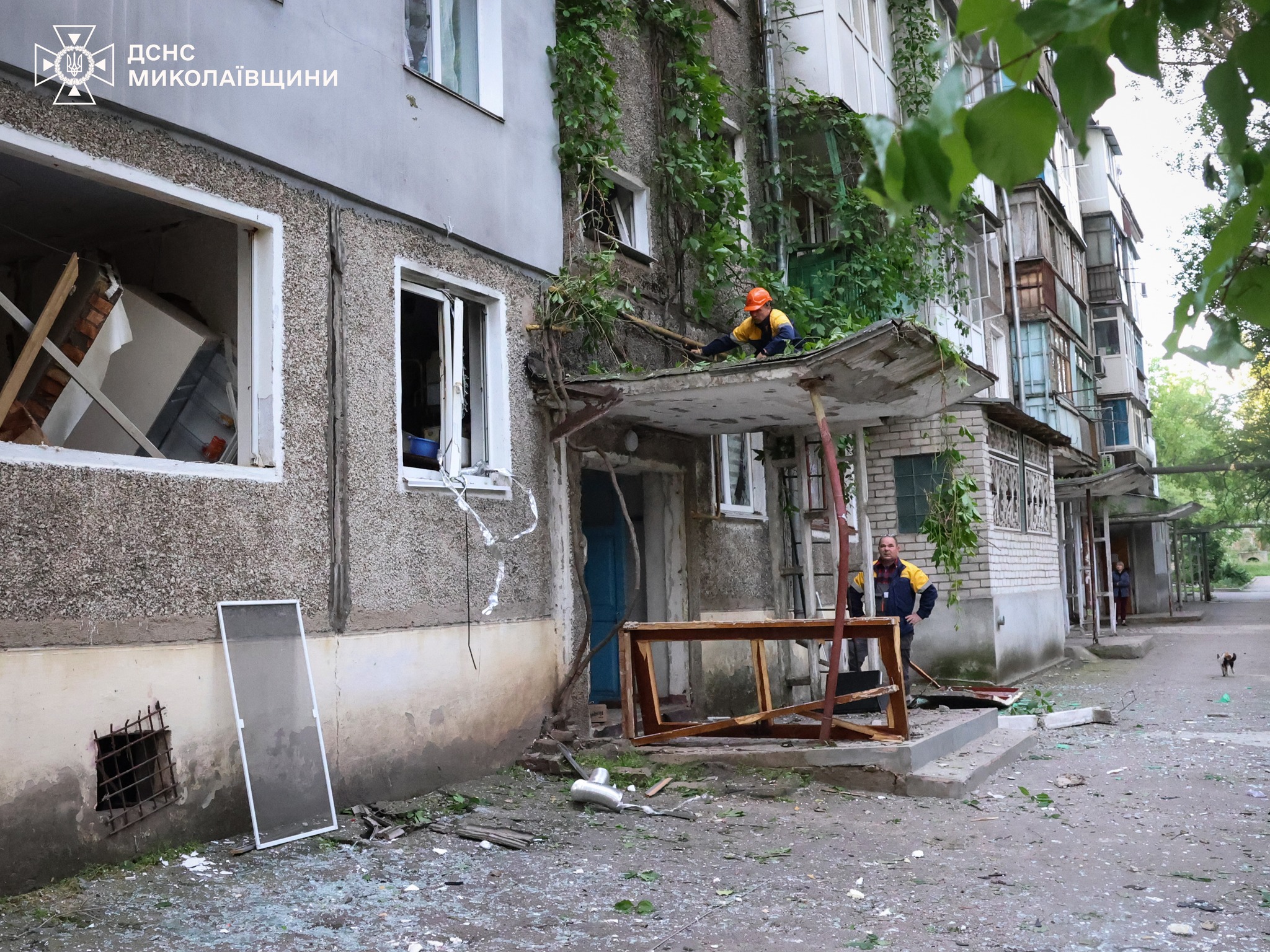 The house where the gas explosion occurred. Photo: State Emergency Service
In Mykolaiv, heating bills will be recalculated for houses that were damaged during the shelling.
The decision was made during a meeting of the executive committee on 25 February, according to NikVesti.
The executive committee of the city council adjusted the heat load standards used to calculate the fixed component of the two-part tariff for heat from Mykolaivoblteploenergo. This involves adjusting the indicators for 10 residential buildings that were damaged during the shelling and the building where the gas explosion occurred.
«The load standards are being changed in order to reduce the charges from the beginning of the heating season,» said Ihor Nabatov, first deputy director of the Housing and Utilities Department of the Mykolaiv City Council.
In particular, the new version sets out the norms for buildings at the following addresses:
- 49 Raiduzhna Street
- 2 Shosenia Street
- 4 Pozdovzhnia Street, 87
- 128 Kosmonavtiv Street
- 70B Myru Avenue
- 67 Yantarna Street
- 54 Yevhenii Lohinova Street
- 49/1 General Oleksa Almazov Street
- 284/1 Olshantsiv Street.
After the decision is made, Mykolaivoblteploenergo must recalculate the charges for residents of the specified buildings. The recalculation will be carried out from the beginning of the heating period — from 1 November 2025 — in the direction of reduction.
It should be noted that starting in 2026, the tariff for heat energy for the population of Mykolaiv will cover about 40% of the cost price. Because of this, an additional 96 million hryvnias will need to be allocated from the city budget.
It was also reported that energy audits will be conducted in buildings in Mykolaiv where residents complained about increased heating costs after energy efficiency work was carried out.
At the previous meeting of the commission, the methodology for calculating the two-tier tariff was discussed. Residents complained that homeowners who had carried out modernisation work were paying more than those who had not made any improvements.
It should be noted that the two-tier tariff has a variable component — the payment for the heat energy actually consumed, which is calculated during the heating period and covers energy costs. The second component is a fixed amount per unit of heat load and covers repair costs.
It should be recalled that in the summer, the city's condominium association tried to abolish the two-part tariff for heating from Mykolaivoblteploenergo, which caused apartment residents to overpay for the service.