₴33.9 million was spent on preparations for the heating season in Pervomaisk district
- Yuliia Boichenko
-
•
-
14:11, 06 March, 2026
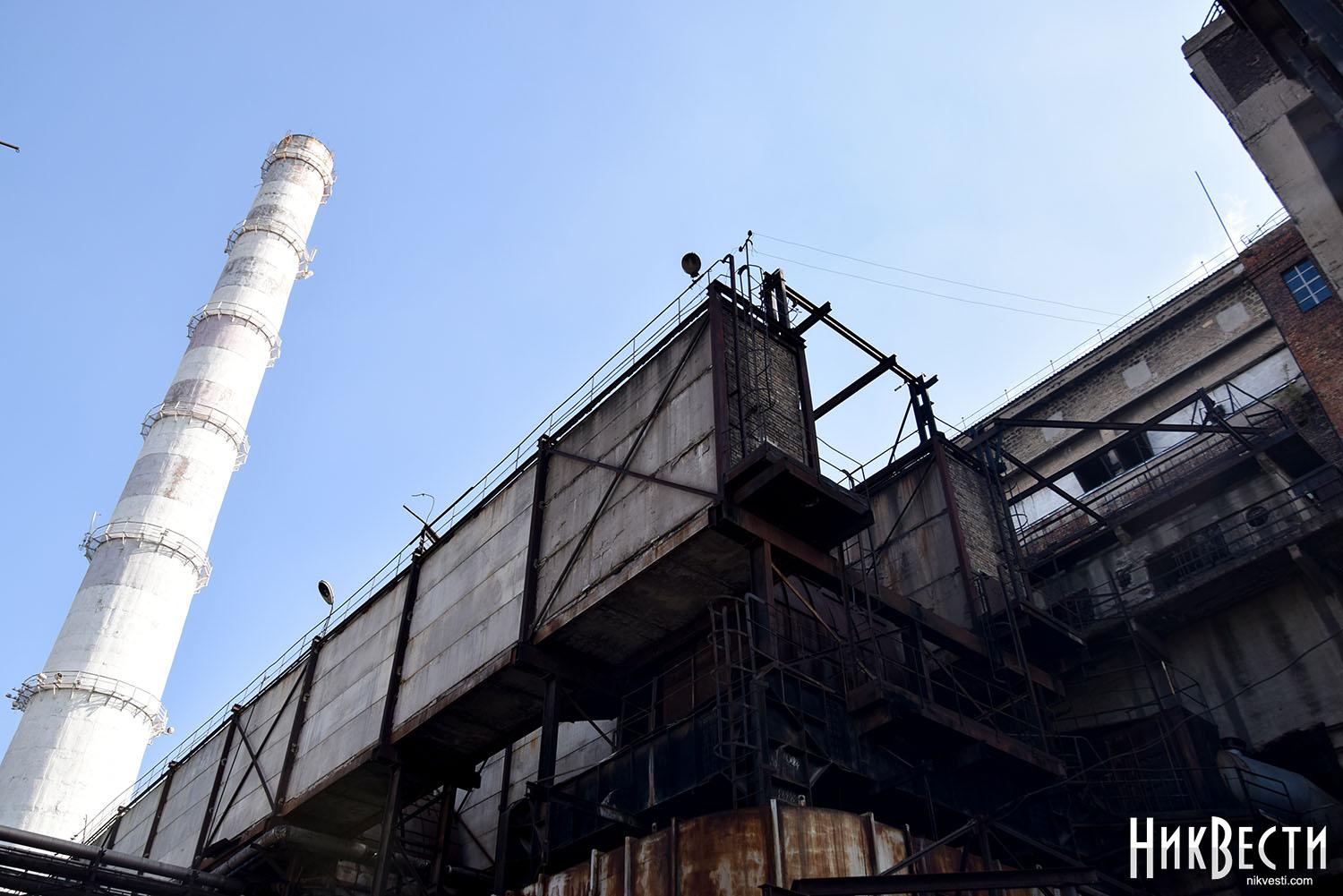 One of the boiler rooms in Mykolaiv. Archive photo by NikVesti
33.9 million hryvnias were spent on preparations for this year's heating season in the Pervomaisk district of the Mykolaiv region.
This was announced by the head of the Pervomaisk district military administration, Serhii Sakovskyi, during a briefing on 4 March, according to NikVesti.
«We are preparing housing and communal services, social facilities and infrastructure for operation in the autumn-winter period of 2025-26. A total of 33.9 million hryvnias from local budgets has been spent on preparations for the heating season, which is 84% of the planned amount,» Serhii Sakovskyi said.
These funds, he added, were spent on:
- preparation of social and cultural facilities — 7.2 million hryvnias;
- preparatory and repair work on heating systems — 4.8 million hryvnias;
- preparatory and repair work on water supply and drainage systems — 3.8 million hryvnias;
- preparation of road and bridge facilities — 18.1 million hryvnias.
We would like to remind you that the head of the Mykolaiv Regional Military Administration, Vitaliy Kim, stated that the region plans to develop its own cogeneration production in order to independently ensure the operation of critical infrastructure.
Fifteen cogeneration plants will be installed in Mykolaiv this year: what is known
This year, 15 cogeneration plants with a total capacity of 27.5 megawatts will be installed in Mykolaiv. According to Mayor Oleksandr Sienkevych, they will be installed as part of the RePower project, which is being implemented by the United Nations Office for Project Services (UNOPS) and financed by the World Bank.
He also added that after the installation of cogeneration plants, Mykolaiv will not only be able to provide electricity to its own facilities and critical infrastructure, but also sell the surplus to the general energy network through the electricity market. That is, not to a separate enterprise or company, but to the general system, where electricity is bought and sold according to market rules. In this way, the city expects to receive additional income.