Generators and solar power stations: Mykolaivoblteploenergo has provided an update on preparations for the upcoming heating season
- Julia Lukyanenko
-
•
-
16:05, 25 March, 2026
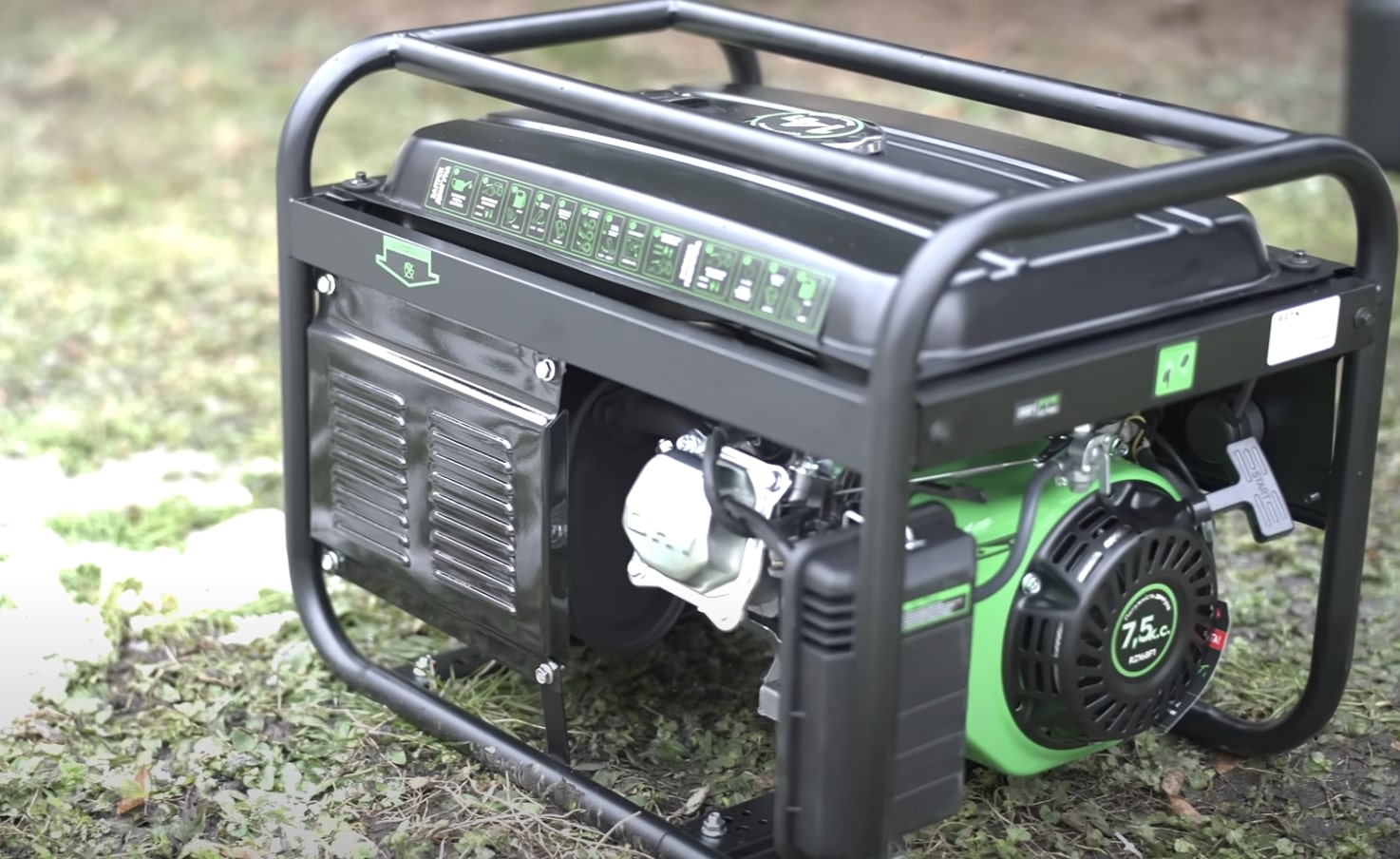 Generator. Illustrative photo
All buildings with individual heating units (ITPs) in the Korabelnyi and parts of the Zavodskyi districts, where problems arose during the power cut, are being fitted with inverters, batteries and generators. Furthermore, there are plans to install solar power stations at 36 sites to enable autonomous operation.
This was announced during a briefing today, 25 March, by Mykola Lohvinov, director of the Mykolaivoblteploenergo municipal enterprise, in response to a question from NikVesti.
It should be noted that in Mykolaiv, during power cuts, some homes experienced heating issues: the heating was switched off along with the electricity. This situation particularly affected homes where individual heating units had been installed.
Mykola Lohvinov, director of the municipal enterprise Mykolaivoblteploenergo, reported that 29 generators had already been installed in buildings with individual heating units in the Korabelnyi district during January and February. However, there were instances where residents were unhappy with the noise from the generators, so they switched them off, damaged them or called the police.
Before the start of the new heating season, there are plans to install inverters and batteries in all buildings with individual heating units in the Korabelnyi district, funded by donors. In addition, Mykolaivoblteploenergo has received a further 34 generators for this purpose.
«We have a NEFCO project (Nordic Environment Finance Corporation, — note). We plan to install individual heating units in the Korabelnyi district and in Namyv. We will plan for the inverters and batteries to last for 12 hours (without electricity, — note). To ensure there is a large reserve,» noted Mykola Lohvinov.
According to him, the situation with individual heating units and the lack of heating is not widespread. In the Korabelnyi district, it affects around 25 buildings where bypass lines cannot be installed. However, the company wants to equip the entire Korabelnyi district and Namyv with individual heating units.
«Therefore, all ITPs on the balance sheet of Mykolaivoblteploenergo in the Korabelnyi district will be equipped with inverters, batteries and generators. There is a project in the pipeline, and we want to retrofit the entire Korabelnyi district with individual heating units. This includes the Zavodskyi district and, to some extent, Namyv. A total of 220 new individual heating units will be built,» said Mykola Lohvinov.
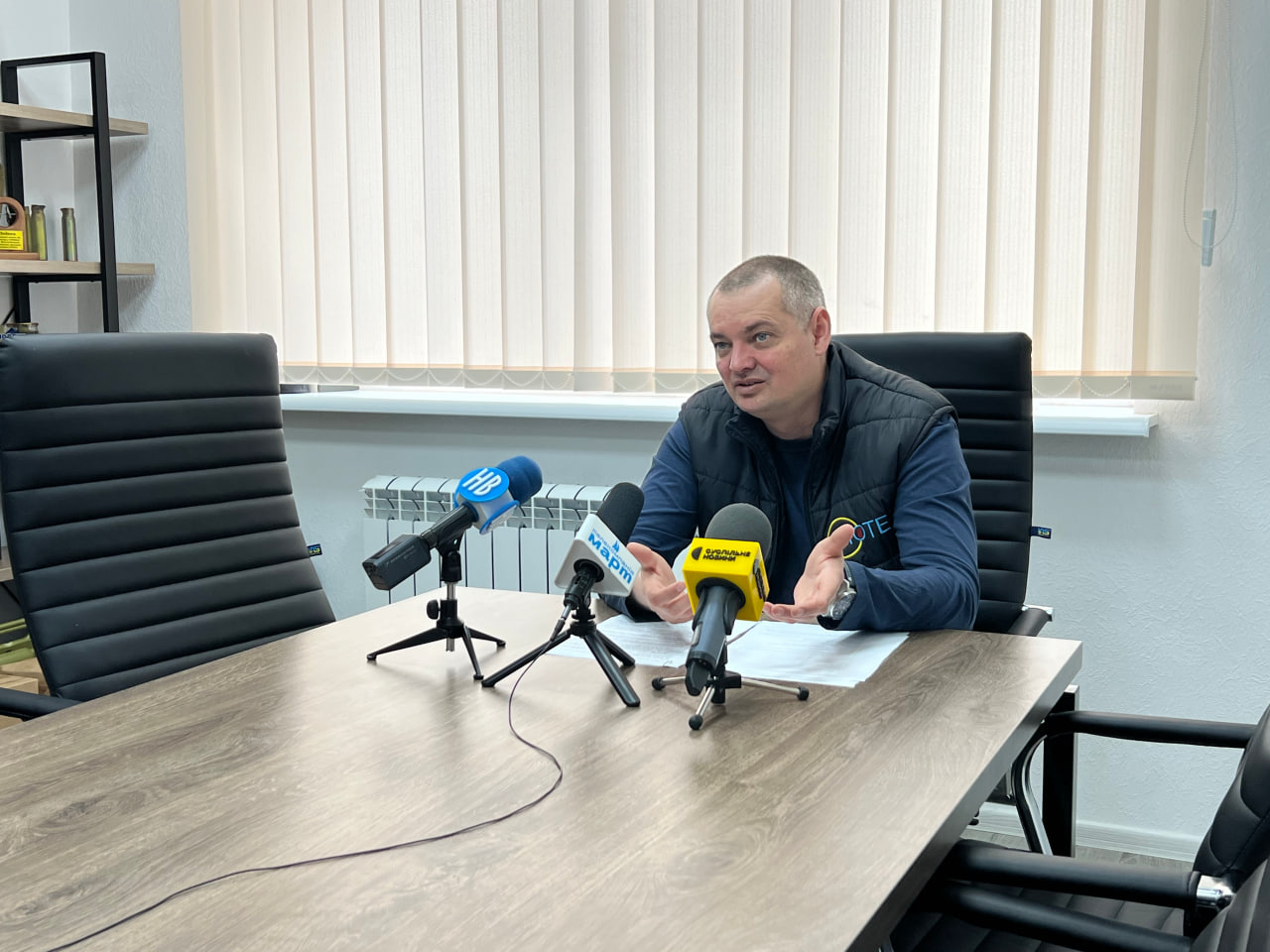 Mykola Lohvinov, Director of Mykolaivoblteploenergo. Photo: NikVesti
The new heat distribution units will be equipped straight away with inverters and batteries with a large reserve capacity. According to Mykola Lohvinov, they also want to fit these to the roof-top boiler rooms so that, in the event of a power cut, the switch from the centralised power supply to the generator does not affect the heat supply to homes.
«None of the boiler rooms were designed with wartime conditions in mind. Neither the automation nor the electronics are ready to operate in this way. We have an Italian boiler that we commissioned on 1 November 2024; as of 1 November 2024, it had been started up 451 times. No manufacturer was prepared for this, and neither are we. These district heating plants were designed primarily to ensure people received a high-quality service. And they were designed without emergency power supplies. We are now retrofitting them,» added the director of Mykolaivoblteploenergo.
He added that at some ITPs in areas where there are reverse osmosis systems for water filtration, they plan to install solar power stations as well. They intend to equip 36 facilities for autonomous operation.
As a reminder, the Nordic Environment Finance Corporation (NEFCO) will provide Mykolaiv with around €7.2 million in grant support for the installation of individual heating units (ITPs) and to improve energy efficiency in the city’s residential buildings.
Throughout the heating season, residents of Mykolaiv complained about the heating being switched off along with the electricity. In particular, this affected the high-rise block at 6 Soborna Street. Residents said that, despite this, they were receiving bills for large sums.
Vitalii Lukov, First Deputy Mayor of Mykolaiv, explained that as part of preparations for the next heating season, work is underway to install automatic generators in such buildings, as conventional power sources require staff to operate them.
What is an ITP?
An individual heating unit (ITP) is an automated device installed in a building that controls the supply of heat. It can:
- regulate the temperature depending on the weather (external temperature graph),
- ensure more even heat distribution,
- save energy,
- provide hot water via a heat exchanger,
- have a built-in heat meter.
How does an individual heat substation work?
An individual heat distribution unit receives heat from the district heating network, but «decides» for itself how much heat to supply to the building. It is equipped with temperature sensors, pressure regulators and pumps. Thanks to this, heat is supplied evenly, and residents do not suffer from overheating or the cold.
Why does an individual heat distribution unit help save money?
An individual heat distribution unit allows you to consume only as much heat as is actually needed. If it gets warmer outside, the system automatically reduces the supply. This helps avoid overspending and reduces bills by 15–30% depending on the season.
Read also the article by NikVesti «URC-2025: Was the largest conference on Ukraine’s recovery beneficial for the Mykolaiv region?», which discusses, among other things, the signing of a €7.2 million agreement with the international financial organisation the Nordic Environment Finance Corporation (NEFCO).