Mykolaiv region has gone three days without air raid alerts amid the ceasefire in Oleshky
-

- Mariia KhamitsevychCorrespondent

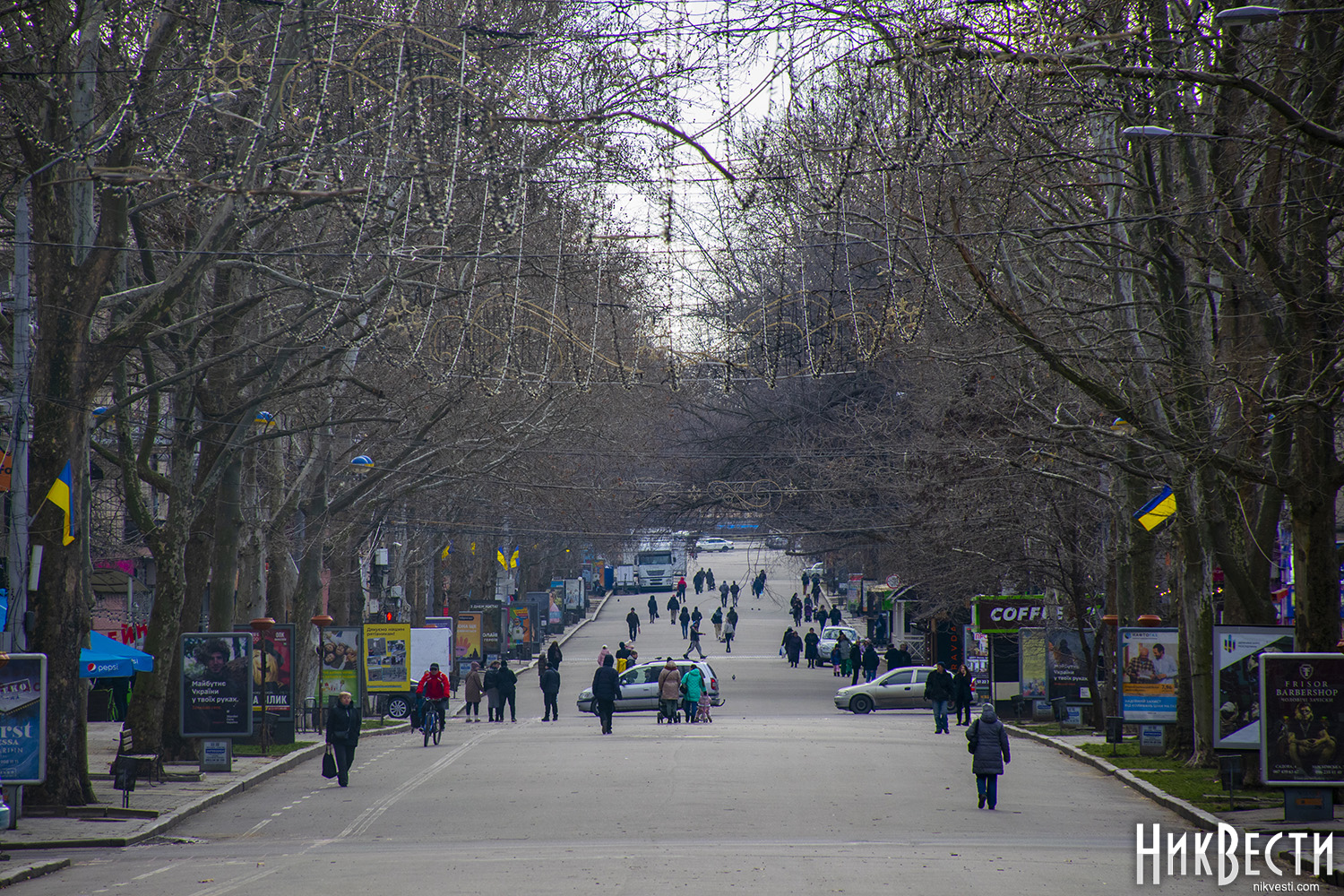 Mykolaiv region has been free of air raid alerts since the night of 27 October. Illustrative photo from the NikVesti archive
No air raid alerts were issued in Mykolaiv region on 27 and 28 October. The last alert sounded on the night of 27 October, at around 02:00. At the same time, a ceasefire was introduced in the Kherson region to facilitate a humanitarian operation in the occupied town of Oleshky.
This is according to reports from the Mykolaiv Regional Military Administration over the past few days.
The ceasefire in the Oleshky area came into effect at 03:00 on 27 October. It was introduced to deliver humanitarian aid to the town’s residents and to facilitate the safe evacuation of civilians. Under the agreement, the ceasefire is to last until the evening of 1 November.
Meanwhile, in Kherson and the part of the region under Ukrainian control, the past 24 hours have also passed without Russian shelling. According to the Kherson Regional Military Administration, there were no strikes on civilian or critical infrastructure between the morning of 27 October and the morning of 28 October.
However, no official statement has been made as to whether the lull in the Mykolaiv region is linked to the ceasefire in Oleshky.
A humanitarian mission has begun in Oleshky
Oleshky, on the left bank of the Kherson region, has been under Russian occupation since the start of the full-scale invasion. Due to the fighting and damage to infrastructure, local residents have limited access to food, drinking water and medicines. According to Ukrainian estimates, around two thousand people remain in the town.
On 23 October, Ukraine and Russia, with the mediation of US First Lady Melania Trump, agreed on a humanitarian mission in Oleshky. It provides for a ceasefire, the delivery of humanitarian aid and the opportunity for civilians to leave.
The mission began on 27 October. On the Ukrainian side, it is being co-ordinated by Dmytro Lubinets, the Verkhovna Rada’s Commissioner for Human Rights. According to him, demining of the roads leading to Oleshky is currently underway and may take around two days. After that, the plan is to deliver drinking water, food, medicines and equipment for the local hospital.
At the same time, according to Dmytro Lubinets, some residents wish to remain in Oleshky. The issue of delivering humanitarian aid to these people is being dealt with separately.
