From waste to resource: how Ukraine’s waste sorting system works and whether Mykolaiv is ready for it
-

- Alona KokhanchukReporter
-
 5000 +
Impressive! This content has been viewed by more than 5,000 visitors!
5000 +
Impressive! This content has been viewed by more than 5,000 visitors!
-
 Prefer on Google
-
5K
Impressive! This content has been viewed by more than 5,000 visitors!
-
Prefer on Google
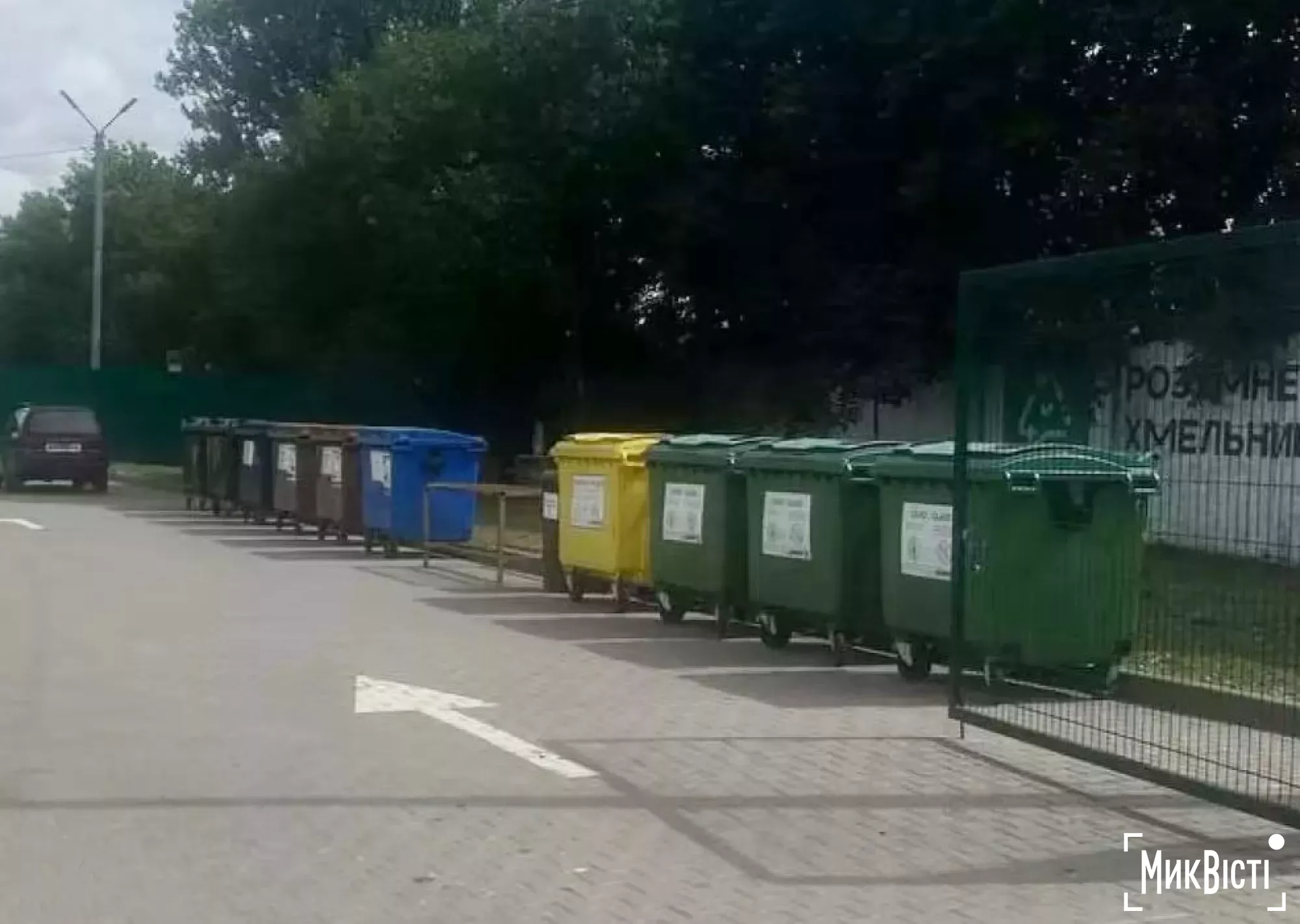 Waste management centre in Khmelnytskyi. Photo: NikVesti
Where should you put a plastic bottle, a glass jar or a cardboard box? For many Ukrainians, sorting rubbish is still an unfamiliar concept. In some cities, there are separate bins for different types of waste; in others, there are almost none, and the rules for sorting can vary significantly.
However, in the coming years, this system is set to become clearer and more standardised across the whole country. Ukraine is gradually reforming its waste management sector, moving towards European standards. This involves not only recycling but also developing separate collection schemes, building sorting facilities and reducing the amount of waste sent to landfill sites.
NikVesti looks at where there are already examples of successful schemes to encourage people to sort their waste, and whether Mykolaiv is ready for these changes.
The waste sorting line is Mykolaiv’s sore point
For Mykolaiv, the issue of waste sorting is a particularly sore point and has remained a pressing concern for several years now. Despite efforts, the city still lacks a waste sorting line.
The need to build a waste sorting line in Mykolaiv was actively discussed in 2019. Andrii Tsyzin, then director of the municipal enterprise «Mykolaivkomuntrans», stated that its construction would require around 10 million hryvnias.
On the other hand, however, the mayor of Mykolaiv, Oleksandr Sienkevych, opposed funding the project from the city budget at the time. He believed that the construction of the sorting line should be undertaken by investors, to be selected through an open tender.
Following this, discussions about the possibilities and obstacles to building such a sorting line dragged on for years. The city authorities repeatedly stated that the issue would be resolved in the very near future. It reached the point where, in January 2025, a court ordered the Mykolaiv City Council to build a solid household waste sorting line in accordance with the targeted programme for household waste management, which had been approved back in 2019.
This provided the impetus to speed up the resolution of the issue. Last year, the city finally held a tender and selected an investor to build a waste sorting line near the municipal solid waste landfill. The winner was Waste To Energy Niko Ltd. Under the terms of the tender, the facility was to be built within 13 months, and the line itself was to recover up to 70 per cent of recyclable materials from the waste.
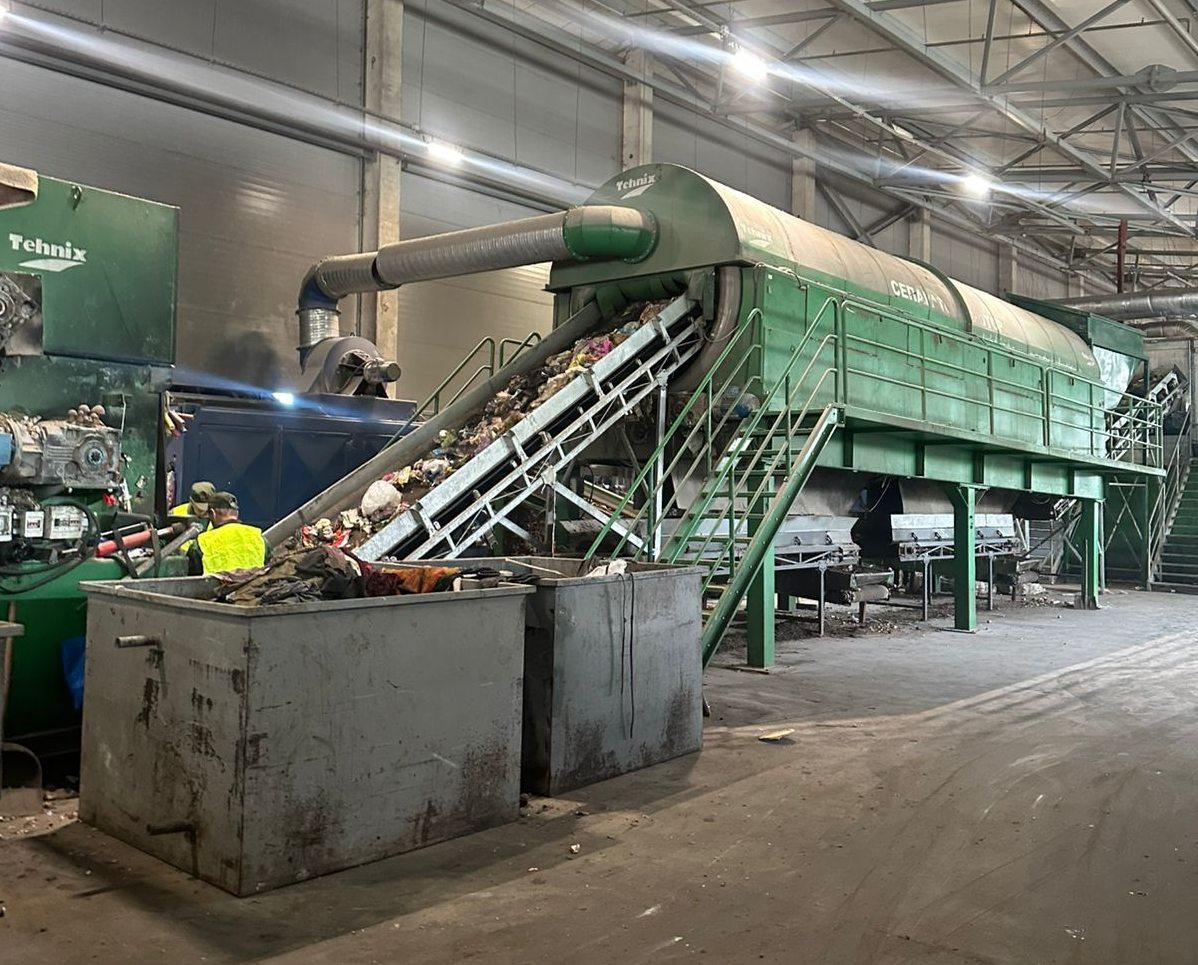 A similar waste sorting project is already operational in Zhytomyr; the photo was provided by Dmytro Honcharov, director of «Waste To Energy Niko»
However, the project never got off the ground. The terms of the tender were criticised, and the winner was rejected. You can read more about this in the article by NikVesti.
Consequently, it became necessary to re-run the tender. To this end, Mykolaiv City Council first approved an updated procedure for conducting the tender, which had been preliminarily agreed with the Antimonopoly Committee.
And so, in early June, the repeat tender for the construction of the waste sorting station was finally announced. Due to the previous unsuccessful experience and the resulting public outcry, the city council is currently being very cautious in its comments regarding the tender. In response to enquiries from NikVesti, the Department of Housing and Communal Services stated that it would only be able to comment on all the details of the tender once the submission of bids by participants had been completed, i.e. after 15 July.
«It will be possible to provide full and accurate information on the issues raised in the enquiry once this stage of the tender procedure has been completed,» the department stated.
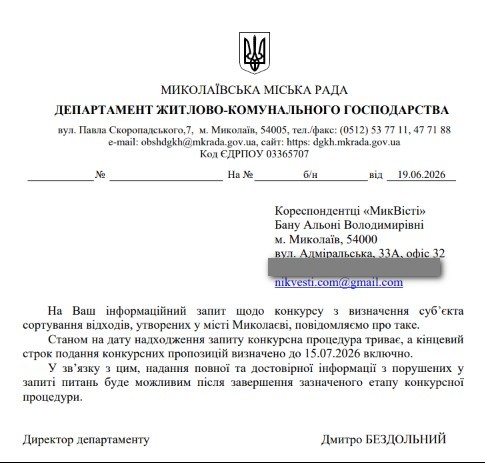 Screenshot of the Department of Housing and Communal Services’ response to NikVesti’s enquiry
Although Mayor Oleksandr Sienkevych had stated even before the official start of the tender that the French company Veolia had expressed an interest in it.
«We hosted guests from France from the organisation «Narbonne-Ukraine», among whom was a representative of Veolia, an international company specialising, amongst other things, in water treatment and solid waste management. They also expressed an interest in taking part in this tender and will consider the possibility of participating once it has been announced,» Oleksandr Sienkevych noted at the session in MAy.
However, whether this is actually the case and whether international companies have taken an interest in this project will become clear later.
Hello! I am Aliona Kokhanchuk, the author of this article.
Thank you for your attention to our texts — it means a lot to the NikVesti team.
We regularly publish in-depth materials for those who want to understand the topic and get to the heart of the matter.
We have dozens of examples when our journalism, together with our readers, has influenced situations and changed them.
Join the NikVesti Readers’ Club — support independent journalism that matters.
Support us by joining the NikVesti Club
What is already being sorted in Mykolaiv
Although the waste sorting system in the Mykolaiv region is still in its early stages, some towns are beginning to introduce separate waste collection. According to the Department of Housing and Communal Services of the Mykolaiv Regional Military Administration, as of now, the largest number of residents covered by such a system live in Ochakiv, Mykolaiv and Voznesensk.
In Mykolaiv itself, most household waste is still taken to the landfill without being sorted. At the same time, residents can still collect certain types of waste separately for further recycling.
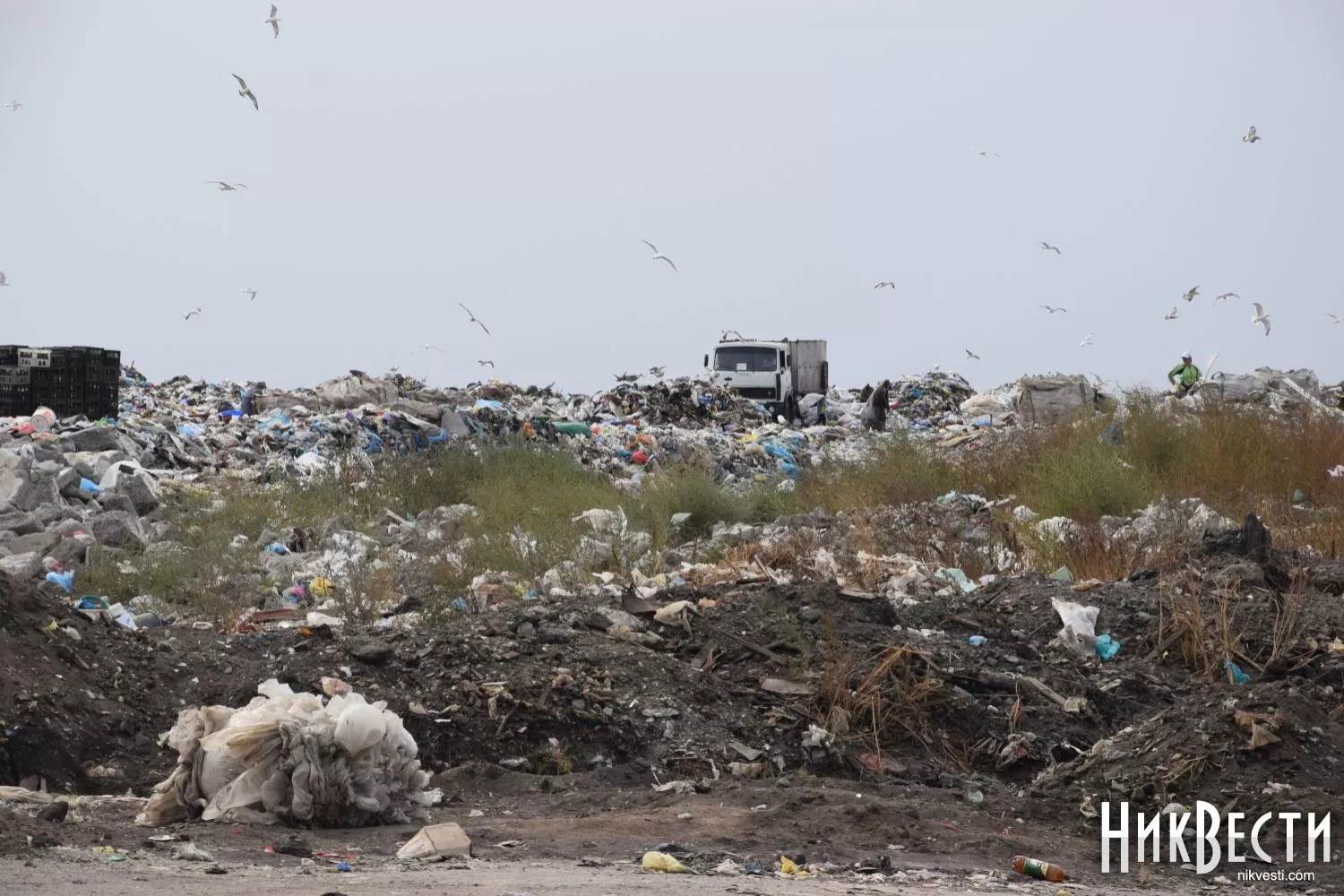 The solid waste landfill near Mykolaiv. Photo for illustrative purposes from the NikVesti archive
For instance, «Mykolaivkomuntrans», which serves the majority of residents, has 600 separate yellow metal bins for plastic collection, located in various places.
The collected plastic is sorted and compressed at the facility, after which it is transferred to companies that handle its further recycling. As there are no such facilities in Mykolaiv, the recyclable materials are sent to Odesa.
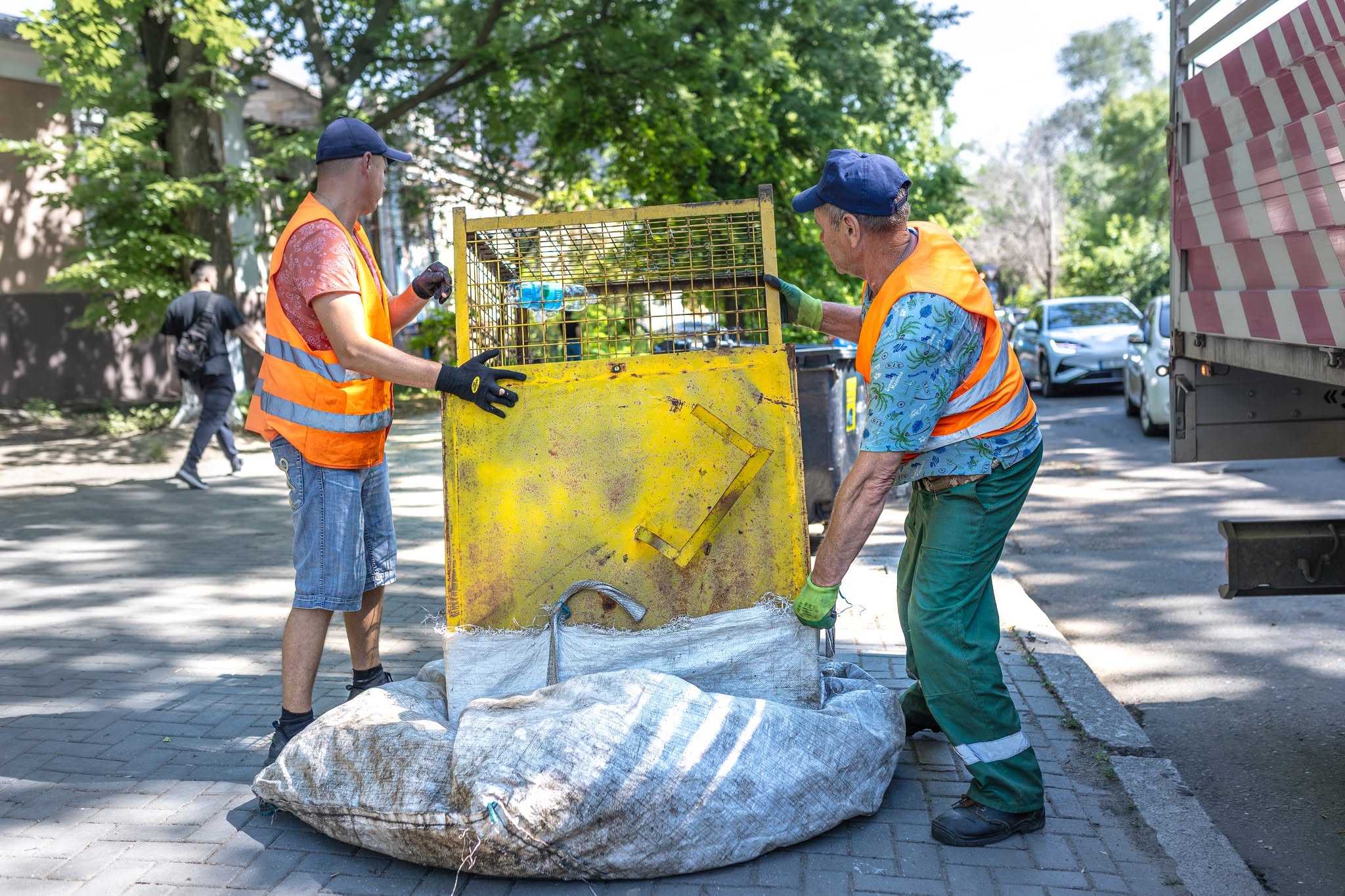 Collection of plastic waste from mesh containers located in Mykolaiv. Photo: Mykolaivkomuntrans Municipal Enterprise
«We used to work with companies in Dnipro and Kharkiv, but due to the high cost of fuel, logistics became too expensive. We now cooperate regularly with Odesa. There, the plastic is processed into new raw materials. The bottle itself is made from oil. It is recycled into Flex plastic for 3D printers, which is then manufactured and sold abroad,» explained Andrii Vetsalo, director of the municipal enterprise.
According to him, in 2025 the company received over 1 million hryvnias from the sale of recycled materials. This year, they expect even better results, as the collection system has been improved and the number of vehicles increased.
«I believe there will be more this year (in terms of profit from the collected plastic, — note). We’ve systematised the collection process somewhat and provided vehicles and staff,» notes Andrii Vetsalo, director of the municipal enterprise .
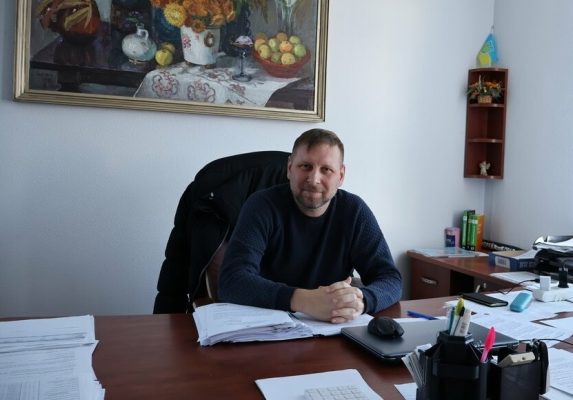 Andrii Vetsalo, head of the ‘Mykolaivkomuntrans’ municipal enterprise. Photo from open sources
At the same time, the head of the enterprise points out that not all city residents take a responsible approach to waste sorting.
«People’s attitudes vary. There are areas where residents are conscientious, and the bins fill up quickly. But there are people who still don’t realise that plastic takes a long time to decompose; its half-life is approximately 200 years,» says Andrii Vetsalo.
As well as plastic, «Mykolaivkomuntrans» collects cardboard separately, which is also sent for recycling. It is used to make new paper. However, there is no designated collection point; it is collected only if conscientious residents have not mixed it with other rubbish or have placed it separately next to the bin.
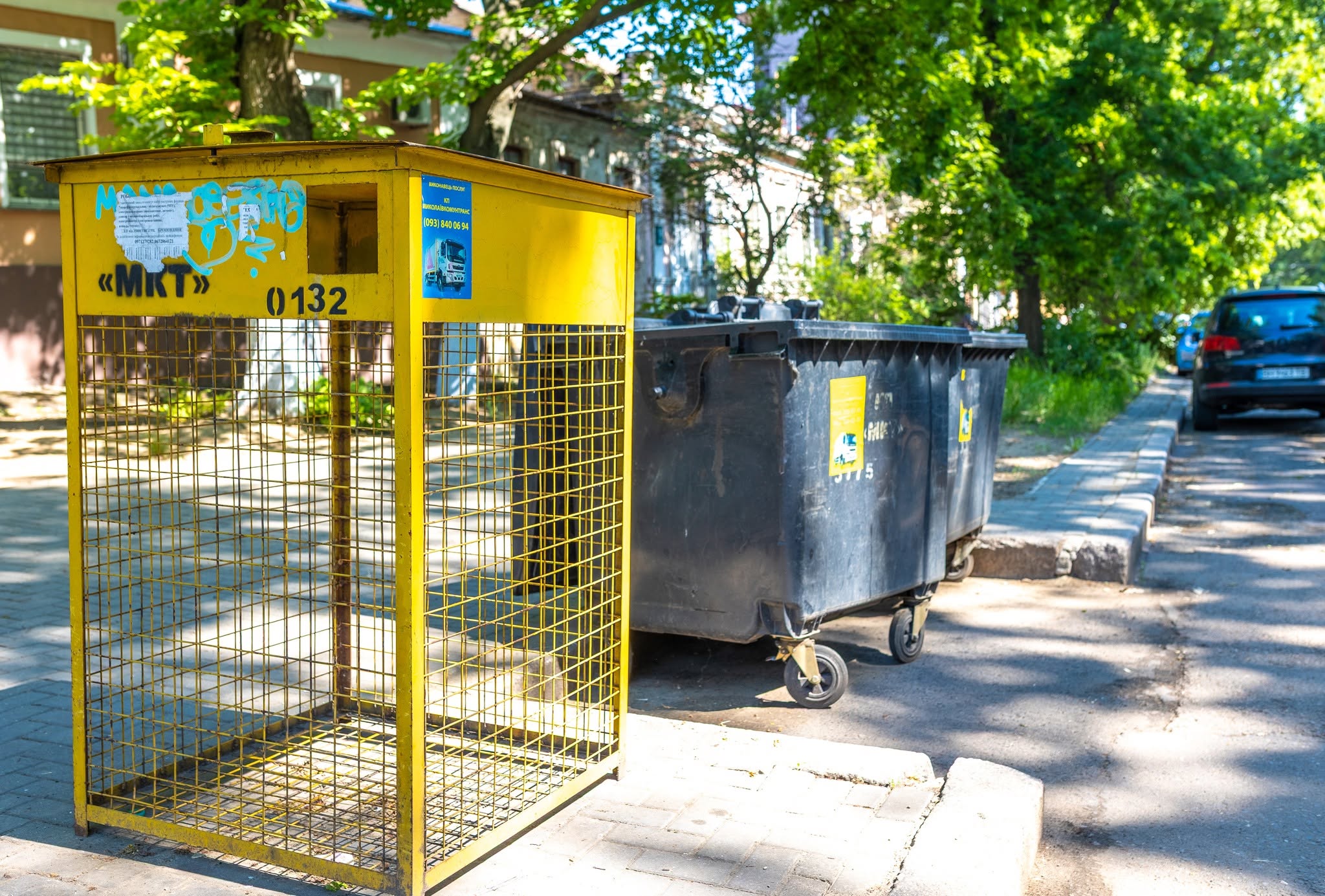 Collection of plastic waste from mesh containers located in Mykolaiv. Photo: Mykolaivkomuntrans Municipal Enterprise
At the same time, it is worth noting that the problem of plastic bins being overfilled is partly due to a lack of awareness among city residents. Recently, there has been only one post about plastic collection on the municipal enterprise’s official Facebook page. It is therefore likely that city residents are simply unaware of the separate bins.
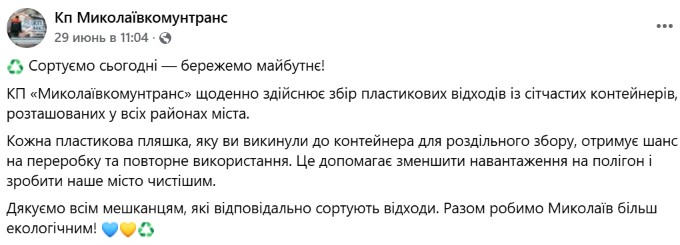 Screenshot of a post published on the Facebook page of the municipal enterprise ‘Mykolaivkomuntrans’
It is also very difficult to find the locations of these bins. The city appears to have developed an interactive map showing the locations of household waste bins, but it is difficult to find exactly where the plastic bins are situated on it. The resource itself was launched in January this year, and it is hoped that it will be further improved.
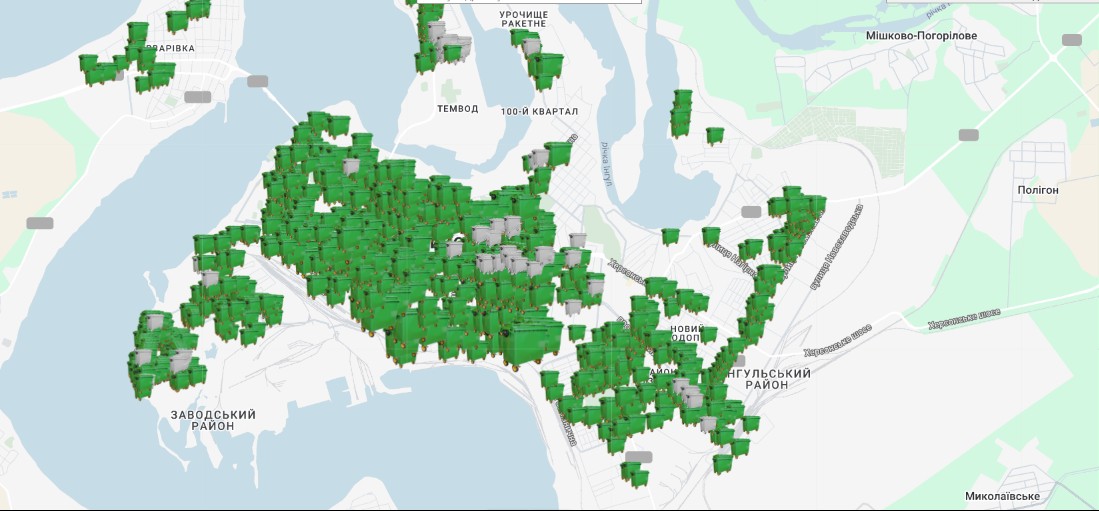 Screenshot from the interactive map showing the locations of household waste bins
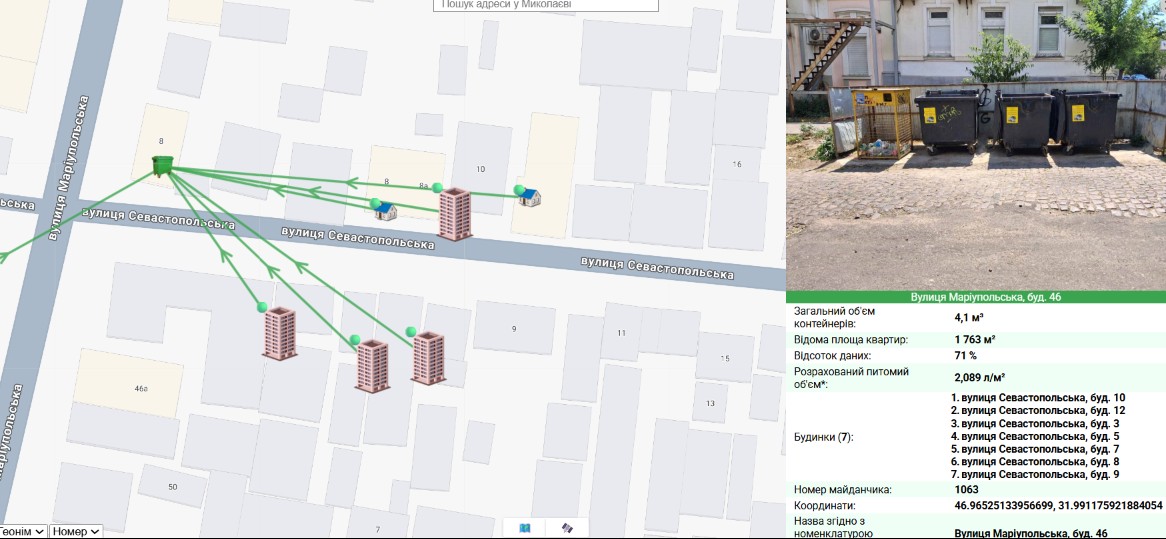 Screenshot from the interactive map showing the locations of household waste bins
The Khmelnytskyi experience: not just bins, but centres where you can take almost any type of waste
Whilst Mykolaiv is only just beginning to sort its waste and is awaiting the construction of a sorting line, there are cities from which it can learn. One of them is Khmelnytskyi.
Khmelnytskyi is a candidate for «Zero Waste City» status under a European programme. The city is developing a waste management system aimed at reducing waste generation, separate collection and recycling of waste, as well as the reuse of items.
It is in Khmelnytskyi that one of the most successful examples of modern waste management in Ukraine can be seen. There, the focus has not only been on installing containers for separate collection, but also on setting up Waste Management Centres. These are facilities where residents can bring their rubbish, unwanted items, electrical goods and clothing. Everything is sorted and placed into separate containers.
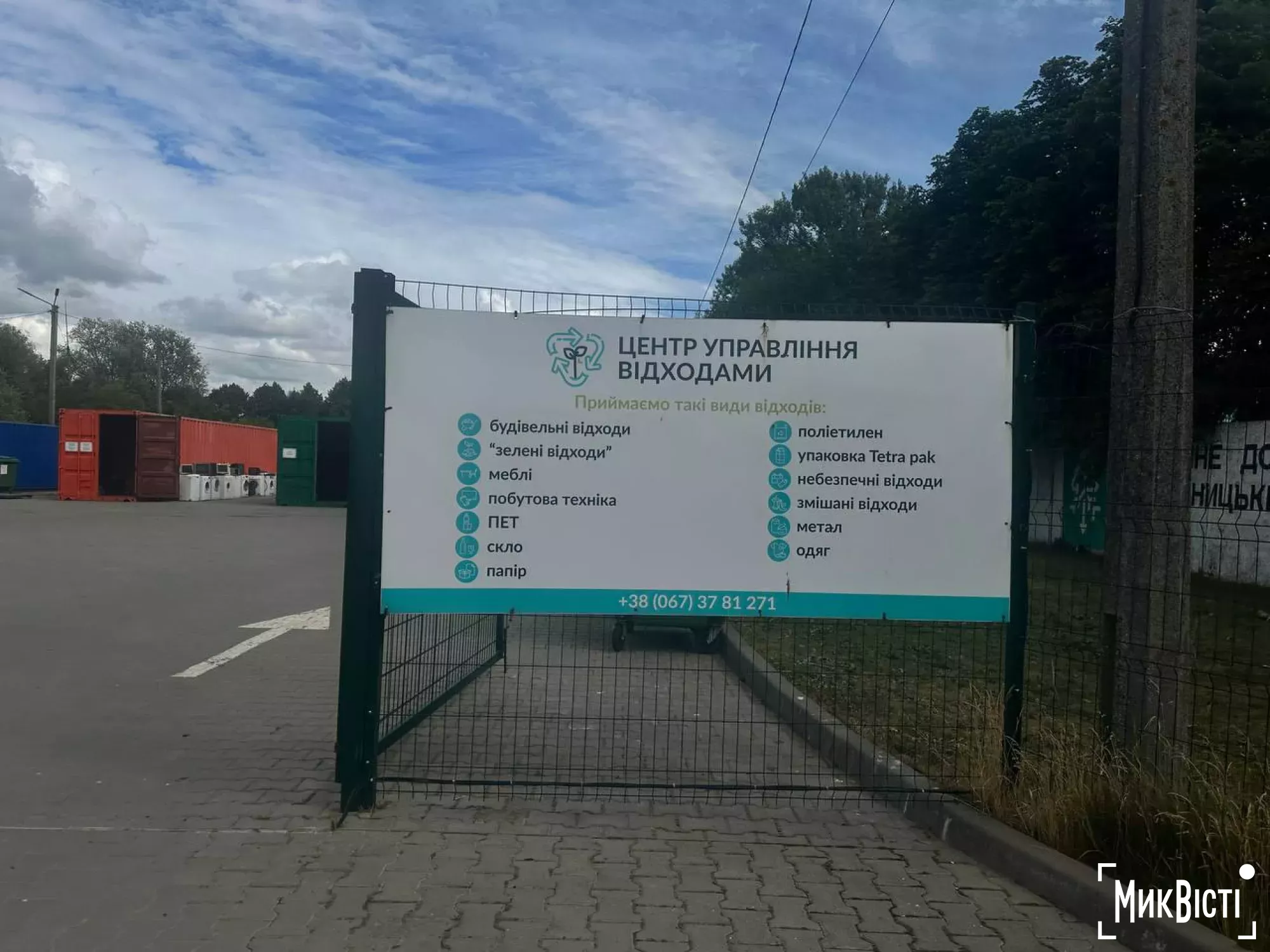 A Waste Management Centre in Khmelnytskyi. Photo: NikVesti
The first such centre in the city opened in 2020. The network was subsequently expanded, and there are now three Waste Management Centres operating in the municipality.
Ivan Pidopryhora, head of the «Smart Environment. Khmelnytskyi» Office, explains that they were inspired by similar centres abroad. According to him, opening a single centre costs around 3 million hryvnias.
«It’s quite a standard practice abroad for people to bring in various types of waste generated in their homes on their own initiative and sort it themselves,» says Ivan Pidopryhora.
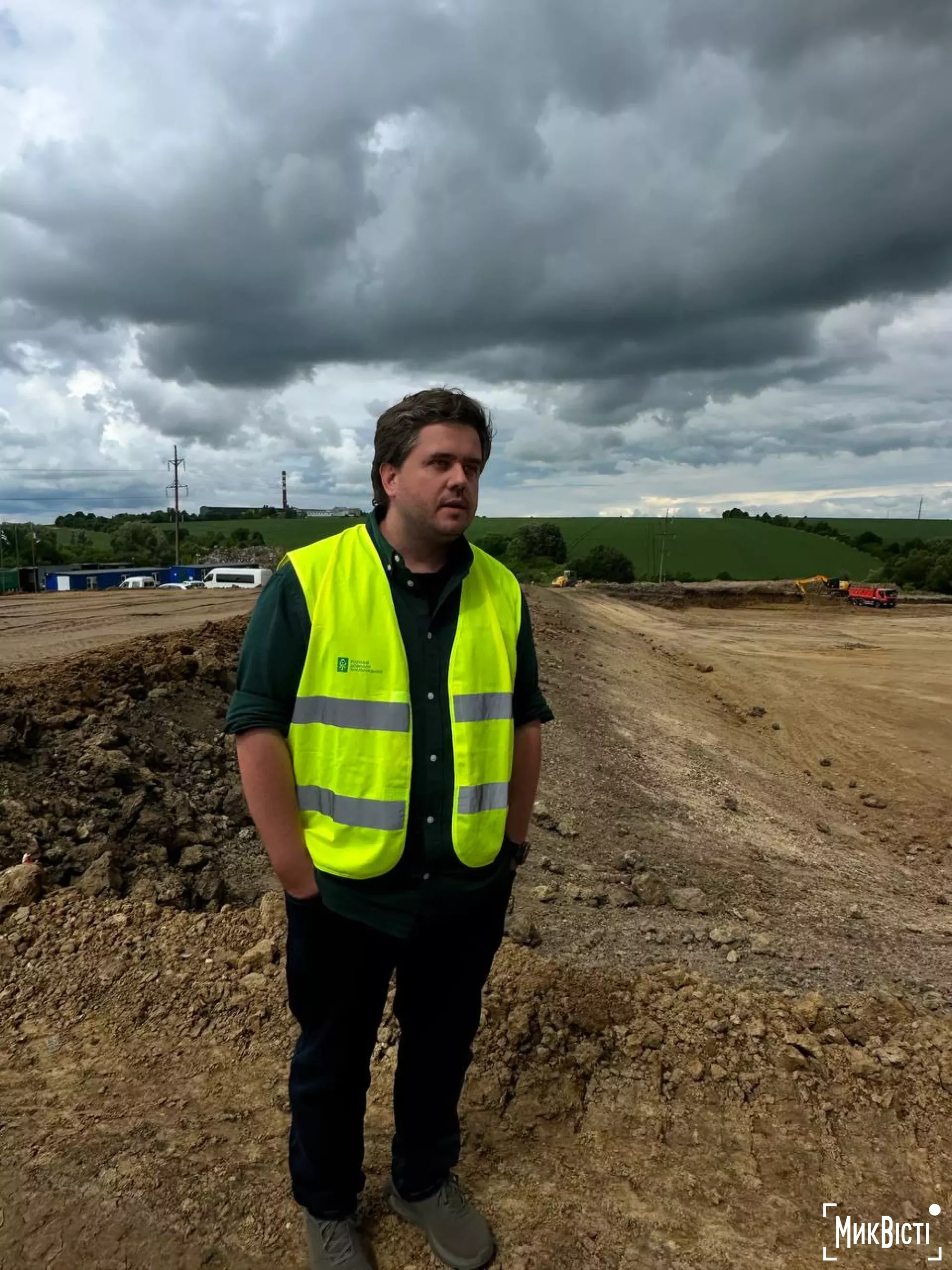 Ivan Pidopryhora, Head of the ‘Smart Environment. Khmelnytskyi’ Office. Photo: NikVesti
He explains that initially, the centres were planned solely to accept bulky waste. However, over time it became clear that people needed a place where they could also dispose of other types of waste. Today, they accept plastic, glass, paper, metal, construction waste, old furniture, household appliances, as well as hazardous waste — batteries, fluorescent tubes, thermometers, out-of-date medicines and more. All waste is sorted; items that can be recycled are sent for recycling, whilst hazardous materials are sent for specialised disposal.
«All appliances are now disposed of. We have contracts with companies that specialise in the disposal of household appliances. We pay a fee for every television or other item. All of this used to be funded from the city budget, but we have now included it in the tariff,» explains the head of the «Smart Environment. Khmelnytskyi» Office.
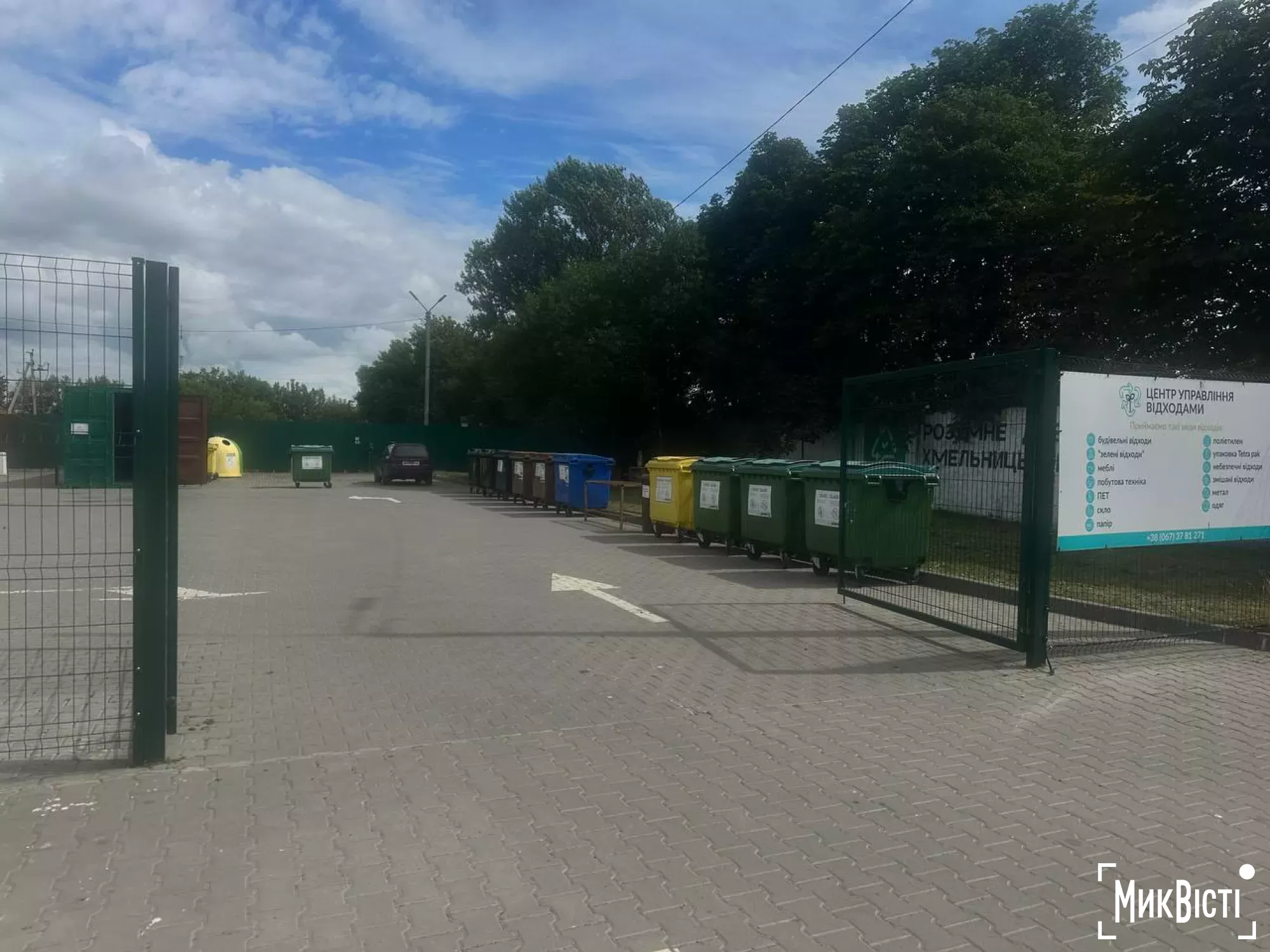 Waste Management Centre in Khmelnytskyi. Photo: NikVesti
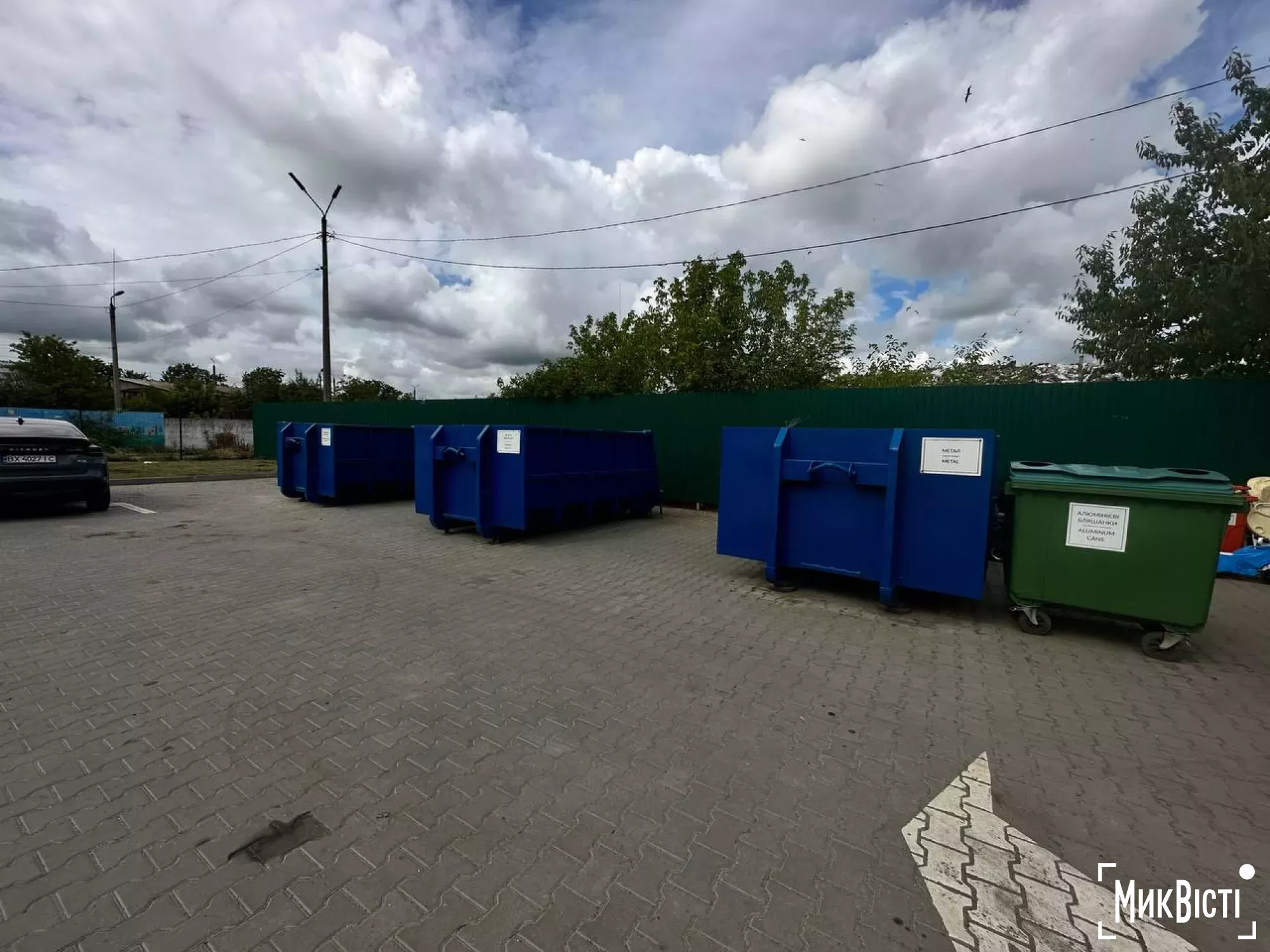 Waste Management Centre in Khmelnytskyi. Photo: NikVesti
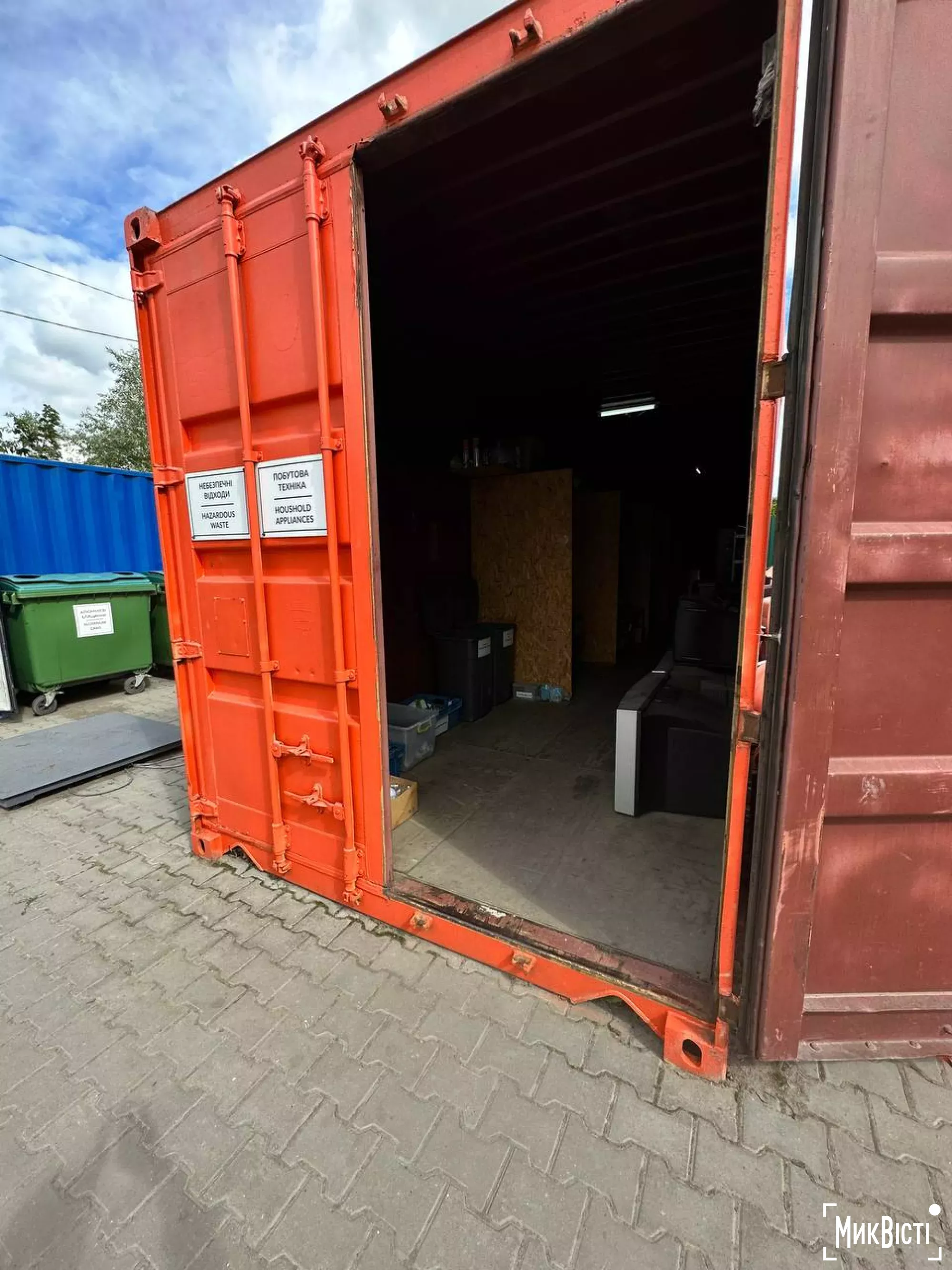 Waste Management Centre in Khmelnytskyi. Photo: NikVesti
Another feature of Khmelnytskyi’s Waste Management Centres is the reuse of items. Residents can bring in clothes, shoes, furniture, toys or working household appliances that they no longer use. If these items are in good condition, other people can take them away for free. In this way, the items are given a ‘second life’, and the amount of rubbish is reduced.
«We allow other people to take away all the items that people bring here, apart from hazardous waste. As they say, one man’s rubbish is another man’s treasure. People bring all sorts of things,» notes Ivan Pidopryhora.
Each month, the centres receive between 600 and 1,500 visitors, depending on their location.
«It’s not cost-effective and doesn’t generate a profit. Everything is funded from the local authority’s budget so that people can sort their waste and, most importantly, reduce the amount of waste going to landfill,» assures Ivan Pidopryhora.
In the future, there are plans to open two more such centres in Khmelnytskyi to make them accessible to residents of different neighbourhoods. They also intend to organise the collection of old car tyres there. At the same time, to prevent the service from being abused, there will be a limit on the number of tyres accepted from any one owner. To this end, centre staff will record vehicle details to prevent large-scale deliveries, for example, from businesses or tyre-fitting shops.
At the same time, the city is promoting not only waste sorting but also a culture of responsible consumption. To this end, the city has opened the «Library of Things» — a space where people can borrow items they need for temporary use. At present, you can either take out a membership or borrow items for a fixed fee. The organisers hope that this will enable them to purchase new items and make the service even more useful for residents.
Items available from this library include, for example, a wet and dry vacuum cleaner, a steam cleaner, a projector with a screen, a pet carrier, board games, a tent and other items. Some of the items in the library are donated by the city’s residents themselves.
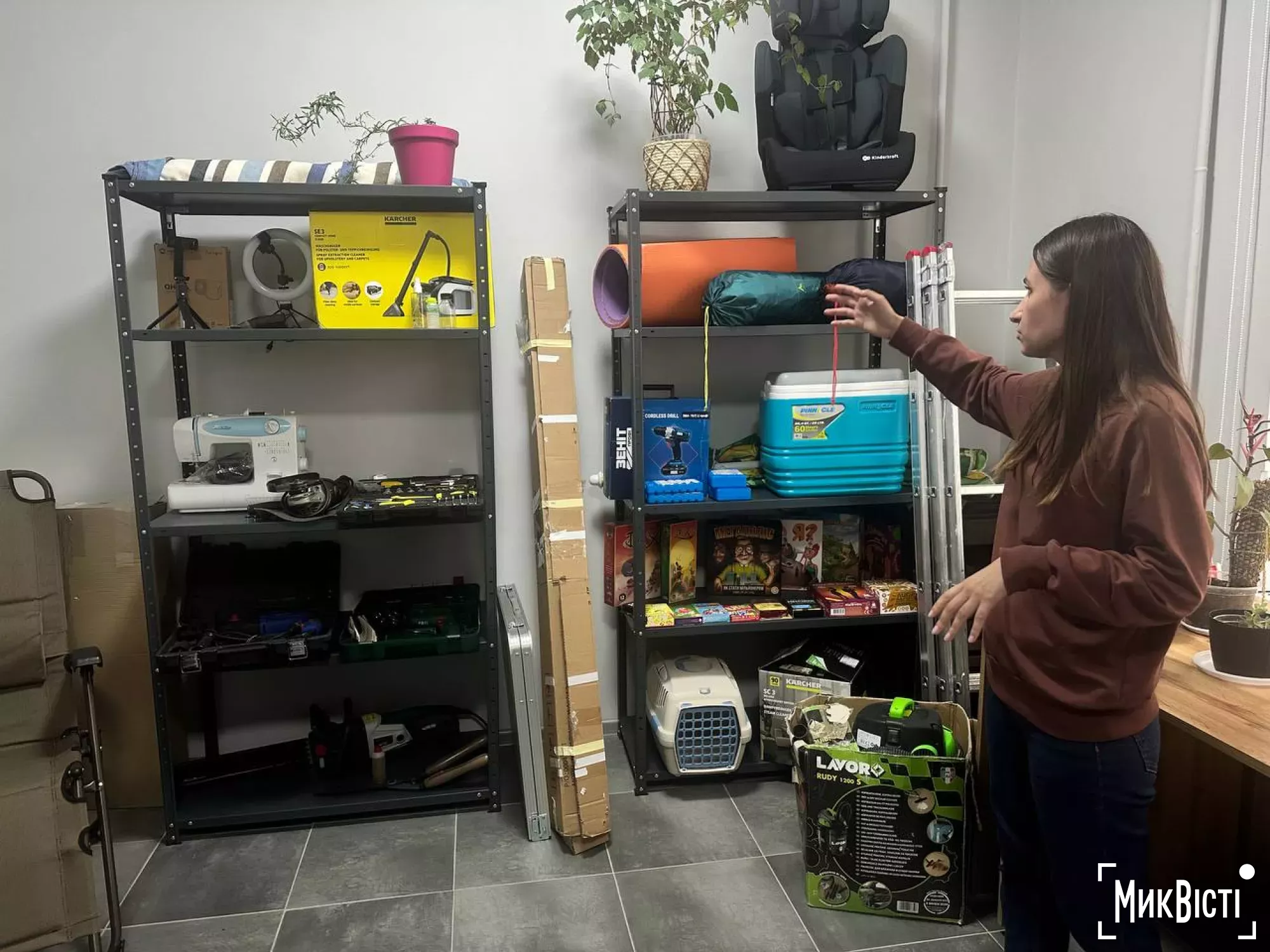 The «Library of Things» is up and running in Khmelnytskyi. Photo: NikVesti
The «Smart Environment. Khmelnytskyi» Office says that this approach not only helps to save money but also reduces the number of unnecessary purchases and, consequently, waste.
Sorting is not enough. There must be less waste
Waste management reform is one of the key areas of Ukraine’s European integration. Following the entry into force of the Law «On Waste Management», the country is gradually moving away from landfill towards sorting, reusing and recycling waste.
According to the Ministry of Community and Territorial Development, Ukrainians generate over 9 million tonnes of household waste every year. Over 90 per cent of this waste is currently simply landfilled. At the same time, the separate collection system operates only in a few communities.
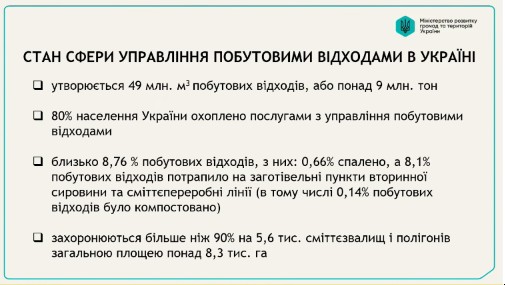 Infographic from the Ministry of Community and Territorial Development
 New laws are gradually being developed in the country to structure the waste management system.
Another important principle that Ukraine is gradually implementing in line with European requirements is extended producer responsibility. The essence of this is that responsibility for packaging or goods does not end after the sale. Manufacturers and importers must contribute to the funding of the system for the collection, sorting and recycling of waste from their products.
In effect, the producer is responsible for the entire life cycle of the packaging, from its manufacture to the point at which it becomes a secondary raw material. This helps to reduce waste, conserve natural resources and cut local authorities’ costs for landfill disposal. Ukraine is set to adopt legislation on packaging and producer responsibility, which will set out exactly how the waste collection and recycling system will be funded in the future. The relevant draft bill is currently being finalised.
Sofiia-Yuliia Sydorenko, chair of the «Ukrainian Zero Waste Alliance» civil society organisation, notes that this law must come into force, as it is one of the key pieces of legislation in the system. According to her, this should encourage businesses to create products that are easier to reuse or recycle, as well as to develop the waste collection system. As a result, it should become easier and more cost-effective for consumers to return packaging or send it for recycling than simply to throw it in the bin. This is precisely how the circular economy works, where used materials do not become waste but are returned to production.
«A manufacturer who produces something is responsible for their products. By redesigning the system and creating a mechanism that prevents waste from being generated. The issue of manufacturers’ responsibility is of the utmost importance for the system to change,» notes Sofiia-Yuliia Sydorenko.
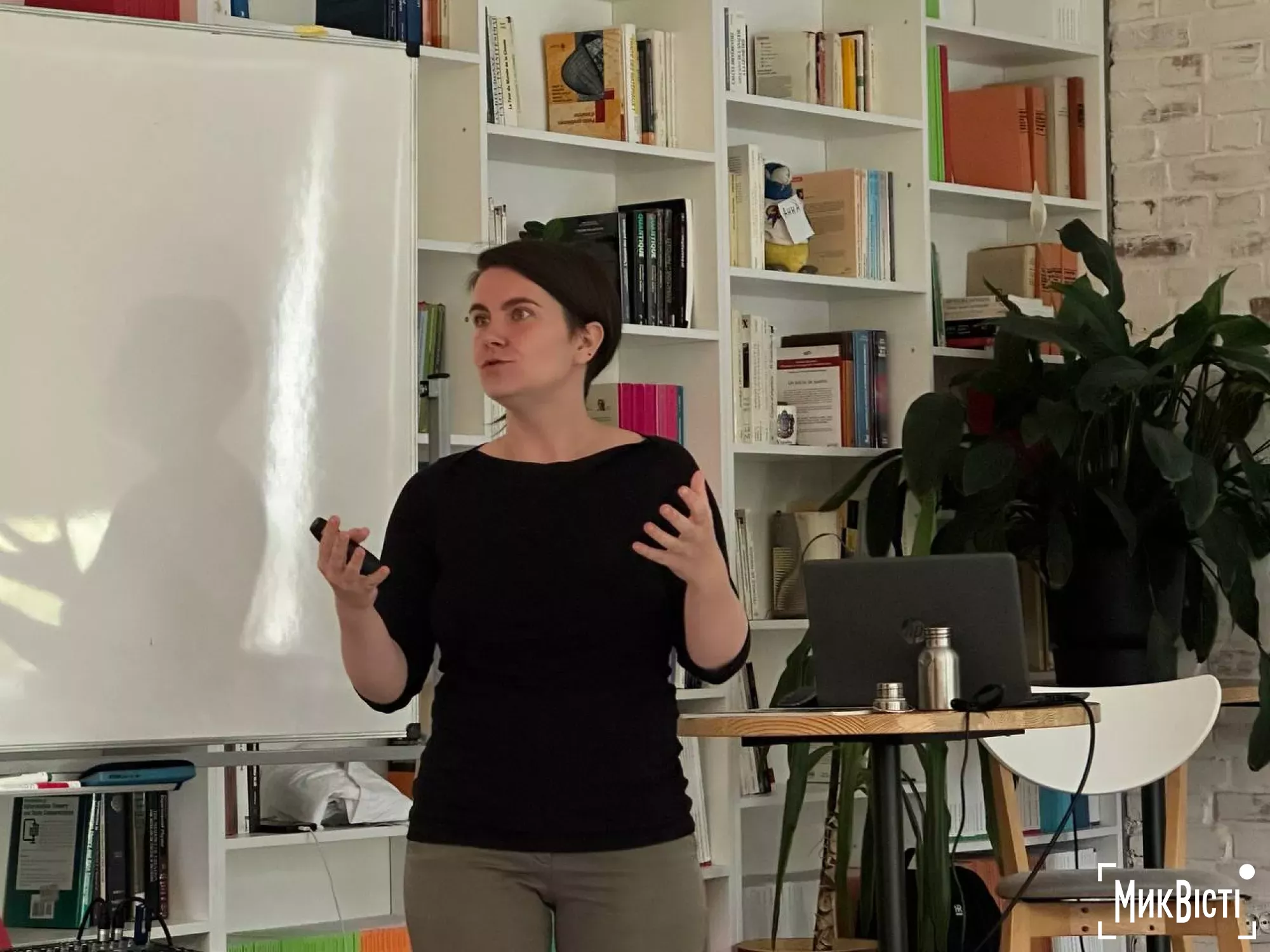 Sofiia-Yuliia Sydorenko, Chair of the «Ukrainian Zero Waste Alliance» public association. Photo: NikVesti
She also points out that waste management is not just about sorting, but also about buying only what is necessary, using reusable items, repairing appliances rather than throwing them away straight away, and making packaging smaller and suitable for reuse or recycling.
«I hope that this notion — that we are rich because we can afford to buy and throw things away — will disappear. I hope we’ll move past this stage as quickly as possible. I very much hope that this won’t be because, after victory, we’ll be forced to conserve resources, as there really won’t be any left. I hope we’ll reach the stage where we realise that our wealth lies not in the number of things we own or the rubbish we throw away, but in deeper values. But it’s not an easy path, and I hope we’ll get there,» says Sofiia-Yuliia Sydorenko.


This publication was produced within the framework of the Institute for War & Peace Reporting (IWPR) project “Strengthening Public Oversight,” with financial support from Norway. The content of this publication is the sole responsibility of the NGO “Mykolaiv Media Hub” and the online media outlet “NikVesti.” This material can in no way be considered as reflecting the views of IWPR or the Government of Norway.
