
Drilling has begun in Voznesensk on the first of nine boreholes to tackle water supply issues
-

- Alona KokhanchukReporter
-
 5000 +
Impressive! This content has been viewed by more than 5,000 visitors!
5000 +
Impressive! This content has been viewed by more than 5,000 visitors!
-
 Prefer on Google
-
5K
Impressive! This content has been viewed by more than 5,000 visitors!
-
Prefer on Google
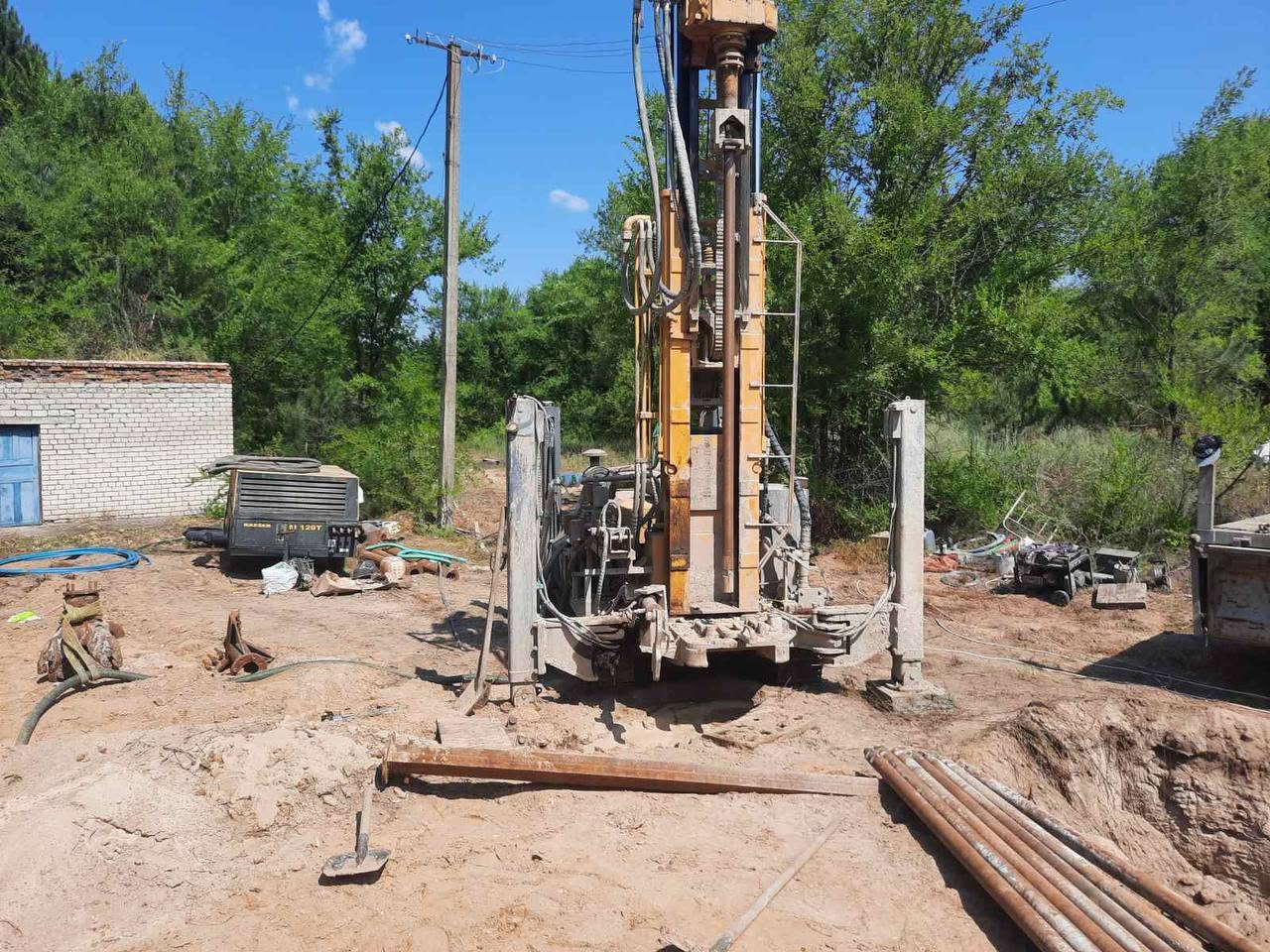 Drilling has begun in Voznesensk on the first of nine boreholes designed to tackle water supply issues. Photo: Voznesensk City Council
Work has begun in Voznesensk on a project to construct nine new experimental water intake wells, which are intended to improve the community’s centralised water supply. Drilling of the first well has begun on the site of the infiltration water intake facility operated by the municipal enterprise «Voznesensk Water Supply».
This was announced by the mayor of Voznesensk, Yevhen Velychko.
According to him, whilst drilling each well, specialists will investigate the groundwater reserves, their yield and quality. Once the necessary studies have been completed, the relevant permits obtained and compliance with sanitary and technical requirements confirmed, the wells will be connected to the centralised water supply system.
In total, the project plans to construct nine new boreholes. Four of these are being funded by the charity Nova Ukraine, and a further five by the United Nations Children’s Fund (UNICEF) in Ukraine.
«Once the project is complete, the community will have nine new boreholes, which will increase water intake, reduce the strain on existing sources and improve the reliability and stability of the centralised water supply,» said Yevhen Velychko.
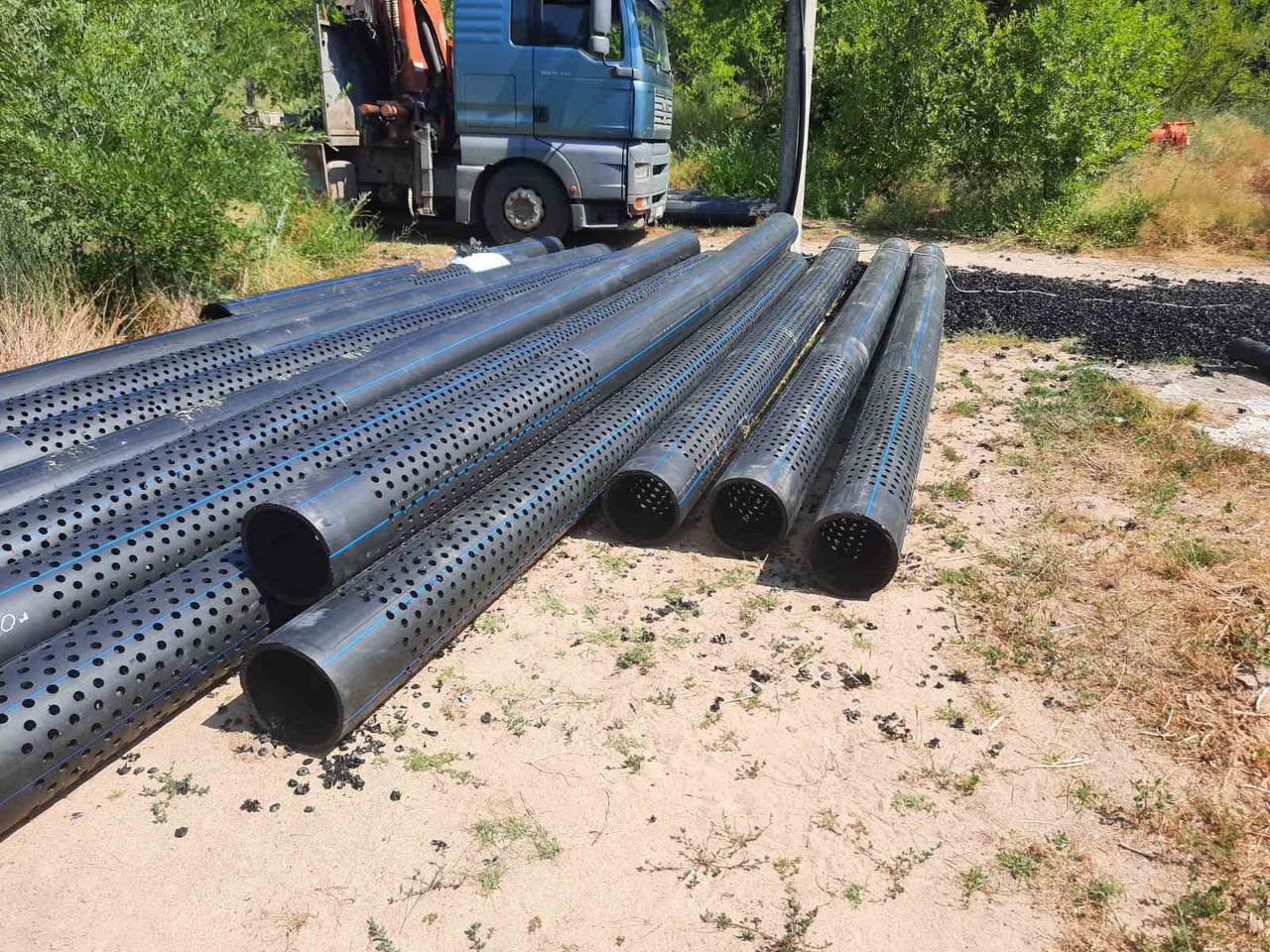 Drilling has begun in Voznesensk on the first of nine boreholes to tackle water supply issues. Photo: Voznesensk City Council
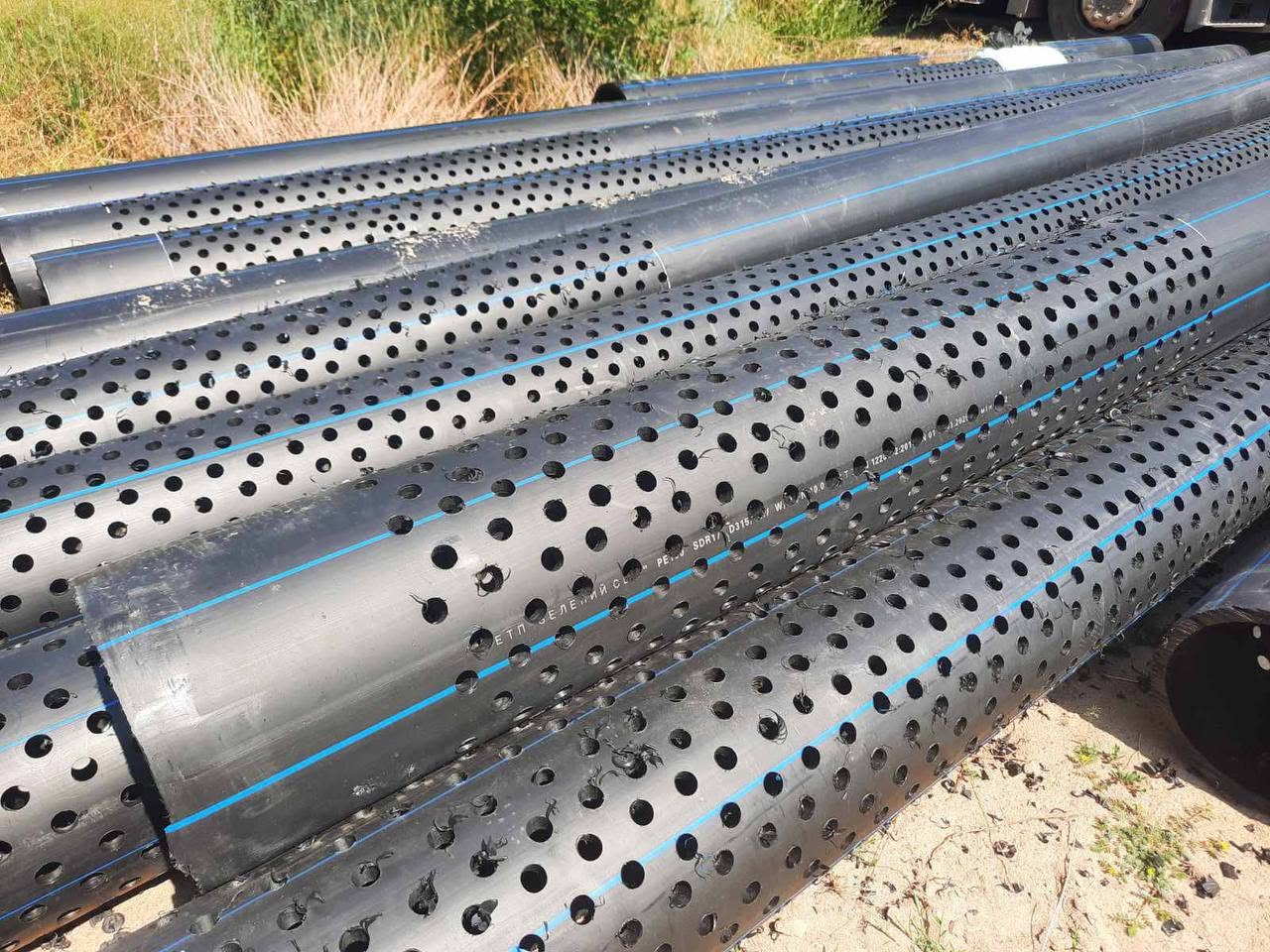 Drilling has begun in Voznesensk on the first of nine boreholes to resolve water supply issues. Photo: Voznesensk City Council
As a reminder, at the end of June, Yevhen Velychko reported that a water shortage had arisen in the community due to the critical condition of some of the boreholes. Of the 13 boreholes, only nine were operational, whilst four had fallen out of service due to silting and wear and tear.
According to Yevhen Velychko, Voznesensk obtains its drinking water exclusively from boreholes. Due to prolonged periods of drought and climate change, their flow rate has decreased, whilst consumption traditionally rises in summer. According to the city council, some wells were yielding as little as 10 cubic metres of water per hour instead of the designed 35–40 cubic metres, and total daily production stood at around 6,200 cubic metres, compared with the community’s summer demand of 8,000 cubic metres.
It should be noted that in Voznesensk, tariffs for refuse collection and centralised wastewater disposal have risen since 1 June. The executive committee has also set a tariff for the disposal of household waste at the municipal landfill.
Previously, the management of Voznesensk-based «Biological Treatment Plants» Ltd had appealed to the mayor and the council to allocate funds for their reconstruction. The company’s director stated that Voznesensk’s treatment facilities have been in operation for around 50 years and are currently in a state of disrepair.
