
School bullying in the Mykolaiv region: why the problem persists and how it is being addressed
-

- Alona KokhanchukReporter
-
 Alisa Melikadamian
Contributing Editor, Reporter
Alisa Melikadamian
Contributing Editor, Reporter
-
 20000 +
Incredible! This content has reached a new level — 20,000+ views!
20000 +
Incredible! This content has reached a new level — 20,000+ views!
-
 Prefer on Google
-
20K
Incredible! This content has reached a new level — 20,000+ views!
-
Prefer on Google
 Bullying in schools: why the problem persists and how it is being addressed. Photo for illustrative purposes only NikVesti
Bullying in schools is a problem that has been discussed for many years, yet it remains as relevant as ever and continues to be a painful issue for the country. Despite increased attention and prevention programmes, cases of bullying are not disappearing, but are simply taking on new forms. This phenomenon affects not only children’s mental health, but also their academic performance, socialisation and future lives.
NikVesti has investigated the current situation in Ukraine and the Mykolaiv region, how bullying trends are changing, what is being done to combat bullying, and what new approaches are being implemented. Read more in the article.
Statistics on recorded cases of bullying are rising every year
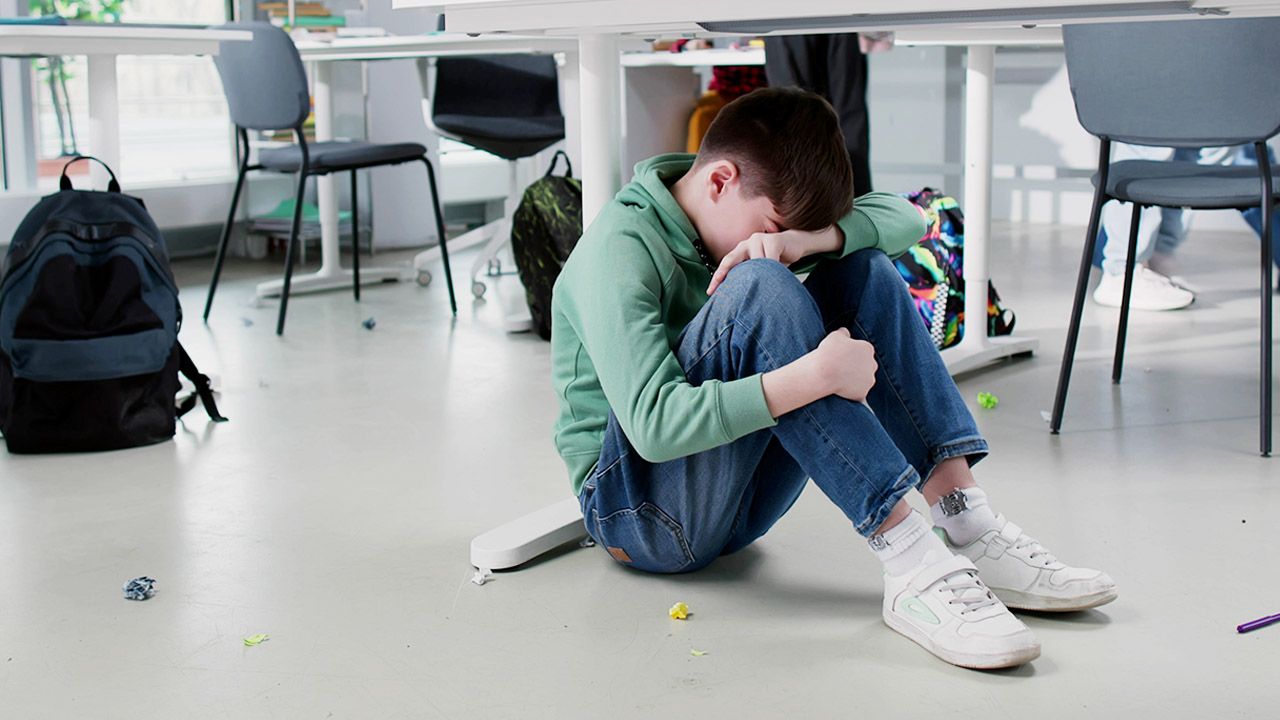
So what is bullying? To put it simply, it is when one child is systematically harassed by another child or a group of children.
In Ukraine, this concept was officially enshrined in 2019, when amendments to the legislation on combating bullying came into force. Since then, it has not simply been «school conflicts», but a clearly defined offence.
Bullying is not just about fights or shoving. It can manifest in various ways: through insults, humiliation, ignoring, threats, spreading rumours, or even through messages and posts on social media. It can involve both psychological pressure and physical violence.
The main thing that distinguishes bullying from a normal argument is its systematic nature and the harm it causes to the child.
There are several main forms of bullying:
-
physical (pushing, beating, damaging belongings),
-
psychological (insults, humiliation, threats),
-
economic (extortion of money or belongings),
-
cyberbullying (harassment on social media and online).
 Illustrative photo: Shutterstock
Recent years have shown that the nature of bullying is changing. Whereas it used to take place mainly within schools, cases are now moving into the online space. Cyberbullying is becoming particularly widespread due to the active use of social media by children and teenagers.
Social factors also influence the level of aggression among children: prolonged stress caused by war, economic instability, changes within families and increased psychological strain. All of this creates additional risks for the emergence of conflicts and bullying in the school environment.
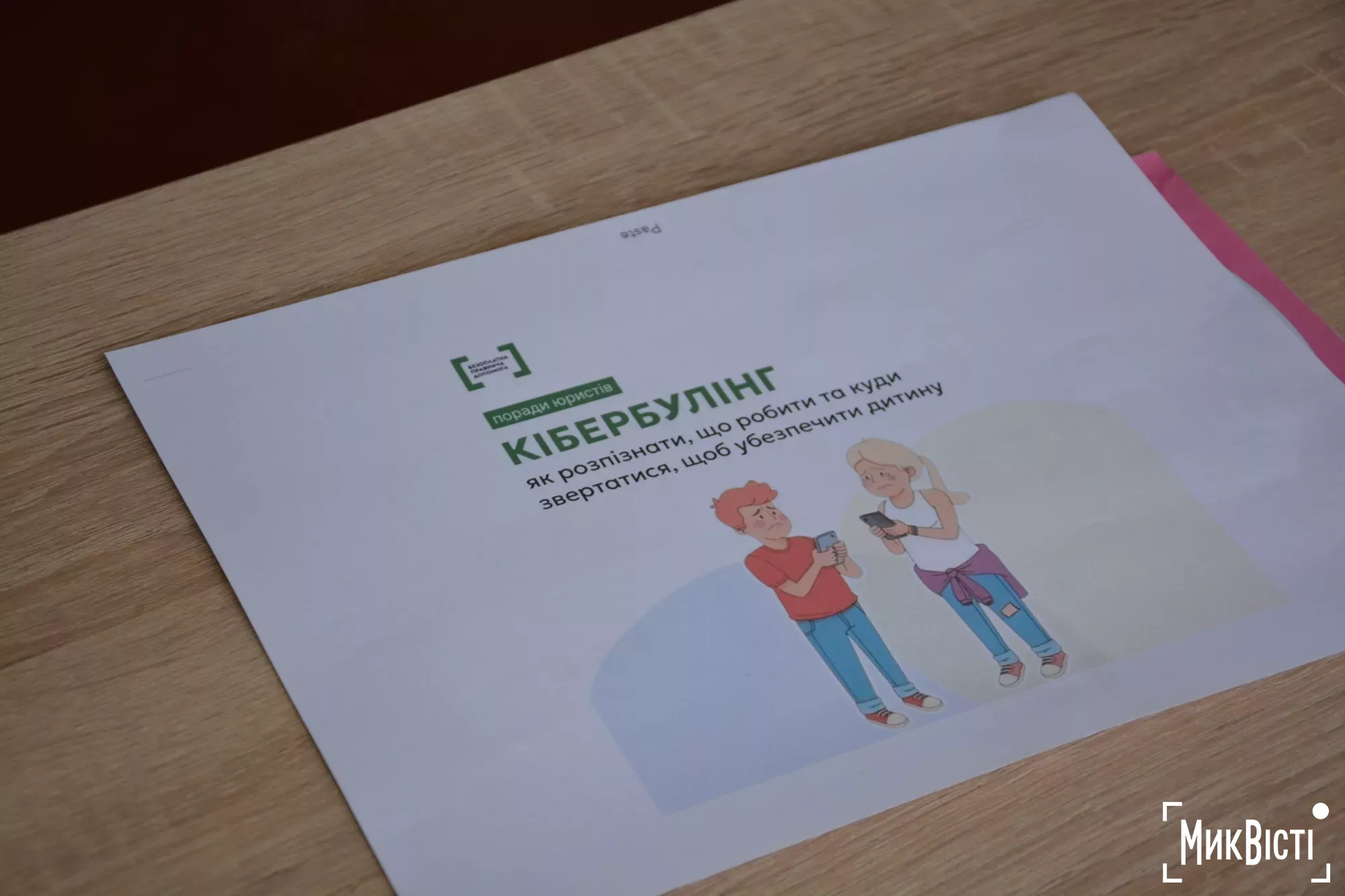 Cyberbullying is becoming particularly widespread. Illustrative photo NikVesti
Bullying remains a serious problem in Ukraine, as the statistics show. According to law enforcement agencies, 264 administrative offences related to bullying were recorded across the country in 2024. Such cases most frequently occur among pupils in Years 5–9 — this age group accounts for the highest number of incidents. In most cases, the perpetrators are the pupils themselves.
In the first 10 months of 2025, 234 cases of bullying were recorded in schools — on average, law enforcement officers drew up around 33 administrative reports each month, and more than half of these involved minors.
The Office of the Ukrainian Parliament Commissioner for Human Rights has also noted an alarming trend — the number of reports regarding bullying is rising.
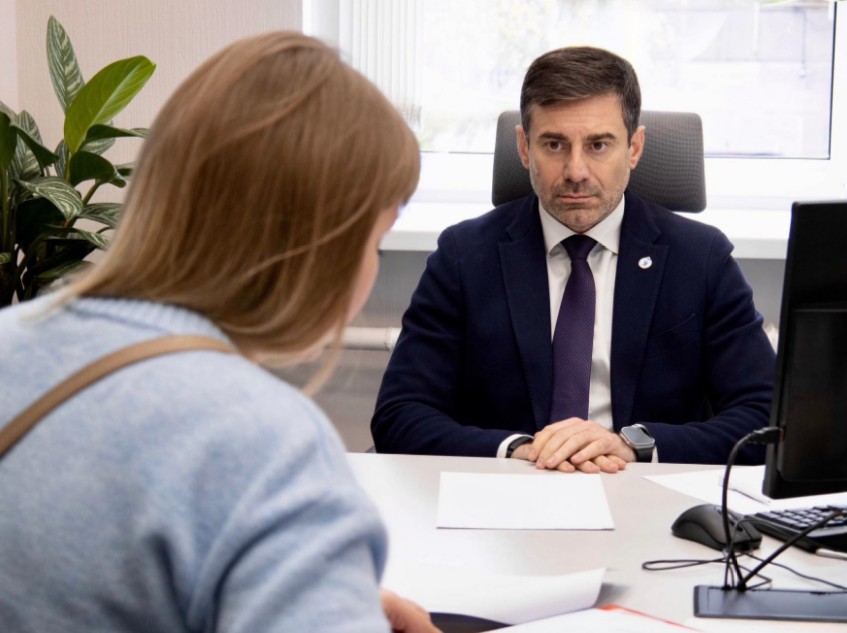 Ombudsman of Ukraine Dmytro Lubinets. Photo: Office of the Ombudsman
In response to a query from NikVesti, the Commissioner’s Secretariat reported that in 2024, 123 complaints were received regarding violations of children’s right to be treated with dignity in educational institutions — almost three times more than in 2023.
«In view of the increase in the number of complaints related to cases of bullying, cruel treatment and various forms of violence, the Commissioner sent letters of initiative to the regions of Ukraine, the Ministry of Education and Science of Ukraine and the National Police of Ukraine,» the response states.
At the same time, the situation is not improving in 2025 either. The Commissioner has already received 191 complaints regarding bullying — 55% more than the previous year.
«Compared to 2024, the number of such complaints has risen by 55%,» the Secretariat noted.
Following the response to these cases, criminal proceedings were initiated under various articles — ranging from assault to violation of privacy. Administrative reports were also drawn up and disciplinary measures applied — reprimands, warnings and even dismissal.
In 2026, the work continues: as of now, the Commissioner has already received around 45 reports regarding possible cases of bullying. Each of these is being investigated and appropriate measures are being taken.
Hello! I am Aliona Kokhanchuk, the author of this article.
Thank you for your attention to our texts — it means a lot to the NikVesti team.
We regularly publish in-depth materials for those who want to understand the topic and get to the heart of the matter.
We have dozens of examples when our journalism, together with our readers, has influenced situations and changed them.
Join the NikVesti Readers’ Club — support independent journalism that matters.
Support us by joining the NikVesti Club
Cases of bullying in the Mykolaiv region
Individual cases of bullying are recorded every year in various communities across Mykolaiv Oblast. In particular, in 2024, an officially confirmed case of bullying occurred at the Voievodsk Lyceum of the Blahodatne Village Council. One case of bullying was also recorded in 2024 and 2025 at the Pivdennoukrainsk Lyceum №3.
In the Voznesensk community, two cases of bullying were identified in 2024 — both at Voznesensk Lyceum №8. Another case was recorded in 2025 at the Ochakiv Lyceum.
However, not all reports are confirmed. For example, in the Buzke community in 2025, there was a complaint from the mother of a pupil at Voznesensk Lyceum, who contacted the helpline. However, following an investigation, the information was not confirmed.
«During the investigation, the commission for examining cases of bullying established that the information provided was unreliable, as confirmed by separate investigations by the Service for Children’s Affairs and the local branch of the National Police,» the Education Department of the Buzke Village Council told NikVesti.
In Mykolaiv itself, 14 reports of bullying were recorded between 2024 and 2026. However, as noted by the city’s education department, none of these cases were confirmed following investigations.
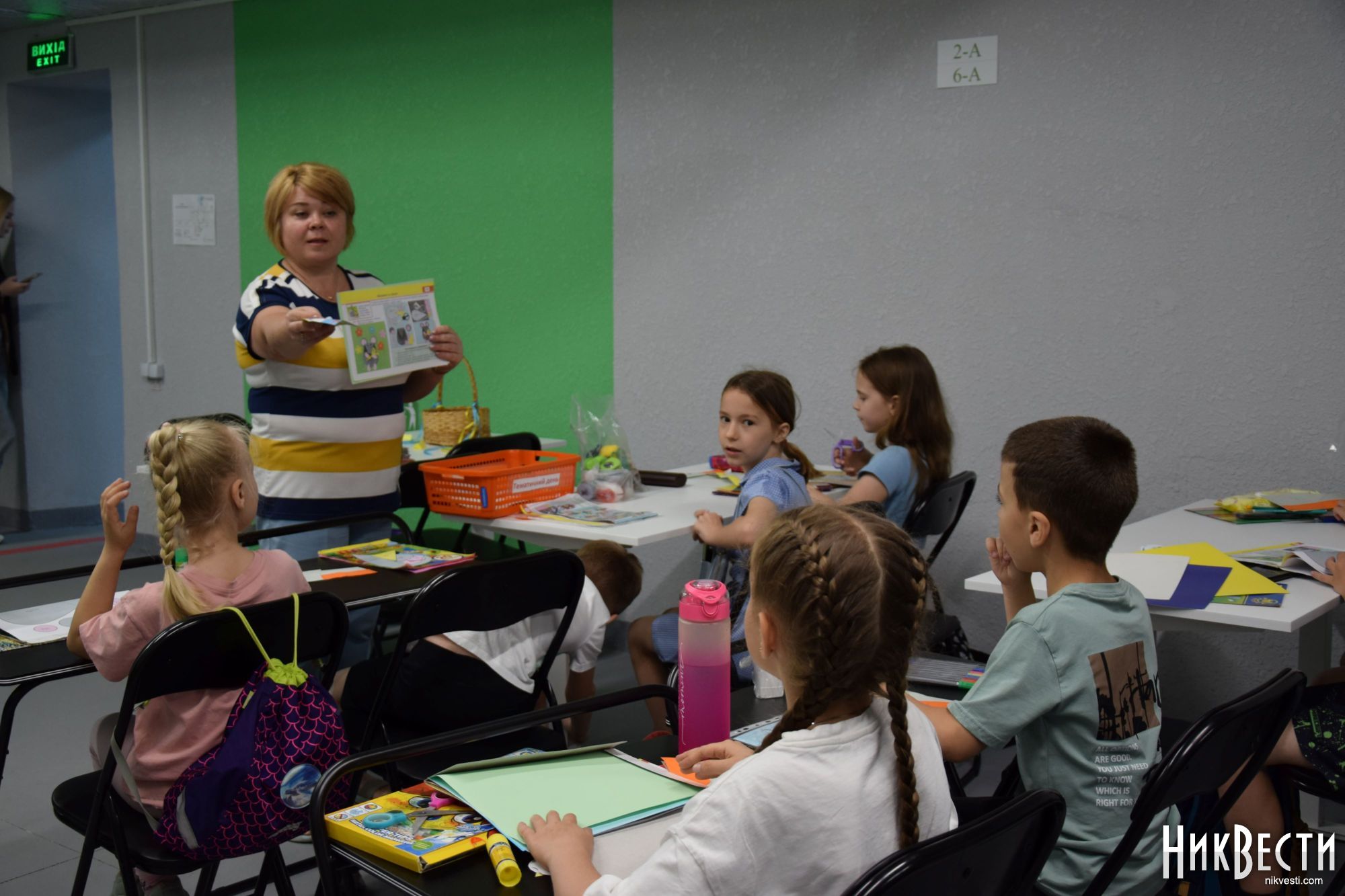 One of the schools in Mykolaiv. Photo: NikVesti archive
Most cases of bullying remain out of the public eye and do not receive widespread coverage. Only those directly involved in the educational process and the relevant authorities are aware of them. At the same time, individual stories sometimes come to the public’s attention.
For instance, in 2025, a case of bullying at a secondary school in Ochakiv received media attention. There, a 12-year-old boy was systematically bullied by his classmates. The police were informed of the incident on 5 November, after which the youth police established that the Year 7 pupil had been regularly subjected to bullying since September.
An administrative report was drawn up against the mother of one of the bullies in connection with the bullying. The school principal was also held accountable for failing to report the bullying incident to the police in a timely manner. The case materials were forwarded to the court.
As explained by Alla Velikhovska, Director of the Department of Education and Science at the Mykolaiv Regional State Administration, a comprehensive approach must be taken in cases of bullying. Each case is considered individually, with psychologists working with the children and their parents.
«These are typically adolescent issues. That is why such preventive work is carried out in the upper years specifically to eliminate such incidents. The most important thing is that if a child knows what the consequences will be and how their parents will be punished, and the parents understand this, then such incidents do not occur. The key is to make it clear to children and parents that there will definitely be consequences for this,» says Alla Velikhovska, Director of the Department of Education and Science at the Mykolaiv Regional State Administration.
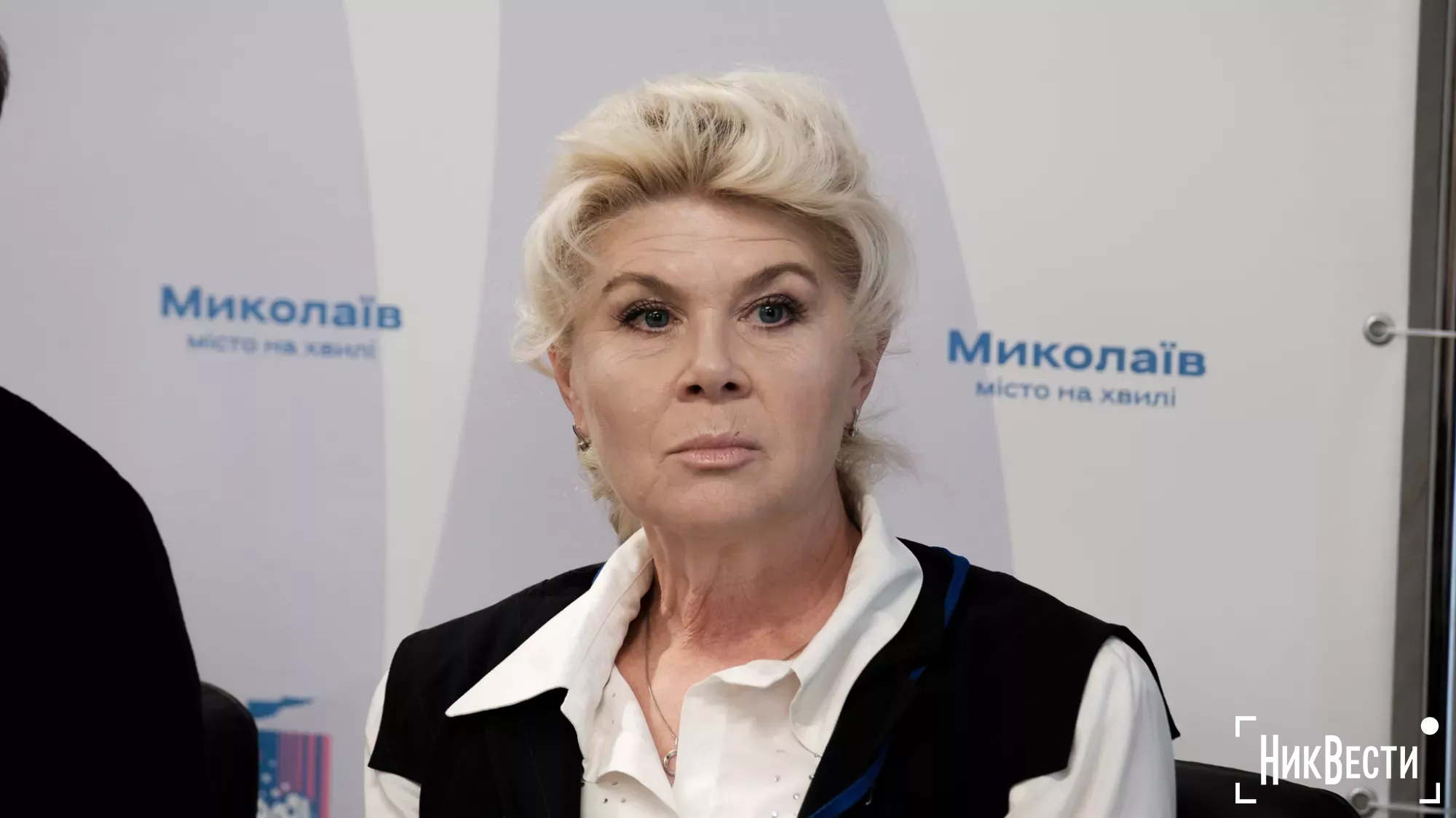 Alla Velikhovska, Head of the Department of Education of the Mykolaiv Regional State Administration, archive photo NikVesti
The Department of Education and Science of the Mykolaiv Regional State Administration explains the procedure to be followed by school management upon receiving a complaint or report of bullying. The steps are as follows:
-
notify the police within 24 hours, as well as at least one of the parents or legal guardians of the child involved in the situation;
-
call an ambulance if necessary;
-
notify the child welfare service to investigate the causes of the conflict and ensure the child’s protection;
-
contact social services, which will assess the situation, determine the necessary assistance and can provide psychological support;
-
within three working days, convene a committee to review the bullying incident.
«Know to Prevent»: Bullying Prevention in Schools
Educational work remains the main tool for combating bullying in schools, as it is through regular explanations and fostering respect for others that a safe educational environment is created and children’s behaviour is changed.
At the Variushyne Lyceum of the Veselynove Settlement Council, preventive work to combat bullying is also systematic. In particular, themed discussions and educational sessions on safe behaviour and the prevention of bullying are organised every month.
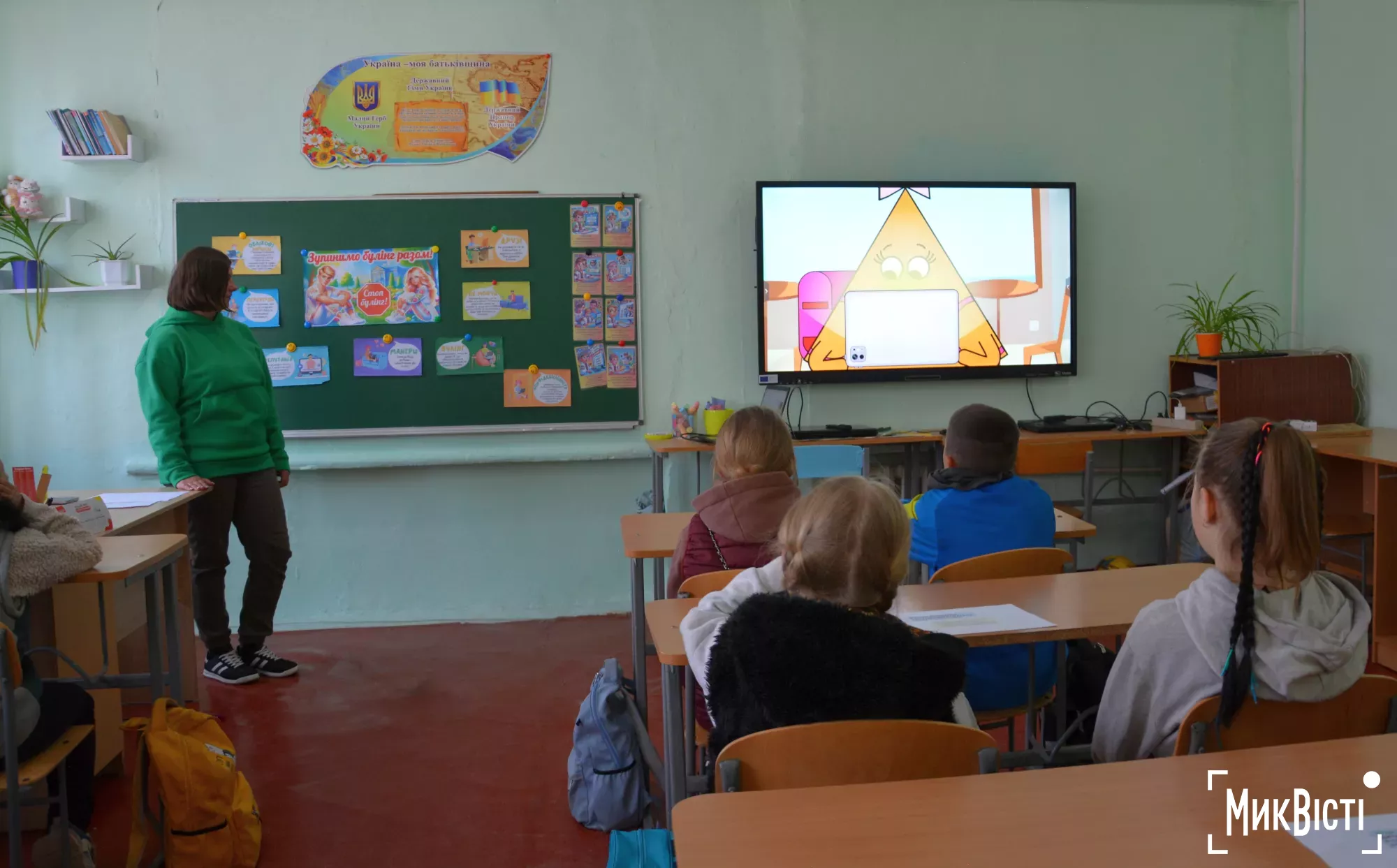
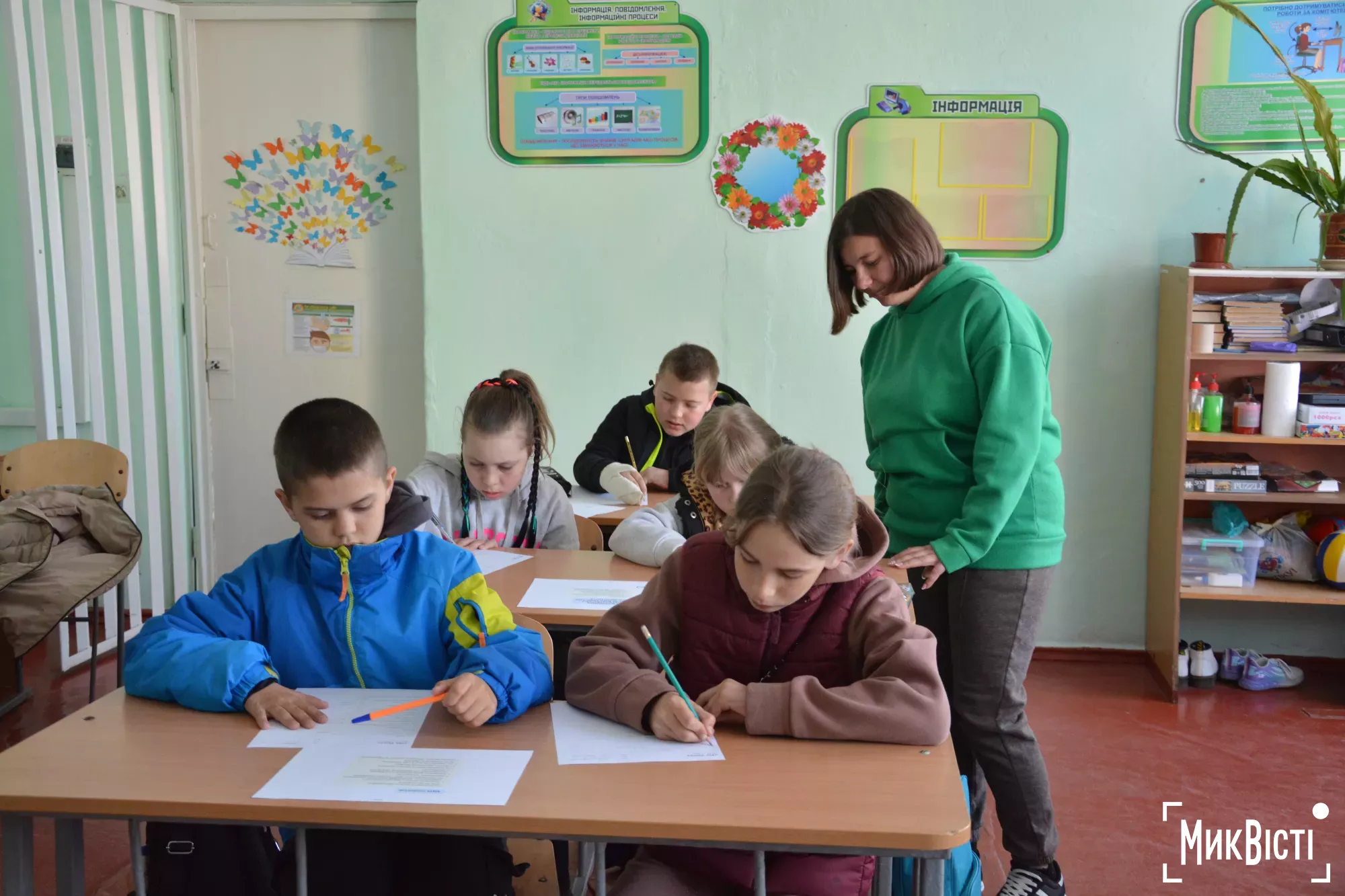 A lesson for children on the topic of bullying. Photo: NikVesti
The school emphasises that educational activities help to change attitudes towards the problem of bullying, fostering respect and responsibility.
During the sessions, pupils are taught what bullying is, the different forms it takes — from physical and verbal abuse to social pressure and cyberbullying — and how to act if a child becomes a victim or witness to bullying. Particular attention is paid to self-protection strategies and who to turn to for help.
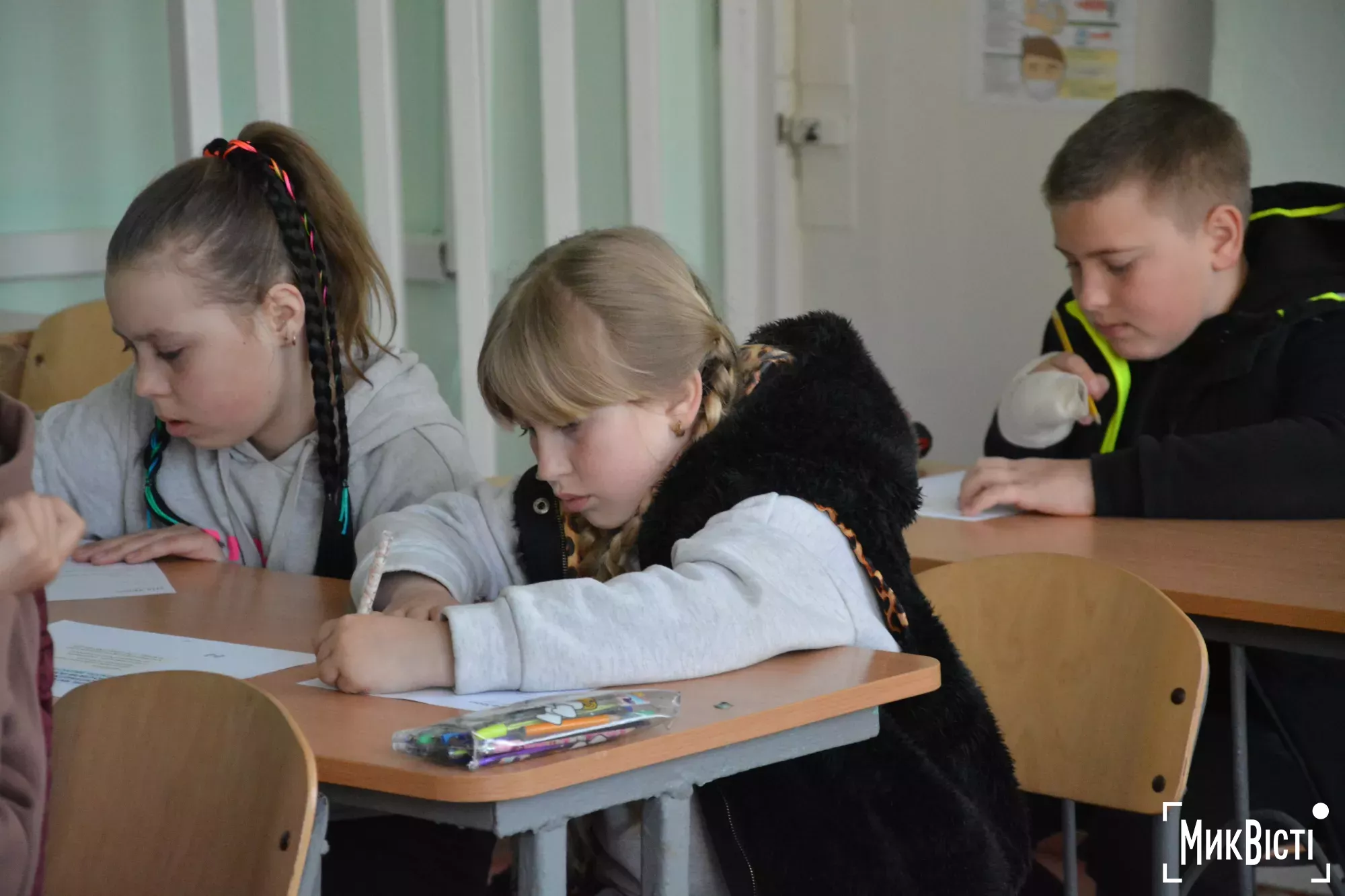 At the Variushyne Lyceum of the Veselynivka Settlement Council, lessons on bullying are held every month. Photo: NikVesti
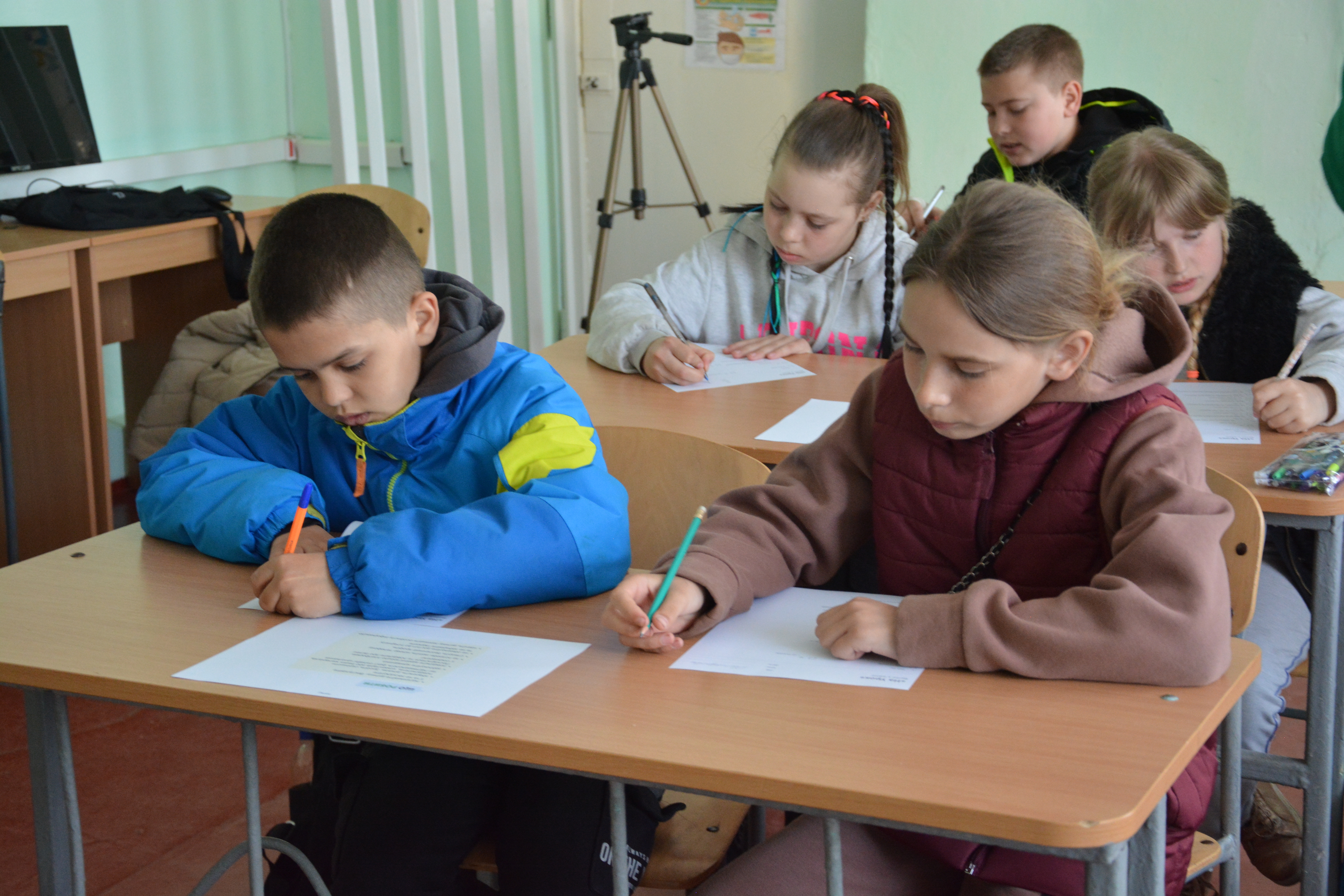 A lesson for children on the topic of bullying. Photo: NikVesti
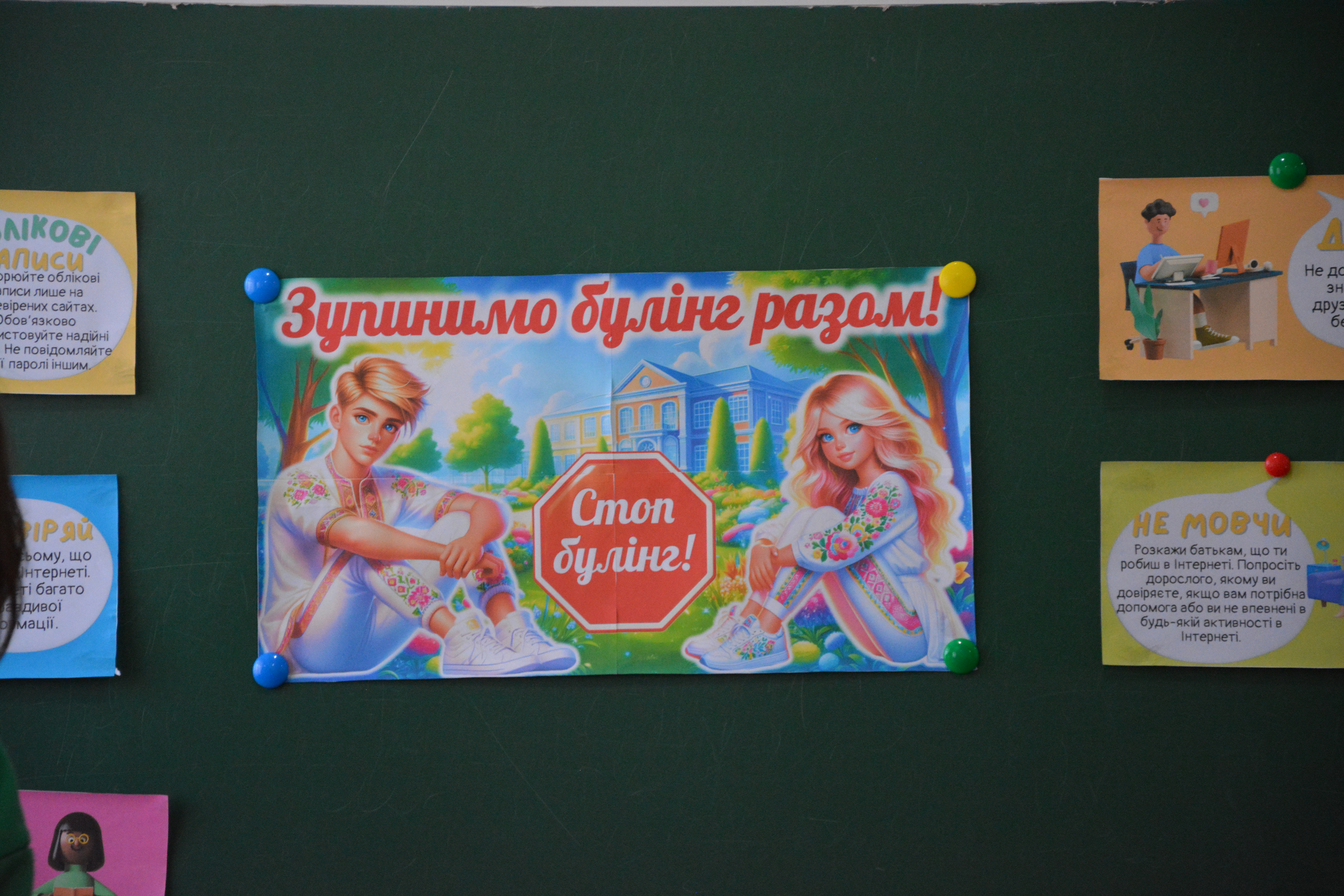 A lesson for children on the topic of bullying. Photo: NikVesti
To ensure the material is better absorbed, interactive methods are used in the teaching process: educational videos and cartoons are shown, and short quizzes are conducted. This allows the level of the pupils’ understanding of the topic to be assessed and identifies aspects requiring further explanation.
Computer science teacher Olena Podhorna notes that such lessons should change children’s attitudes towards one another. According to her, pupils gradually begin to recognise instances of bullying more clearly and take a more conscious approach to their own actions.
«I believe it is very important to hold such lessons not only at school but also outside it, so that parents can talk to their children about this too. Children today are cruel and they do not understand how they can hurt others,» says Olena Podhorna.
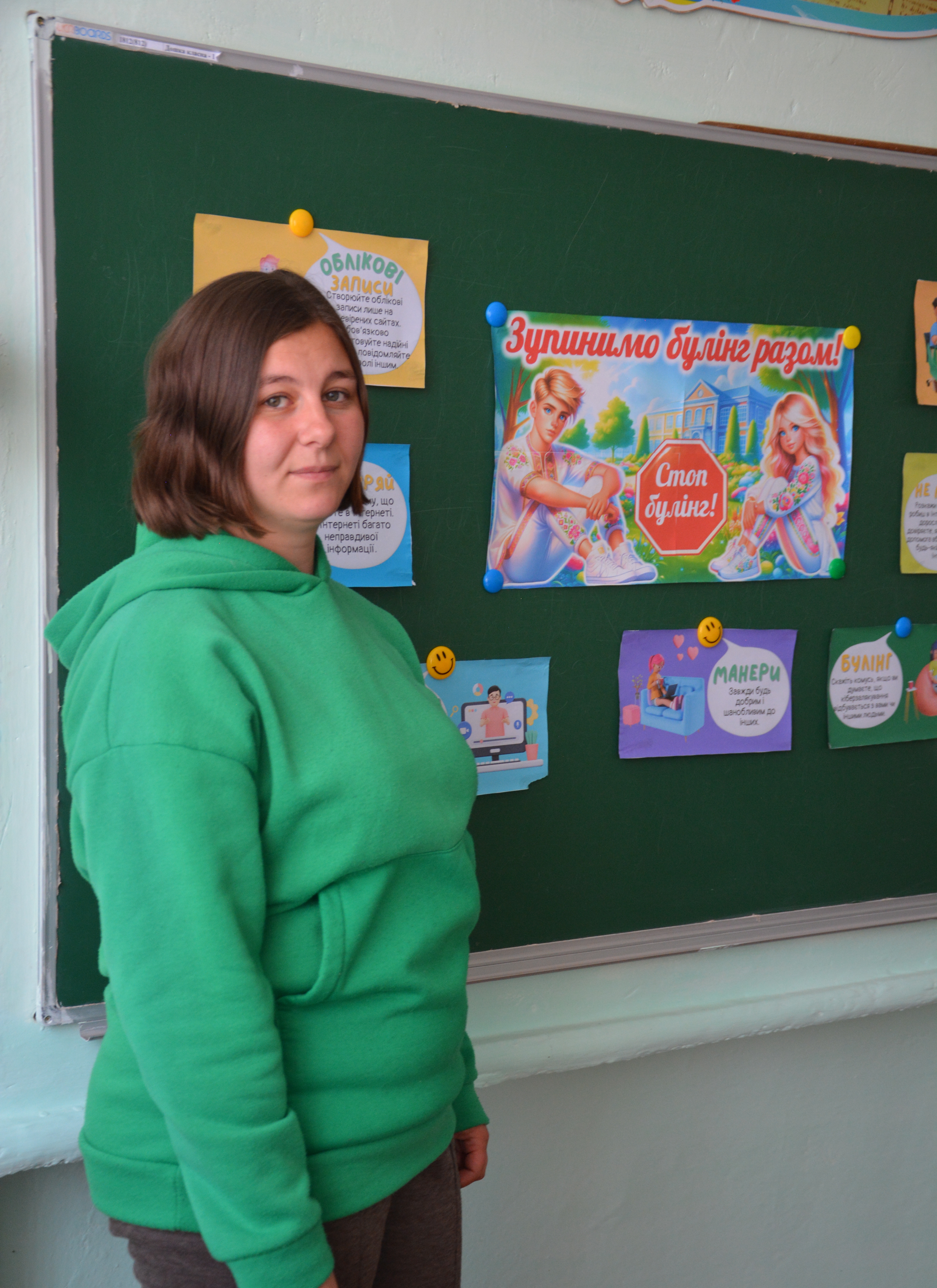 Computer science teacher Olena Podgornaya. Photo: NikVesti
Renat Semchenko, a Year 7 pupil at the lyceum, spoke to NikVesti about bullying not from hearsay but from his own experience. He recalls that his classmates used to make fun of him and shun him — this ruined his school life. The pupil stresses that such incidents should not be kept quiet.
«When you see bullying, you need to call an adult. I was in that situation myself. In the lower years, my classmates bullied me, and I called an adult. After that, they stopped bullying me. When people make fun of you, it’s really hurtful. You don’t want to go to school then,» recalls the pupil.
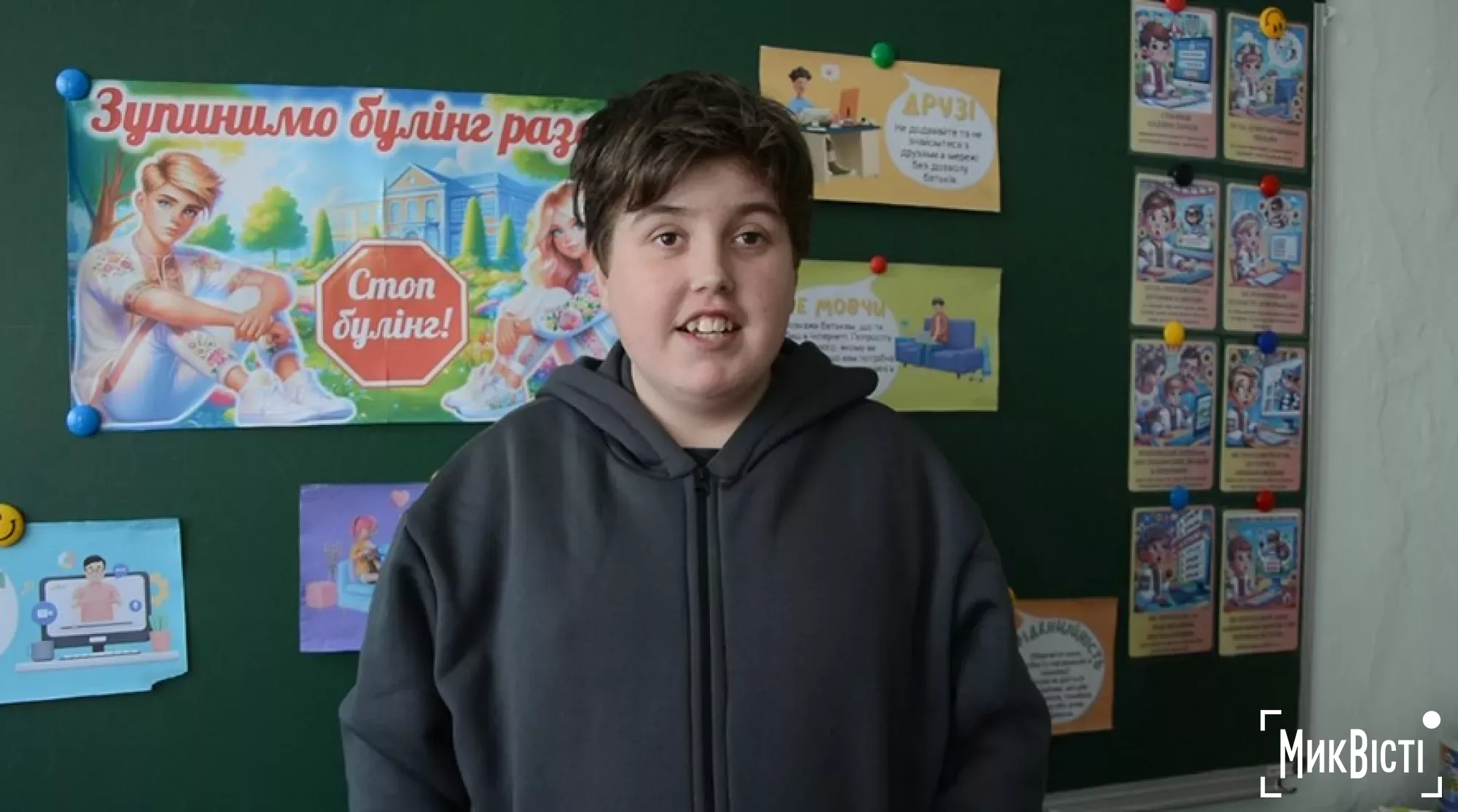 Renat Semchenko, a Year 7 pupil at the lyceum. Photo: NikVesti
Bullying of teachers does exist
Bullying at school is usually associated with conflicts between pupils. At the same time, another, less visible aspect of the problem is attracting increasing attention — the targeting of teachers. A trend is spreading among Ukrainian schoolchildren where pupils publish photos or videos of teachers, superimposing obscene audio tracks over them. The Office of the Education Ombudsman has drawn attention to this.
They note that official statistics on complaints do not fully reflect the real situation. This is because some cases are not officially recorded but are discussed on social media or through informal communication.
For instance, in 2025, the Office of the Education Ombudsman received 165 complaints regarding abuse, including bullying and discrimination in educational institutions. As of 25 March 2026, there have already been 66 such complaints.
At the same time, between 1 January 2025 and 25 March 2026, only two complaints were received from teachers regarding protection against bullying. The majority of complaints come from pupils’ parents.
The Ombudsman also notes that although various mechanisms exist to address bullying, teachers rarely report instances of bullying directed at them officially.
A case of teachers being bullied was also recorded in the Mykolaiv region in April this year. Novo-Odesa Lyceum №2 reported that videos created using photos and video footage of teachers without their consent had begun circulating on TikTok.
«Unfortunately, this situation has already affected our educational institution — we have discovered instances of our teachers’ photos being used in third-party videos. «Secret» filming of a teacher during a lesson for the purpose of subsequent ridicule is illegal. Full stop,» was the response from the educational institution.
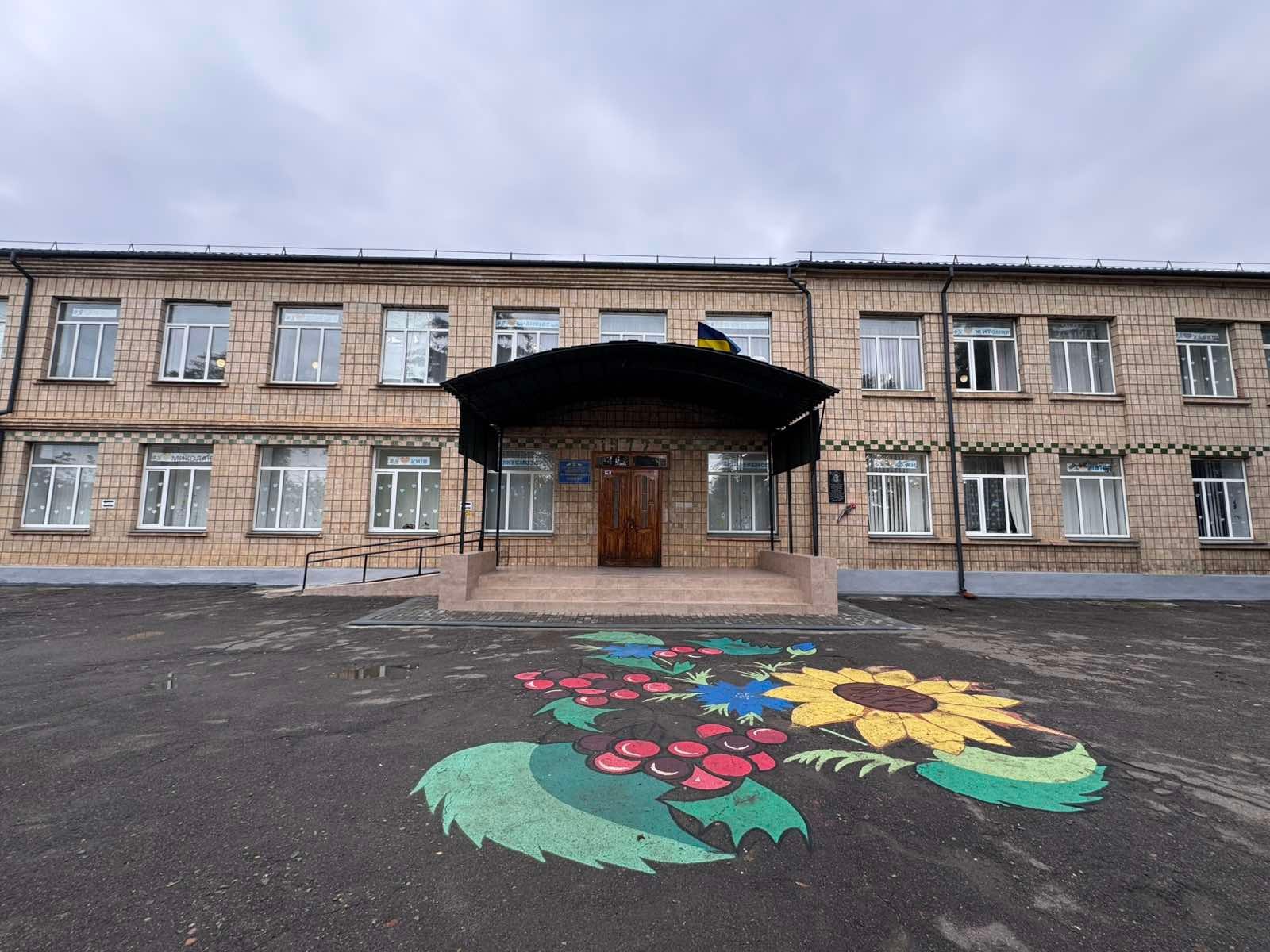 Novo-Odesa Lyceum №2. Photo from the school’s Facebook page
The administration has appealed to pupils and parents to stop publishing such content and, if it is present, to remove it immediately.
«The school administration officially announces: in the event of non-compliance, the materials will be forwarded to the cyber police for investigation and to bring those responsible to justice. We ask that you treat this situation with the utmost seriousness. This is not only a matter of ethics, but also a matter of law,» the statement reads.
The school reminded everyone that the law prohibits the dissemination of photos and videos of a person without their consent, as well as interference in their private life. It was specifically emphasised that such actions may constitute bullying of those involved in the educational process and are subject to legal consequences.
Penalties for bullying: what changes to expect
If bullying could not be avoided and such an incident did occur, liability is provided for under Article 173-4 of the Code of Ukraine on Administrative Offences, namely:
-
For the perpetrator (if aged 16 or over): A fine of between 850 and 1,700 hryvnias or community service.
-
For the bully’s parents (if the bully is under 16): A fine of between 850 and 1,700 hryvnais or community service.
-
For the head of the educational institution: A fine or corrective labour if they failed to report the bullying incident to the police.
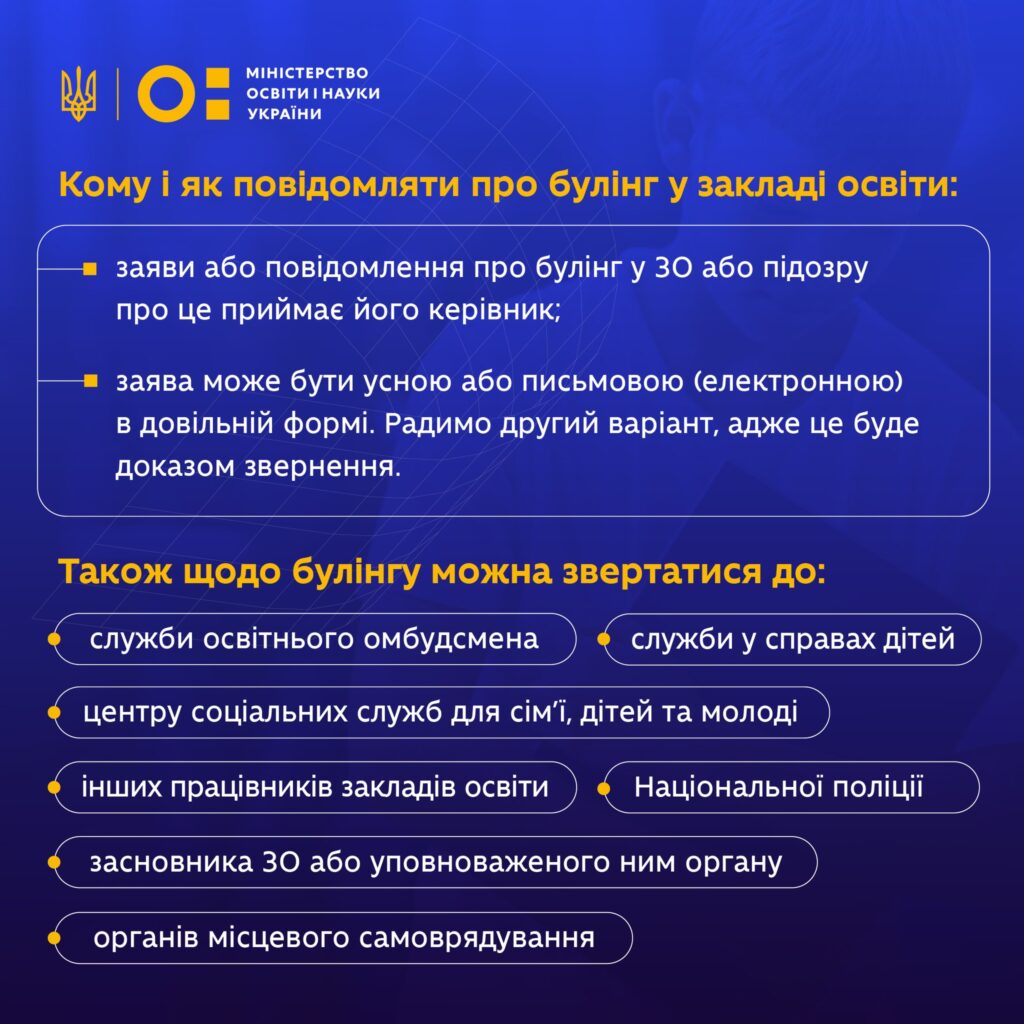 Ministry of Education and Science infographic on combating bullying
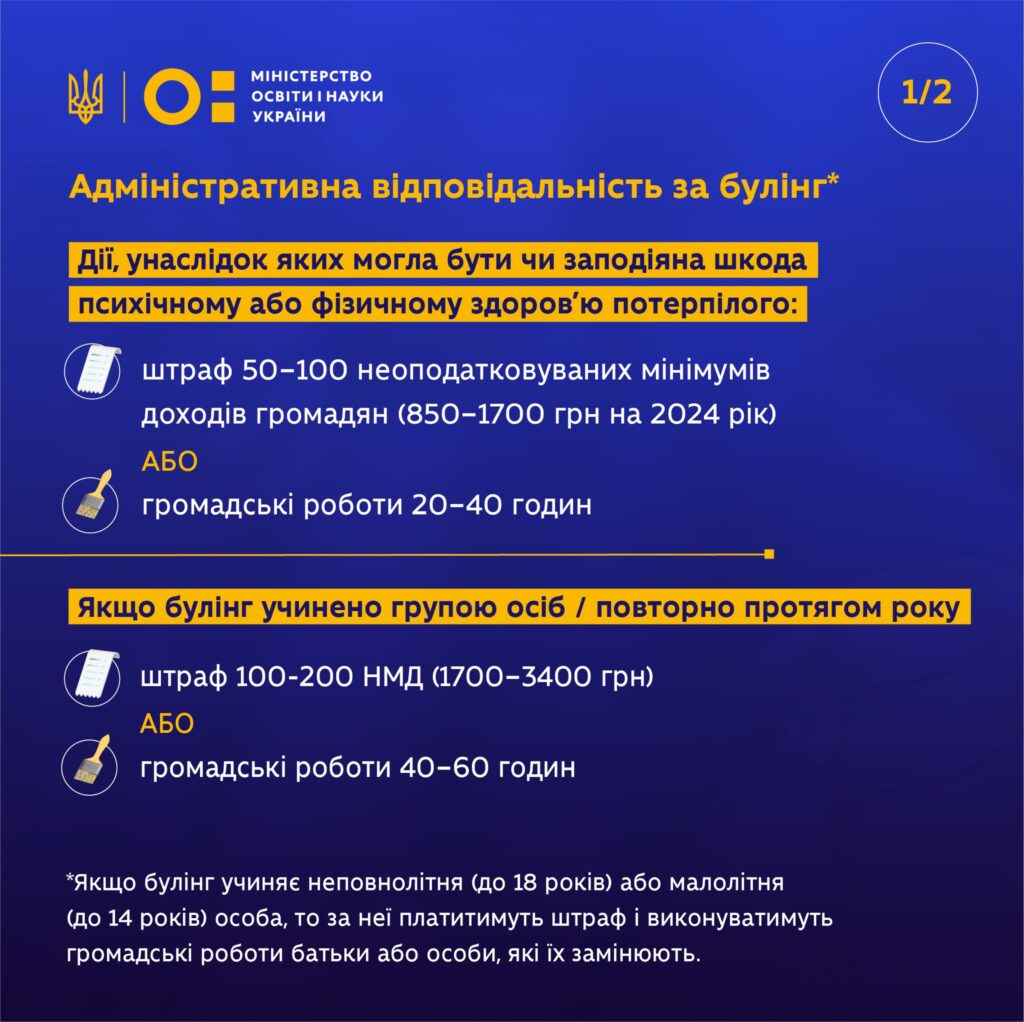 Infographic from the Ministry of Education and Science on combating bullying
Education Ombudswoman Nadiia Leshchyk emphasised that the penalties are insufficient to deter offenders. In her view, these amounts need to be reviewed and, at the same time, parents’ liability for failing to fulfil their child-rearing duties must be strengthened. However, there is currently no legislative discussion regarding an increase in fines.
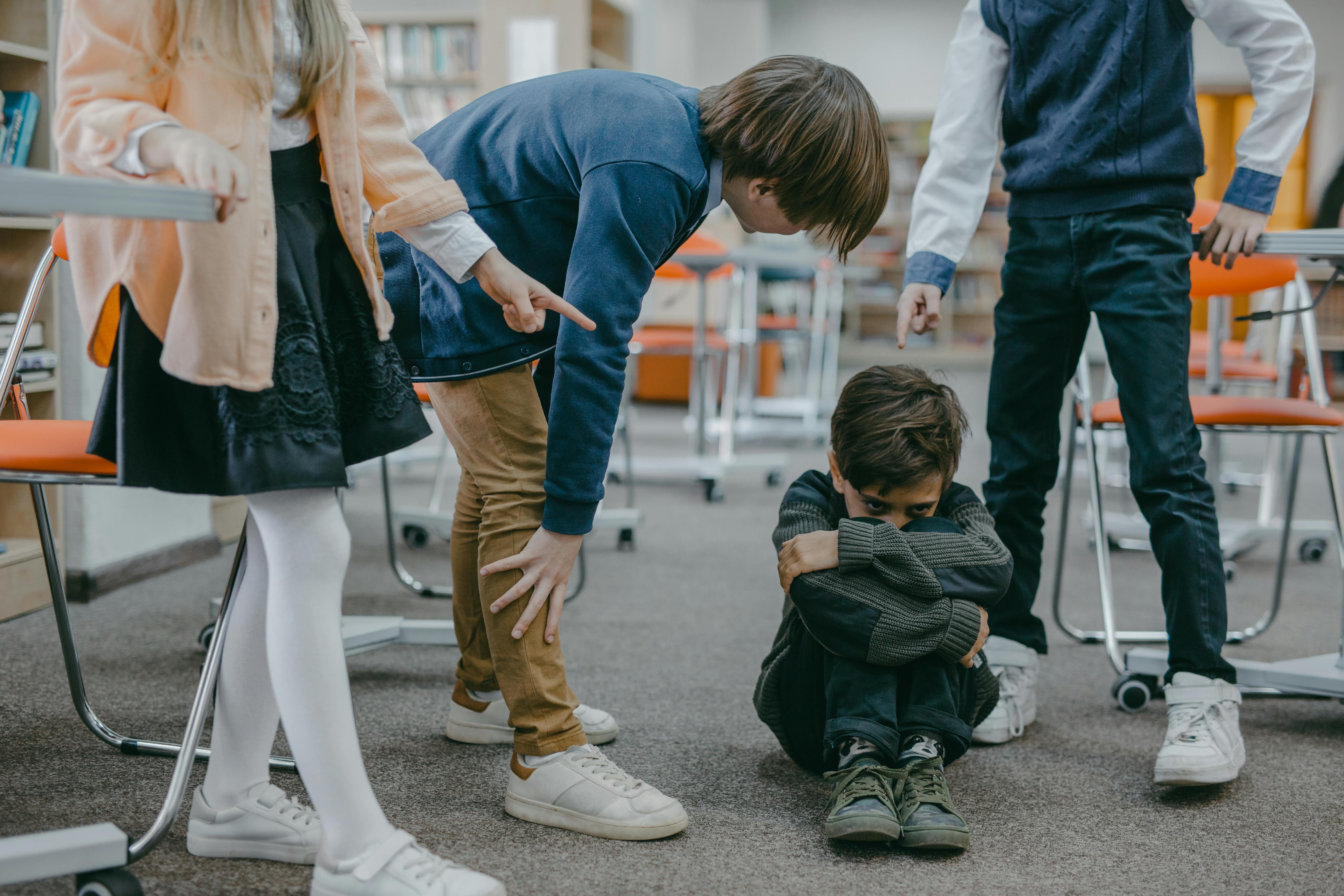 Bullying in educational institutions. Photo from the Pexels stock
In addition, the Ministry of Education and Science of Ukraine has put forward for public consultation a draft amendment to the Procedure for Responding to Cases of Bullying and the Procedure for Applying Educational Measures. This involves updating the rules governing how schools should act in cases of violence among children, as well as clarifying the protocols for prevention and response.
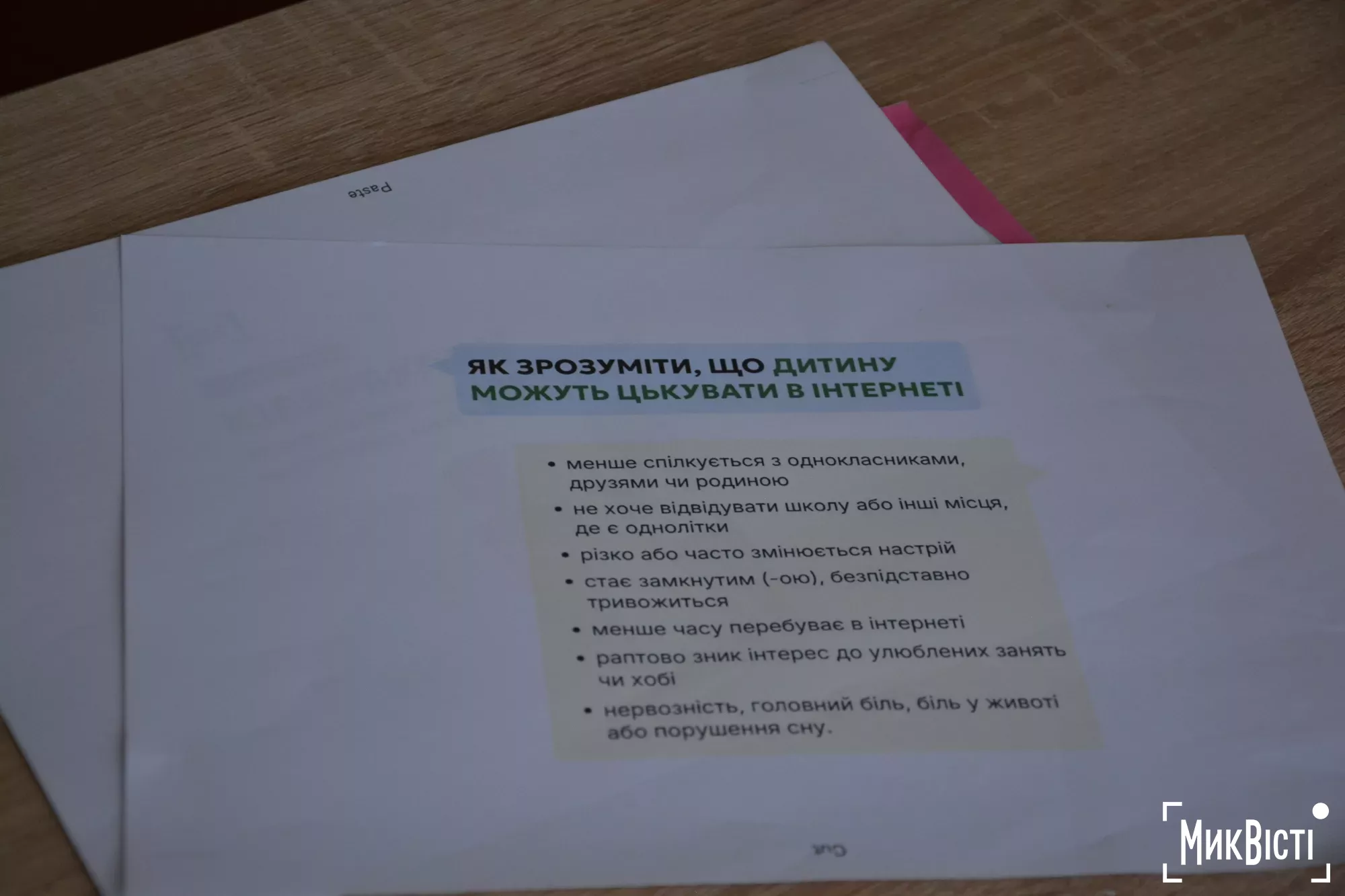
The main aim of the changes is to make the system clearer, more standardised and more practical for everyone involved in the education process. The draft sets out in greater detail what exactly constitutes bullying and violence, who is considered the perpetrator, the victim and the witness, and expands the list of signs that may alert adults to a problem. These include a sudden change in a child’s behaviour, withdrawal, fear, aggression, missing classes, complaints about feeling unwell, damage to property, as well as any manifestations of humiliation or the dissemination of offensive content, particularly online.
Particular emphasis is placed on consistency: bullying is defined as repeated actions (two or more incidents within 12 months), as well as various forms of psychological, physical, economic or sexual violence, including via electronic communications.
If the amendments are adopted, schools will have to operate according to a clearer protocol. It is emphasised that the anti-bullying system must be ongoing rather than reactive: from identifying signs of abuse through to prevention, response and remedial work.
 Preventive work to combat bullying is being carried out at the Varyushyn Lyceum. Photo: NikVesti
At the discussion stage, the provision stating that a case will only be considered bullying if the violence is repeated twice or more within 12 months is causing debate in society.
Olena Parfenova, chair of the «Parents SOS» public organisation, pointed out that the proposed definition contradicts the provisions of the Code of Ukraine on Administrative Offences, as even a single recorded incident can be grounds for action. She emphasised that this is an overly formalistic approach, which links bullying solely to the number of incidents in a year.
«So what now? Two cases in 12 months is bullying, but two in 13 months isn’t? Such an approach easily turns the fight against violence into a game of statistics: the problem can be ‘minimised’ on paper without changing the reality in the classroom. Moreover, it is unclear what exactly constitutes «systematic» behaviour — the number of reports or the actions themselves. If a child was humiliated over the course of a month but reported it only once, is that a single incident or systematic bullying?» noted Olena Parfenova.
Despite the points of contention, experts acknowledge that the draft is generally aimed at strengthening child protection and improving mechanisms for responding to bullying in schools. At the same time, its effectiveness will depend on whether the experts’ comments are taken into account and whether the system is made genuinely effective, rather than merely formal.
Bullying remains a threat
Bullying remains a complex social phenomenon that requires constant attention. The Ministry of Education’s new approaches and the active work of schools are important steps towards overcoming it. At the same time, the effectiveness of the fight against bullying depends on the shared responsibility of all participants in the educational process.
Alona Kokhanchuk, NikVesti

