
Hranaturov: The availability of nurseries is key to getting people to return to Mykolaiv
-

- Alina KvitkoReporter
-
 3000 +
Wow! Over 3,000 visitors have viewed this content!
3000 +
Wow! Over 3,000 visitors have viewed this content!
-
 Prefer on Google
-
3K
Wow! Over 3,000 visitors have viewed this content!
-
Prefer on Google
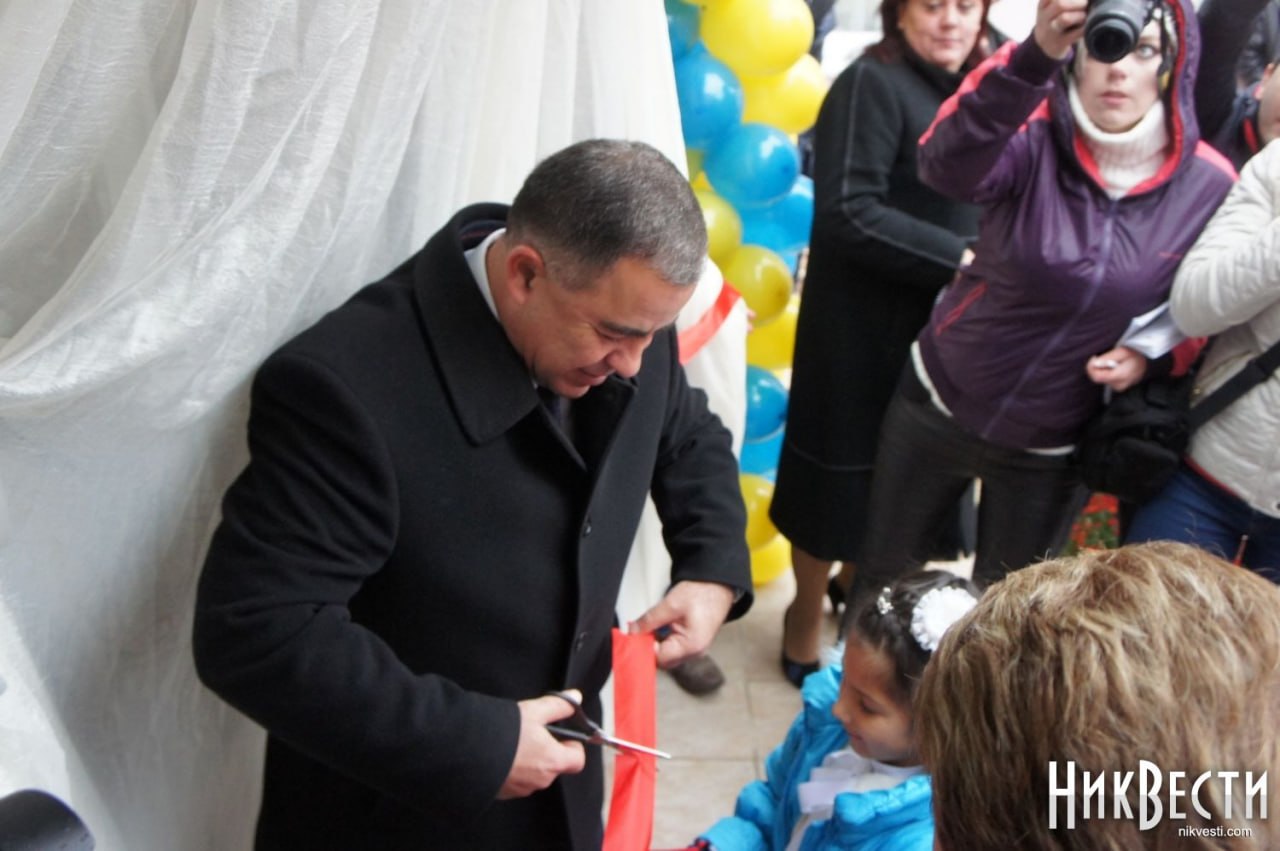 The latest nursery in Mykolaiv was opened by Mayor Yurii Hranaturov. Photo: 24 October 2014, NikVesti archive
Yurii Hranaturov, Mayor of Mykolaiv from 2014 to 2016, stated that the issue of nurseries is critically important for the city, particularly given the changing demographics and the renewed demand for pre-school education. According to him, the situation with nurseries in Mykolaiv has repeatedly gone through various phases — from a surplus to a shortage of places.
He spoke about this in a comment to NikVesti against the backdrop of reports regarding the possible closure of three nurseries in the city due to a lack of facilities and low numbers of children.
He recalled that following independence, some departmental nurseries were transferred to enterprises during privatisation. These were nurseries belonging to large plants and factories, which, along with their assets, became part of the enterprises.
«After independence, when the large-scale privatisation of industrial enterprises began, there were a great many departmental nurseries. For example, the nurseries of the Black Sea Shipbuilding Plant, the Capacitor Plant, the Nikon Plant, the shoe factory’s nursery, and so on. But when preparing the privatisation documents, the management of these plants included all these nurseries in the statutory capital of the enterprises. And this meant they were privatised along with the enterprises, even though they were non-core assets,» explained Yurii Hranaturov.
According to Hranaturov, in the 1990s some of the nurseries were under-utilised or even empty, but with the start of the 2000s the situation changed dramatically — queues formed in the city, and places in nurseries began to run short. This, as he noted, became one of the catalysts for programmes to return the facilities to municipal ownership.
«That is why so many nurseries were privatised along with the enterprises. We could not accept this. In the 1990s, there really were many nurseries that were almost impossible to maintain; they were half-empty, and some stood empty. But times change very quickly. After 2000, sometime between 2003 and 2005, there was a long queue of parents who couldn’t get their children into a nursery. We then set up a programme and began the process of returning nurseries to municipal ownership,» said Yurii Hranaturov.
He reported that the city had managed to reclaim over 10 nurseries, some of which were already on the verge of privatisation or had been incorporated into the statutory funds of enterprises. Following their return, he said, the facilities underwent major refurbishments and resumed operations. Among the examples he cited was the nursery at 13A Myru Street, which, following refurbishment, was brought up to modern sanitary and technical standards.
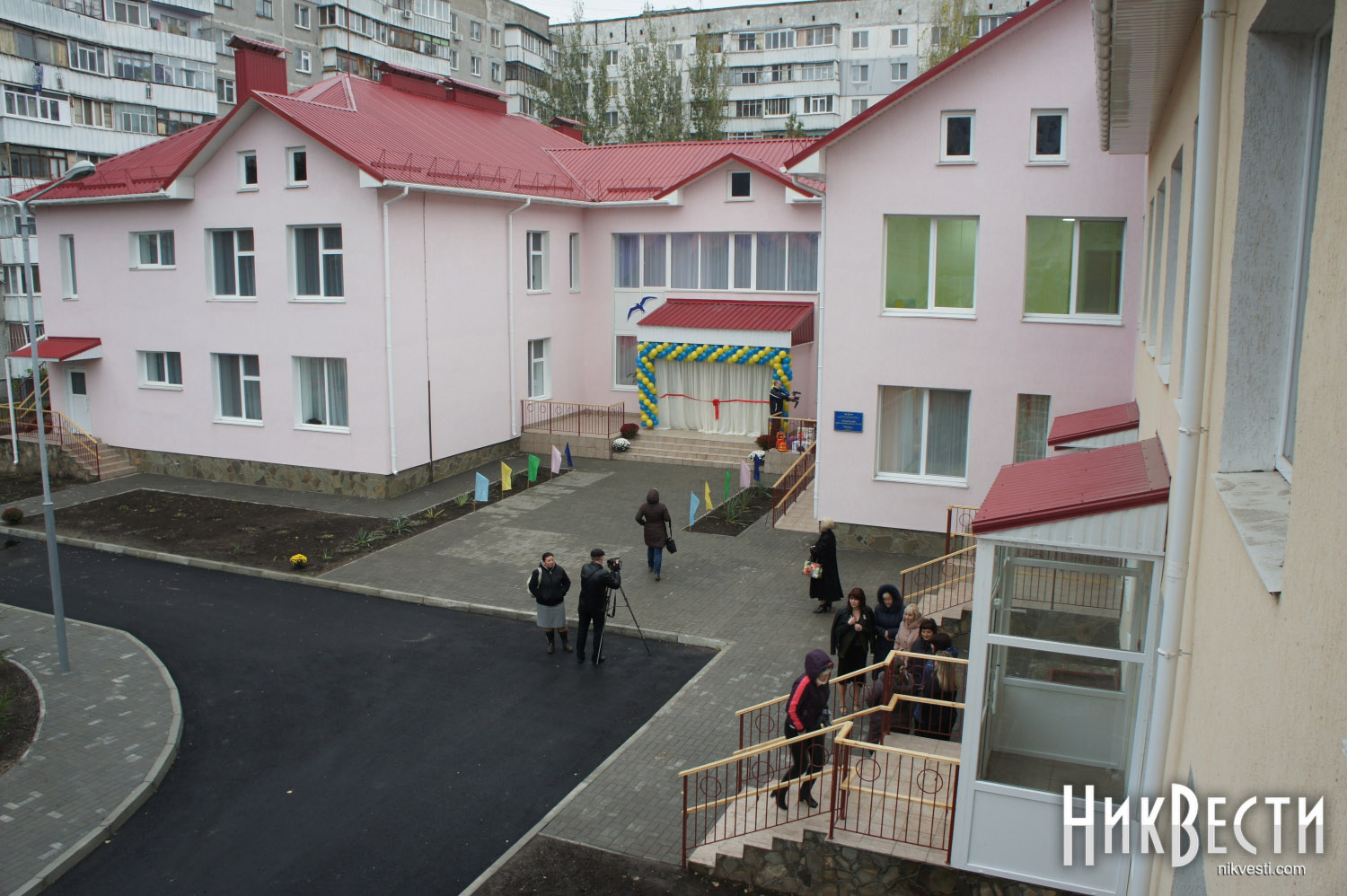 Nursery No. 143 in the Namyv neighbourhood
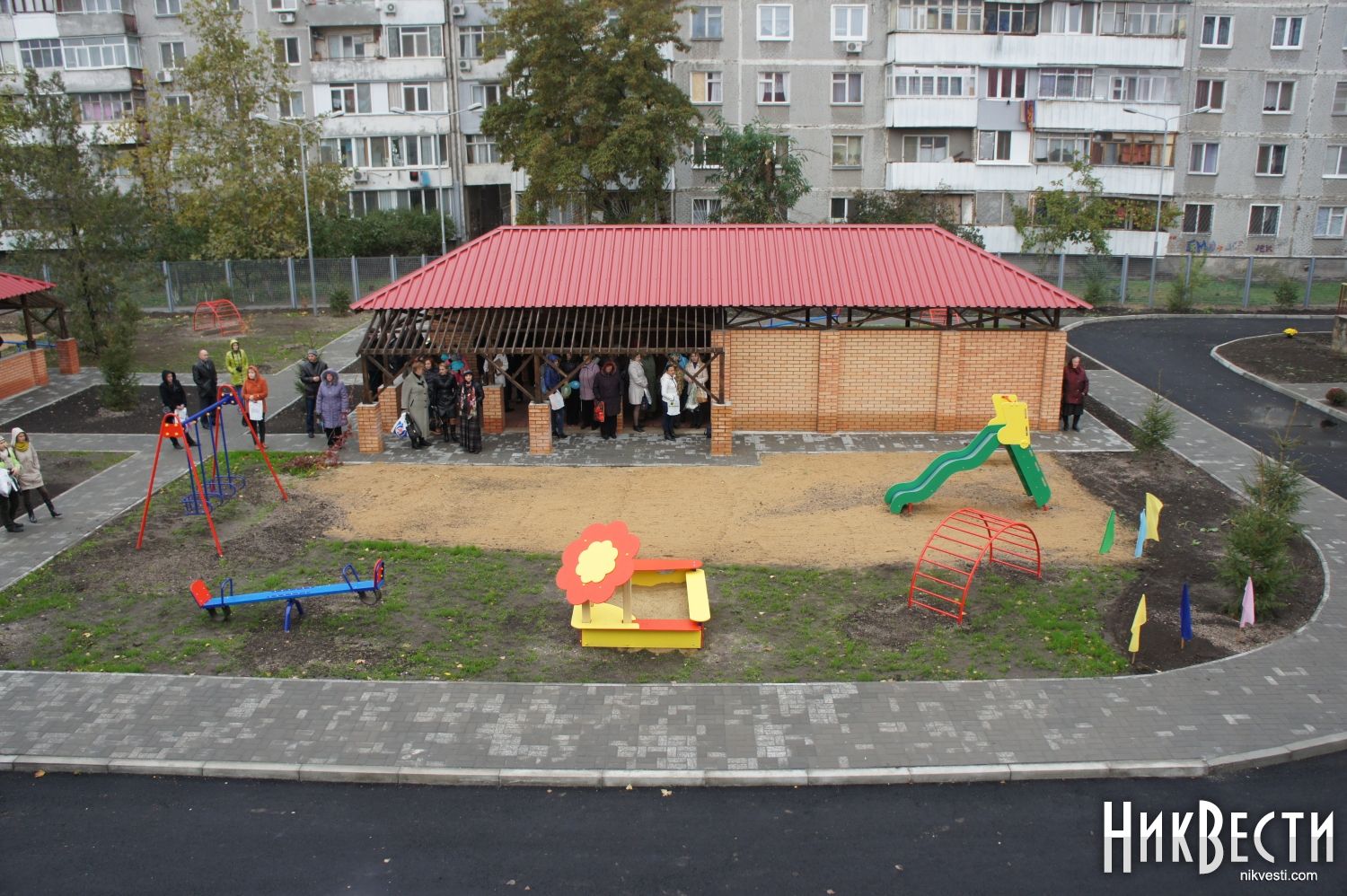 Kindergarten No. 143 in the Namyv neighbourhood
Separately, Hranaturov mentioned the construction of the kindergarten in Namyv — the 143rd facility, which was effectively rebuilt from scratch in 2014. According to him, the facility was fitted with modern technological solutions, including thermal insulation, and was opened at the end of the year.
«It even went as far as the Constitutional Court and the Supreme Court, but we returned over 10 kindergartens to municipal ownership. For various reasons, they had ended up in the statutory funds of enterprises and were on the verge of privatisation, and some had even already been privatised... But each of these kindergartens underwent such refurbishment. And these nurseries were given a new lease of life, becoming modern facilities that meet all sanitary and hygiene standards and requirements regarding floor space and fittings,» said Yurii Hranaturov.
At the same time, he noted that further plans to build a new nursery in the Pivnichnyi neighbourhood were not realised. The project, which cost around 1 million hryvnias, was not continued, in his view, due to a change in approach by the city authorities.
«Of the new ones, this was the last nursery school that was, in principle, actually built and opened. And we were planning to build the next one and had designed a nursery school in the Pivnichnyi neighbourhood in Solyany. Around 1 million hryvnias was spent on the project. But, unfortunately, the new city council and the city administration at the time considered this project not modern enough. The site, which was on the waterfront, turned out to be something of a ‘crossroads’. And, unfortunately, the project was not implemented at the time. It was shelved, and it is likely still gathering dust there. Although a new design in a very original form was produced back then,» added Yurii Hranaturov.
Yurii Hranaturov emphasised that the number of nurseries directly affects city life: if there aren’t enough of them, it’s harder for people to stay in or move to Mykolaiv.
«In my experience, when we crossed the threshold of the 2000s, and instead of empty nurseries there was a catastrophic shortage of them, because the city began to revive economically, to develop, and people began to return and move in — well, this is, in essence, like air. It is one of the most important social components. It is a social standard that is critically necessary for people to want to live here, work and pursue their favourite activities in their city. It is impossible without it,» he noted.
Why does Mykolaiv want to close three nurseries?
The Mykolaiv Education Department has initiated a decision to close three nurseries: №104 (a nursery on Torhova Street in the Korabelnyi district), №128 (a nursery-kindergarten at the junction of Mariupolska and Pavlo Skoropadskyi Streets (formerly Admiral Makarov Street)) and №138 (a nursery-kindergarten on General Popel Street in Balabanivka). The official reason is the lack of and impossibility of installing shelters. This means that if the motion is passed at the session, there will no longer be such educational establishments in Mykolaiv, and their total number will decrease.
During the committee meeting, the chair of the education committee, Hanna Nord, stated that it is the institutions themselves that are being proposed for closure, whilst the buildings will remain the property of the city.
And following the closure of the three pre-school educational establishments, initiated by the Mykolaiv Education Department, the Municipal Property Management Department and the City Council will decide how to use them.
What do city councillors think about the closure?
Councillor Olena Kiseliova supported the rationale for closing the preschools, stating that it is not cost-effective for the city to maintain them. She says that behind the closure lies a broader issue than the fact that they lack shelters and it is impossible to build them there. During the war, the institutions have been idle, but all this time it has been necessary to maintain the buildings and staff.
Councillor Artem Iliuk stated that he could support the legal closure of the three kindergartens, but said he would not support the subsequent privatisation of these buildings.
Tamila Buhaenko, former deputy mayor of Mykolaiv, also commented on the Education Department’s proposal to close the three nurseries. She believes this could lead to a shortage of places in pre-school facilities once the war ends.
