
Additional classrooms have been opened on the upper floor of the health centre due to an increase in pupil numbers in a village in the Mykolaiv region
-

- Darina MelnychukCorrespondent
-
 2000 +
This content has already been viewed by over 2,000 visitors
2000 +
This content has already been viewed by over 2,000 visitors
-
 Prefer on Google
-
2K
This content has already been viewed by over 2,000 visitors
-
Prefer on Google
In the village of Zavodske in the Mykolaiv region, classrooms have been opened on the second floor of the local health centre. A modular school had previously been operating in the community, but the educational facilities have been expanded due to an increase in the number of students.
This was reported by a correspondent for NikVesti.
The village of Zavodske (formerly Pervomaiske) was in a combat zone and under partial occupation for eight months. Due to shelling, all educational establishments in the village were destroyed or damaged. Of the more than 800 children who lived in the community before the full-scale war, only around 50 remained at the start of 2023.
After residents returned in 2023, the savED foundation set up the «Vulyk» educational centre in the clinic building. That same year, a shelter was established in the basement of a nearby residential building. In 2025, due to the increase in the number of children, a modular school was built. Six classrooms, a staff room and a toilet were fitted out there, and internet access, ventilation and alternative energy sources were provided.
Subsequently, the number of children in the community grew to over 200, so it was decided to expand the educational space. The second floor of the clinic was renovated and additional classrooms with a total area of 670 square metres were fitted out.
The renovation and fitting out of the clinic’s second floor cost over 10 million hryvnias, of which 8 million 787 thousand hryvnias went towards the renovation work and 1 million 604 thousand hryvnias towards the fitting out.
Anna Putsova, co-founder of the savED charity foundation, explained that creating such temporary educational spaces allows children to continue their education in safe conditions, even if full-scale schools have been destroyed or have not yet been restored.
«A temporary educational space is a modular structure that provides all the necessary conditions for learning in both warm and cold weather. This solution ensures that the learning process continues. The additional spaces enable older children to attend in-person lessons more frequently, have more classes, and also provide the opportunity to organise meals. This means more opportunities for children to attend school in fewer shifts and spend more time together,» said Anna Putsova.
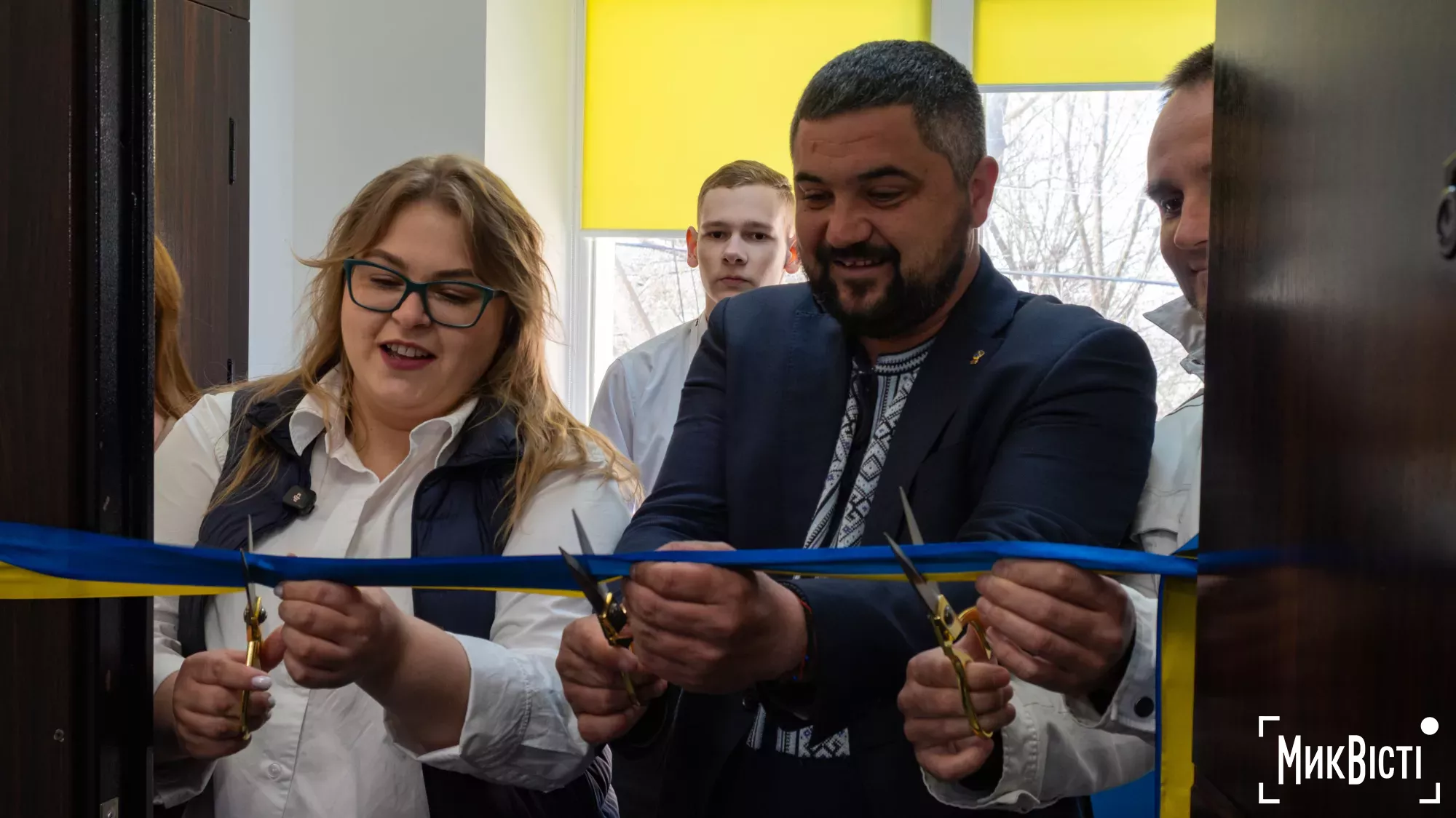 Anna Putsova, co-founder of the savED charity. Photo: NikVesti
She added that lessons have been organised in a blended format: students attend classes in person and remotely on a rotating basis. Every day, around 80 children are brought to the school by school buses from the surrounding villages.
Primary school teacher Liudmyla Komisarenko explained that after a long period of remote learning, returning to school was an important step for both the children and the teachers, as it provided an opportunity to resume face-to-face interaction and the familiar learning process.
«Learning has changed for the better because the children now have the chance to interact face-to-face. When we first returned — having studied remotely for three years prior — we arrived at school and hugged, kissed, cried and laughed. It was a very emotional day. Then we began to get used to the fact that we had to study at school, as there is a completely different discipline and routine here: lessons, timetables, bells — everything happens differently. And the children have got used to it. Now they want to go to school,» says Liudmyla Komisarenko.
At the same time, she noted that the number of children at the school has fallen due to the war, as some families have left the community because of the fighting and shelling.
«There are fewer children because of the occupation and constant shelling — many people have left. But even now, with 12 children in the class, that’s already good. I hope the village will be rebuilt and the children will return,» the teacher shares.
The students’ parents say they feel more at ease about their children’s safety, as a shelter capable of accommodating all studentls and staff has been set up next to the school premises.
«It was worrying at first, but once the shelter opened, things became calmer. During an alarm, all the children go down to the shelter with their teachers. So I’m more or less at ease about their safety,» says Marharyta Zakryzhevska, mother of two students.
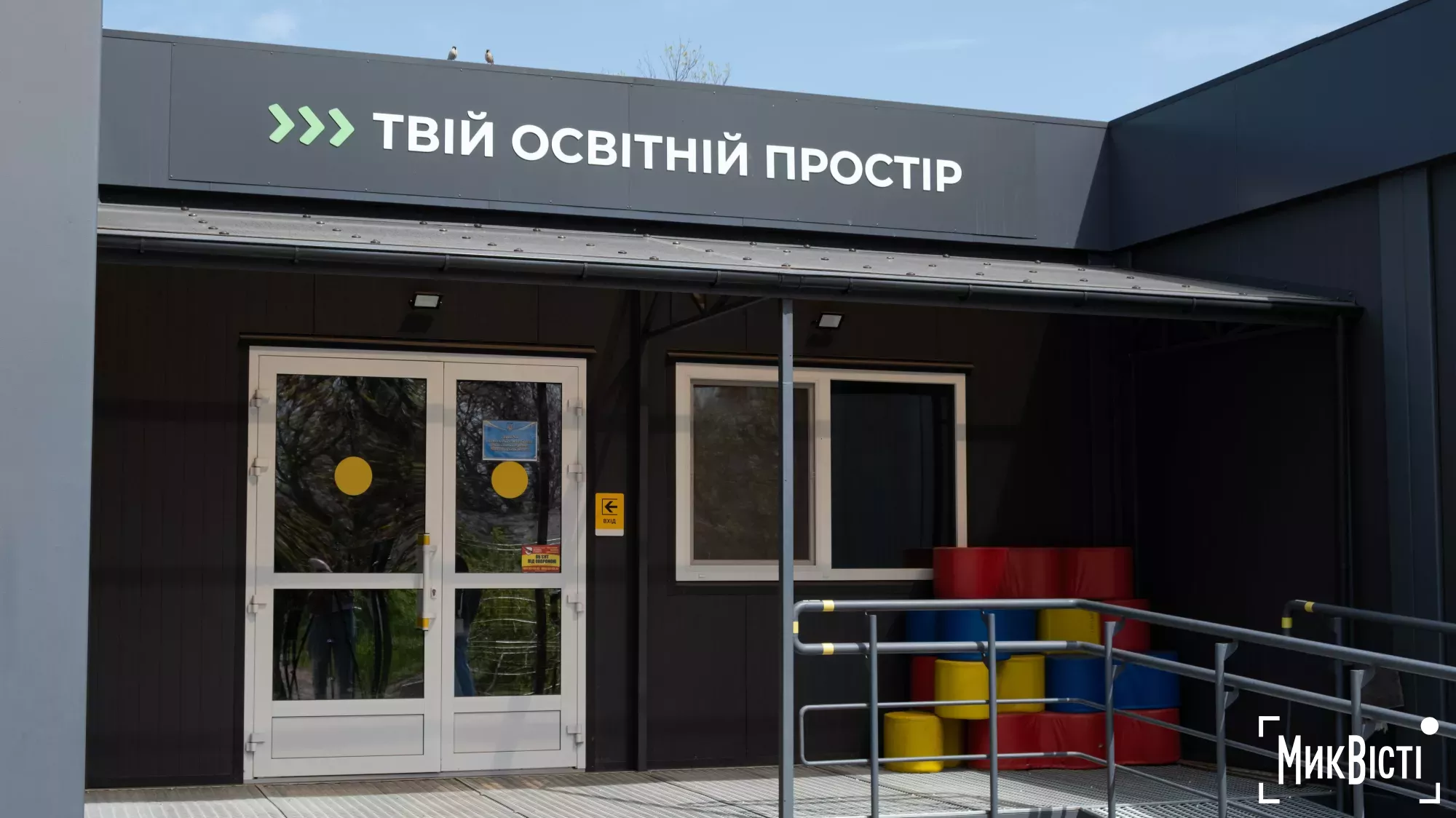 A modular school in the village of Zavodske in the Mykolaiv region. Photo: NikVesti
The students also say that returning to face-to-face learning has given them the chance to socialise with their classmates and teachers again.
«I really enjoy going to school because there’s now real interaction and friends. During breaks, we chat, draw or do our homework. After lessons, we study remotely at home. It’s convenient and interesting,» says student Yana Zakryzhevska.
«We studied at a modular school, and that was very important because it brought back face-to-face interaction. After several years of distance learning, it was a very emotional experience. Now, being able to go to school is really cool,» adds school president Sofiia Kontserenko.
Vitalii Kim, head of the Mykolaiv Regional Military Administration, explained that not all communities can benefit from state reconstruction programmes due to insufficient numbers of children, so international partners and charitable organisations play a vital role in creating educational spaces.
«There are state reconstruction programmes that provide for the creation of hub schools. But small settlements often do not meet these requirements due to the number of children. That is why we are asking our partners to help precisely those communities that cannot rebuild their infrastructure on their own,» he noted.
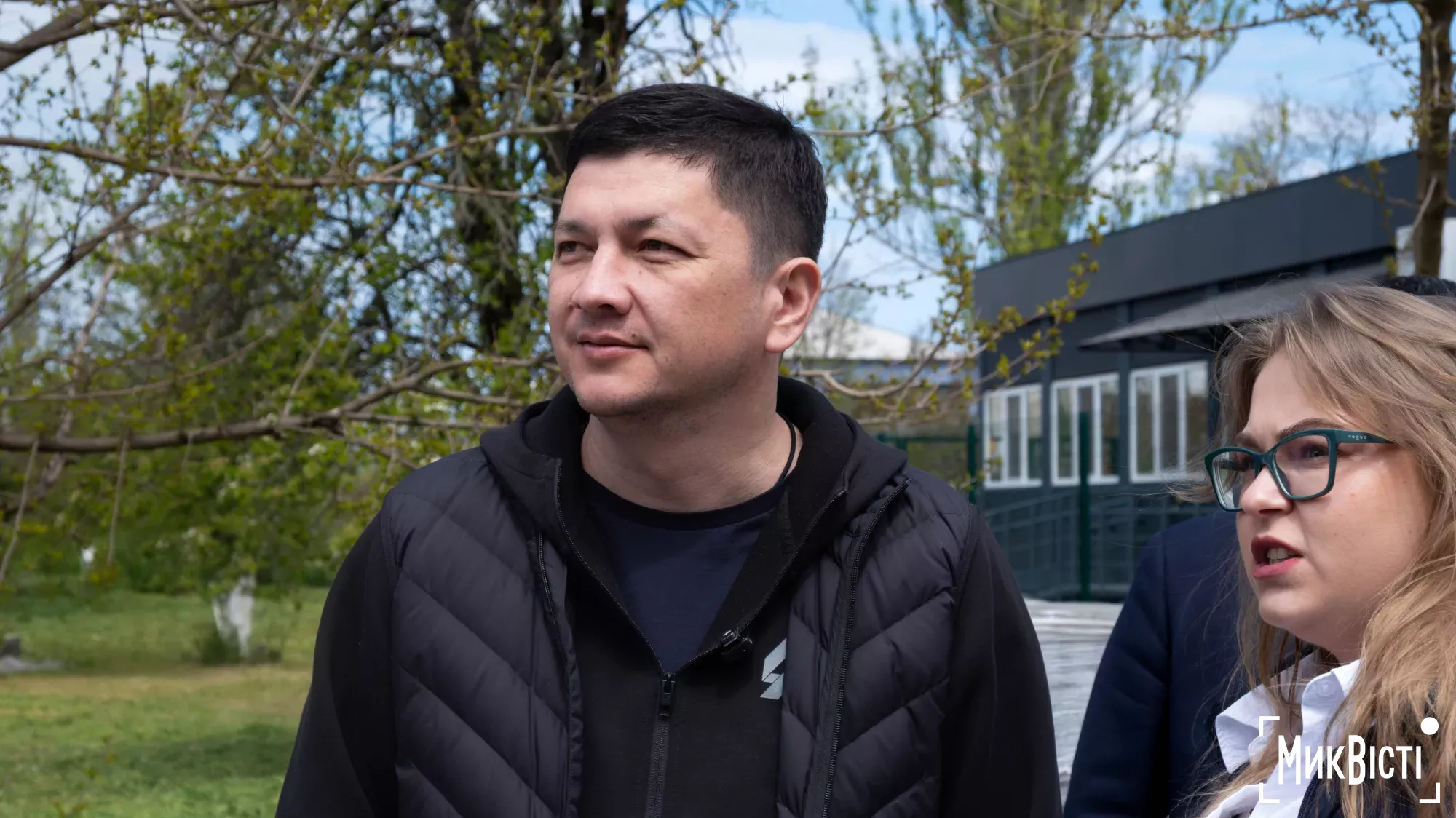 Vitalii Kim, Head of the Mykolaiv Regional Military Administration. Photo: NikVesti
He added that such educational spaces become important hubs of community life and help to rebuild social ties.
«Opening such spaces is very important for small settlements. They effectively become community hubs where learning and socialising take place. When one community achieves results, others also begin to get more actively involved and strive to implement similar projects,» said Vitalii Kim.
Photo report
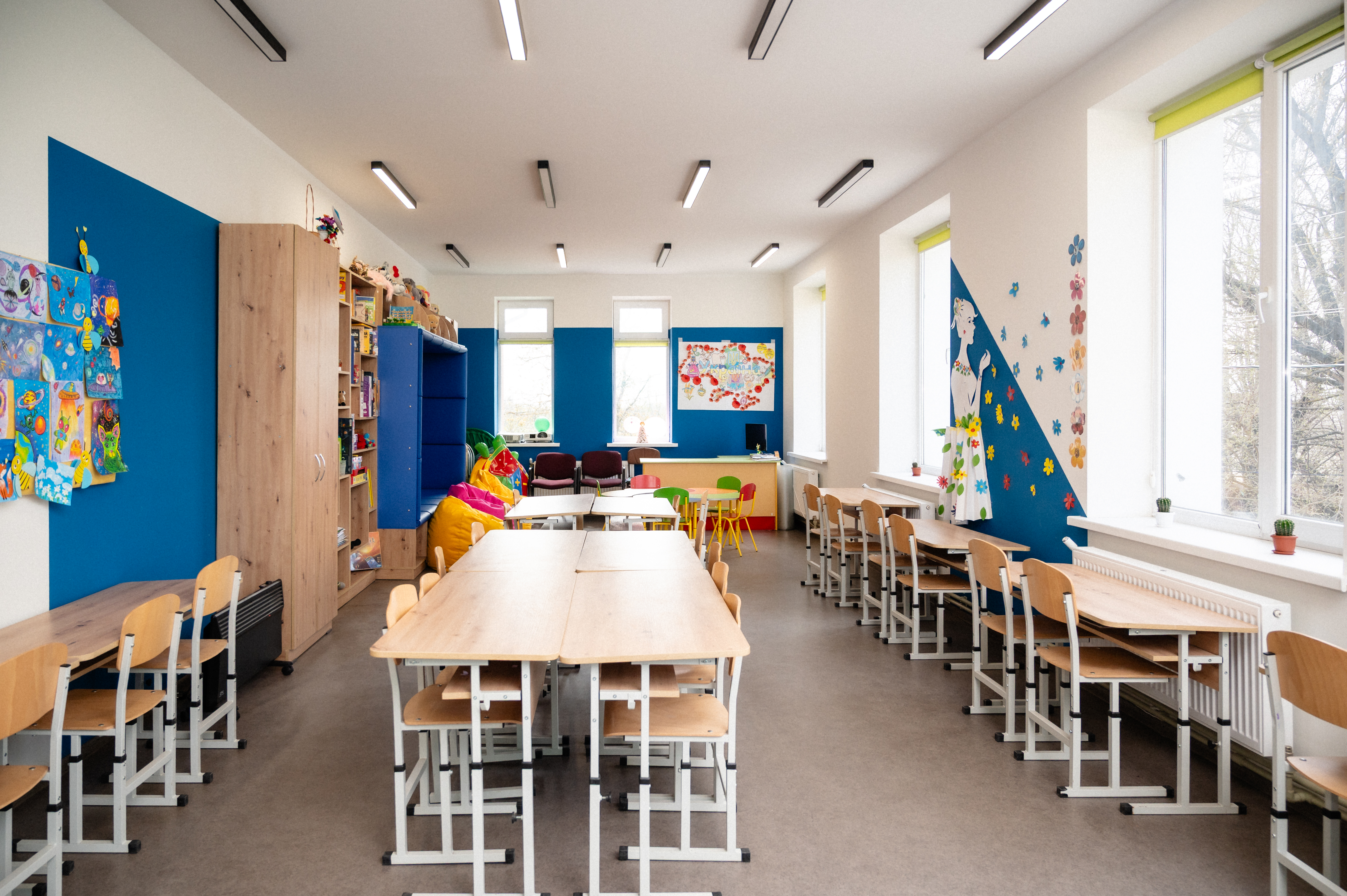 Opening of a school in the clinic building in the village of Zavodske. Photo: Svitlana Koval
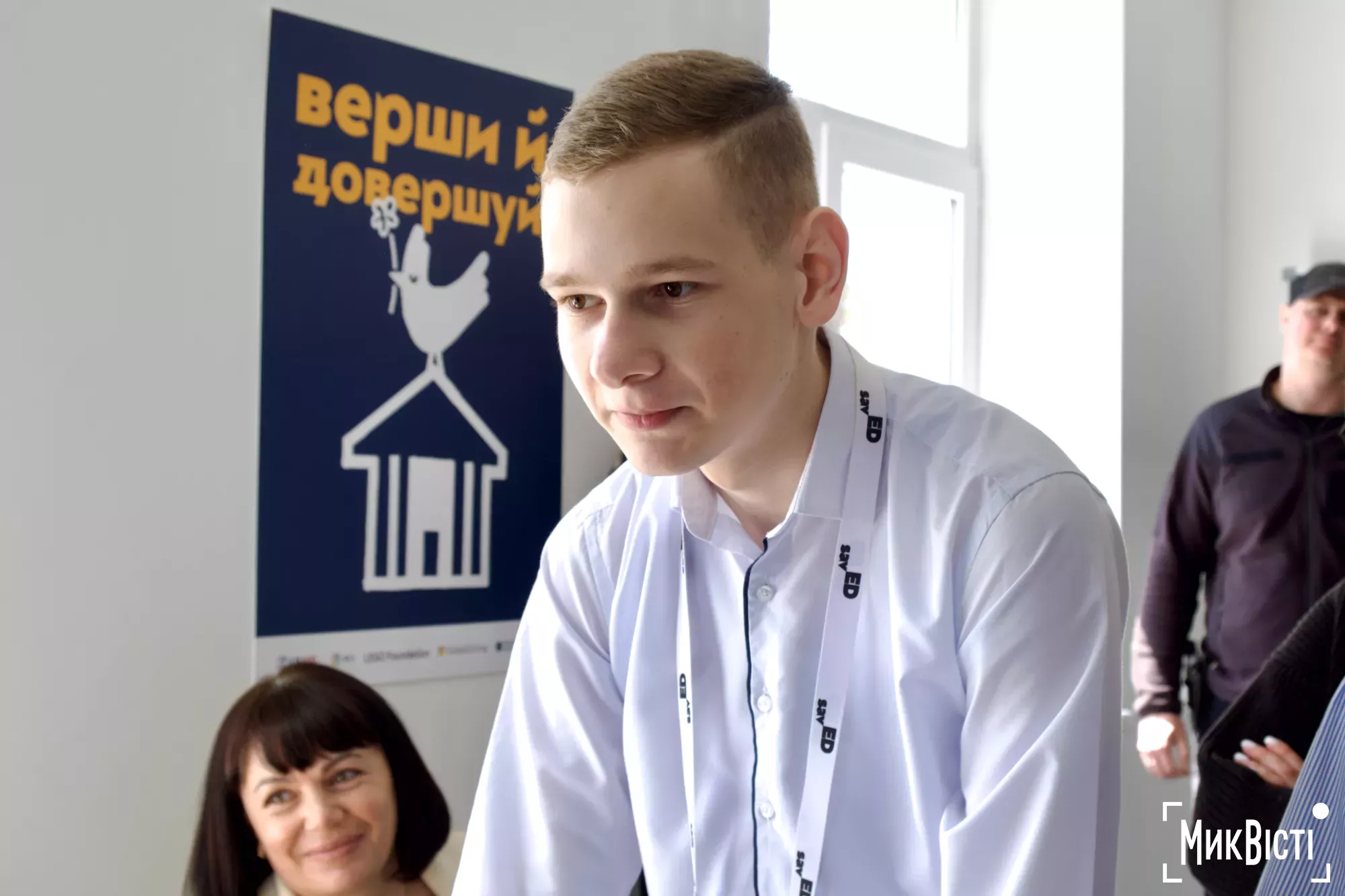 Opening of a school in the clinic building in the village of Zavodske. Photo: NikVesti
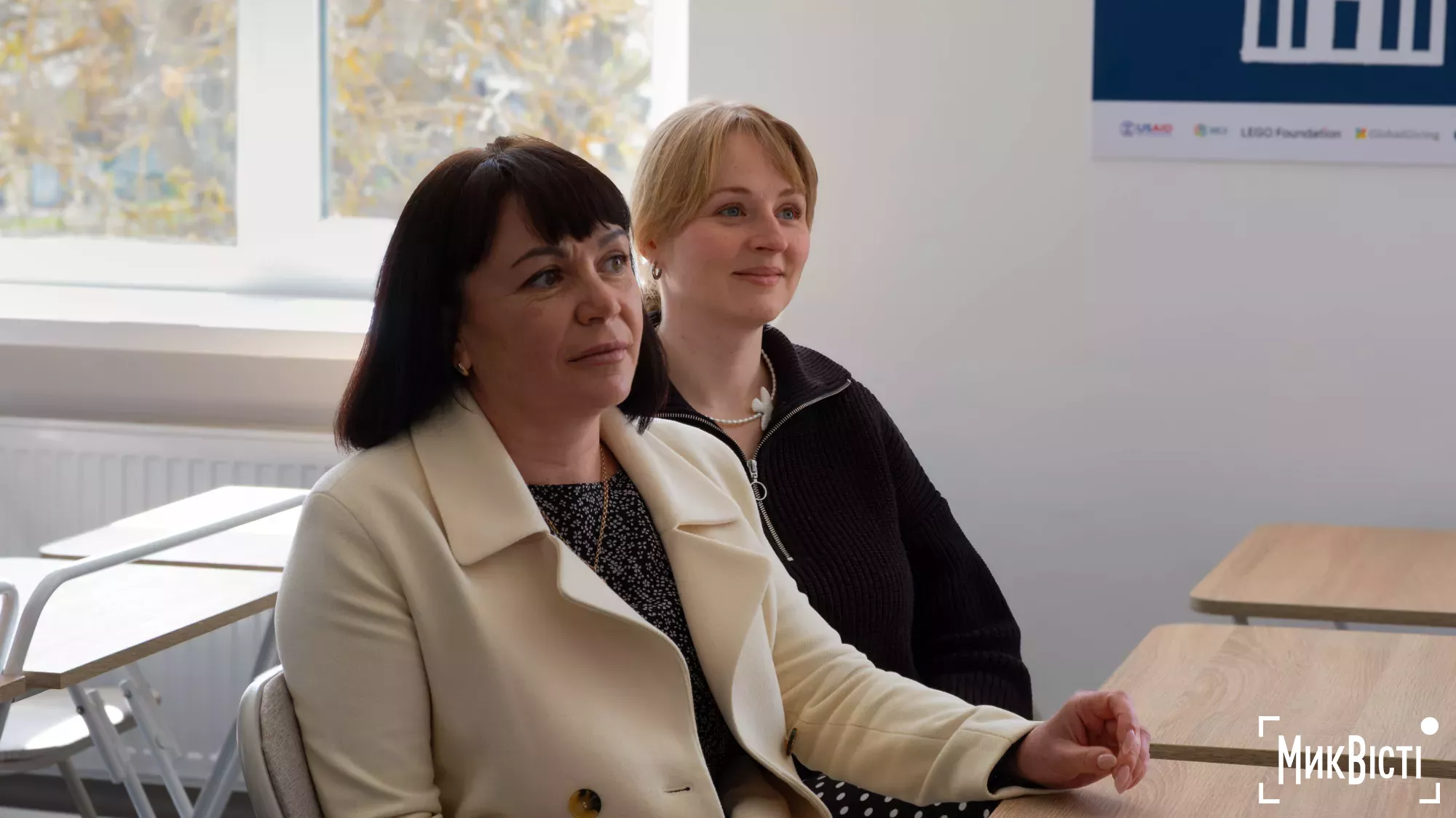 Opening of a school in the clinic building in the village of Zavodske. Photo: NikVesti
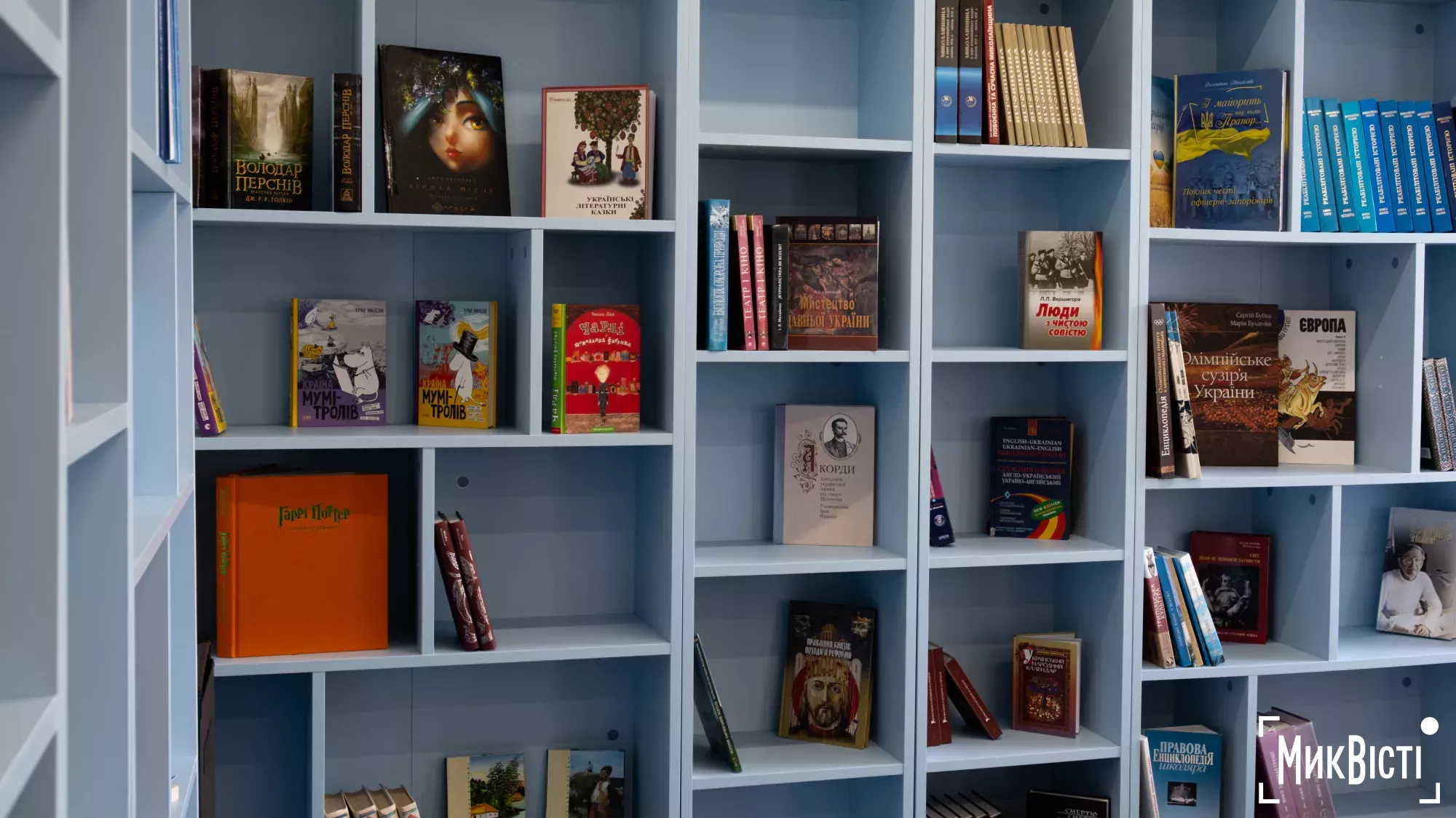 Opening of the school in the clinic building in the village of Zavodske. Photo: NikVesti
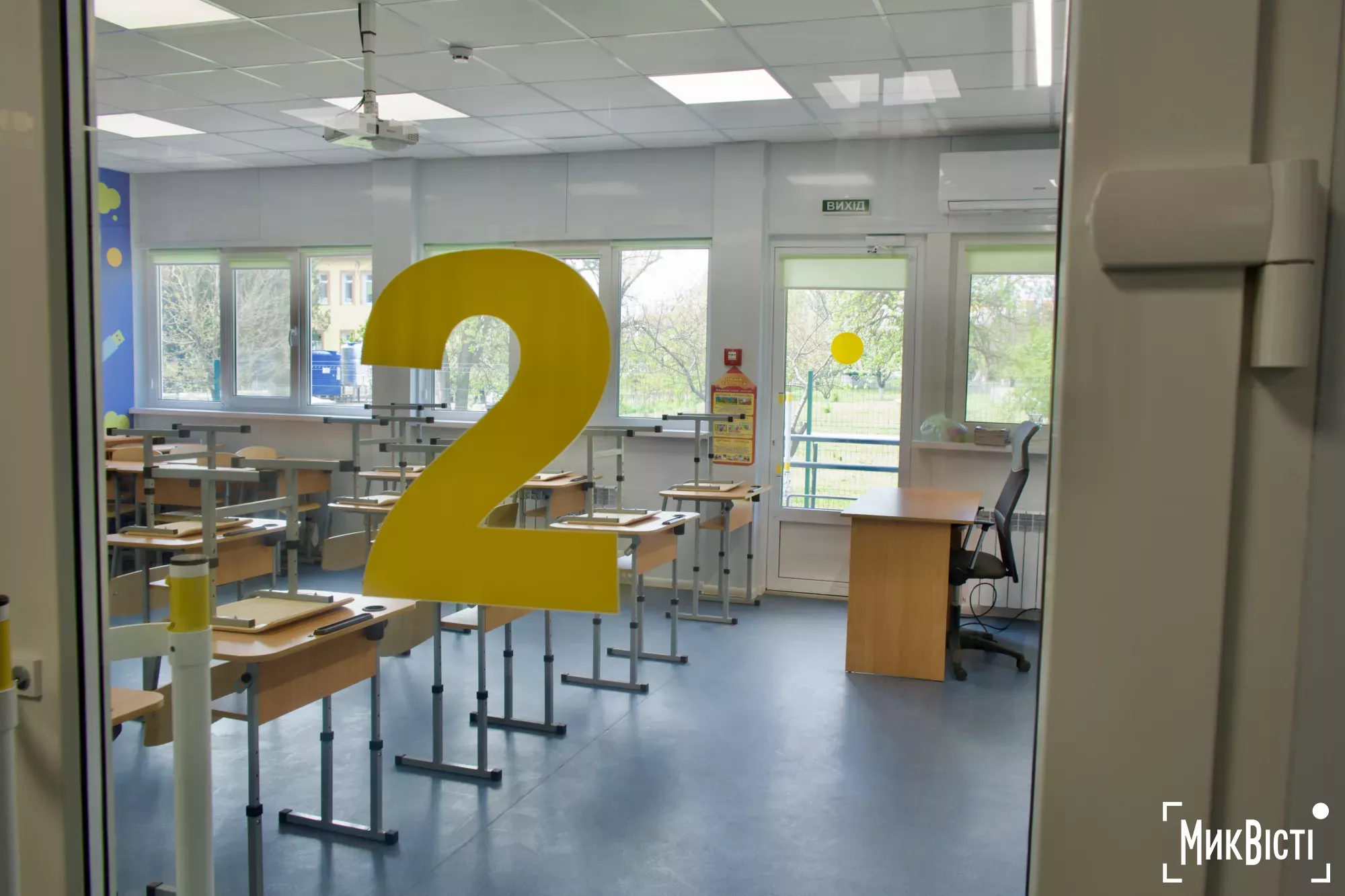 Opening of the school in the clinic building in the village of Zavodske. Photo: NikVesti
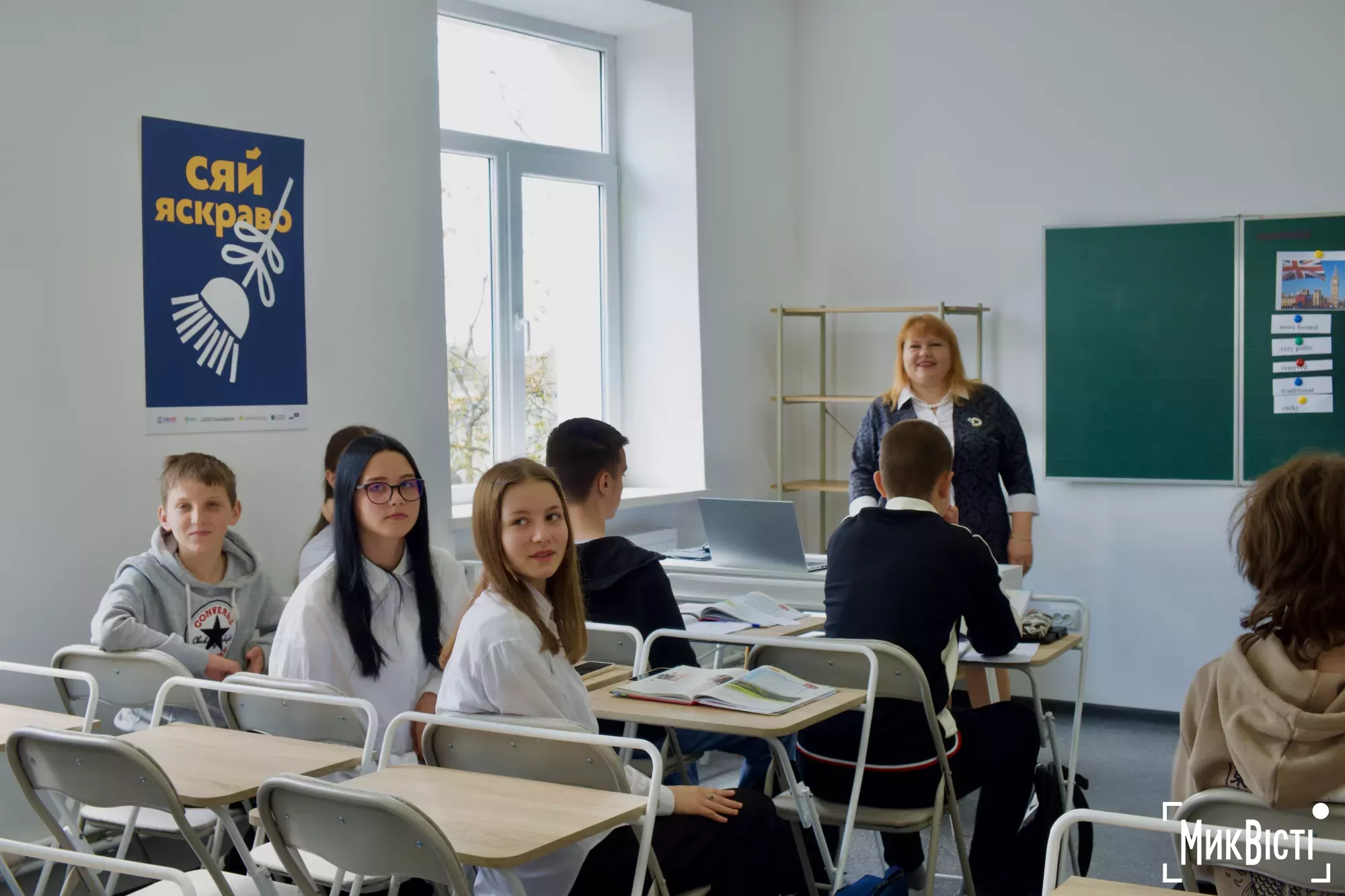 Opening of a school in the clinic building in the village of Zavodske. Photo: NikVesti
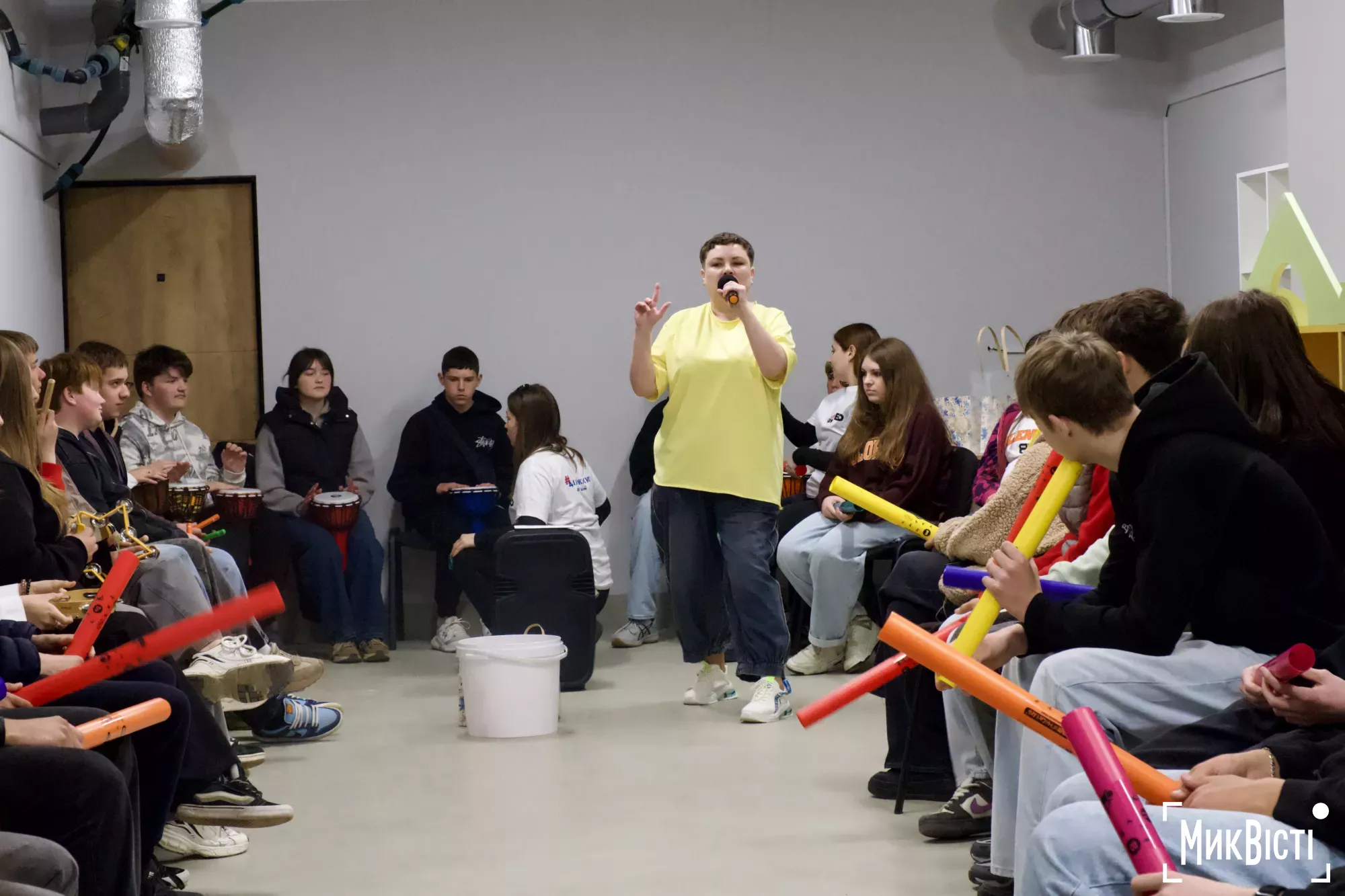 Opening of a school in the clinic building in the village of Zavodske. Photo: NikVesti
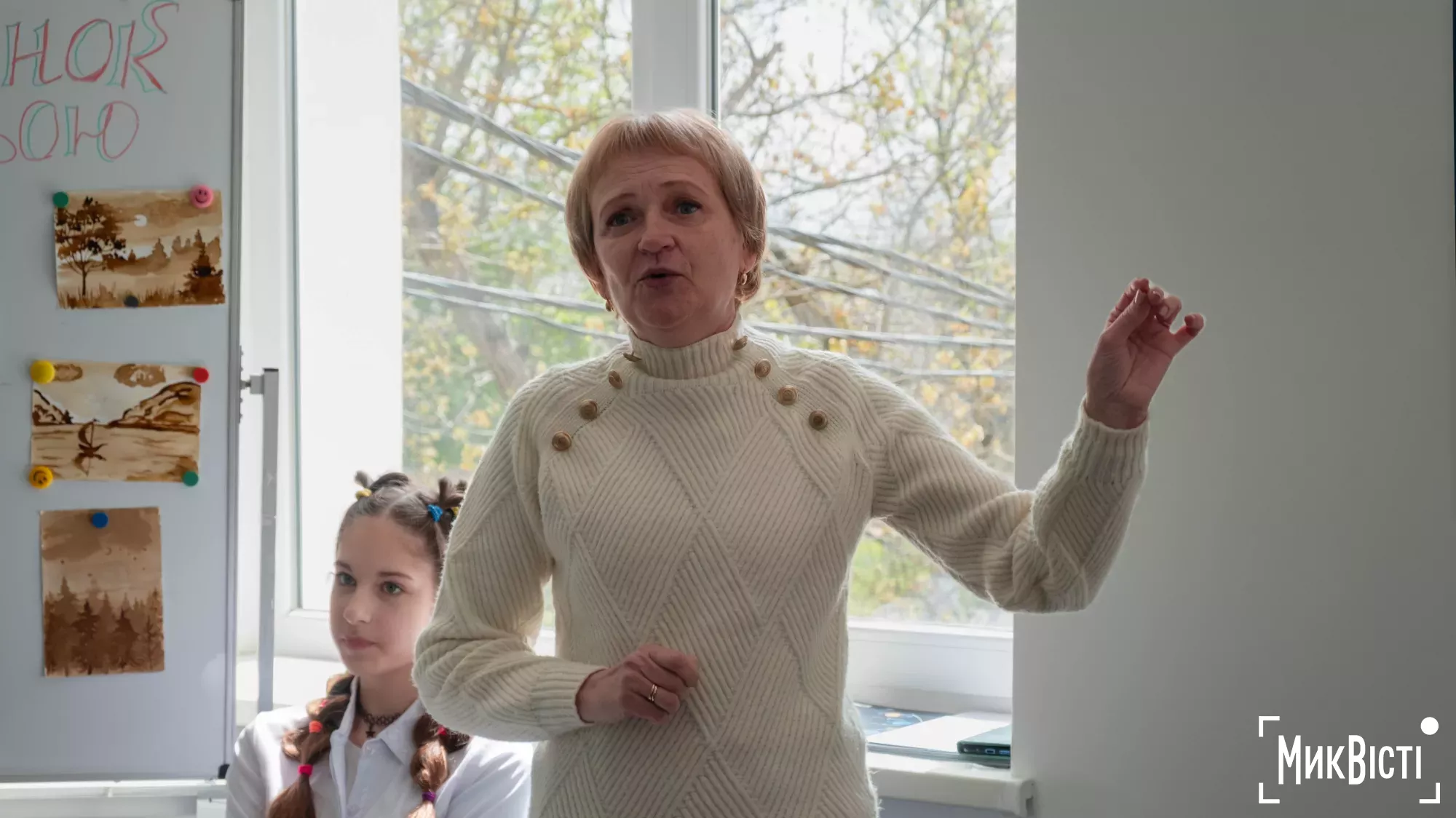 Opening of a school in the clinic building in the village of Zavodske. Photo: NikVesti
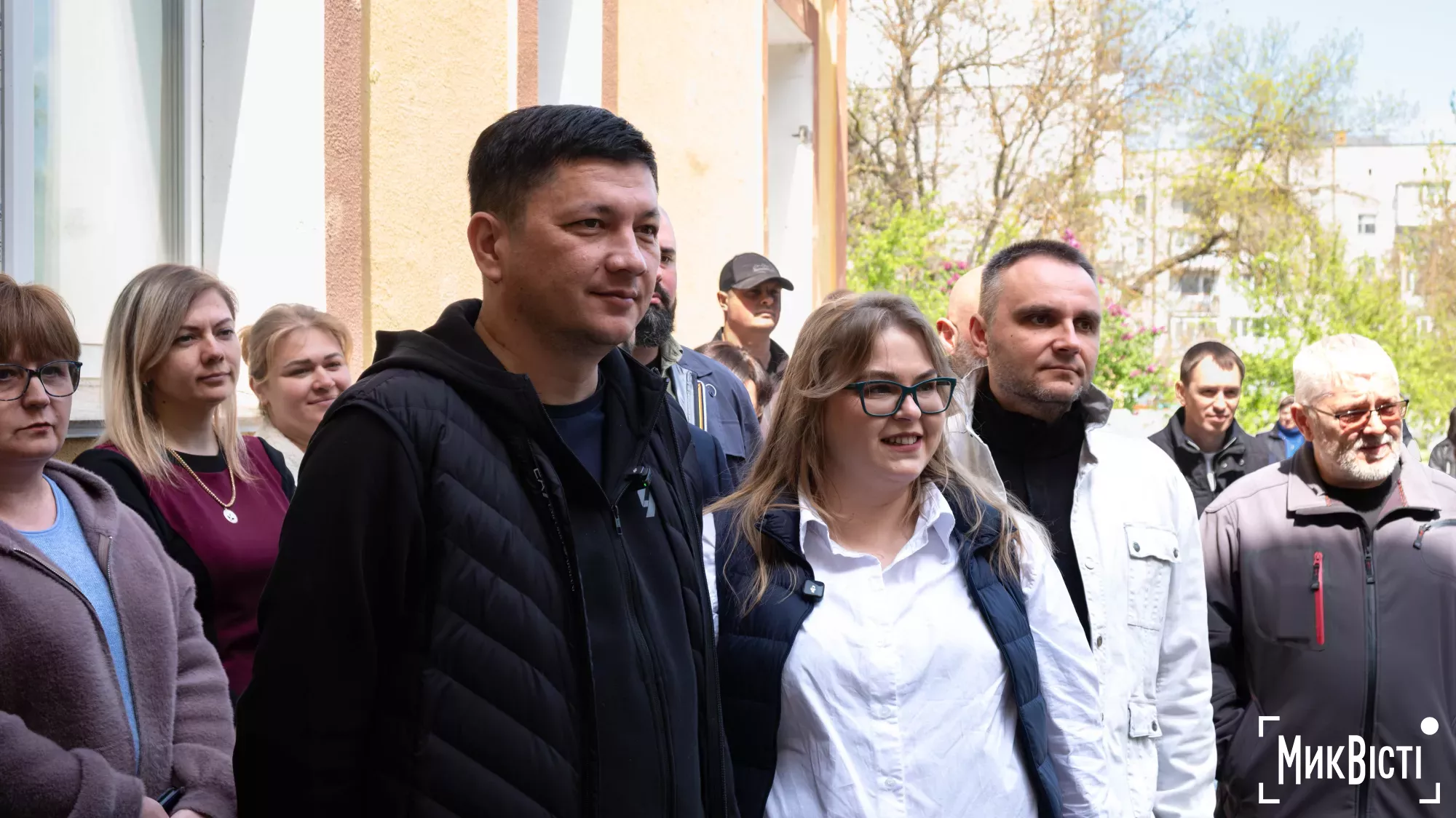 Opening of a school in the clinic building in the village of Zavodske. Photo: NikVesti
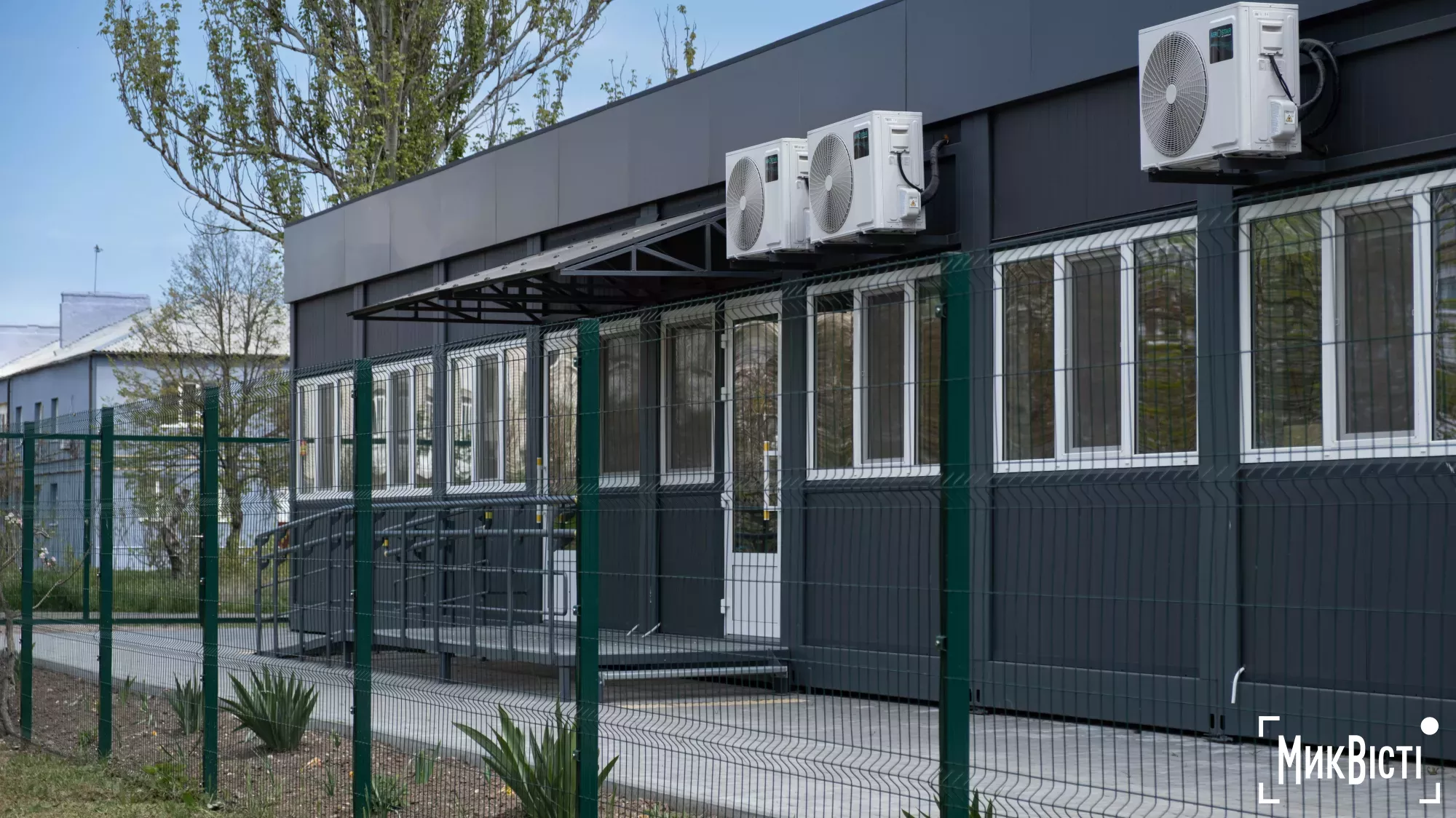 Opening of a school in the clinic building in the village of Zavodske. Photo: NikVesti
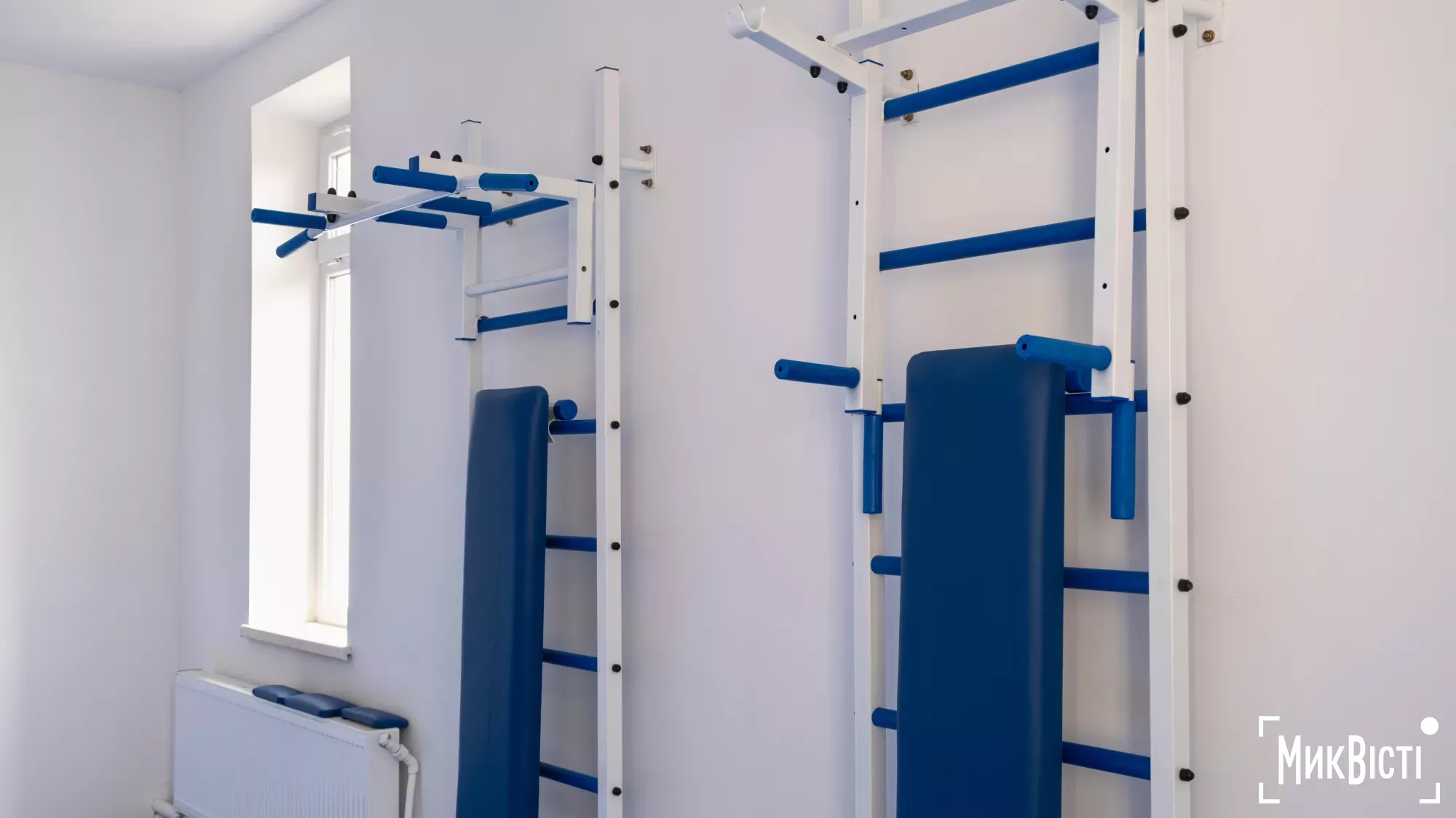 Opening of a school in the clinic building in the village of Zavodske. Photo: NikVesti
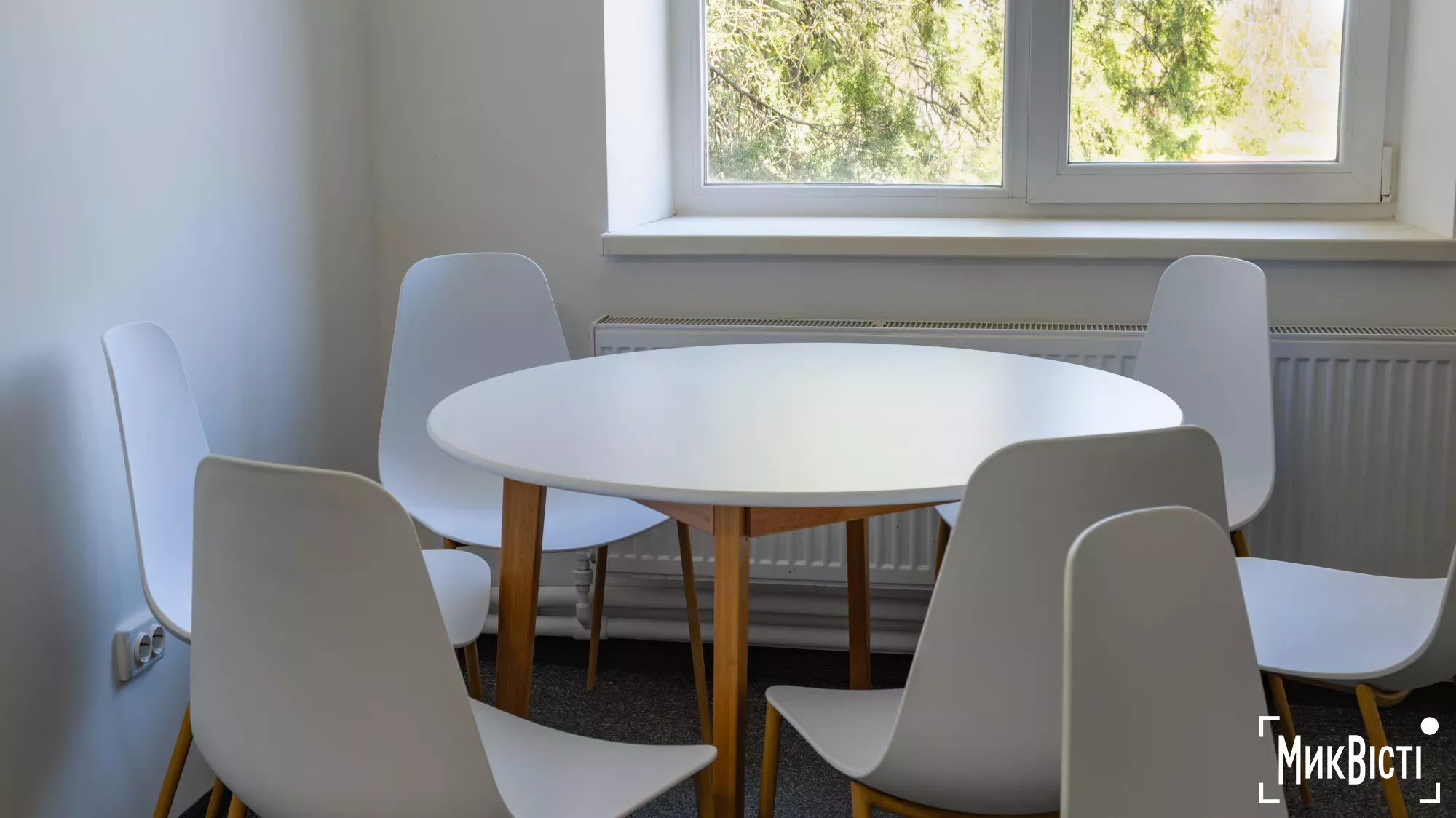 Opening of a school in the clinic building in the village of Zavodske. Photo: NikVesti
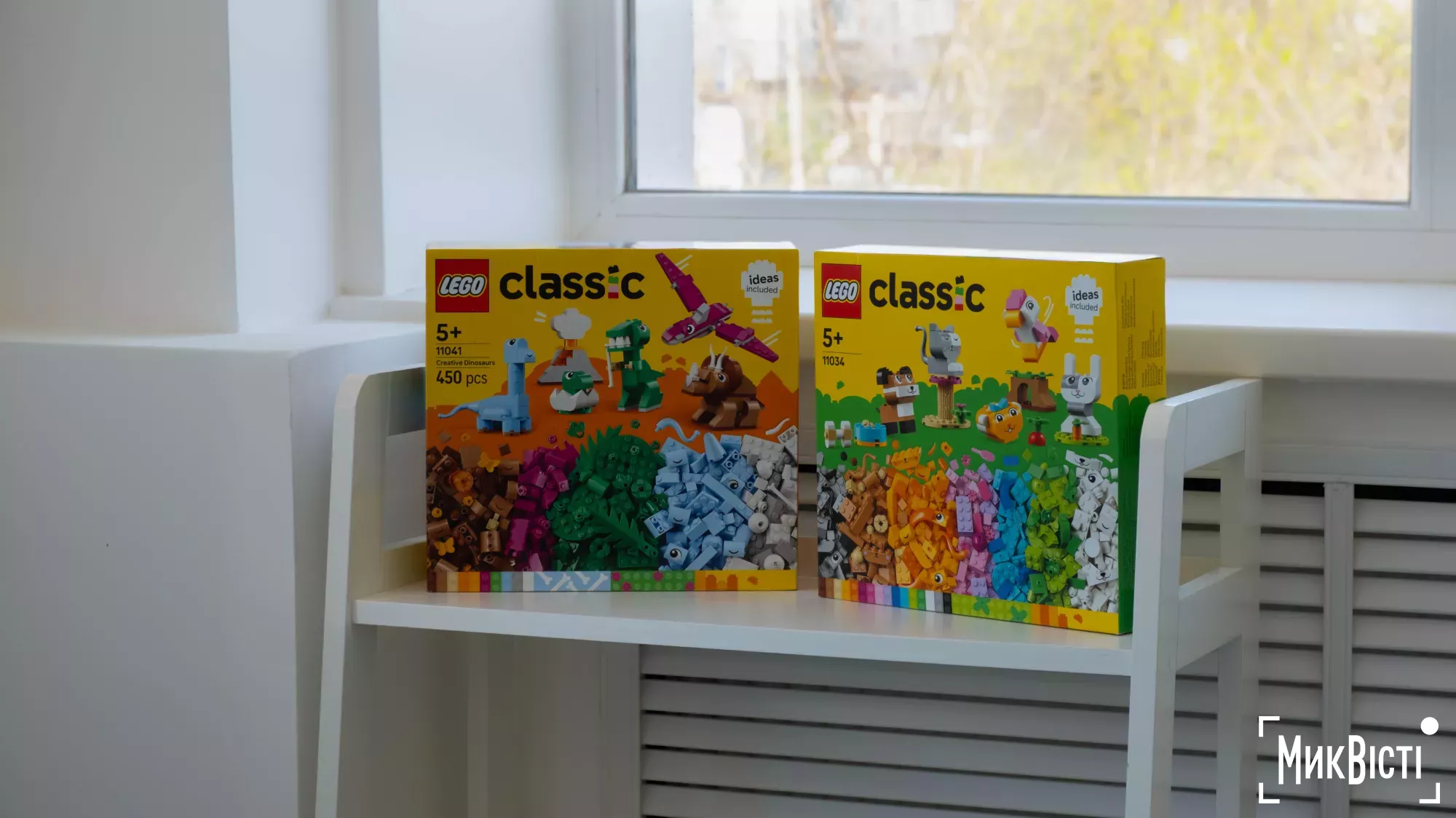 Opening of a school in the clinic building in the village of Zavodske. Photo: NikVesti
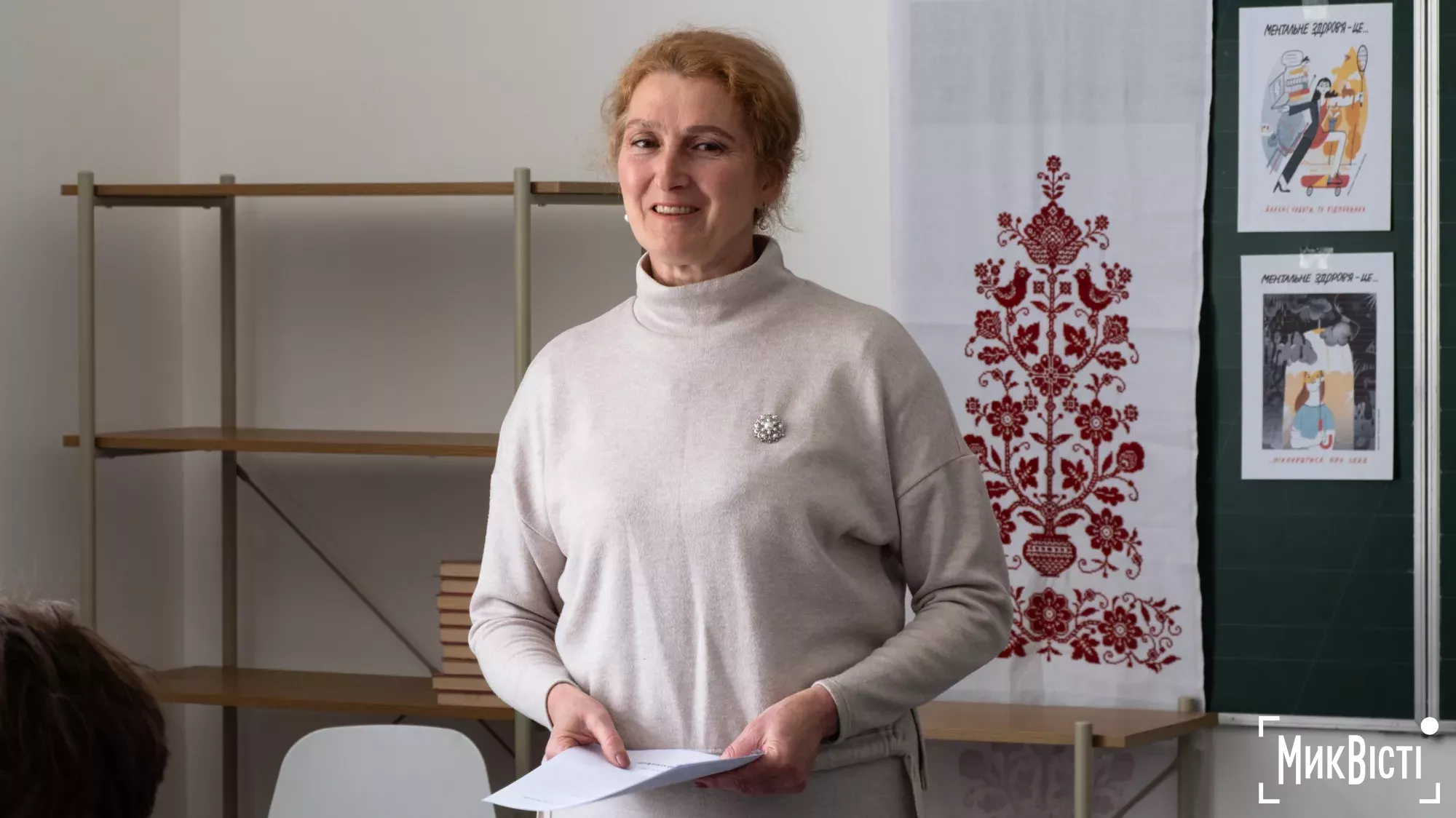 Opening of a school in the clinic building in the village of Zavodske. Photo: NikVesti
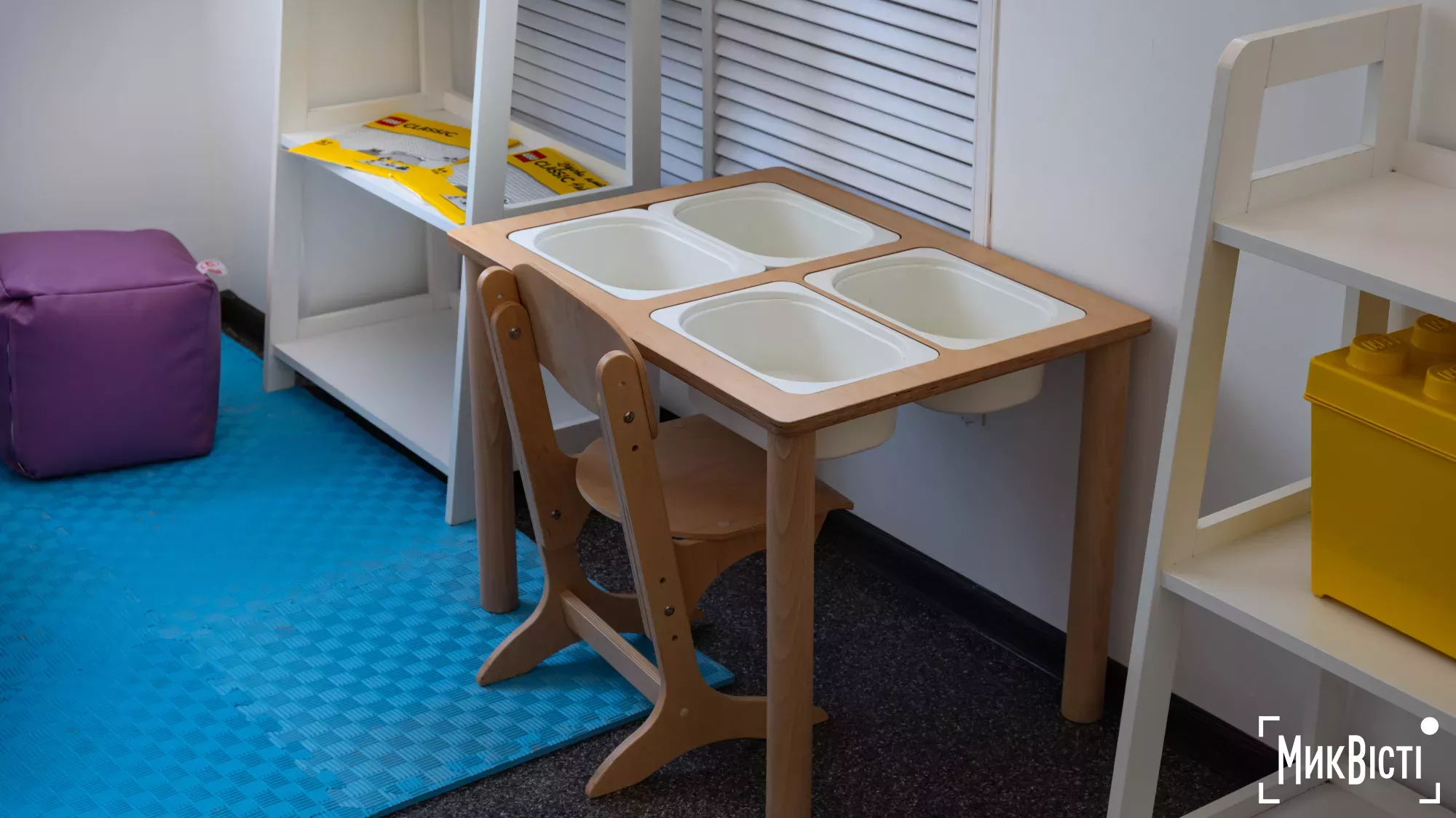 Opening of a school in the clinic building in the village of Zavodske. Photo: NikVesti
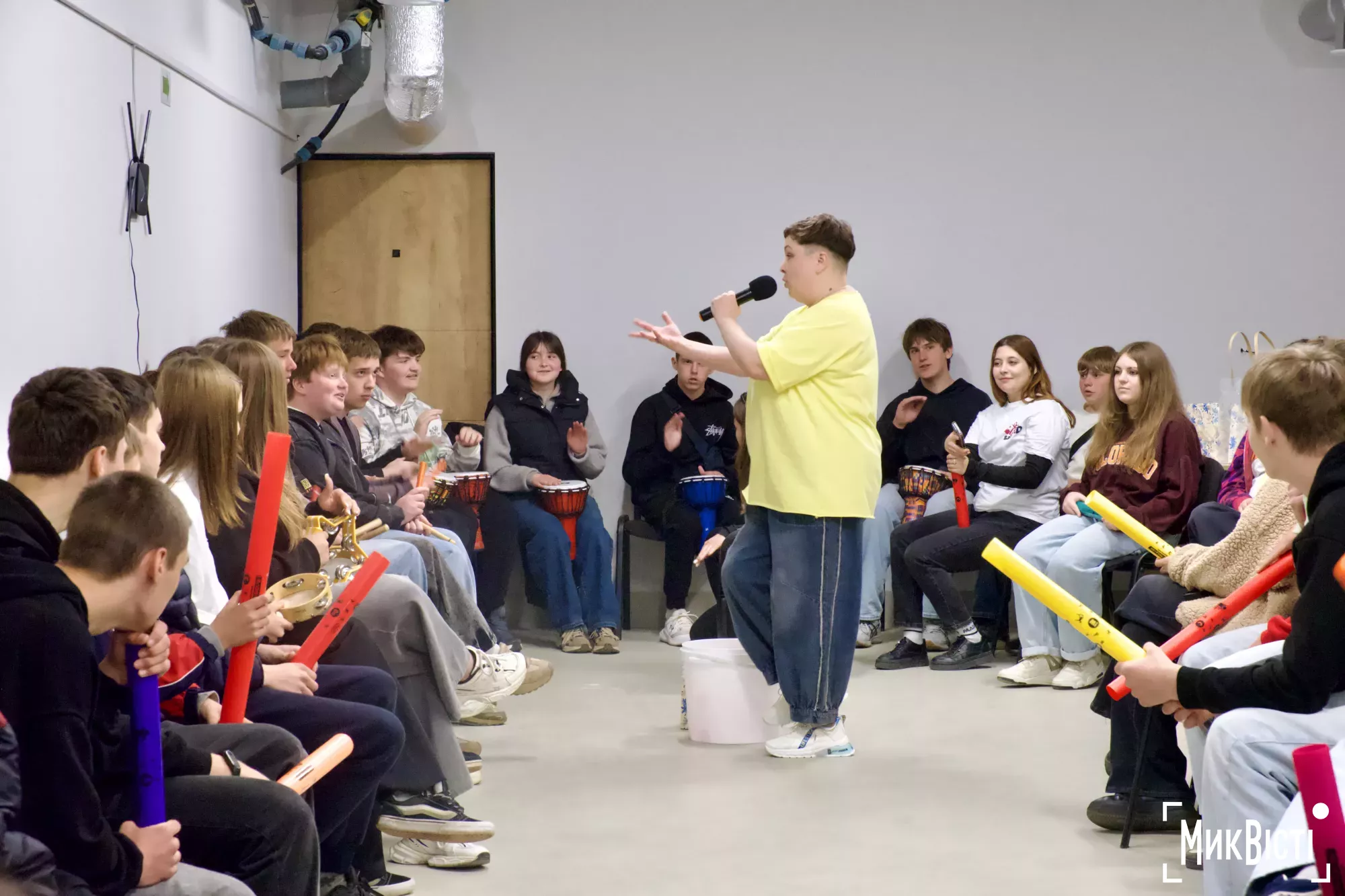 Opening of a school in the clinic building in the village of Zavodske. Photo: NikVesti
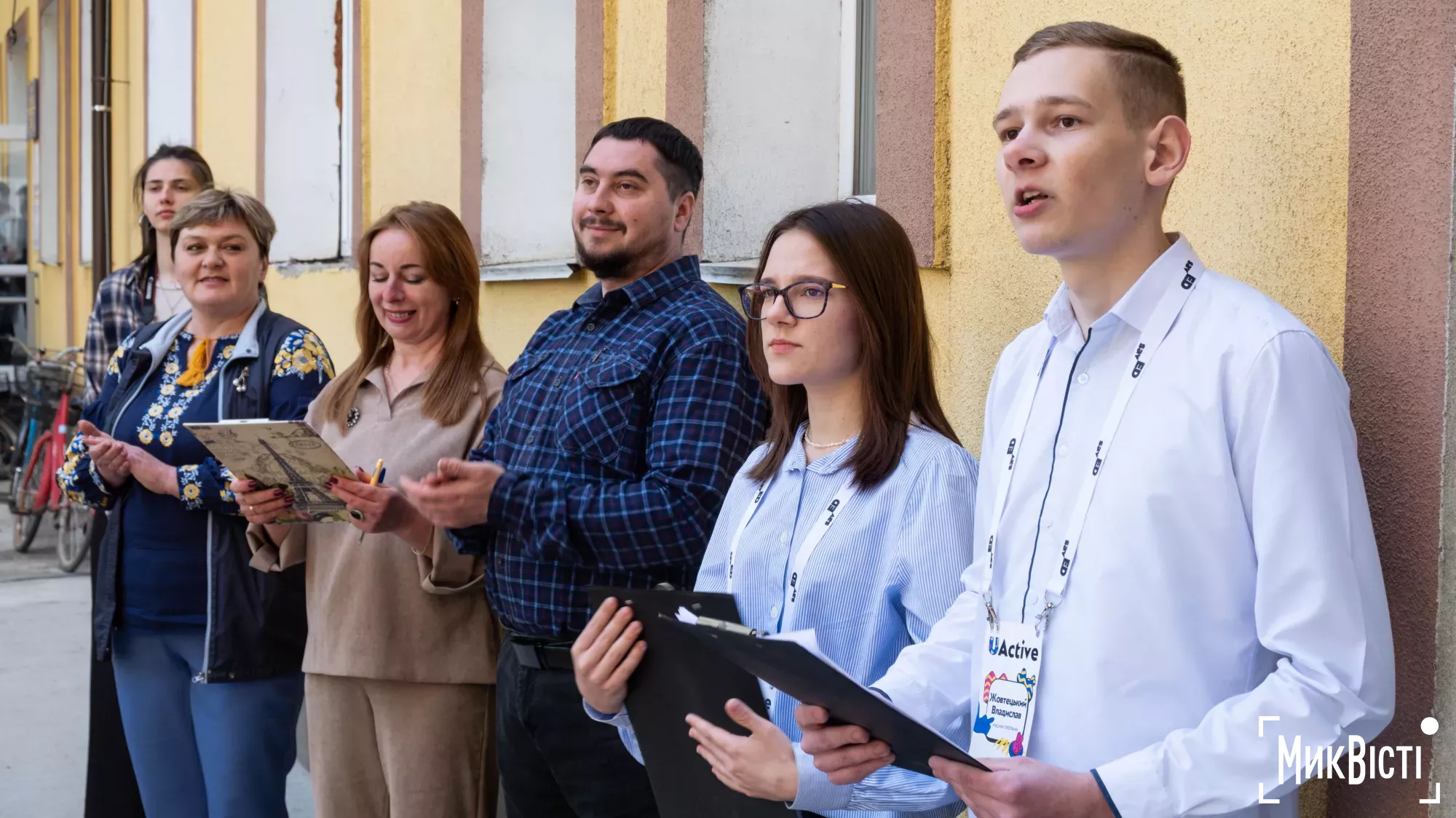 Opening of a school in the clinic building in the village of Zavodske. Photo: NikVesti
As a reminder, a STEM laboratory has been opened in Mykolaiv at the «Khvylia» youth centre. Young people can use the library, 3D printer, laser cutter, heat press, VR headsets and Sony PlayStation console free of charge, as well as take part in workshops and educational events.


This material was produced within the REACH – Media Partnerships for Accountability and Trust project, implemented by International Media Support (IMS) and supported by the Ministry of Foreign Affairs of Denmark. The content reflects the views of the authors and not necessarily those of the Danish government. Denmark’s support strengthens civil society and independent media in Ukraine, including in Mykolaiv.

