
168 families in the Mykolaiv region have received agricultural grants to develop their farms
-

- Julia LukyanenkoReporter
-
 5000 +
Impressive! This content has been viewed by more than 5,000 visitors!
5000 +
Impressive! This content has been viewed by more than 5,000 visitors!
-
 Prefer on Google
-
5K
Impressive! This content has been viewed by more than 5,000 visitors!
-
Prefer on Google
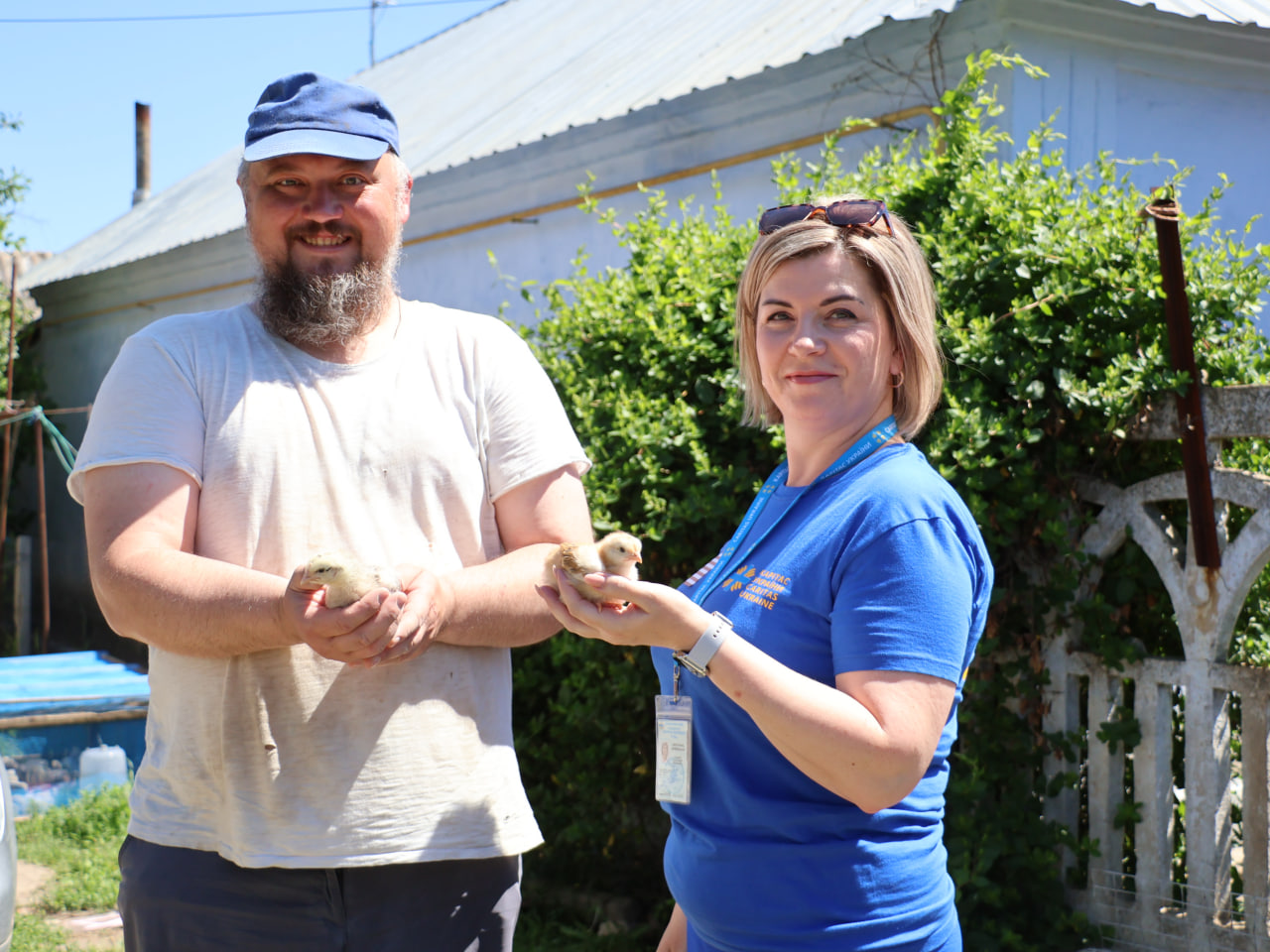 168 families in the Mykolaiv region have received agricultural grants to develop their own farms. Photo: ‘Caritas Mykolaiv UGCC’
Two communities in the Mykolaiv region — Bereznehuvate and Inhulka — have joined the project «Multisectoral Aid for War Victims in Ukraine». 168 families have already received agricultural grants to develop their own farms, whilst registration is still ongoing in another community.
This was reported to NikVesti by the «Caritas Mykolaiv UGCC» charitable foundation.
The project falls under the «Livelihood» programme, which provides agricultural grants to help people develop their own farms. It was launched in April this year. In the Mykolaiv region, the project is being implemented by «Caritas Mykolaiv UGCC» with the support of the US government through the US Department of State.
According to Anastasiia Poluektova, an agricultural expert with the «Caritas Mykolaiv UGCC» Charitable Foundation, the project has already been completed in two communities — Bereznehuvate and Inhulka. A total of 168 families received grants. The amount of each grant was up to 37,800 hryvnias.
«These funds could be used to purchase anything related to agriculture, crop farming, livestock farming and poultry farming. The Berezneguvatsk and Ingul communities were chosen because the people here were the hardest hit by the conflict. Many of them have IDP status — people from the Kherson region. This is the nearest refuge where people have been able to carry on with their lives or start afresh,» noted Anastasiia Poluektova.
Aid was provided to displaced people from combat zones and local residents affected by the war: those whose property has been destroyed or who have suffered health consequences. The grant was used to purchase poultry, piglets, irrigation systems, water barrels, gardening tools, electric lawnmowers, pruning shears, motorised cultivators, brooder boxes and incubators.
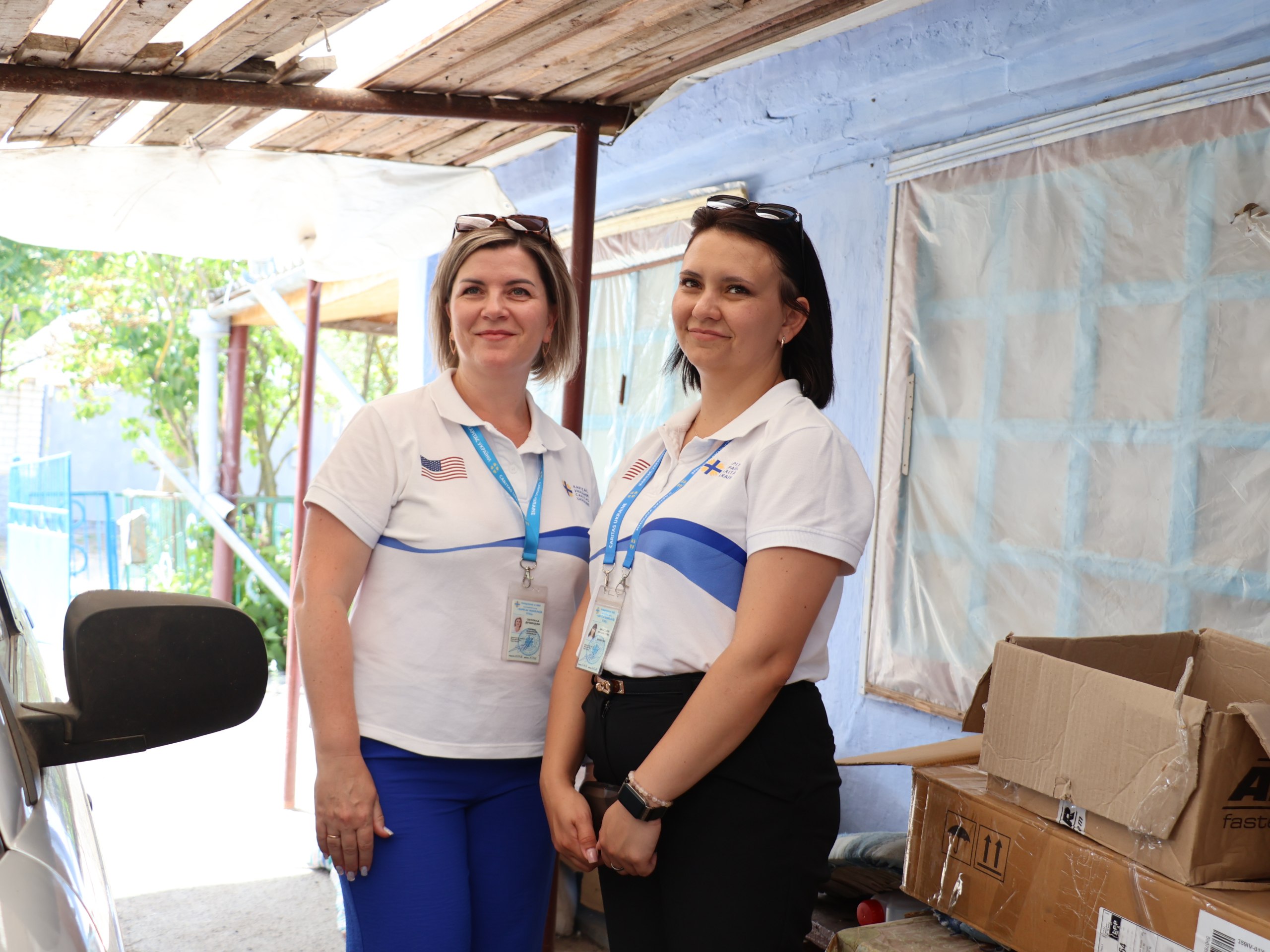 168 families in the Mykolaiv region received agricultural grants to develop their own farms. Photo: ‘Caritas Mykolaiv UGCC’
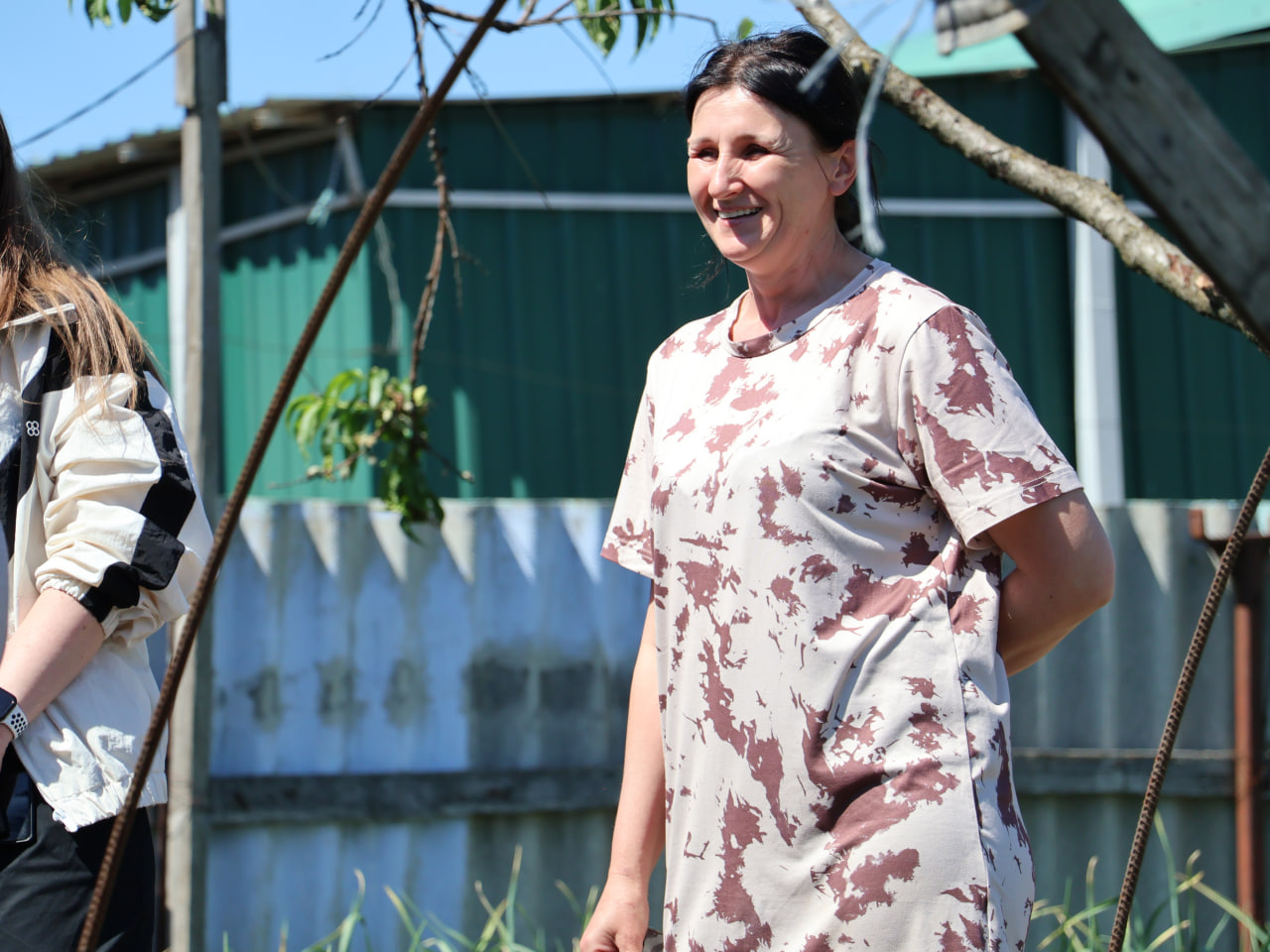 168 families in the Mykolaiv region received agricultural grants to develop their own farms. Photo: ‘Caritas Mykolaiv UGCC’
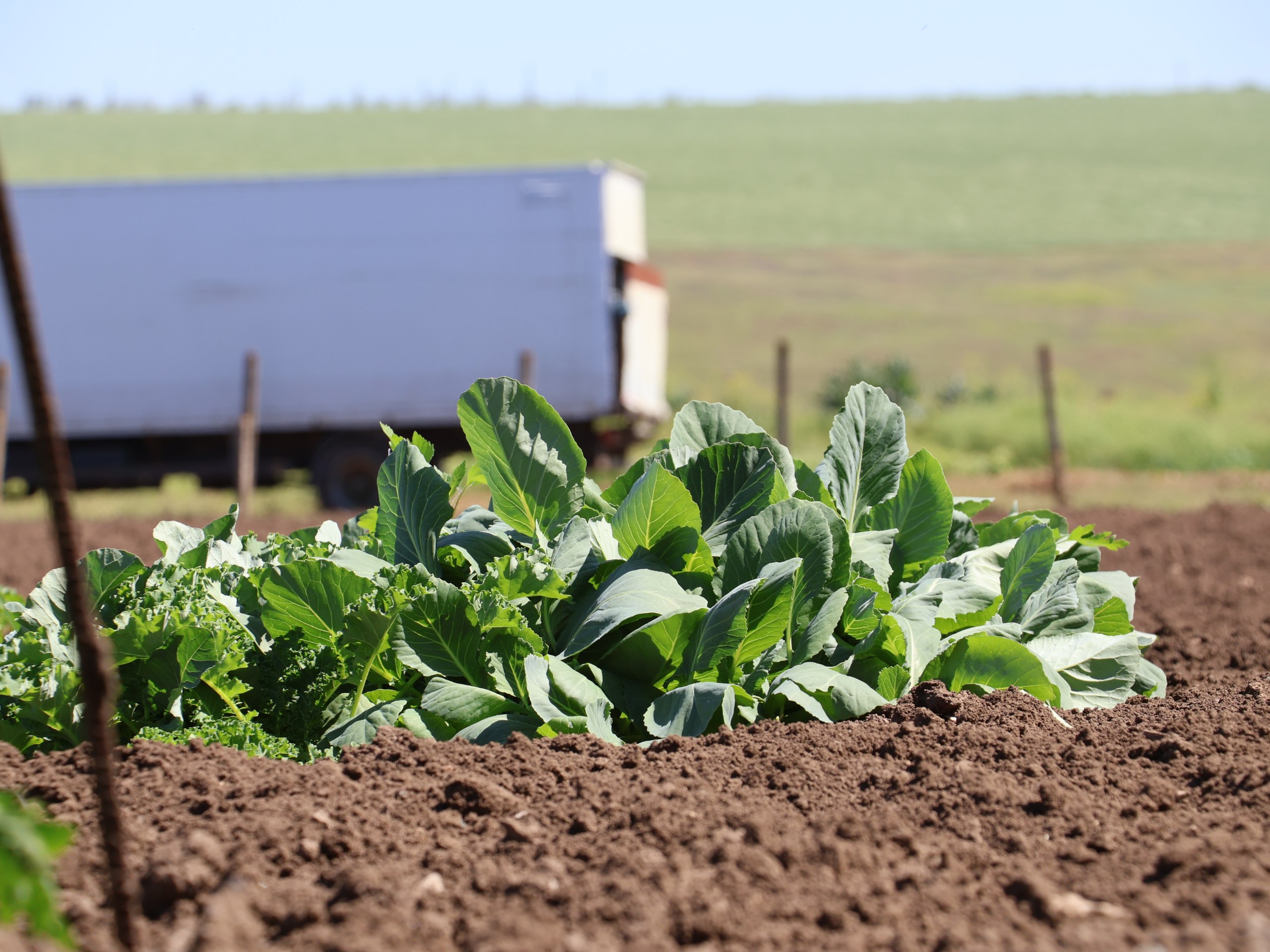 168 families in the Mykolaiv region have received agricultural grants to develop their own farms. Photo: ‘Caritas Mykolaiv UGCC’
Anastasiia Poluektova pointed out that the grants provided not only financial support but also psychological support.
«It’s not so much about the money as it is about the psychological state of a person who has been displaced or remains here without the means to support themselves. This is something that will benefit them in the future. It’s not just a box of food that’s there today but gone tomorrow. It’s about the long-term prospects that people will be able to realise this year and next. With this money, a person can buy a motorised cultivator or a brush cutter and support themselves financially by carrying out work and helping their fellow villagers,» said the agricultural expert.
Registration is still ongoing in the Voskresensk community. They plan to award 32 grants there.
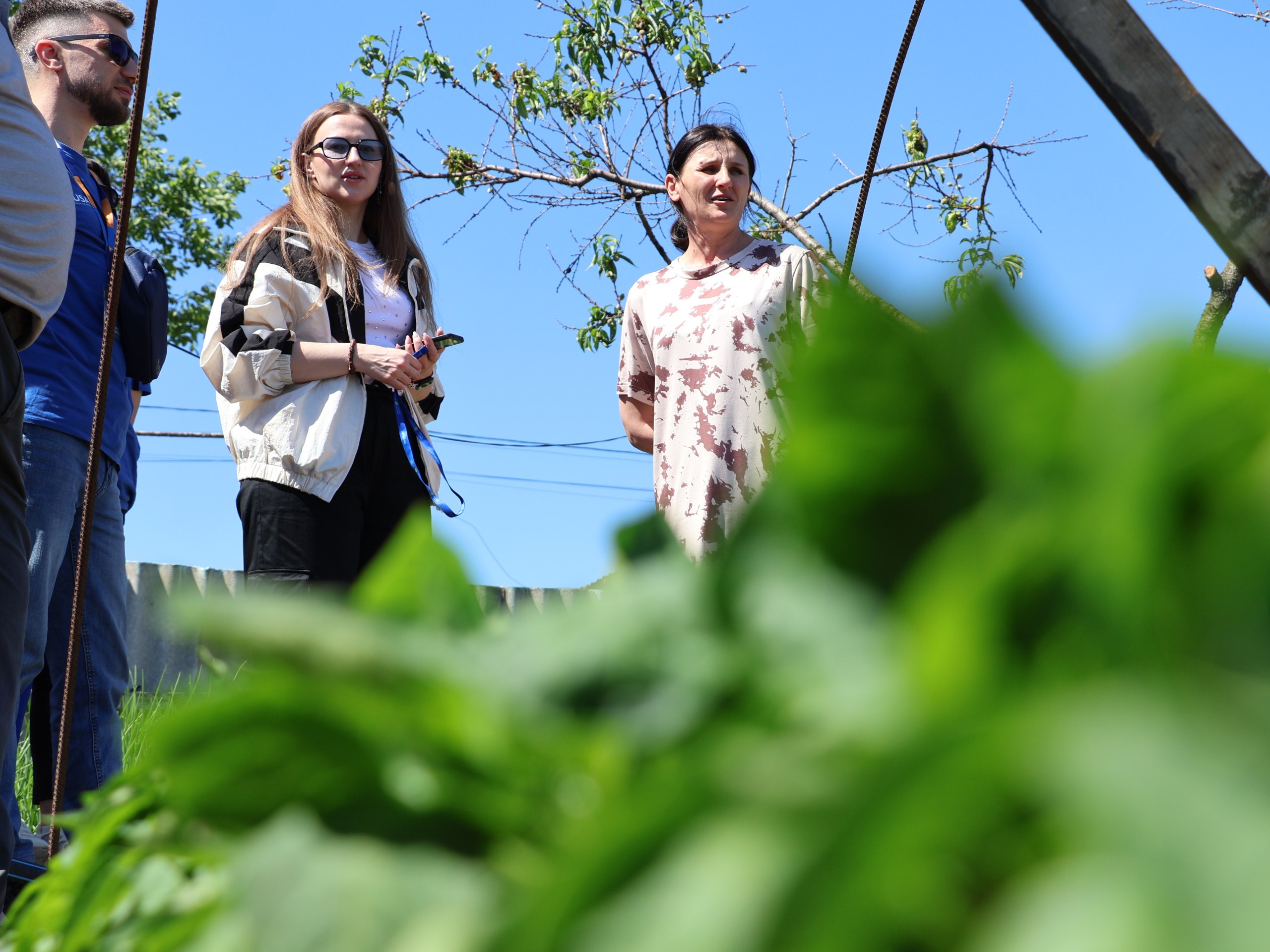 168 families in the Mykolaiv region have received agricultural grants to develop their own farms. Photo: ‘Caritas Mykolaiv UGCC’
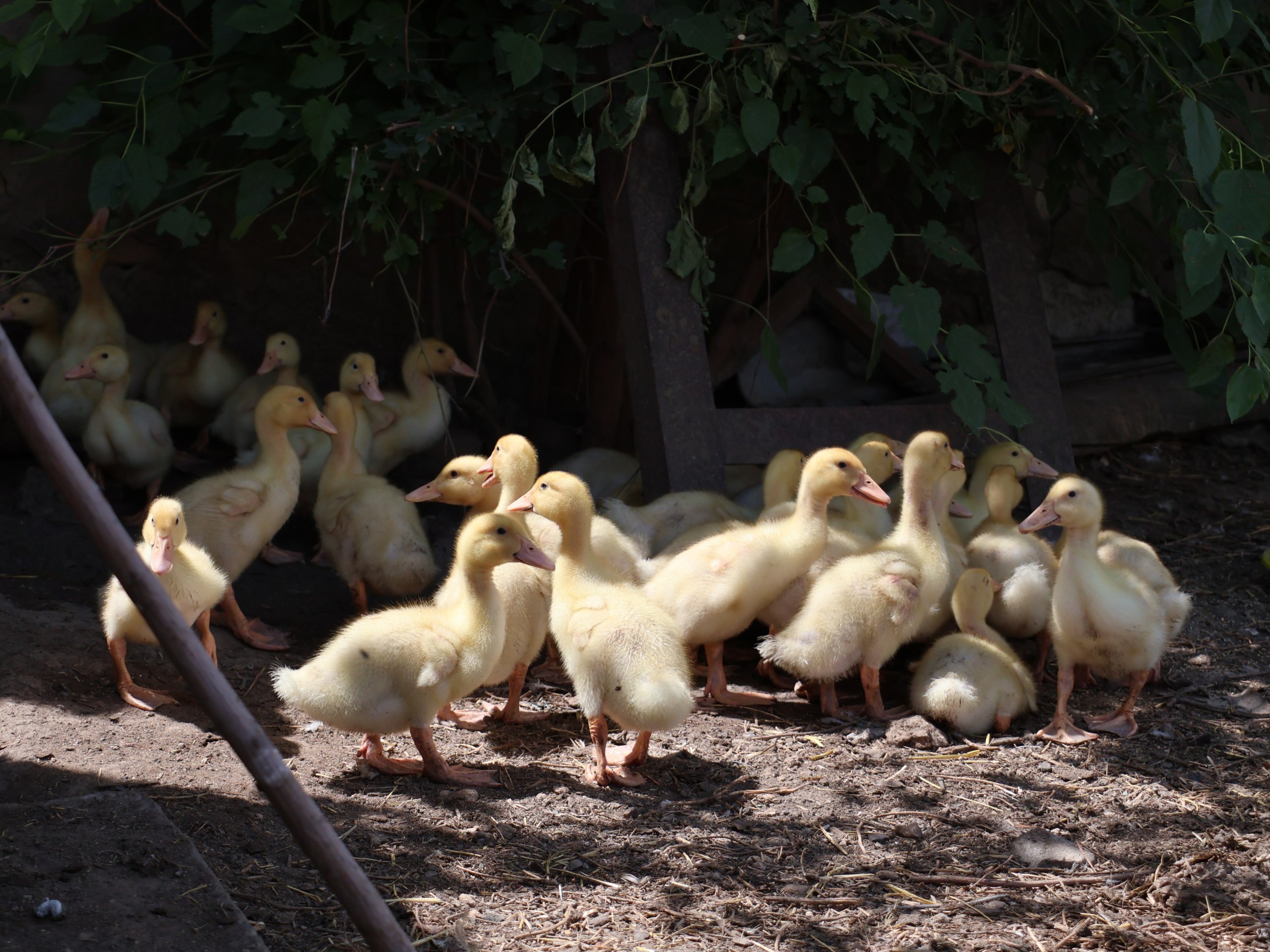 168 families in the Mykolaiv region have received agricultural grants to develop their own farms. Photo: ‘Caritas Mykolaiv UGCC’
One of the grants has already been received by a large family. Oleksandr Didenko said that the funds were very welcome, as he has three young children.
«I have three little children. They need to be fed. The youngest isn’t at school yet, just at nursery. The eldest is in Year 3, and the middle one is in Year 1. The children will have fresh eggs and meat,» said Oleksandr.
With the grant money, he bought a motorised cultivator for tilling the land, a drip irrigation system for the vegetable garden, a professional brooder for rearing and keeping the chicks warm, the chickens themselves, and feed for them. According to Oleksandr, the family would not have been able to afford all this on their own.
«The cost is, in principle, very high, so, for example, I would never have bought the motorised tiller. Perhaps we might have managed to get the drip irrigation system somehow. We might have built another box ourselves, but we certainly wouldn’t have bought such a professional brooder,» said Oleksandr.
168 families in the Mykolaiv region have received agricultural grants to develop their own farms. Photo: ‘Caritas Mykolaiv UGCC’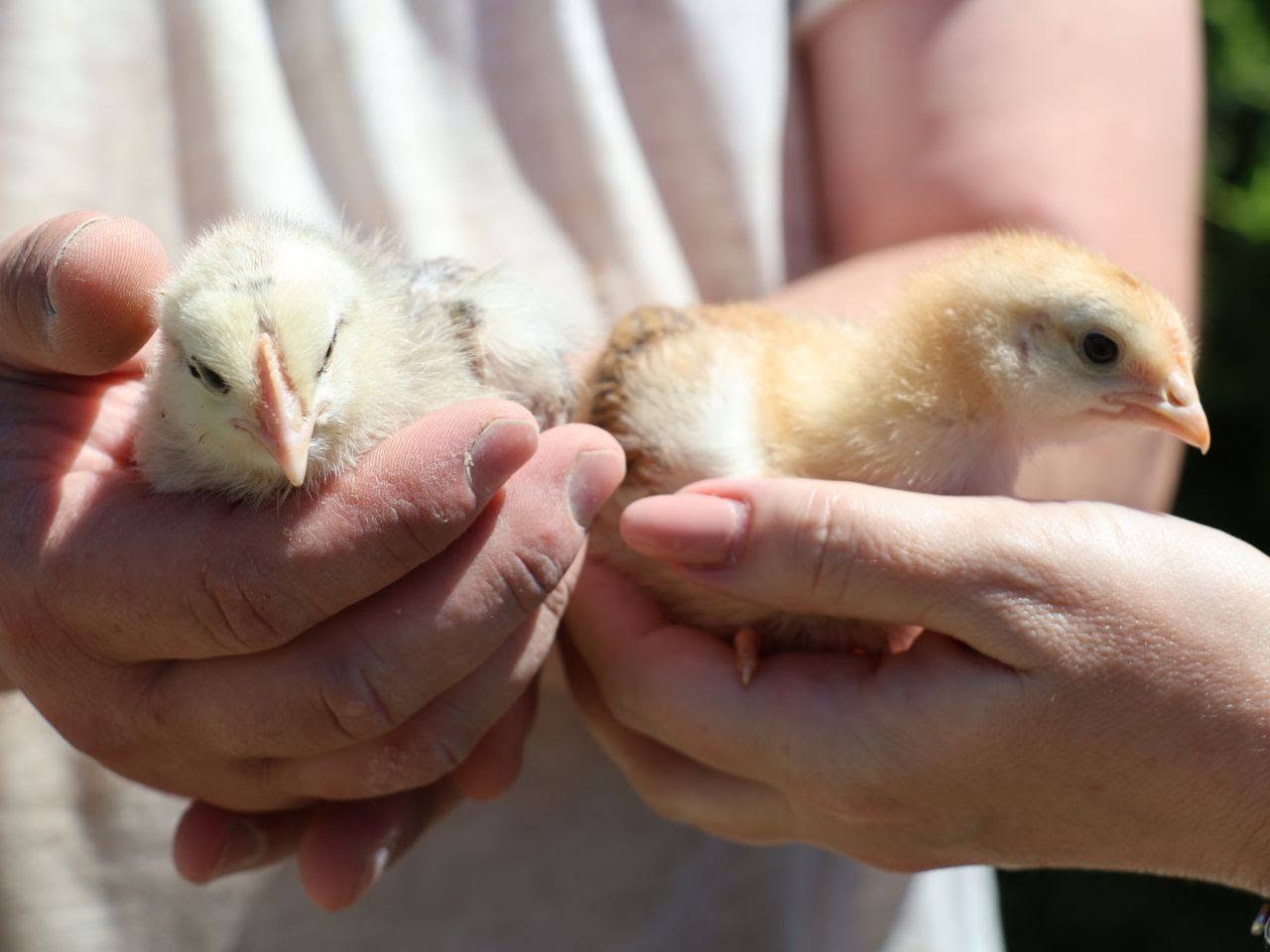 168 families in the Mykolaiv region have received agricultural grants to develop their own farms. Photo: ‘Caritas Mykolaiv UGCC’
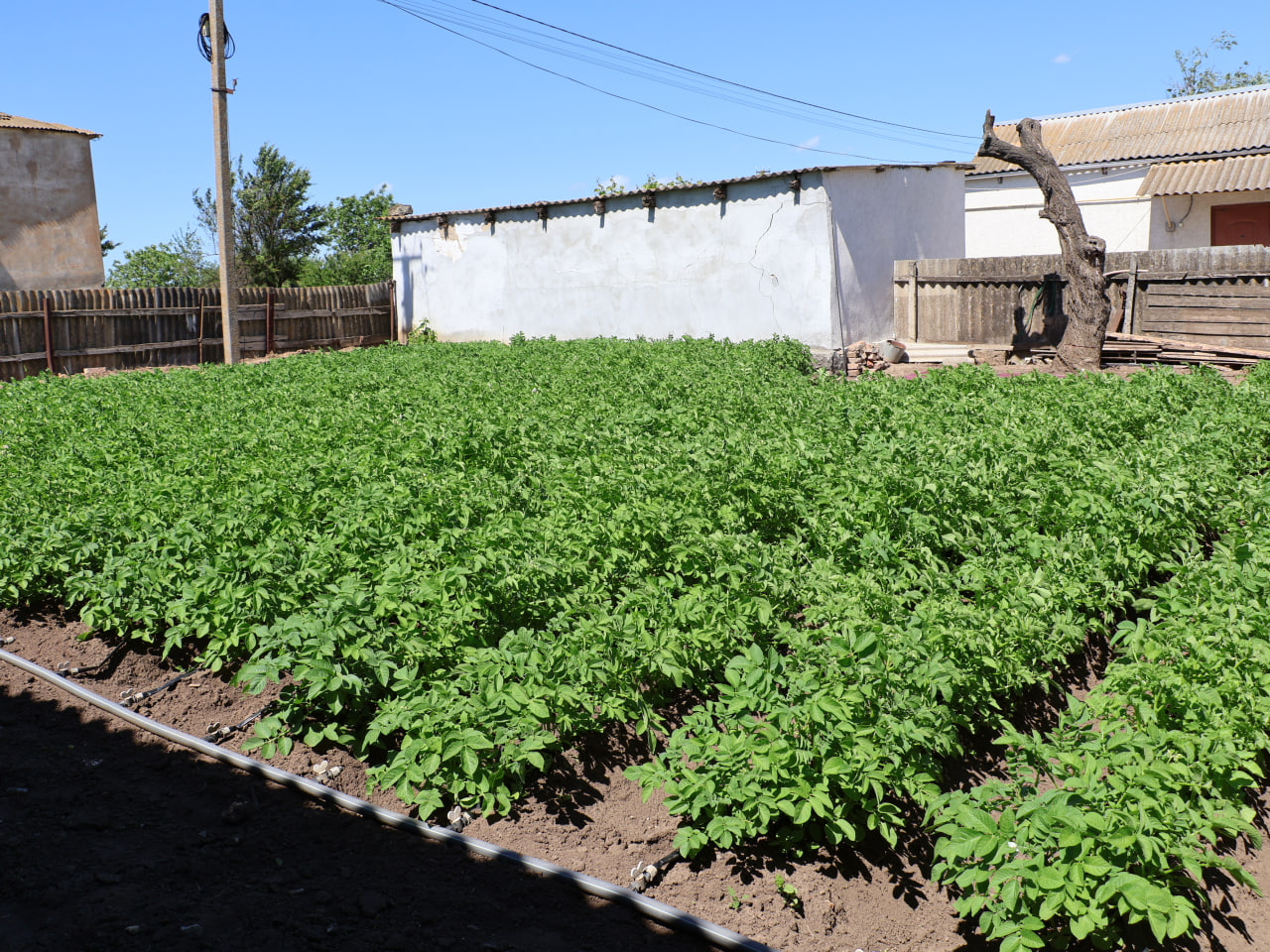 168 families in the Mykolaiv region have received agricultural grants to develop their own farms. Photo: ‘Caritas Mykolaiv UGCC’
Nataliia Kudelina was among those to receive a grant. She is an internally displaced person from the village of Kostiantynopil in the Donetsk region. She explained that they had vegetable gardens, but were forced to flee the shelling, taking whatever they could carry.
«The shelling had already started. We were already afraid to stay there. And so, one day, we packed up: we took whatever we could carry. Everything else was left behind. We were allowed through on the road. We simply said we were leaving the Donetsk region, and everyone told us to go on through. We travelled at night. It was far too risky during the day. At 10 o’clock, or half past nine, the shelling would start. It was a nightmare; many people died there too,» Nataliia shared.
Nataliia arrived in the Mykolaiv region in 2024. As she explains, they thought it would only be for a short while, but they ended up staying.
The grant, according to Nataliia, was a great help, as the family had lost their jobs. With the grant money, they bought a drip irrigation system, a motorised cultivator, shade netting and poultry.
«We grow peppers. We’ve planted the sweet «Lomino» variety, and the large, sweet «Viktoriia». We’ve planted purple and bitter varieties too. We’ve planted potatoes, onions and garlic. We plant everything we can. I have three sisters and three nephews in Ukraine. We help them out and send them things,» said Nataliia.
«Caritas Mykolaiv UGCC» is continuing its project in the Voskresenske community, where residents are being told about grant programmes and how to take part in them. As well as awarding grants, sessions with agricultural experts and group sessions are also planned, where people can share their own experiences and feelings. Anastasia Poluektova also noted that additional assistance will be provided for the repair of sheds and animal housing to be used in winter.
As a reminder, in two shelters for displaced persons in the Mykolaiv region — in Mishkovo-Pohorilove and Vesniane — repairs have been carried out in the rooms and bathrooms, adapting them for people with disabilities.


This material was produced within the REACH – Media Partnerships for Accountability and Trust project, implemented by International Media Support (IMS) and supported by the Ministry of Foreign Affairs of Denmark. The content reflects the views of the authors and not necessarily those of the Danish government. Denmark’s support strengthens civil society and independent media in Ukraine, including in Mykolaiv.

